

Many people underestimate the importance of being prepared for emergencies, but having a well-stocked go bag can mean the difference between safety and discomfort. You should pack necessary supplies that cater to your basic needs for at least 72 hours. This includes food, water, first aid supplies, and tools for communication and warmth. By carefully considering each item you include, you can enhance your ability to stay safe and self-sufficient in unpredictable situations. Read on for a comprehensive list of what to include in your go bag for successful 72-hour survival.

Essential Gear for 72-Hour Survival
Packing the right gear is paramount for any survival situation, particularly when you foresee a minimum of 72 hours without access to standard comforts. Focus on items that are lightweight, durable, and versatile to increase your chances of successfully navigating the challenges you may face. Each piece of gear should serve a purpose, from shelter to safety, ensuring that you are well-prepared for whatever comes your way.
The Foundation: You Need a Reliable Pack
Your survival journey starts with a sturdy and reliable backpack. Opt for a waterproof and well-organized pack that can comfortably carry your crucials while providing easy access to items you may need urgently. A pack with adjustable straps and multiple compartments helps distribute weight evenly and keeps your gear organized, enabling you to move quickly and efficiently in a crisis.
Multipurpose Tools: The Swiss Army Knife of Survival Gear
A multipurpose tool is one of the smartest investments you can make for your go bag. These compact devices, such as a Swiss Army Knife or a multi-tool, include various functions like cutting, screwing, and even opening bottles, which come in handy in countless situations. Look for a tool featuring a variety of blades, pliers, a can opener, and a screwdriver to maximize its utility.
Choosing a well-made multipurpose tool can greatly simplify many tasks in a survival scenario. For instance, you might need to prepare food, make shelter, or repair gear along the way. Brands like Victorinox or Leatherman offer options that integrate crucial functions while remaining compact enough to fit in your pocket. These tools are designed to withstand rigorous use, which is especially important when every ounce of strength counts during emergencies. A versatile tool can serve you in numerous ways, transforming a challenging situation into a manageable one.
Nourishment and Hydration: Fueling Your Body
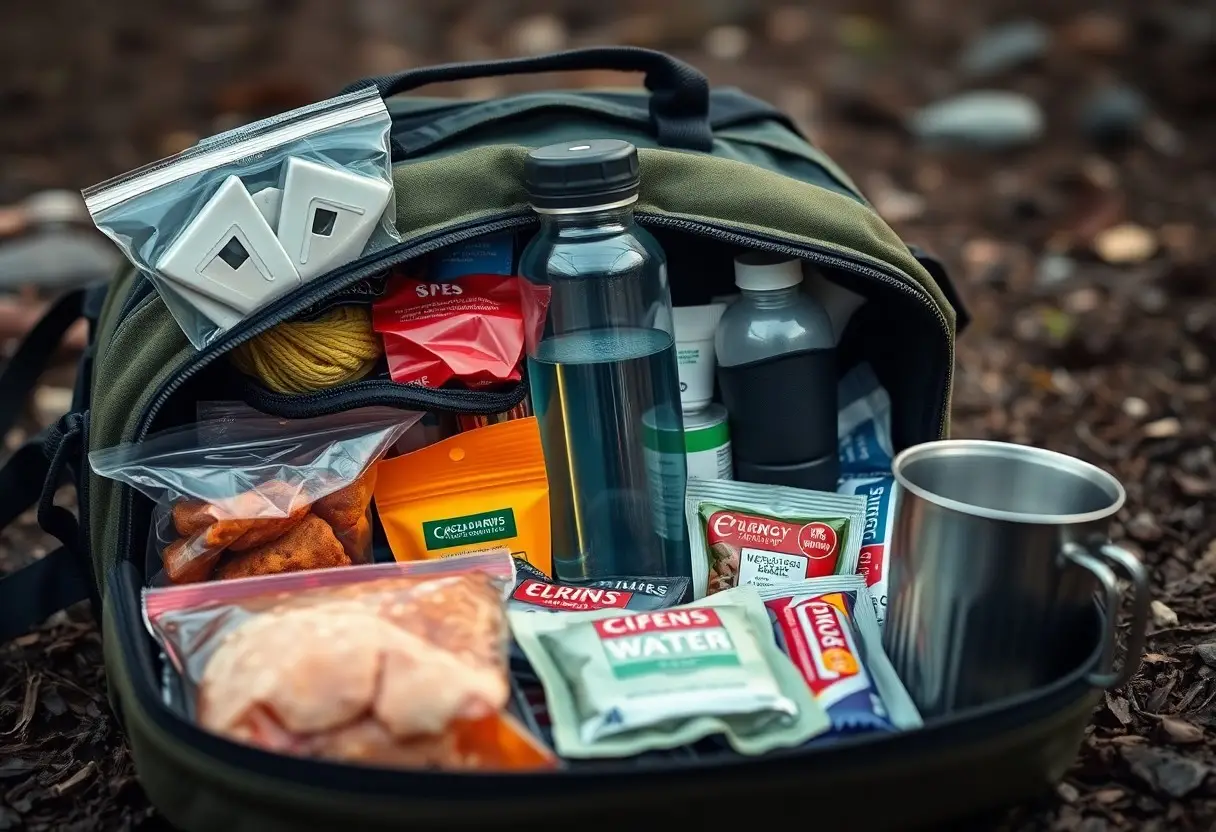
Surviving for 72 hours without access to regular meals or clean water demands careful planning. Keeping your energy levels up while maintaining hydration ensures your body can cope with the physical and mental stresses of an emergency. Your go bag should include nutrient-dense food and innovative water storage solutions to support your wellbeing during unexpected situations.
Non-Perishable Foods: What to Choose and Why
Selecting non-perishable foods is fundamental for your go bag. Opt for items like energy bars, dehydrated meals, canned fruits, nuts, and jerky—all of which provide long shelf lives without compromising on nutrition. These foods are compact, calorie-dense, and require little to no preparation, making them ideal for fuel during a survival situation.
Water Storage Solutions: Staying Hydrated on the Go
Portable water storage is pivotal for staying hydrated. Pack collapsible water bottles or bladders that are easy to carry and fill. Look for options that are made from durable, BPA-free materials to ensure safety. Additionally, consider including a compact water purification system, such as iodine tablets or a portable filter, to guarantee access to safe drinking water whenever needed.
Hydration packs, designed to fit snugly against your back, provide a convenient alternative for carrying water, allowing you to sip while on the move. Portable water bottles equipped with built-in filters grant you the freedom to refill from questionable sources while ensuring contaminants are removed. By incorporating these solutions, your go bag will facilitate your hydration needs without adding excessive weight.
Safety and Emergency Communications: Stay Connected
In a survival situation, maintaining communication and signaling for help can dramatically improve your chances of rescue. Being able to communicate with others, whether through electronic devices or visual signals, is an imperative component of your go-bag. Including items focused on safety and communication not only keeps you informed but also ensures you can alert others in times of need.
Signaling for Help: Flares, Mirrors, and Whistles
In emergencies, using visible and audible signals can attract the attention of rescuers. Flares are highly effective for long-distance signaling, while mirrors can reflect sunlight, creating a bright signal noticeable from afar. Whistles provide a reliable, sound-based option that is far-reaching, taking less energy to use than shouting. You should include at least one of these items in your go-bag to enhance your emergency signaling capacity.
The Importance of a Battery-Powered Radio
A battery-powered radio is an indispensable tool in a survival kit, allowing you to receive critical updates on weather, safety announcements, or rescue operations. Access to local news can provide you with real-time information on the situation around you, including evacuation orders and emergency resources.
In a survival scenario, you may face scenarios where cellular networks are overwhelmed or down. A battery-powered radio can bridge this gap, keeping you connected with emergency broadcasts that offer guidance and support. Look for radios that can receive AM and FM signals, and consider models with built-in solar panels or hand-crank generators to ensure you have a reliable source of power. Keeping spare batteries in your go-bag will also significantly extend your ability to stay informed during prolonged emergencies.

First Aid Essentials: Be Prepared for Health Emergencies
Your go bag should include a well-stocked first aid kit to address potential injuries or health emergencies. Having the right supplies can make a significant difference in ensuring you and your companions remain as safe and comfortable as possible in a crisis. Simple injuries, such as cuts and scrapes, or more serious issues like sprains or allergic reactions can occur when you least expect them, making it important to prepare.
Building Your Personal First Aid Kit
A tailored first aid kit should include adhesive bandages, sterile gauze pads, antiseptic wipes, tweezers, scissors, and an instant cold pack. Additionally, incorporating a first aid manual can provide quick guidance on addressing injuries, which is particularly valuable if you experience a medical issue you’re not familiar with. You might consider upgrading to a kit designed for outdoor adventures, providing more comprehensive coverage.
Including Medications and Personal Health Needs
Include any prescription medications or over-the-counter drugs that you rely on daily. This might encompass pain relievers, allergy medications, or any specialized treatments you require. Be mindful to check expiration dates and replace items periodically to ensure they are always effective when needed.
Organizing medications in your go bag requires careful consideration of your unique health needs. For instance, if you have asthma, ensure you have your inhaler and a spacer if necessary. If you manage diabetes, pack insulin along with syringes and test strips. Keeping a list of your health concerns and medications can aid during emergencies when you may need to relay information to medical personnel. Being proactive about these health importants not only maximizes safety but also minimizes stress during a crisis.
Clothing and Shelter: Battling the Elements
Your clothing choices and shelter options can significantly impact your survival experience during those critical 72 hours. Selecting the right materials, layers, and emergency equipment is important to maintain warmth and protection against unpredictable weather. Whether you’re facing cold, wet, or hot conditions, being prepared will enhance your chances of staying comfortable and safe as you navigate through this challenge.
Layering Strategies for Different Climates
Selecting clothing based on the climate you might encounter is vital for comfort and survival. Incorporate a moisture-wicking base layer to pull sweat away from your skin, an insulating mid-layer for added warmth, and a waterproof outer layer to shield against wind and rain. In hot climates, opt for lightweight, breathable fabrics to keep you cool and protected from the sun. Always prioritize flexibility and adaptability in your layering techniques to adjust to fluctuating temperatures.
Sheltering Options: From Tents to Emergency Blankets
Your choice of shelter plays a pivotal role in shielding you from the elements. Lightweight tents provide significant protection and can be set up quickly, while emergency blankets, often made of reflective material, are compact and effective for retaining body heat in a pinch. Choose these options based on space, weight, and ease of assembly to ensure you can find shelter quickly when needed.
Emergency blankets aren’t just for warmth; their reflective material can also be used to signal for help. While tents offer more space and privacy, they can be heavier and take longer to set up. A combination of both can be highly effective—instead of relying on one option, pack a small, portable tent alongside a couple of emergency blankets for maximum flexibility. This way, you can choose the best solution based on your environment and the urgency of the situation. Be sure to practice setting up your tent so you’re familiar with the process when time is of the essence.
To wrap up
To wrap up, having a well-stocked go bag for 72-hour survival is imperative for your preparedness plan. You should include items such as non-perishable food, water purification methods, a first aid kit, imperative clothing, and tools for shelter and warmth. Additionally, packing important documents, a flashlight, and a multi-tool can greatly enhance your chances of staying safe and managing unexpected situations. Make sure to regularly check and update the contents of your go bag to ensure everything is in good condition and meets your personal needs.


