

Go bags are vital preparedness kits designed to keep you ready for unexpected situations. With the right survival tools at your disposal, you can feel more secure in your ability to handle emergencies. This guide will lead you through the key elements to include in your go bag, ensuring you have the resources you need for peace of mind. By understanding the importance of these tools, you can create a tailored kit that fits your lifestyle and meets your specific needs.
The Essentials of a Go Bag: What Every Preparedness Kit Must Include
A well-stocked go bag is your first line of defense in any emergency, ensuring you’re ready to evacuate quickly and safely. Your preparedness kit should include a mix of core items, supportive tools, and specialized gear tailored to potential situations you could face. Think through various scenarios, such as natural disasters, power outages, or urban unrest, and customize your go bag accordingly to always stay one step ahead.
Core Items for Basic Survival
Your go bag must contain important items that can sustain you for at least 72 hours. Pack non-perishable food, a manual water filter, a first aid kit, flashlight, batteries, and a multi-tool. These core components lay the foundation for your survival capabilities, allowing you to tackle immediate needs effectively while navigating unpredictable environments.
Tools and Gear for Specific Scenarios
Specific situations require targeted gear that enhances your agility and effectiveness. For example, if you live in a flood-prone area, incorporating a compact life vest and waterproof storage bags is wise. For winter scenarios, layering thermal blankets and hand warmers can prevent hypothermia. Tailor your tools and gear to your environment and likely emergencies to optimize your readiness.
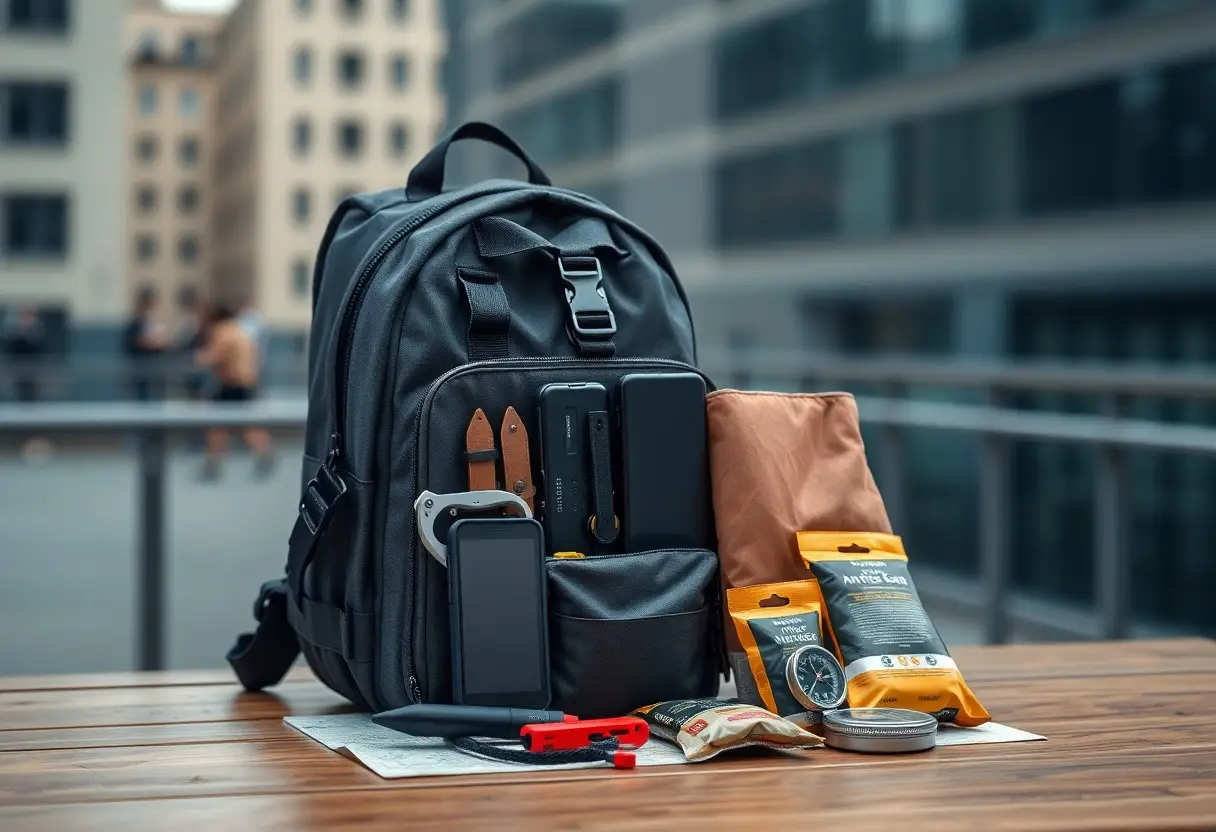
Consider adding a portable phone charger if you’re in an urban area where cell service might be interrupted, or a compact shovel if you reside near heavy snow regions. Other practical additions could include a whistle for signaling, fire-starting kits, and a compact tent for shelter. Each piece of equipment boosts your chances of successfully navigating a myriad of situations and highlights your commitment to thorough preparedness.
Beyond Basics: Upgrading Your Go Bag for Enhanced Readiness
Upgrading your go bag enhances your ability to respond to various emergencies. Consider integrating specialized gear and advanced technology to boost your preparedness. This not only amplifies your survival options but also ensures you’re equipped to navigate unforeseen challenges, whether you’re at home or on the move.
Advanced Tools for Urban vs. Wilderness Survival
Your choice of tools will depend on your environment. Urban survival often requires tools that facilitate self-defense and navigation, while wilderness survival focuses on items for shelter building and food procurement. Organizing your gear accordingly can make all the difference in an emergency.
Advanced Tools for Urban vs. Wilderness Survival
| Urban Tools | Wilderness Tools |
|---|---|
| Self-defense tools (pepper spray, tactical pen) | Multi-tool with knife, saw, and can opener |
| Portable phone charger | Firestarter kits (ferron rods, magnesium blocks) |
| First-aid kit with urban-specific items | Water filtration straws or tablets |
Customizability: Personalizing Your Kit for Unique Needs
Personalizing your go bag allows you to address specific needs based on your lifestyle and potential threats. Whether you have family members with unique requirements or live in a region prone to certain disasters, tailoring your emergency kit can significantly enhance your preparedness.
Consider adding items like allergy medications, baby supplies, or pet necessities to your go bag. Adapting your kit doesn’t merely ensure your safety, it also fosters comfort during an emergency. Evaluate your surroundings and daily activities to identify tools that enhance your readiness. This tailored approach allows you to stay one step ahead in any situation, ensuring you are equipped to handle unique challenges effectively.
The Psychology of Preparedness: Cultivating a Mindset of Readiness
Developing a mindset geared towards preparedness involves more than just acquiring tools and supplies. It requires a mental shift that embraces proactive planning rather than reactive scrambling. By visualizing potential scenarios and the steps needed to face them, you build resilience and reduce panic when sudden emergencies arise. This mental fortitude can be as vital as physical gear, fostering a sense of control even in unpredictable situations.
Understanding Anxiety and Its Role in Emergency Preparedness
Anxiety can manifest as a paralyzing force or a motivator for preparedness. Recognizing this duality allows you to harness anxiety to fuel practical planning rather than letting it undermine your confidence. Anticipating potential emergencies creates a pathway to transform fear into actionable steps, reinforcing your ability to respond effectively when the unexpected strikes. Harnessing this understanding fosters a proactive mindset that is important in crisis situations.
Building Confidence Through Practice and Familiarization
Regularly practicing emergency scenarios and familiarizing yourself with your survival tools enhances your confidence. Repeated exposure to various situations allows you to react instinctively under pressure. Engaging in drills, such as fire evacuation routes or first aid techniques, ensures you know what to do without hesitation. Each practice session builds a mental repository of knowledge that supports a calm response during actual emergencies.
Consider dedicating time each month to simulate emergency situations using your Go Bag and survival tools. For example, organize a family drill that incorporates meal preparation from non-perishable items, setting up your tent in a backyard, or conducting first-aid exercises. As you repeat these activities, you not only improve your practical skills but also engrain the necessary responses into your muscle memory. Over time, this consistent practice translates anxiety about emergencies into the confidence to face them head-on, creating a sense of security that permeates your overall preparedness strategy.
Community and Resources: Connecting with Others to Boost Resilience
Building a resilient community enhances your preparedness efforts and fosters a culture of support. Engaging with others who share similar goals allows you to exchange ideas, resources, and strategies that can prove invaluable during emergencies. Connect with your neighbors and local organizations to create a network of informed individuals dedicated to collective safety and planning.
Local Networks and Support Groups for Preparedness
Your local community can be a rich resource for preparedness. Joining neighborhood watch groups, community centers, or local emergency preparedness organizations enables you to meet like-minded individuals. Participating in regular meetings and discussions can lead to the creation of support systems, sharing necessary knowledge, and developing coordinated action plans. Strengthening these local ties enhances readiness for unforeseen events.
Educational Resources: Workshops, Courses, and Online Communities
Educational opportunities around preparedness exist in various formats to fit your learning preferences. Workshops and hands-on courses teach you practical skills, from first aid to emergency response techniques. Additionally, online courses and forums connect you with a broader community, allowing you to share experiences and gather diverse insights. This blend of in-person and digital resources ensures you stay informed and equipped for any situation.
Workshops and courses often cover topics such as basic survival skills, disaster response, and food preservation techniques, allowing you to gain hands-on experience. Community colleges, non-profits, and local emergency services frequently offer these programs, making them accessible to all. Online communities, like forums and social media groups, offer a platform for continuous learning and idea exchange, where you can view case studies and success stories from others who have navigated similar challenges. Engaging with both local and online resources enhances your preparedness journey, building not just your knowledge, but also valuable connections with fellow preparedness enthusiasts.
Real-Life Applications: Lessons Learned from Preparedness Scenarios
Analyzing real-life situations where preparedness was put to the test reveals valuable insights. These scenarios highlight both successes and shortcomings in individual and community responses to emergencies. The lessons learned reinforce the importance of well-equipped go bags and the need for regular drills and community engagement. Your hands-on experience translates into a more thorough understanding of what to include in your go bag and how to navigate unforeseen challenges effectively.
Analyzing Recent Disasters: What Worked and What Didn’t
Recent disasters, such as hurricanes and wildfires, showcased effective strategies and areas needing improvement. In many cases, individuals who heeded evacuation orders and had pre-packed go bags experienced smoother transitions to safety. Conversely, those unprepared faced confusion and stress. A notable success was the organized community response in areas where local alliances assisted residents with evacuation and resource management, while the lack of clear communication in other regions resulted in avoidable chaos.
Personal Accounts: Transformative Experiences from Go Bag Users
Personal experiences from go bag users illuminate how preparedness can alter one’s approach to emergencies. Stories abound of families escaping wildfires or floods due to their pre-packed gear, defining moments that reshaped their understanding of safety and readiness. A prevalent theme among these accounts is the shift from anxiety and uncertainty to confidence and control, bolstered by the presence of a well-curated go bag.
For instance, one family recounted their escape from a rapidly encroaching wildfire, facilitated by their pre-prepared go bag, which included imperative documents and supplies. This experience galvanized them into educating their neighbors about preparedness, fostering a community ethos around safety. Another individual shared how their go bag allowed for quick decision-making, preventing panic during a sudden evacuation. These accounts reveal the transformative power of preparedness, illustrating that having a go bag is not just an act of precaution, but a pathway to emotional resilience and communal support.
Conclusion
Drawing together the necessarys of Go Bags and survival tools, you can gain peace of mind knowing you are prepared for unexpected events. By selecting the right gear tailored to your needs, you empower yourself to face challenges with confidence. Regularly reviewing and updating your supplies ensures that your survival tools remain effective and relevant. A well-organized Go Bag not only serves as a lifeline during emergencies, but it also fosters a proactive mindset, allowing you to approach uncertainties with security and readiness.


