

Most families don’t consider the importance of a go bag until an emergency arises. By preparing a go bag for your aging parents or loved ones, you ensure they have imperative items readily available during unexpected situations. This guide will equip you with the knowledge to assemble a practical and efficient go bag tailored to their specific needs, helping you provide peace of mind and safety for your loved ones at all times.
Understanding the Need for a Go Bag
Emergencies can strike unexpectedly, and having a go bag ready for your aging parents or loved ones can make all the difference. This vital kit provides immediate access to necessary supplies during various situations, from natural disasters to medical emergencies. With an organized go bag, your loved ones can ensure their safety and well-being while alleviating some of the stress that comes with sudden evacuations or health crises.
Assessing Risks and Potential Emergencies
Every household faces unique risks based on location, health conditions, and lifestyle. Evaluate factors such as natural disasters—like hurricanes or fires—health emergencies, or personal safety situations. Consider the specific needs of your loved ones, including mobility issues or chronic health conditions, which may require specialized supplies in their go bags. By assessing these risks, you can better tailor the contents of the go bag to address potential emergencies they might encounter.
Importance of Preparedness for Aging Adults
Your aging parents may face specific challenges that make preparedness even more vital. Mobility limitations, cognitive decline, and medical dependencies can significantly impact their ability to respond during emergencies. Having a go bag provides reassurance and answers common concerns, like whether they can access medications, vital medical equipment, or personal items quickly. Preparedness fosters independence, allowing aging adults to feel more secure and capable of managing unforeseen circumstances.
A collaborative preparation process encourages open dialogue about emergency scenarios and instills confidence in your loved ones. It becomes an opportunity for you both to discuss their preferences and specific needs, ensuring that the go bag reflects their personal circumstances. A well-stocked go bag with easy access to medications, vital documents, and comfort items not only addresses immediate needs but also empowers your aging parents to handle stress more effectively during difficult times.
Essential Items for a Go Bag
A well-prepared go bag contains imperative items that can provide immediate support in emergencies. Start with the basics: food, water, and supplies for communication should be prioritized. Consider their daily needs and preferences, ensuring the bag is tailored to their unique situation. Evaluating the contents every few months guarantees that expiration dates are checked, and new requirements can be addressed as they arise.
Medical Supplies and Medications
Your loved ones’ medical supplies and medications must be a focal point in the go bag. Include a week’s supply of prescription medicines, along with any over-the-counter medications they frequently use. A list detailing dosages, instructions, and emergency contact information for healthcare providers will streamline the preparation for any situation.
Personal Care and Comfort Items
Incorporating personal care and comfort items into the go bag makes it feel familiar and supportive. Essential items include hygiene supplies like toothbrushes, toothpaste, moisturizers, and wipes. Additionally, consider including a favorite blanket or photos to provide emotional reassurance during stressful times. Keeping their preferences in mind, such as favorite snacks or a book, can significantly enhance their comfort level during an emergency.
Packing Tips for Efficiency
To maximize efficiency when packing a go bag, prioritize lightweight, multi-purpose items. Choose versatile clothing and ensure necessary supplies are easily accessible. Consider including the following items:
- Compact first aid kit
- Non-perishable snacks
- Water purification tablets
- Flashlight and extra batteries
- Weather-appropriate clothing
This strategy not only saves space but also ensures swift readiness in emergencies.
Choosing the Right Bag
Select a durable, easy-to-carry bag that suits your loved one’s mobility. Look for options with adjustable straps, multiple compartments, and water-resistant materials. A backpack or a sturdy tote may be ideal, allowing for distribution of weight while providing ample storage. Size should accommodate necessary items without becoming too heavy.
Organizing Contents for Easy Access
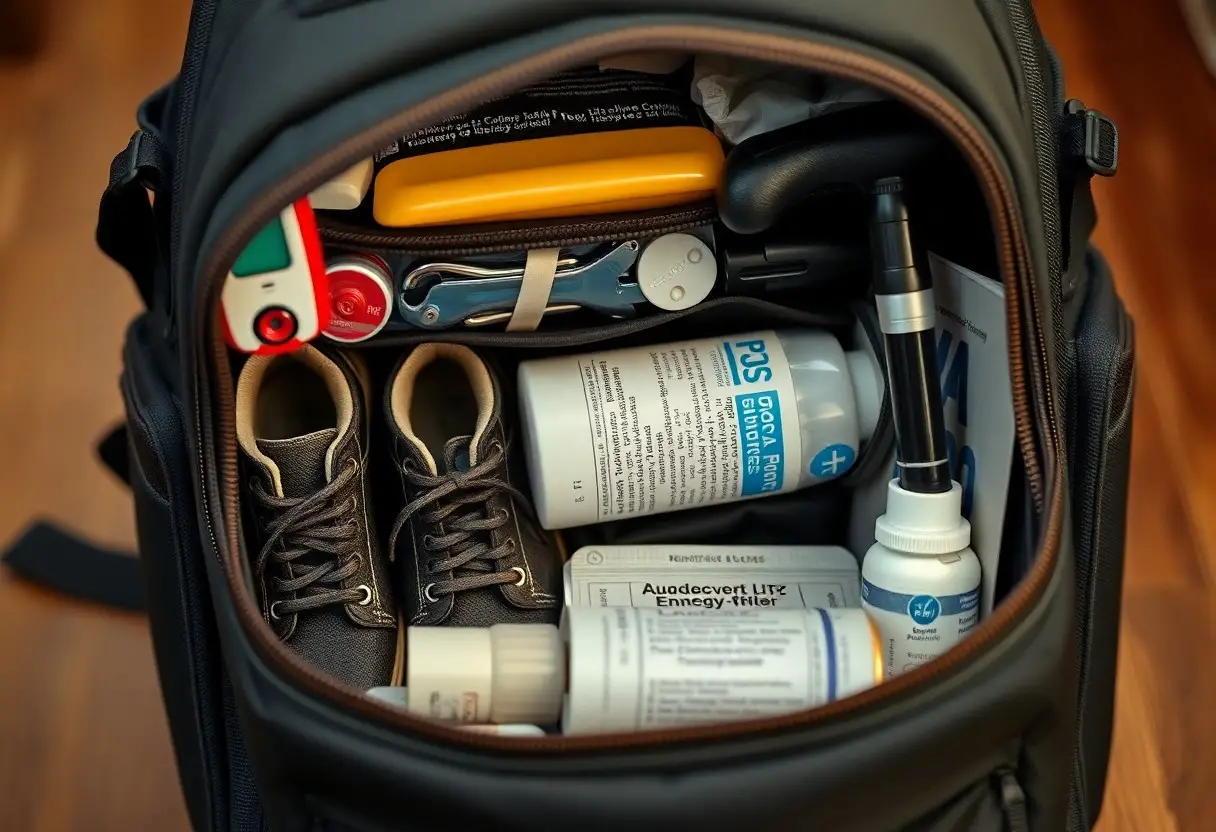
Organizing the contents of the go bag enhances efficiency during emergencies. Use labeled zip-lock bags or packing cubes to categorize items such as medications, clothing, and documents. Prioritize accessibility by placing frequently used items at the top or in external pockets.
Efficient organization reduces the time needed to find necessarys, particularly in stressful situations. For example, consider a grid system for medical supplies, clearly labeling each pouch. Assign specific colors for different categories, like blue for food and green for hygiene, allowing your loved ones to easily identify what they need at a glance.
Factors to Consider for Individual Needs
Assessing the unique requirements of your aging parents or loved ones is vital in creating an effective go bag. Consider their physical, medical, and personal preferences to ensure all necessary items are included and easily accessible. Take note of the following factors:
- Physical limitations and mobility issues
- Medical conditions and prescriptions
- Dietary restrictions and preferences
- Mental health and cognitive abilities
- Preferred modes of communication
Recognizing these individual needs can significantly enhance their safety and comfort during an emergency.
Mobility and Transportation Considerations
Mobility challenges necessitate the inclusion of assistive devices in the go bag. Ensure that mobility aids, such as a cane or folding walker, are lightweight and compact for easy transport. In addition, look into portable seating solutions or lightweight transport chairs that allow your loved ones to rest when needed.
Dietary and Medical Preferences
Understanding dietary and medical needs is fundamental when preparing a go bag. Include snacks that cater to specific dietary restrictions, such as low-sodium or gluten-free options. Moreover, ensure that all necessary medical supplies, including prescribed medications, are readily packed and monitored for expiration dates.
For dietary considerations, keep in mind any allergies, intolerances, or dietary preferences that may influence food choices. If your loved one requires specific nutritional support, such as diabetic-friendly snacks or protein shakes, include these items in the go bag. Having familiar food sources can provide comfort and promote health during emergencies, so tailor the contents to what they enjoy and need.
Regular Maintenance of the Go Bag
Regular maintenance of the go bag ensures it remains ready for any emergency. Perform a routine check every six months to assess the condition of the contents, replacing expired food, medications, or necessarys. This practice not only keeps items fresh but also allows you to update the bag based on seasonal needs or changes in your loved one’s health or mobility.
Updating Contents Periodically
Updating contents periodically is vital for your go bag’s effectiveness. Review the items at least twice a year, removing expired food, medications, and any items that have become obsolete or unnecessary. Add new items as needed, such as personal care products tailored to your loved one’s current needs or additional comfort items for emotional support.
Conducting Emergency Drills
Conducting emergency drills familiarizes your loved ones with the go bag and the emergency procedures to follow. Schedule these drills semi-annually, practicing the process of grabbing the go bag and ensuring everyone knows where to go in case of an emergency. Make it a calm and supportive experience, encouraging questions and concerns to foster confidence in their ability to act swiftly if the need arises.
During these drills, simulate various emergency scenarios—such as fire, natural disasters, or sudden medical needs—to assess the effectiveness of the go bag contents and your loved one’s responses. Hands-on practice helps solidify their understanding and allows you to identify any gaps in the go bag’s supplies or instructions. Tailoring the drills to your loved one’s abilities and comfort level reinforces their preparedness while building their confidence in handling real-life situations effectively.
Communicating About the Go Bag
Open discussions about the go bag can ease anxiety and foster a sense of security for your loved ones. Use simple language to explain its purpose, emphasizing that it’s a proactive measure rather than a sign of impending danger. Encourage questions and clarify any misconceptions, ensuring they feel comfortable with the idea of having a go bag ready for emergencies.
Involving Your Loved Ones in the Process
Engaging your parents or loved ones in assembling the go bag empowers them and addresses their specific needs and preferences. Invite them to choose items that hold personal significance, whether it’s medication, a favorite book, or family photos, making the go bag feel less like a checklist and more like a personalized toolkit for safety.
Educating Family Members on Its Use
Educating family members about the go bag ensures everyone knows its contents and purpose. Schedule a family discussion to walk through the items inside, demonstrating how and when to use each component. Role-playing emergency scenarios can help solidify understanding and confidence, allowing every family member to know their responsibilities and specific actions to take during a crisis.
Providing clear instructions and practical demonstrations can further enhance understanding. For example, take time to show how to locate emergency contacts, navigate basic first aid supplies, or use any technology included in the bag. Empowering family members with this knowledge helps create a unified response plan, reducing stress and increasing overall preparedness for emergencies.
Final Words
Drawing together necessary items for a go bag for your aging parents or loved ones ensures their safety and preparedness in emergencies. Start by selecting a sturdy, easily accessible bag and fill it with necessary personal documents, medications, medical supplies, and items that provide comfort, like a blanket or photographs. Include versatile clothing, non-perishable snacks, and a flashlight. Regularly update the go bag to reflect any changes in health or preferences. By taking these steps, you empower your loved ones to respond effectively during unforeseen situations.


