
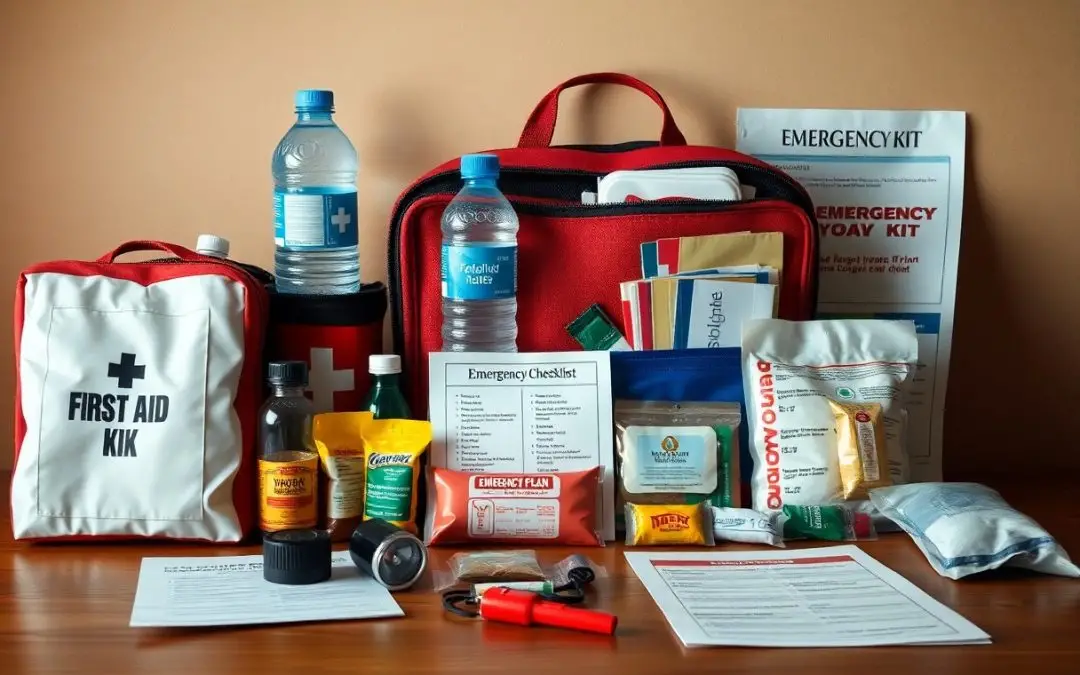
Readiness is not just about having the right tools or plans in place; it also involves cultivating a calm mindset. In emergencies, your ability to stay composed can significantly impact the outcome of the situation. This blog post explores the psychological principles behind maintaining calmness and provides practical strategies to enhance your mental preparedness, empowering you to respond effectively under pressure.

Understanding Stress Response
Emergencies trigger a complex stress response in your body, designed to prepare you for immediate action. This physiological reaction, often referred to as the fight-or-flight response, involves the release of hormones like adrenaline and cortisol. These hormones increase your heart rate, boost energy supplies, and sharpen alertness, enabling you to respond quickly. While this response can be beneficial in immediate threats, understanding how it manifests can help you manage anxiety and maintain composure during stressful situations.
The Body’s Reaction to Emergencies
Your body reacts to emergencies through a series of automatic processes aimed at survival. Heightened senses, increased blood flow to muscles, and a surge in energy levels prepare you to either confront or evade danger. These physical changes occur rapidly, often within seconds, and can be overwhelming if not properly managed. The ability to harness these reactions can enhance your effectiveness in crisis situations.
Psychological Impacts of Stress
Stress from emergencies can lead to significant psychological consequences, affecting your mental clarity and emotional stability. Symptoms may include anxiety, irritability, or even post-traumatic stress disorder (PTSD) in severe cases. These reactions can cloud your judgment and impair decision-making, making it necessary to recognize and address these emotional responses promptly.
Psychological impacts of stress manifest in various ways, ranging from short-term anxiety to long-lasting emotional disorders. For instance, around 7-8% of individuals will experience PTSD after a traumatic event, which can disrupt daily functioning. You may find yourself replaying the incident repeatedly or having difficulty focusing on tasks. Developing coping strategies, such as mindfulness or stress management techniques, can mitigate these effects, allowing you to regain your mental equilibrium in the aftermath of emergencies.
The Importance of Mental Readiness
Mental readiness serves as the backbone of effective emergency response. It encompasses your ability to maintain focus, make quick decisions, and manage stress under pressure. An individual with strong mental preparedness can better navigate the chaos of an emergency, ensuring not only personal safety but also the safety of others. This intrinsic factor can significantly impact outcomes during life-threatening situations, highlighting the need for mental conditioning alongside physical preparedness.
Defining Mental Readiness
Mental readiness refers to your cognitive and emotional preparedness to face unexpected emergencies. It involves being aware of your surroundings, understanding potential risks, and possessing the mindset to respond effectively. This encompasses your ability to manage fear, anxiety, and stress, facilitating clear thinking and decisive action when every moment counts.
Benefits of Being Prepared
Being mentally prepared offers numerous advantages, including enhanced resilience, improved decision-making, and a greater sense of control. Individuals who practice mental readiness are more likely to react positively under pressure, reducing panic and confusion. This psychological edge not only contributes to better personal outcomes but also fosters a supportive environment for those around you, creating a ripple effect of calmness in chaotic situations.
Evidence suggests that mentally prepared individuals experience lower levels of anxiety in emergencies. For instance, studies have shown that those who engage in mental simulation techniques can react 30% faster in crisis scenarios compared to their less prepared counterparts. The ability to foresee various emergency scenarios and practice responses allows for instinctual action during real incidents, ultimately improving survival rates and overall effectiveness in handling emergencies. Emphasizing mental readiness paves the way for not just individual resilience but a collective strength in facing adversity.
Techniques for Staying Calm
Utilizing specific techniques can significantly enhance your ability to maintain calm during emergencies. Simple, practical methods are effective in helping you regain control and focus. Implementing these strategies can prepare you for unexpected situations, allowing for clearer decision-making and improved responses.
Breathing Exercises
Focusing on your breath can ground you when anxiety arises. Try inhaling deeply through your nose for a count of four, holding for four, and exhaling slowly through your mouth for another count of four. Repeat this cycle several times to lower your heart rate and promote a sense of tranquility.
Mindfulness and Meditation
Mindfulness techniques encourage you to stay present, reducing overwhelming feelings. Incorporating short meditation sessions into your daily routine can greatly enhance your mental clarity in stressful situations. Even just a few minutes of focused awareness can prepare your mind for challenges ahead.
Explore various mindfulness practices, such as body scanning or guided imagery, to enhance your mental readiness. Research suggests that spending approximately 10-20 minutes daily on mindfulness meditation can decrease stress levels and improve emotional regulation. Engaging in these techniques cultivates self-awareness and helps to mitigate impulsive reactions during emergencies. Serializable studies show that individuals who practice mindfulness report better emotional resilience and cognitive flexibility, contributing to more effective problem-solving under pressure.
Building Resilience
Building resilience is necessary for navigating the unpredictability of emergencies. It involves strengthening your mental fortitude, allowing you to respond effectively under pressure. Resilience enables you to bounce back from setbacks and maintain clarity in chaos. By focusing on your strengths and adopting a proactive mindset, you can enhance your ability to withstand challenging situations, ensuring that panic doesn’t compromise your decision-making during critical moments.
Developing Coping Strategies
Coping strategies are vital tools in managing stress and anxiety during emergencies. Techniques like deep breathing, visualization, and positive self-talk can help you regain control when faced with unexpected challenges. Regularly practicing these strategies ensures they become second nature, empowering you to respond with composure when it matters most. Tailor your coping methods to fit your personal preferences, as this customization enhances their effectiveness.
The Role of Training and Practice
Training and practice establish a solid foundation for effective emergency response. Engaging in simulation exercises helps reinforce your skills and builds confidence. Rehearsing scenarios familiarizes you with the sequences of actions necessary during high-stress situations, reducing reaction times. Additionally, exposure to realistic drills conditions your mind to maintain calm, making it easier to apply your coping strategies when real events unfold. Studies show that individuals who receive regular training exhibit significantly higher levels of situational awareness and composure compared to those who do not.
Effective Planning for Emergencies
Effective planning equips you with the strategies needed to respond confidently in emergencies. Assessing potential risks in your area and developing tailored responses can make a significant difference. This includes preparing vital supplies, identifying safe meeting spots, and establishing a routine check-in with loved ones. Implementing these strategies can buffer against panic and uncertainty during crises.
Creating a Personal Emergency Plan
Your personal emergency plan should reflect your unique circumstances and resources. Start by outlining roles for each family member, determining evacuation routes, and compiling a list of emergency contacts. By conducting regular drills and updating this plan based on changes in your environment or family dynamic, you foster a sense of preparedness and control.
Importance of Communication
Effective communication during emergencies can save lives and reduce chaos. Sharing information about evacuation procedures, safety protocols, and updates can minimize confusion and ensure everyone remains informed. Regularly establish communication channels with family members and neighbors to create a well-coordinated response in times of crisis.
During emergencies, clear communication is vital for maintaining order and ensuring the safety of those around you. Statistics show that coordinated efforts can reduce response time significantly; for instance, communities with established communication systems have been shown to improve rescue operations by over 30%. Utilizing technology like group messaging apps or two-way radios can bolster your connection with others. This proactive approach not only promotes awareness but also nurtures trust and collaboration, enhancing overall community resilience.
Case Studies and Real-Life Applications
Real-life scenarios illustrate the effectiveness of maintaining calmness during emergencies. Examining various case studies reveals how individuals and organizations successfully navigated crises by employing mental readiness strategies.
- During the 2018 Thai cave rescue, divers demonstrated exceptional calm under pressure, leading to the successful extraction of 12 boys and their coach within 18 days.
- At a 2015 train derailment in France, swift actions by crew members who remained calm amid chaos resulted in minimizing casualties, with only 5 fatalities among nearly 350 passengers.
- In the aftermath of 9/11, first responders who utilized techniques for stress management reported improved decision-making and a 20% higher chance of successfully assisting trapped individuals.
Success Stories of Calmness in Crisis
Numerous success stories highlight how calmness effectively alters outcomes in emergencies. For instance, during the 2015 Paris attacks, individuals who maintained composure shared critical details with authorities, aiding in swift identification and apprehension of suspects.
Lessons Learned from Past Emergencies
Analyzing previous emergencies provides insights into the behavioral patterns that led to either success or failure in crisis situations. Many responders reported that their ability to stay calm significantly improved their effectiveness.
In-depth reviews of past emergencies show consistent themes: effective communication, clear roles, and mental preparation enhance crisis management outcomes. For example, during the Hurricane Katrina response in 2005, mental disarray led to miscommunication, prolonging rescue efforts and resulting in over 1,800 fatalities. In contrast, the coordinated response following the 2010 Haiti earthquake emphasized calm decision-making, which ensured rapid relief distribution to millions affected. Emphasizing training in stress management and situational awareness can improve results in future emergencies.
Summing up
Taking this into account, your ability to remain calm during emergencies relies on a blend of mental preparedness and practical skills. By understanding the science behind stress responses and implementing strategies such as mindfulness and practice, you can enhance your composure and decision-making in critical situations. Prioritizing mental readiness not only prepares you for unexpected events but also empowers you to respond effectively when it matters most, ensuring your safety and that of others around you.


