
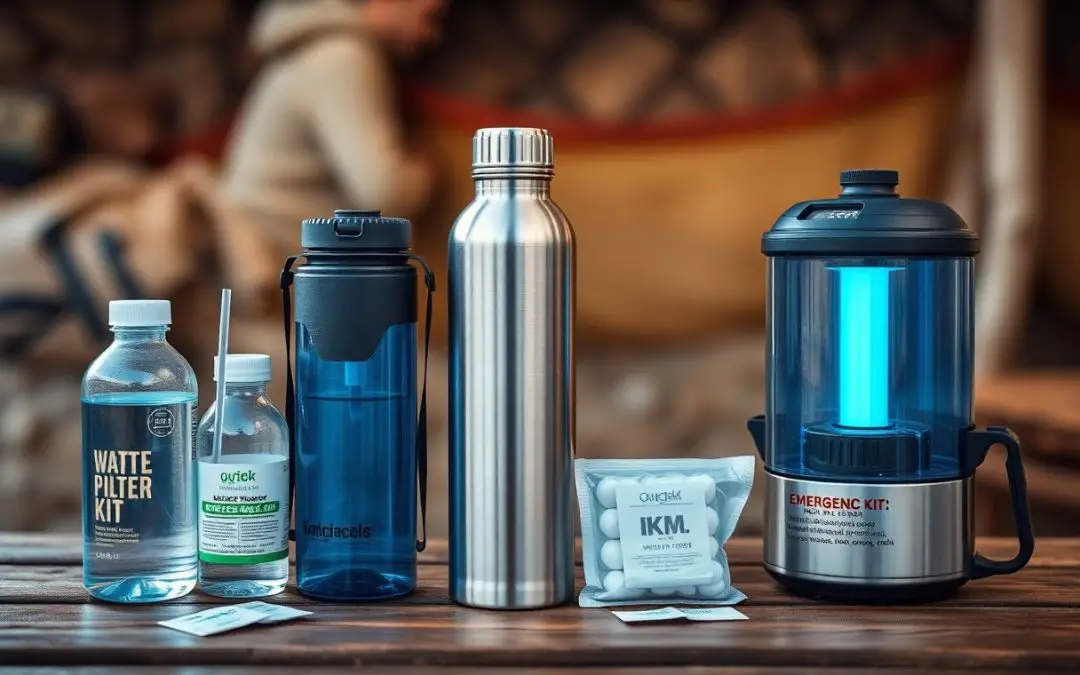
Emergency situations demand reliable water sources, making effective purification methods necessary for your survival kit. When faced with contaminated water, knowing the best techniques will ensure you have access to safe drinking water. This guide will explore various purification methods, helping you identify which are most suitable for your needs, whether you’re preparing for natural disasters, camping trips, or other unforeseen events. Equip yourself with the knowledge to safeguard your health and well-being in any crisis.
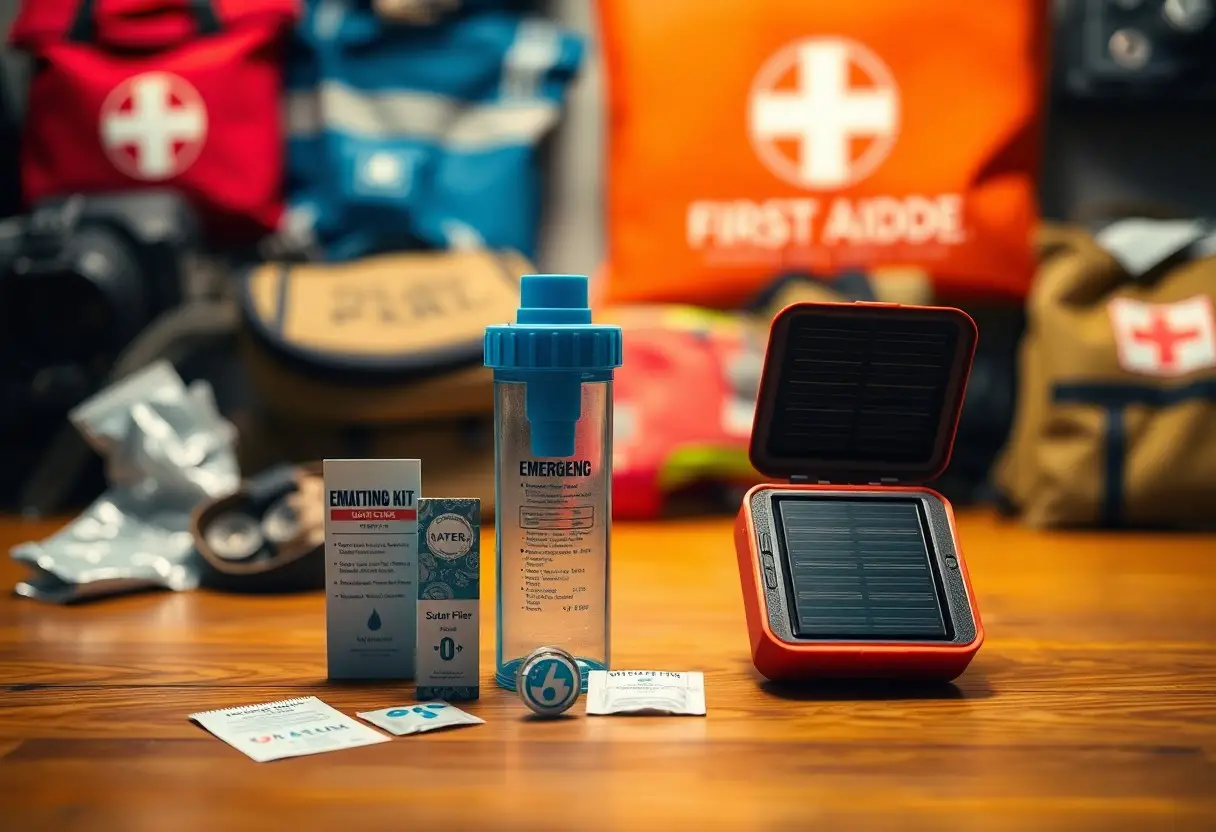
Importance of Water Purification in Emergencies
In emergencies, access to clean water can be compromised, making water purification necessary for your safety. Contaminated water sources may lead to various health problems, and understanding effective purification methods is vital to ensure your survival. Ensuring you have the right tools and knowledge to purify water can make the difference between safety and serious illness.
Understanding Water Contamination
Water sources can become contaminated by various pollutants, including bacteria, viruses, parasites, chemicals, and heavy metals. These contaminants can originate from agricultural runoff, sewage leaks, or natural disasters, making it imperative to assess your water source. The presence of pathogens or toxins can pose significant health risks, underlining the necessity of purification methods in your emergency preparations.
Health Risks of Contaminated Water
Contaminated water can lead to severe health risks, including gastrointestinal illnesses, cholera, dysentery, and even long-term conditions from chemical exposure. Symptoms may range from mild diarrhea to life-threatening dehydration, particularly in vulnerable populations such as children and the elderly. Unsafe water can harbor pathogens that multiply rapidly, causing large outbreaks in disaster scenarios.
Contaminated water impacts health significantly. For instance, according to the World Health Organization, approximately 2 billion people globally use a drinking water source contaminated with feces, leading to an estimated 485,000 diarrheal deaths each year. Pathogens found in unsafe water can quickly spread, exaggerating the emergency. Therefore, ensuring effective water purification methods are part of your emergency kit is fundamental to minimizing these health risks.
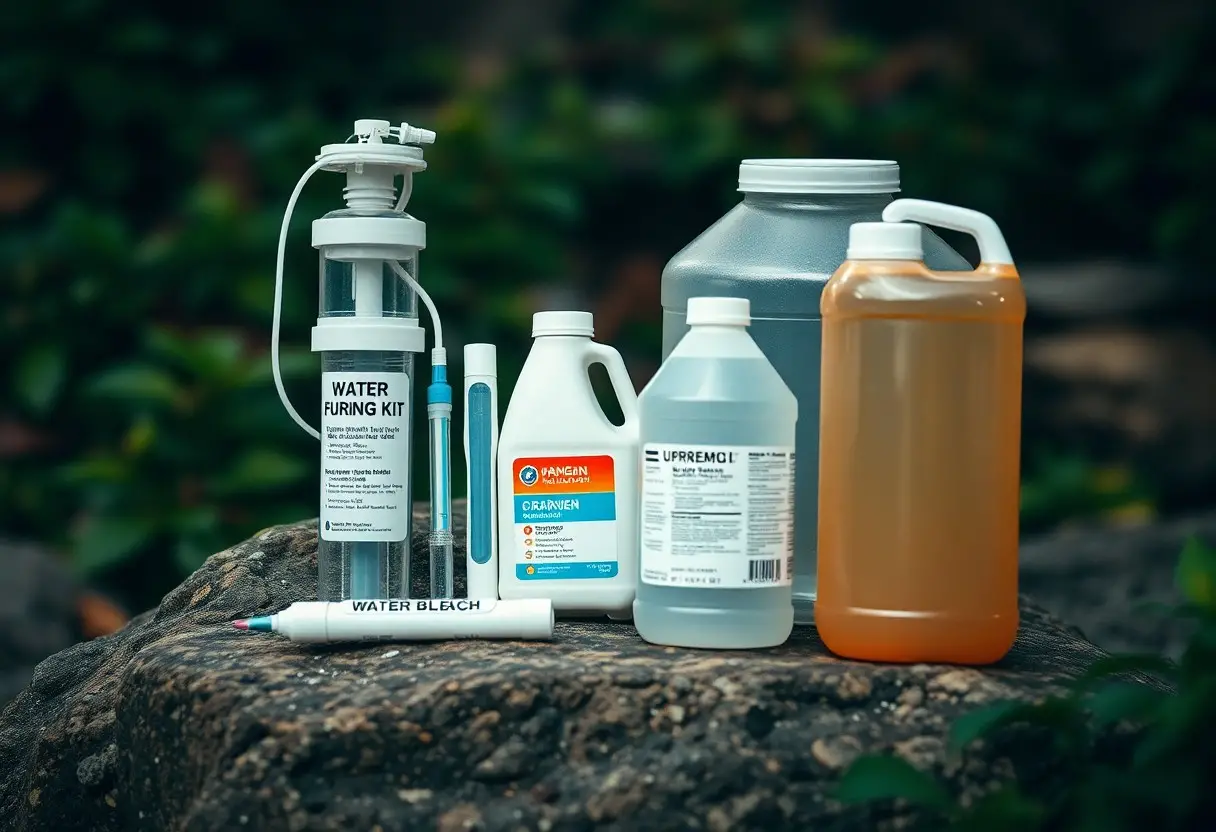
Common Water Purification Methods
Understanding various water purification methods ensures you are prepared for emergencies. Each method has its advantages and limitations, depending on the resources available and the type of contaminants present in the water supply. By familiarizing yourself with these methods, you can choose the most effective solution for your specific situation.
Boiling
Boiling water is one of the simplest and most effective methods for purification. By heating water to a rolling boil for at least one minute, you eliminate harmful microorganisms, including bacteria, viruses, and parasites. This method is reliable and requires no special equipment, making it accessible in various scenarios.
Filtration Systems
Filtration systems vary widely, from simple gravity filters to complex reverse osmosis units. They physically remove contaminants and can improve water taste. Portable filters often use activated carbon or ceramic elements to reduce specific impurities, allowing for versatile applications during emergencies.
For your emergency kit, consider a portable water filter with a high flow rate and effective removal capabilities for bacteria, cysts, and larger sediments. Brands like Sawyer and Berkey offer options designed for outdoor settings and emergency preparedness, giving you peace of mind with each sip.
Chemical Purification
Chemical purification involves using substances such as chlorine or iodine to disinfect water. These chemicals are effective against a range of pathogens but require specific contact times before the water is safe to drink. Proper dosing is vital to ensure safety and effectiveness.
For emergencies, using iodine tablets or chlorine dioxide drops can be practical. Follow manufacturer’s instructions carefully, as improper use may result in inadequate purification. It’s also worth noting that chlorine-based methods can leave a taste, which may be undesirable in larger quantities.
UV Light Treatment
UV light treatment is an innovative method that uses ultraviolet rays to neutralize pathogens in water. This process disrupts the DNA of bacteria, viruses, and other microorganisms, making them unable to reproduce and cause disease. Portable UV purifiers can be a valuable addition to your emergency kit.
To use UV light treatment effectively, ensure the water is clear, as turbidity can hinder its effectiveness. Devices like the SteriPEN quickly purify a liter of water in minutes, making it an efficient option when time is critical. However, keep in mind that UV light does not remove chemical contaminants, so it’s best used in conjunction with other methods.
Choosing the Right Method for Your Kit
Selecting the appropriate water purification method for your emergency kit depends on various factors, including your specific needs, environmental conditions, and available resources. Each method has its own advantages, and understanding these will help you make an informed decision that best suits your situation.
Factors to Consider
When assessing water purification methods for your kit, consider the following elements:
- Volume of water you need to purify
- Type of contaminants you expect
- Available space and weight restrictions
- Time and effort you can devote to purification
Any method you choose should align with your preparedness goals.
Recommended Products
Some highly recommended products for water purification include portable filters, chemical tablets, and UV purifiers. Popular choices like the Sawyer Mini Filter, Aquatabs, and SteriPEN Ultra are easily packable and effective against a range of contaminants.
Each of these products is designed for specific scenarios. The Sawyer Mini offers a lightweight filtration option that’s perfect for backpacking. Aquatabs provide a simple chemical solution, ensuring water safety with minimal effort. For those prioritizing speed and convenience, the SteriPEN uses UV light to eliminate pathogens quickly. Evaluating your personal needs will help you choose the best fit for your emergency toolkit.
Safety Tips and Best Practices
To ensure the effectiveness of your water purification methods during emergencies, adhere to the following safety tips and best practices:
- Always use water from a reliable source when possible.
- Keep your purification equipment stored in a clean, dry place.
- Thoroughly clean your water storage containers before use.
- Be mindful of expiration dates on purification tablets and filters.
- Familiarize yourself with your purification method before an emergency occurs.
Any missteps in preparation can compromise your access to safe drinking water.
Storage of Purified Water
Store purified water in clean, food-grade containers that are tightly sealed to prevent contamination. Ideally, you should keep the containers in a cool, dark place to maintain water quality and avoid algae growth. If possible, label the containers with the date of purification and regularly rotate your water supply to keep it fresh.
Regular Maintenance of Purification Methods
Ensure your purification methods function effectively through regular maintenance checks. Filters should be replaced as specified by the manufacturer, while UV lights and solar purifiers require timely charging or battery replacements to operate efficiently. Familiarize yourself with each method’s maintenance procedures to avoid failures during critical situations.
Regular maintenance of purification methods can greatly enhance reliability during emergencies. For instance, failing to clean filters can lead to reduced flow rate and ineffective purification. Regularly inspect your equipment, noting any wear or damage, and keep a checklist to track maintenance tasks. This proactive approach will significantly reduce the risk of contamination and ensure safe water is readily available when you need it most.
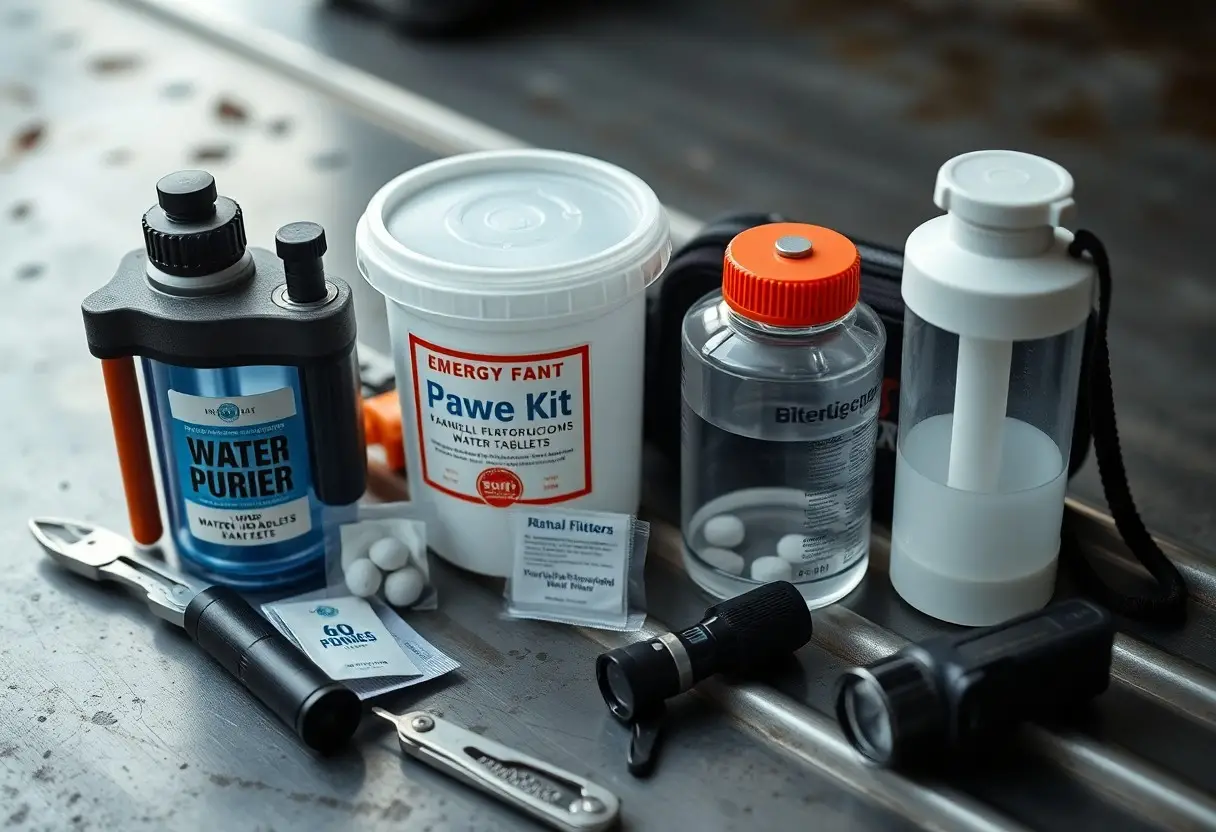
Alternative Water Sources in Emergencies
During emergencies, you might need to look beyond your usual tap water for hydration. Natural sources like rivers, lakes, and even rainwater can provide alternative water sources. Ensure you assess these sources for proximity and accessibility while considering safety and contamination risks before utilizing them for drinking purposes.
Identifying Safe Water Sources
To identify safe water sources during an emergency, examine water clarity and odor. Clear, flowing water from streams or rivers is generally safer than stagnant ponds, which can harbor harmful bacteria. Always be wary of contamination near industrial areas or agricultural runoff, and avoid taking water from sources that appear polluted.
Methods for Collecting Water
Water can be collected using various methods, including direct collection from surface sources, rainwater harvesting, and utilizing natural filters. For instance, runoff from roofs can be diverted into containers, while layering clothing, leaves, or sand over a container can help filter dirt and debris from collected water.
When collecting water, ensure you use clean containers to avoid contamination. Gather water during rainstorms by placing buckets or tarps to catch runoff. For rivers and streams, use a scoop or cup method to take water, avoiding the riverbed where sediments may settle. If you plan to collect rainwater, ensure your collection surfaces are clean and free from chemicals. Efficiently collecting water means maximizing your resources and ensuring you have enough hydration available during emergencies.
To wrap up
Now that you are informed about the best water purification methods for your emergency kit, you can make confident choices to ensure access to safe drinking water when needed. Whether you choose a portable water filter, purification tablets, or UV light systems, incorporating these reliable options will enhance your preparedness. Regularly check and update your emergency kit to maintain their effectiveness. By prioritizing water purification, you protect your health and ensure you can respond effectively to any situation.


