
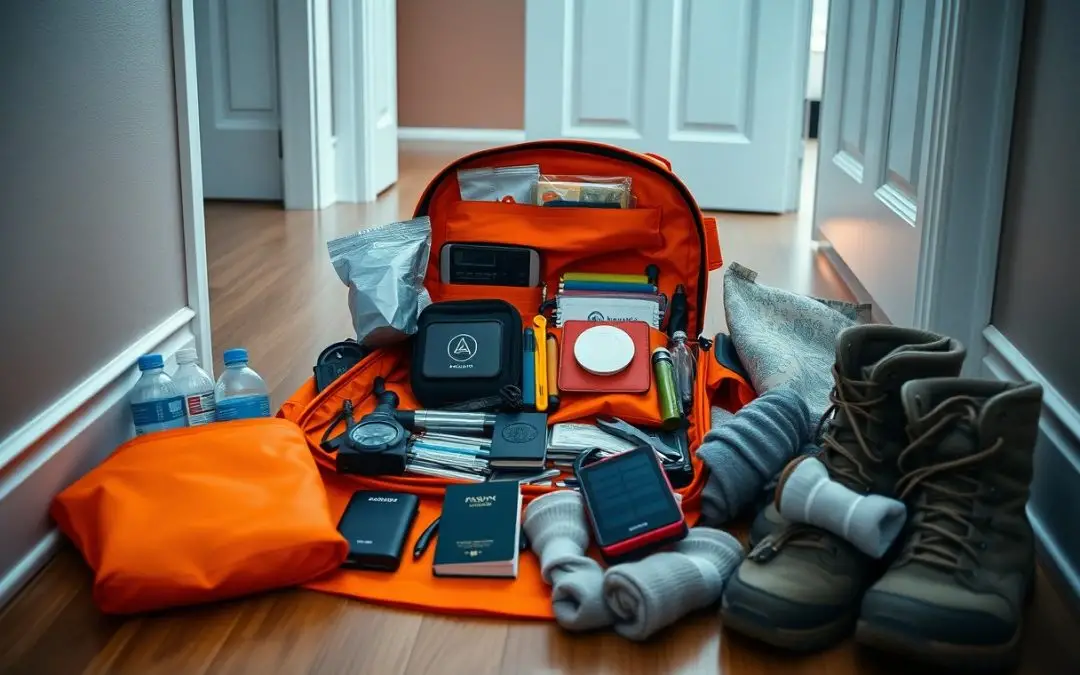
Most emergencies give you little notice, so your go bag should provide immediate shelter, warmth, water, and first-aid supplies; include copies of your identification and important documents, a multi-tool, emergency cash, personal medications, a flashlight with extra batteries, a portable charger, and compact food options to keep you mobile and self-sufficient until help arrives.
Understanding the Importance of a Go Bag
When evacuation orders come, you may have 10-30 minutes to leave; your go bag supplies should cover at least 72 hours (FEMA recommends a three-day kit). You need items that sustain water, food, warmth, medications, and documentation so you can move quickly, maintain health, and communicate while routes or services are disrupted.
Why You Need a Go Bag
You rely on a compact kit so you can act without thinking: a 72-hour supply of water (1 gallon per person per day), ready food, a basic first-aid kit, copies of ID/insurance, prescription meds, and a charged power bank. Having these items reduces stress, speeds evacuation, and keeps you operational when shelters, roads, and networks are overloaded.
Types of Emergencies That May Require Evacuation
You face a range of hazards that force rapid departure: wildfires and industrial fires can give minutes’ notice, hurricanes often provide 24-72 hours, and floods or chemical releases can close roads for days. Planning for varied timelines and packing adaptable gear lets you respond whether you leave immediately or prepare to be displaced for several days.
- Wildfire – immediate, highly localized evacuations
- Hurricane – planned evacuation with 24-72 hours’ lead time
- Flood – variable, often hours to evacuate as water rises
- Earthquake – immediate displacement due to structural damage
- The chemical or hazmat incident requiring rapid exclusion zones
| Emergency | Typical notice / Pack focus |
| Wildfire | Minutes; prioritize N95 masks, grab-and-go documents, pets |
| Hurricane | 24-72 hours; include water for 72 hrs, cash, durable shelter |
| Flood | Hours; waterproof bags, boots, extra clothing, evacuation routes |
| Chemical spill | Immediate or shelter-in-place; gas masks, sealed bags, local alerts |
Looking at past events sharpens planning: the 2018 Camp Fire displaced 50,000+ people within hours, while Hurricane Ida caused widespread evacuation and prolonged power loss across multiple states. You should map two evacuation routes, store at least 72 hours of meds and water, and update your bag seasonally to match weather and family needs.
- Plan two exit routes and an out-of-area contact
- Rotate food and meds every 6-12 months
- Label gear for each family member and include pet supplies
- Practice a timed grab-and-go drill quarterly
- The bag should be accessible, visible, and ready near your main exit
| Tip | Action |
| Route planning | Store two evacuation routes and alternate meeting point |
| Medications | Keep a 7-14 day supply if possible and a copy of prescriptions |
| Communications | Carry a battery pack, spare SIM, written contacts, and a whistle |
| Documentation | Waterproof folder with IDs, insurance, and emergency plans |
Essential Items for Your Go Bag
Pack items that sustain you through the first 72 hours: shelter, warmth, water, food, and tools to stay mobile and safe. FEMA recommends a three-day supply, so include 3 liters of water per person per day, nonperishable food, a change of clothes, sturdy shoes, copies of IDs, local maps, cash, phone backup (10,000 mAh power bank), and a compact waterproof bag; rotate perishables every 6-12 months and test electronics quarterly.
Basic Survival Gear
Include a 200-500 lumen LED flashlight and headlamp with extra AA/AAA batteries, a full-size multitool, 50 ft of paracord, a Mylar emergency blanket, collapsible tarp, lighter plus waterproof matches, whistle, small folding shovel, and a compact solar charger. You should also carry a compass and paper map-GPS can fail-and a compact stove with one small fuel canister for warmth and boiling water when needed.
Food and Water Supplies
Plan for 3 liters of water per person per day (9 liters for 72 hours) and at least 2,000 kcal per adult per day from shelf-stable sources: MREs or freeze-dried meals, high-calorie bars (500-700 kcal each), peanut butter packets, and canned tuna with a manual can opener. Store water in sealed bottles plus a 2L collapsible bladder for refills.
Bring a Sawyer Mini or LifeStraw for on-the-go filtration and 20-30 Aquatabs or iodine tablets as backup; boiling for 1 minute at sea level (3 minutes above 2,000 m) is a guaranteed disinfection method. Rotate food annually, keep one metal cup and small pot for heating, and note special diets-infant formula, gluten-free, or diabetic snacks-so you can meet medical needs during evacuation.
First Aid Kit
Carry a waterproof kit with assorted adhesive bandages, sterile gauze pads, adhesive tape, antiseptic wipes, antibiotic ointment, tweezers, scissors, nitrile gloves, instant cold pack, burn gel, OTC pain relievers (ibuprofen, acetaminophen), antihistamine, oral rehydration salts, and a 3-day supply of prescription meds in original containers. Add a compact CPR mask and a tourniquet for severe bleeding.
Stock quantities like 10-15 assorted bandages, 4-6 4×4 gauze pads, two rolls of tape, and 10 antiseptic wipes; include a SAM splint, hemostatic dressing (e.g., QuikClot), and epinephrine auto-injector if you have severe allergies. Store the kit in a labeled waterproof pouch, check expiration dates every 6 months, and complete a basic first aid and Stop the Bleed course to use supplies effectively.
Important Documents and Identification
You should assemble a compact file of originals and certified copies that lets you prove identity, access funds, and receive aid within the first 72 hours of an evacuation. Include both physical and digital versions so you can show a driver’s license or passport at shelters, provide insurance policy numbers for claims, and confirm household members during reunification efforts.
What Documents to Include
Pack a driver’s license or passport, birth and marriage certificates, Social Security card, current insurance policies with policy numbers, mortgage or deed, vehicle title, recent tax returns (last 2 years), bank account and credit card numbers, medication list and prescriptions, medical records or vaccination cards, emergency contacts, and pet records; also carry a recent family photo and a USB drive with encrypted scans.
How to Protect Your Documents
Use a waterproof, tear‑resistant pouch and a small fire‑resistant box or safe for originals, and keep encrypted digital backups on a password‑protected USB and a secure cloud service with two‑factor authentication; access control and physical protection together reduce risk of loss, theft, or water damage during floods or structural fires.
Scan documents at 300 dpi into searchable PDFs, encrypt files with AES‑256 or use a reputable password manager that stores documents, and maintain at least two offsite copies-one cloud and one physical USB in a different location (trusted friend, bank safe deposit). Label files clearly (e.g., “ID_2025.pdf”) and update annually or after major life events to keep information current for claims and reunification.
Clothing and Personal Items
Select clothing and personal items that keep you mobile and sanitary for at least 72 hours: compact layering pieces, a waterproof shell, two pairs of socks, sturdy footwear, and a small hygiene kit stored in a waterproof pouch. Include spares for children or elders and label critical items for quick retrieval during an evacuation.
Suitable Clothing for Evacuations
Pack layers: one moisture-wicking base, a warm mid-layer (fleece or lightweight down), and a breathable waterproof shell. Add two pairs of wool or synthetic socks, one pair of durable waterproof boots, a hat, and gloves. Aim for three days’ worth of underwear and one extra change of pants; synthetic and merino fabrics dry faster than cotton.
Personal Hygiene Supplies
Include a toothbrush, toothpaste, biodegradable soap, hand sanitizer (≥60% alcohol), 20-30 disinfecting wipes, travel towel, and feminine products for at least three days. Add contact lens solution or spare glasses, a small roll of toilet paper, and a compact first-aid toiletry kit; keep everything in a clearly marked waterproof pouch.
Organize toiletries in resealable bags to prevent leaks and speed distribution; for infants pack 24-36 diapers and pre-measured formula for 72 hours. Bring waste-disposal bags, a menstrual cup or extra pads, and a 7‑day supply of any toileting medications. After major storms, shelters commonly report shortages of feminine and infant supplies-bringing extras can help you and others in need.
Communication and Navigation Tools
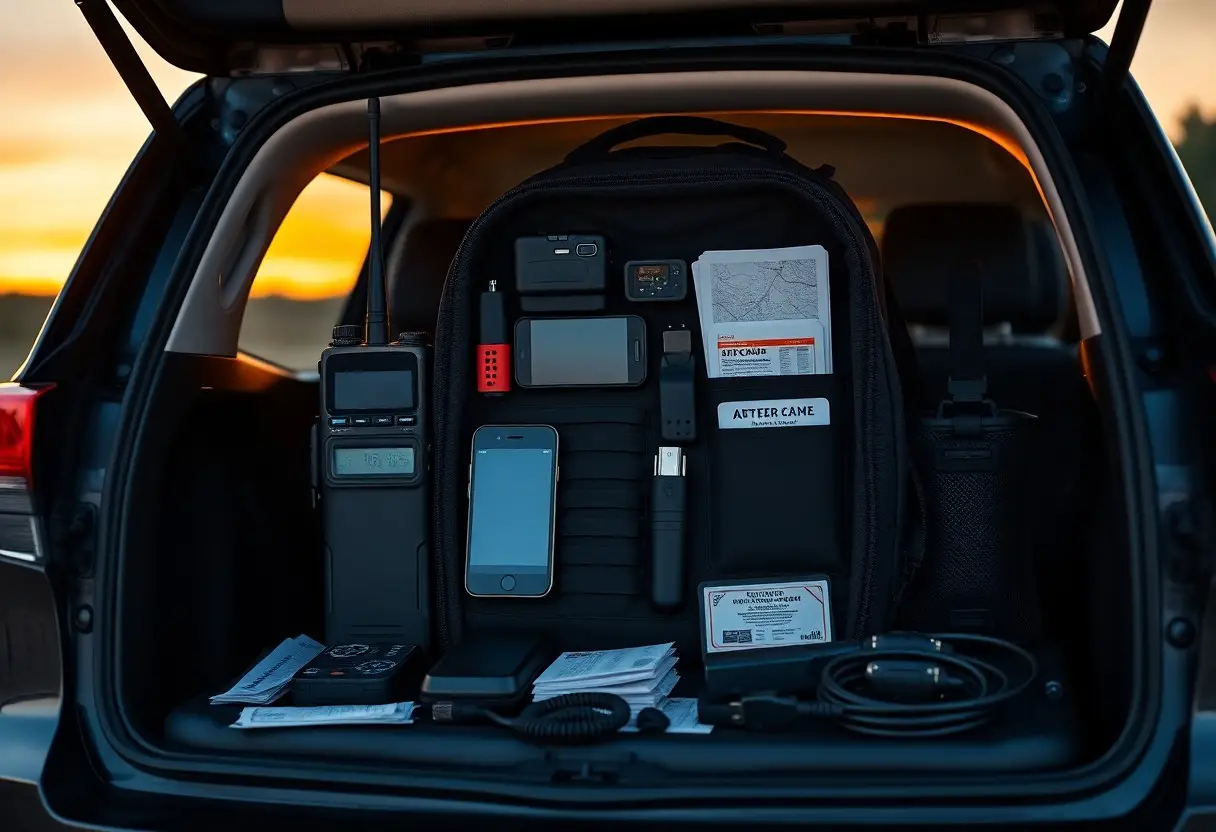
Carry redundant comms and navigation so you can reach help and find routes when cell service drops; a NOAA weather or hand-crank radio, a smartphone with offline maps, a 20,000mAh power bank and a 10-20W foldable solar panel, plus a compact compass and local paper maps will keep you oriented and connected through the first 72 hours.
Recommended Devices
For reliable options, choose a satellite messenger like Garmin inReach Mini or ZOLEO so you can send two-way texts and trigger SOS, a NOAA weather/AM-FM hand-crank radio, an Anker 20,000mAh power bank with USB-C output, a 10-20W foldable solar panel, and a compact dual-band handheld radio (GMRS/FRS or licensed HAM) with spare batteries and charging cables.
Keeping Your Contact Information Updated
Store a waterproof, printed contact list plus an encrypted cloud copy that includes full names, relationships, multiple phone numbers (with country codes), emails, and preferred meeting points; label files clearly (e.g., “GoBag_Contacts_v1.pdf”) and update them after moves, job changes, or at least every three months so your contacts stay reachable.
Include at least three geographically dispersed contacts (local family, out-of-state friend, coworker), add secondary contacts for pets and utilities, and note medical/allergy info; save the list as a vCard and PDF, generate a QR code for quick access, enable ICE/Medical ID on your phone, test numbers quarterly by sending a quick message, and keep a laminated copy in your go bag plus an encrypted cloud backup accessible offline.
Updating and Maintaining Your Go Bag
Regular Checks and Updates
Schedule a routine inspection every six months: check food and water expiration dates, rotate perishables, replace batteries annually, and test electronics like your headlamp and NOAA radio. Update prescription supplies after refills and swap seasonal clothing-insulate for winter, lighter layers for summer. After any major life change (move, baby, new pet) revise document copies and contact lists so your bag stays operational for the next 72 hours or longer if needed.
Customizing for Family Needs
Assign each family member a personal kit and keep a shared family kit with group items; include infant formula for 72 hours, two days’ worth of diapers, a week’s worth of adult prescription meds or a 7-day emergency supply, spare glasses, and copies of school IDs. Label packs with names, allergy notes, and an emergency contact sheet to speed reunification and care.
Also create a med-summary page listing dosages, prescribing doctor, and pharmacy phone number, and store it in a waterproof sleeve; pack small comforts for kids (one toy, favorite blanket) and mobility aids for seniors, plus $100 in small bills and duplicate house and car keys to avoid delays during evacuation.
Final Words
Following this checklist ensures you have necessary items-water, food, medications, important documents, clothing, communications gear, and basic tools-so you can evacuate quickly and maintain safety and comfort. Regularly update and personalize your bag for family needs, mobility or pet considerations, and practice grab-and-go drills so your response becomes instinctive when time is limited.


