
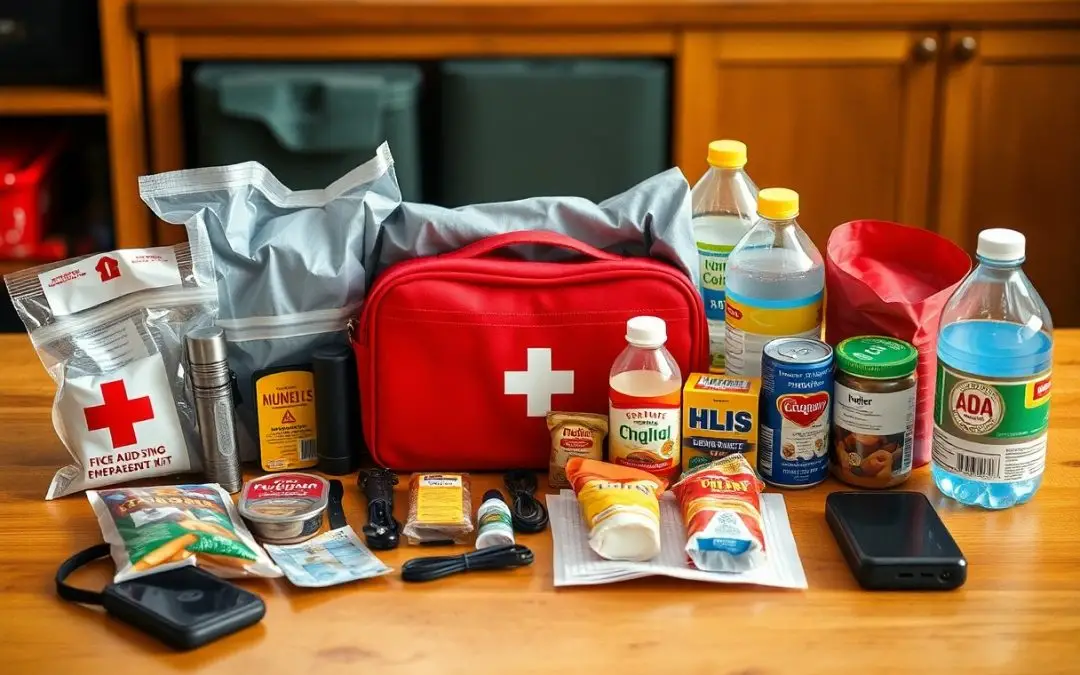
Many people overlook the importance of having the right gear for emergency situations, potentially putting themselves at risk when disaster strikes. You need to be equipped with important tools and supplies that can help you respond effectively and ensure your safety. This guide will provide you with valuable insights on the must-have items for your emergency kit, so you can confidently face unexpected challenges and safeguard your well-being.

Essential Gear for Every Emergency Scenario
Emergency situations demand preparedness, and the right gear can make all the difference. Having versatile equipment that caters to various scenarios—be it natural disasters, medical emergencies, or survival situations—ensures you are ready to face the unexpected. Stocking your supplies strategically empowers you to act swiftly, provide aid, and maintain safety until help arrives.
Must-Have Items: A Basic Survival Kit
A basic survival kit should include water purification tablets, a multi-tool, a flashlight with extra batteries, first aid supplies, a whistle, and non-perishable food items. These vitals provide a foundation for handling most emergency situations. Additionally, consider items like duct tape, lighter matches, and a portable phone charger, which can offer extra versatility and support.
Tailored Gear: Adapting to Your Specific Needs
Your preparedness strategy should reflect your individual circumstances and environment. Assess your local risks—such as earthquakes, floods, or hurricanes—to identify specific gear you may need. For instance, if you live in a severe weather area, a weather radio would be vital, while urban dwellers might prioritize self-defense tools or personal safety devices.
Taking into account your lifestyle and personal health requirements is key. If you have young children, include age-appropriate items like baby formula or a special blanket. For individuals with medical conditions, ensure your kit contains necessary medications and documentation. Tailored gear maximizes your readiness and comfort during emergencies, equipping you to address not just general situations, but also your unique challenges effectively.
The Psychological Impact of Being Prepared
Being prepared for emergencies does more than ensure physical safety; it significantly affects your mental well-being. The act of preparing generates a sense of control, reducing anxiety and fear. When you know you have the right tools and strategies in place, you develop a mindset that embraces resilience, equipping you to face uncertainties with a clear perspective.
Confidence and Decision-Making Under Pressure
Your confidence during a crisis hinges on your level of preparedness. Familiarity with your gear and planned responses allows you to make quick, informed decisions when time is critical. This readiness not only boosts your self-assurance but also enhances the likelihood of effective outcomes in emergency situations.
Mental Resilience: Building a Preparedness Mindset
A preparedness mindset fosters mental resilience, allowing you to adapt and thrive even in the face of adversity. By regularly engaging in drills and scenarios, you train your mind to respond calmly under pressure, making you more resourceful and effective when challenges arise.
Building a preparedness mindset involves embracing continuous learning and adjustment. Regularly reviewing your emergency plans and participating in community preparedness programs can enhance your confidence. Studies show that individuals who see preparedness as an ongoing process are more likely to cope effectively in emergencies. Engaging in discussions with friends or family about strategies in various scenarios further solidifies your approach, ensuring that you not only feel prepared but actually are prepared for whatever might come your way.

The Role of Technology in Emergency Preparedness
Leveraging technology enhances your ability to prepare for and respond to emergencies effectively. From advanced communication tools to innovative equipment, tech advancements have transformed how you can manage crises. Utilizing the right devices and applications not only boosts your readiness but also improves your situational awareness, ensuring that you are equipped to handle any scenario that arises.
Apps and Gadgets that Enhance Readiness
Numerous apps and gadgets are designed to support your emergency preparedness. Smartphone applications like FEMA’s app provide alerts about local emergencies and safety tips, while gadgets like portable battery chargers ensure that your devices stay powered during a crisis. Integrating these technologies into your emergency plans equips you with the tools needed to respond swiftly.
The Importance of Staying Informed: Real-Time Updates
Access to real-time updates can significantly affect your emergency response. Information on weather alerts, local hazards, or evacuation routes keeps you one step ahead. Utilizing technology such as emergency radio receivers or reliable news apps ensures you have the latest updates at your fingertips, allowing you to make informed decisions quickly.
Staying informed through real-time updates not only improves response times but also enhances your overall safety during an emergency. Apps like the Red Cross Emergency app deliver timely alerts tailored to your location, while NOAA Weather Radio broadcasts critical weather information. The ability to receive instantaneous updates means you can adapt your plans based on the latest developments, such as changes in storm paths or emergency declarations. This proactive approach minimizes risks and maximizes your preparedness, ensuring you are always ready to act when it matters most.
Practical Steps for Assembling Your Emergency Kit
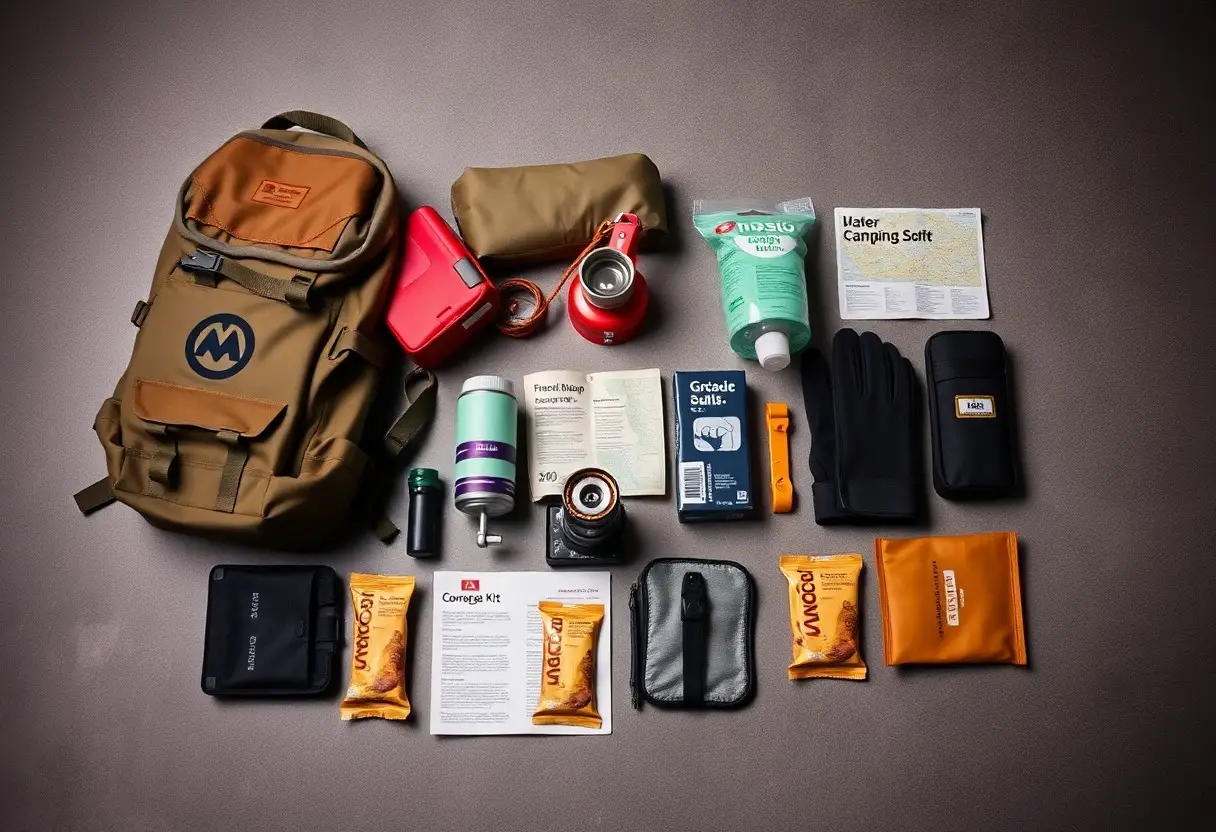
Assembling an effective emergency kit involves more than simply gathering items. Start by evaluating your needs based on potential threats in your area, whether natural disasters or other emergencies. Aim to include at least three days’ worth of supplies for each person in your household, ensuring you have crucials such as water, non-perishable food, a flashlight, and a first-aid kit. Customizing your kit for unique needs, such as medications or special dietary requirements, is also crucial. Regularly review and update your kit as necessary to maintain readiness.
Inventorying Your Supplies: What to Keep and Replace
Conducting a thorough inventory helps you identify what supplies you have and what needs replacement. Check expiration dates on food and medications, as many items in your kit have limited shelf lives. Keep a detailed list of the items in your kit and when they were last reviewed. Prioritize replacing expired supplies immediately to maintain your kit’s effectiveness. Regular inventory checks, ideally every six months, can prevent last-minute scrambles during an emergency.
Creating an Accessible and Organized Storage System
Your emergency kit should be stored in a designated spot that’s easy to access. Use clear, labeled containers or bags to keep everything organized and visible. This ensures that in a stressful situation, you can quickly grab what you need without hesitation. Consider storing your kit in a location that is safe from environmental hazards, such as flooding or fire, but easy to reach. Organizing by category—such as food, medical supplies, and tools—can expedite the retrieval process.
An efficient storage system begins with choosing a location everyone in your household is aware of. Opt for a cool, dry place, ideally away from potential hazards. Each container should be labeled clearly, indicating contents like “First Aid,” “Tools,” or “Food Supplies.” Use color-coded bags or bins to enhance quick identification. To further streamline access, you might create an inventory checklist attached to the storage area, making it simple to track what’s inside and any supplies needing replenishment. This method not only enhances preparedness but also contributes to a sense of control and confidence during emergencies.
Building a Community of Preparedness
Enhancing your emergency preparedness efforts goes beyond individual actions; it’s about fostering a communal spirit. By cultivating a community focused on preparedness, you create a support system where resources, knowledge, and skills are shared. Collaboration can lead to the organization of local workshops or preparedness fairs, allowing individuals to learn from each other and strengthen community resilience in the face of emergencies.
Engaging with Neighbors: The Power of Local Networks
Connecting with your neighbors lays the groundwork for a robust preparedness network. Regular meet-ups or group discussions can cultivate relationships, allowing you to share experiences and pool resources. These connections not only enhance trust but also ensure that in times of crisis, you have a reliable group to turn to for support, information, or assistance in emergency situations.
Sharing Knowledge: The Importance of Training and Drills
Training and drills are important for effective emergency preparedness. Regular practice instills confidence and ensures that you and your community are ready to respond efficiently when an emergency arises. By participating in fire drills, first aid courses, or emergency response training, you sharpen your skills and empower those around you to do the same. Evidence shows that communities with frequent training exercises have significantly improved response times during real crises.
Organizing training sessions or drills can stimulate engagement and foster a sense of responsibility among community members. These events can range from simple emergency response workshops to complex simulations that mirror real-life scenarios. For example, a neighborhood might set up a communication plan for severe weather notifications, including roles such as runners or designated checking points. This practice not only ensures that everyone understands their responsibilities but also reinforces teamwork and community resilience. Incorporating various skill levels ensures that all individuals can contribute, enhancing collective readiness while building stronger ties among residents.
Final Words
On the whole, effective emergency preparedness begins with selecting the right gear tailored to your specific needs. Investing in high-quality equipment not only enhances your safety but also boosts your confidence during uncertain situations. By evaluating your environment and understanding potential risks, you can equip yourself with crucial tools that empower you to handle emergencies efficiently. Take the time to organize and familiarize yourself with your gear, ensuring you are ready to face any challenge that may arise.


