

With clear priorities and a checklist, you can build a compact go bag that covers basic needs and supports mobility during emergencies. Use your assessment of local risks, personalize supplies for health and pets, rotate perishables periodically, and practice access and evacuation drills so your preparedness becomes routine instead of stressful.
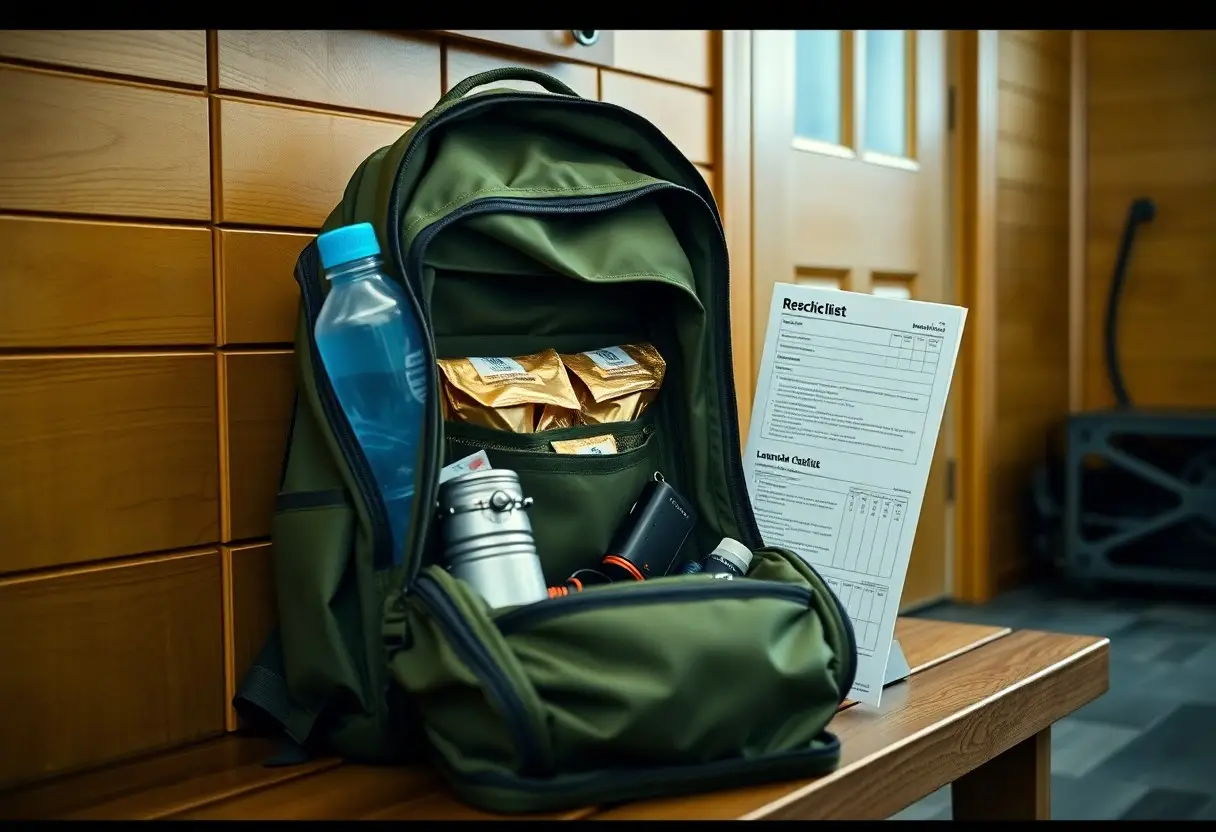
Understanding the Need for an Emergency Go Bag
When seconds count, having a go bag reduces decision-making under stress and lets you leave with importants already organized. FEMA recommends a minimum 72-hour supply per person; a compact kit keeps medications, IDs, cash, and small tools accessible so you can act fast. After the 2018 Camp Fire, people who grabbed prepared bags reached shelters faster and avoided dehydration and exposure.
Importance of Preparedness
Planning ahead lowers your stress and potential loss; rehearse a grab-and-go drill at least twice a year so you can assemble or check your kit in under five minutes. Keep copies of ID and prescriptions, $100-200 in small bills, a charged power bank, and basic first-aid items to bridge the first 48-72 hours when services often fail.
Common Emergencies to Prepare For
Different hazards demand tailored items: in wildfire zones include N95 masks and goggles, coastal areas need waterproof document bags and a whistle for flood rescue, and cold climates call for insulated layers and chemical hand warmers. You should factor in power outages, medical-device needs, and local threats like earthquakes, tornadoes, or flash floods when configuring quantities and container types.
If you live on the West Coast, add a sturdy helmet and a gas-shutoff wrench for earthquakes; wildfire-prone households should rotate masks every 72 hours and store fire-resistant items; flood zones benefit from sealed, elevated packing. For anyone with chronic conditions, maintain at least a 3-day medication supply, keep prescriptions accessible, and identify nearby shelters or facilities that can support medical equipment.
Essential Items for Your Go Bag
Aim for a go bag that supports you for 72 hours while staying portable; prioritize water, food, shelter, light, and medical needs, and keep total weight near 10-15 pounds so you can move quickly. Include a checklist and pack items in clear pouches for fast access; frequent drills will show which items you actually use and let you trim excess.
Food and Water Supplies
You should carry at least 1-3 liters of water per person for 24 hours and plan for purification options (filters or tablets) to extend that, plus calorie-dense foods: two to three 400-500 calorie energy bars per day, one freeze-dried meal, peanut butter packets, and a compact stove or fuel tabs if you expect to cook. Use a collapsible 1L bottle and a LifeStraw or Sawyer Mini for lightweight filtration backup.
First Aid and Medical Supplies
Pack a compact kit with 20 adhesive bandages, several sterile gauze pads, adhesive tape, antiseptic wipes, a trauma dressing, a tourniquet, hemostatic gauze, a SAM splint, tweezers, scissors, disposable gloves, basic OTC meds (ibuprofen, acetaminophen, antihistamine), and at least a 3‑ to 7‑day supply of any prescriptions in original containers. Include copies of prescriptions, allergies, and emergency contacts.
Also make sure you rotate medications every 6-12 months and note expiration dates for items like epinephrine (typically 12-18 months) and re-seal sterile supplies after inspections. You should take a basic first-aid and bleeding-control course so you can use tourniquets and hemostatic dressings confidently; practical skill beats theory during high-stress incidents.
Clothing and Shelter Essentials
You’ll want one complete change of clothes suited to your local climate: moisture-wicking base layer, insulating mid-layer (fleece or down), waterproof shell, spare socks (merino preferred), sturdy footwear, hat and gloves, plus a compact shelter such as a 2‑person tarp or ultralight tent and a Mylar emergency blanket or 20°F-rated sleeping bag if nights are cold. Prioritize packable, quick-dry fabrics.
For materials, choose wool or synthetic socks (wool holds warmth when wet; synthetics dry faster) and a shell with taped seams if you face heavy rain. Balance warmth versus weight by aiming for under 5 pounds total for clothing and shelter when possible, and test-fit layers in a practice overnight to confirm comfort and layering strategy.
Personalizing Your Go Bag
Tailor your go bag to your medical needs, climate and likely hazards; include a minimum 72-hour supply and one gallon of water per person per day as FEMA recommends. Factor ages and mobility-pack children’s formula, elder meds, and copies of prescriptions; prioritize multi-use items like a foil blanket and multitool to save space. For a family of four, plan for 12 gallons of water for three days or add purification tablets to reduce bulk.
Family Considerations
Assign one bag per person when possible and a shared family kit for items like photocopies of IDs, cash, and an emergency contact sheet. Pack a three-day supply of prescriptions, 6-12 disposable diapers for infants, two compact power banks, spare eyeglasses, and a comfort item per child to lower stress. Preprogram two out-of-area contacts into everyone’s phones so you can confirm locations when local networks fail.
Pets and Livestock Needs
You should keep a pet kit with a crate or carrier, three days of food and water, any medications, vaccination records, a current photo, leash, waste bags, and a collapsible bowl; microchip numbers and vet contacts belong on paper and in your phone. For livestock, include halters, at least three days of feed per animal, a trailer or evacuation plan, and a written inventory with photos to speed recovery and verify ownership.
Plan specific volumes: store three days of feed and 1-2 gallons of water per large animal per day, or secure portable tanks and hoses if hauling is impractical. Practice loading livestock into trailers to shave minutes during evacuation, inspect trailer tires quarterly, and keep copies of permits, brand photos and vaccination certificates accessible. Arrange mutual aid with neighboring farms or a local fairground as an overflow option if you must move animals quickly.
Organizing Your Go Bag Effectively
Efficient organization turns a packed bag into a usable kit under stress. You should sort items into categories-hydration, medical, shelter, tools, documents-and place highest-priority gear in accessible compartments. Rotate perishable supplies every 6 months, keep a 72-hour meds supply in a front pocket, and aim to keep the packed weight to roughly 20-25% of your body weight so you can move quickly.
Prioritizing Items
Start by listing absolute needs: water (one gallon per person per day), nonperishable food for 72 hours, a three-day supply of prescriptions, copies of ID/insurance, and a reliable light source (200-lumen flashlight or headlamp). Include a multitool, 50 feet of paracord, and emergency cash ($100-200) in small bills. Use a simple checklist taped inside the lid so you can verify priorities in under a minute.
Utilizing Space Efficiently
Pack heavy, bulky items close to your spine and near the top of the bag to maintain balance; place items you need immediately-meds, phone charger, flashlight-in external pockets. Use 1-2 compression sacks for clothing to cut volume up to 50%, and clear zip-top bags for small items so you can find them in seconds. Weigh your fully packed bag; aim for under 20 pounds if you must travel on foot.
Consider using a hydration bladder if you hike-place it against the back panel-otherwise store three 1-liter bottles upright to prevent leaks. Put electronics in a waterproof pouch with silica packets to control moisture, and keep medical supplies in a rigid, labeled pouch so you can administer care without digging. Arrange gear by task: immediate-access (first aid, light), mobility (maps, whistle), and overnight (sleep system, shelter). Test the pack on a one-mile walk and refresh perishable items every six months.
Regular Maintenance and Updates
Set a maintenance rhythm: check your bag every 3 months, rotate water and perishable rations annually, and inspect batteries and electronics every 6 months. Keep an inventory checklist inside the bag noting purchase and expiry dates. You should swap out medications before they expire, top up hygiene supplies, and test radios and headlamps. Use calendar alerts or a smartphone reminder to make this a habit rather than an emergency scramble.
Checking Expiration Dates
You should audit expiration dates for medications, epinephrine auto-injectors, saline, and OTC pain relievers at least quarterly; many auto-injectors and some prescriptions expire in 12-18 months. Canned goods often last 2-5 years but rotate older cans forward, and store water with replacement every 12 months. Mark replacements on your inventory sheet so you swap items before they become unusable.
Seasonal Adjustments
Adapt your pack for seasonal hazards: add insulated layers, hand warmers, a compact shovel, and an emergency bivvy for Oct-April in cold climates; swap in breathable, moisture-wicking clothing, a wide-brim hat, and two extra liters of water plus electrolyte tablets for hot months. Include N95 masks during wildfire season and a tarp or rainproof poncho ahead of storm seasons so your kit aligns with local risks.
Use a modular approach: keep season-specific items in labeled zip pouches (Winter, Summer, Storm) that you can swap in under 10 minutes. Store heavier winter items in your vehicle if you commute, and carry only crucials on foot; expect winter add-ons to add 1-2 kg. Test-pack combinations so boots, layers, and sleep systems still fit, and swap seasonal consumables during your regular inventory checks.
Creating a Go Bag Checklist
Use a checklist to shave minutes off your decision-making when you have to leave quickly; structure it by priority: life-sustaining items first, documents second, then comfort and tools. Keep it on one page, make the font legible in low light, and store a digital copy on your phone and in the cloud so you can access it if the paper is lost.
Comprehensive Item List
List your imperatives: water (plan 3 liters per person per day for 72 hours), nonperishable food for three days, prescription meds for 7 days with dosing copies, important documents (IDs, insurance, prescriptions), a flashlight with spare batteries, multi-tool, N95 masks, a first-aid kit, at least $100 cash, phone charger/power bank, a local paper map, and season-appropriate clothing.
Easy Reference Tips
Keep your list scannable: use checkboxes, bold quantities, and icons for each category; laminate a pocket copy and attach it to the bag. Update it every six months or after medication changes, and practice a 60-second grab drill so you can load the bag blind. Store a copy labeled “Go Bag” on your phone’s home screen for quick access.
- Group your items by use-hydration, food, meds, shelter-to avoid rummaging.
- Number the items in the order you would grab them during a rush.
- Knowing which items are perishable helps you rotate your supplies on a schedule.
If you use FEMA or Red Cross templates as a starting point, customize them for your household: list your children’s gear, pet supplies, and any mobility aids; add contact names with full phone numbers and an out-of-state contact. You can also include a photo of your bag’s packed layout so anyone can reproduce it in under two minutes.
- Keep a wallet-sized card with your allergies and meds for first responders.
- Use color-coded tabs for quick category recognition in low light.
- Knowing a photo of your packed bag can cut your packing time during a real event.
Conclusion
So you can assemble a practical emergency go bag without panic by focusing on important items, simple organization, and quick routine checks; prioritize water, light, first aid, copies of documents, and multipurpose tools, tailor contents to your needs, practice packing once, and keep things accessible so you act decisively when time matters most.


