
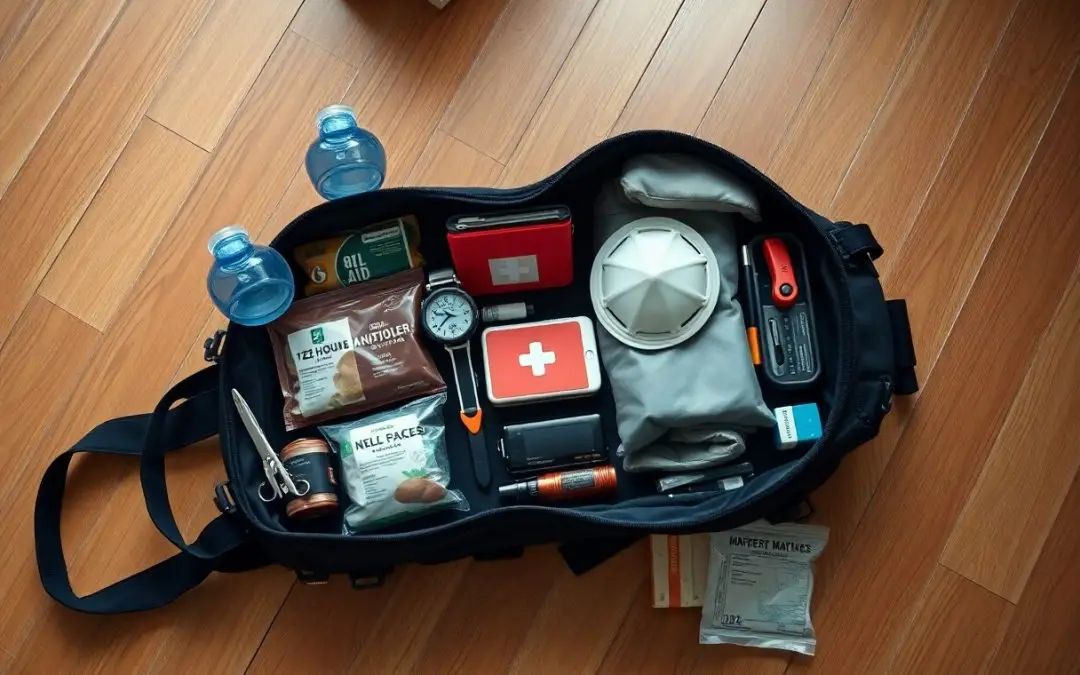
It’s vital that you maintain a go bag stocked with durable food, water, first-aid, lighting, and communication tools so you can act immediately when disaster strikes; regularly rotate perishable items, check batteries and expiration dates, adjust clothing and shelter gear for seasonal weather, and personalize supplies for pets, medications, and mobility needs to ensure your readiness all year.
Understanding the Go Bag
What is a Go Bag?
A go bag is a compact, grab-and-go emergency kit meant to sustain you for at least 72 hours; you should include water (1 gallon per person per day), three days of nonperishable food, a flashlight, a battery-powered radio, a basic first-aid kit, phone charger, and copies of IDs and insurance documents packed in a durable, weatherproof bag.
Importance of a Go Bag
When you must evacuate quickly, a properly stocked go bag cuts decision time and reduces exposure to harm; FEMA and the Red Cross recommend a 72-hour kit, and after events like Hurricane Sandy (2012) and recent California wildfires many without ready kits relied on strained shelter resources.
Tailor your bag to your needs: include prescription meds (at least a 7-day supply if possible), infant formula or pet supplies, a small amount of cash (at least $100 in small bills), and spare batteries; replace perishable items and check expiration dates every 6-12 months so your kit is ready when you need it.
Essential Emergency Supplies
Your go bag should cover shelter, light, power, tools, clothing, hygiene and important documents. Pack a compact emergency blanket and a lightweight sleeping bag or bivvy, a headlamp with 200+ lumens plus spare batteries, a multi-tool, duct tape, 50 ft of paracord, a small tarp, and a USB power bank (10,000 mAh) or solar charger. Keep a waterproof pouch with IDs, insurance info, and photocopies of prescriptions for quick access.
Food and Water
Aim for a 72-hour supply: one gallon of water per person per day, so a family of four needs 12 gallons for three days. Include canned proteins, ready-to-eat meals, and high-calorie energy bars (300-400 kcal each), plus two MREs or dehydrated meals and a small backpacking stove. Add a manual can opener, water-purification tablets, and a compact filter like a LifeStraw or Sawyer Mini for extended use.
First Aid Kit
Your kit should treat wounds, burns, sprains and allergic reactions. Include adhesive bandages, sterile gauze, adhesive tape, antiseptic wipes, antibiotic ointment, tweezers, disposable gloves, trauma shears, a digital thermometer, basic pain relievers, antihistamine, and an epinephrine auto-injector if prescribed. Also carry a written list of medical conditions, current prescriptions with dosages, and store the kit in a waterproof, clearly labeled container.
Stock specifics: 25 assorted adhesive bandages, eight 4×4 gauze pads, two rolled gauze, two rolls of medical tape, 20 antiseptic wipes, one tube antibiotic ointment, 20 ibuprofen/acetaminophen tablets, ten antihistamine tablets, two instant cold packs, trauma shears, tweezers, a SAM splint, CPR mask, four pairs of nitrile gloves, 100 mL sterile saline, and a seven-day backup of prescription meds. Check expirations every six months, replace used items, and keep the kit secured in an easy-to-reach, waterproof pouch attached to your bag.
Tools and Equipment
Prioritize lightweight, multipurpose items: a 12-inch folding shovel, 50 ft of 550 paracord, a 4-inch roll of duct tape, a 6×8 ft tarp, six stainless-steel tent stakes, work gloves, safety goggles, compact bungee cords, and a small sewing kit. You should target gear that supports shelter, on-the-spot repairs and mobility while keeping the added weight roughly between 5-7 lb so your bag remains truly grab-and-go.
Lighting and Power Sources
You should carry a 100-300 lumen USB-rechargeable headlamp plus a compact 200-lumen flashlight and 6-8 spare AA/AAA batteries. Pack a 10,000-20,000 mAh power bank and a 5-10W foldable solar panel for extended outages. Add a hand-crank emergency radio with NOAA alerts and spare CR123 or 18650 cells if your devices require them, ensuring at least one redundant power option for 72+ hours.
Multi-Tools and Repair Kits
Select a multi-tool with pliers, wire cutters, a 2-3 inch blade, Phillips and flat drivers, and a bit adapter-models like the Leatherman Wave or Victorinox SwissTool offer 15-20 functions. You should also pack a compact repair kit: 10 zip ties, a 6-ft roll of electrical tape, assorted screws/nails in a small container, two spare tent pole splints, and a sewing kit sealed in a waterproof bag.
When you deploy the multi-tool in the field, assess the failure first: use needle-nose pliers to extract bent staples, a bit driver to tighten loose screws, and the saw or file for small wood or plastic trims. For a snapped tent pole, splint with a 6-8 inch fiberglass splint or a trimmed drinking straw, bind with tape and three zip ties spaced about 2 inches apart. Maintain your tools by oiling hinges and testing blades every six months.
Personal Items
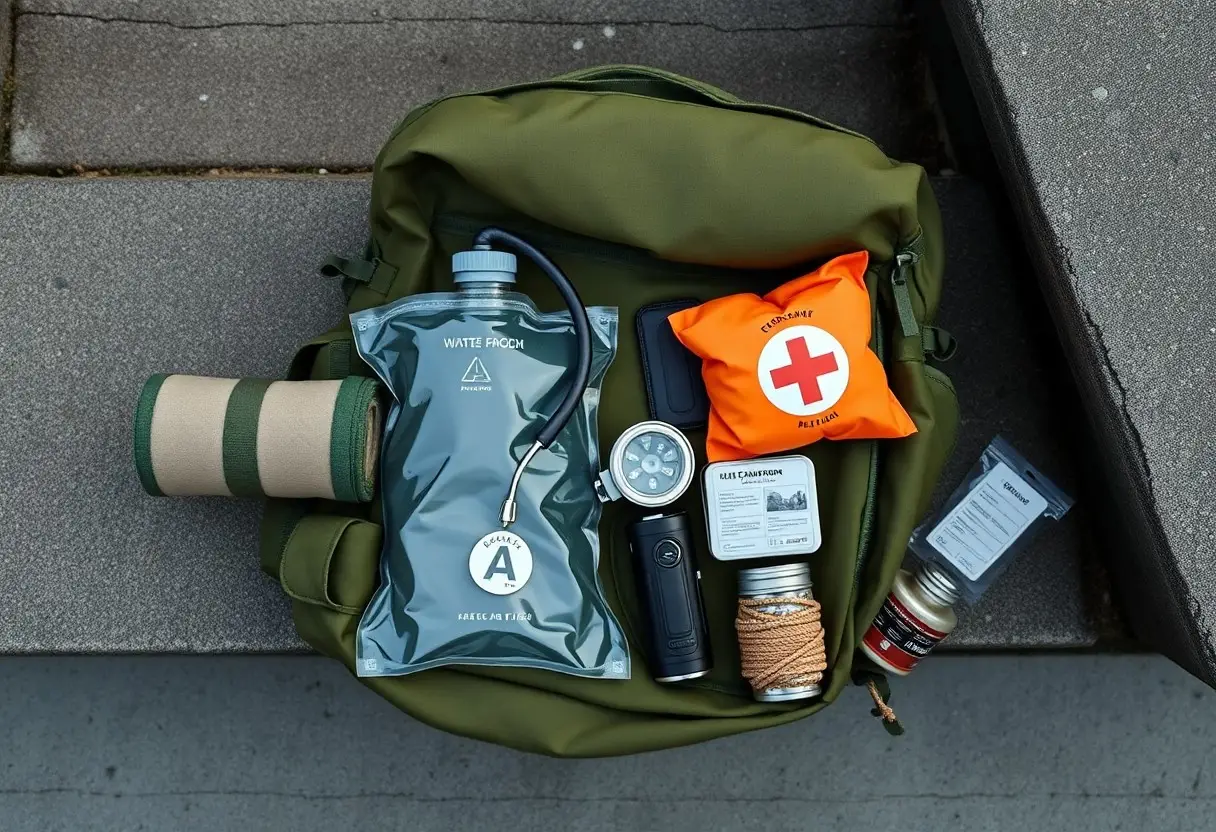
You should pack basic hygiene and daily-use items for at least 7 days: a 7-14 day supply of prescription medications with dosage notes, glasses or contact lenses with solution, feminine hygiene products, baby formula/diapers if applicable, and pet medications/food. Include a compact toiletry kit (toothbrush, toothpaste, soap, hand sanitizer) plus a spare phone charger and small first-aid items. Store sensitive items in a waterproof pouch and rotate medications every 3-6 months.
Clothing and Blankets
Pack 2-3 changes of clothing suited to your region: moisture-wicking base layers, an insulated mid-layer, a waterproof shell, and one pair of sturdy shoes or boots. Add 2-3 wool or synthetic socks, a warm hat and gloves, and a lightweight down jacket for cold climates. Include a mylar emergency blanket and a sleeping bag rated to the lowest expected temperature, compressed in a stuff sack to save space.
Important Documents
Keep physical copies and digital scans of IDs, passports, driver’s license numbers, Social Security card, insurance policies, mortgage/lease, vehicle titles, wills, and powers of attorney. Add a printed list of medications with dosages, allergies, bank account and insurance policy numbers, and emergency contacts with phone numbers and meeting points. Store originals or certified copies in a waterproof, fire-resistant pouch and keep an encrypted digital copy in the cloud.
Scan at 300 dpi into PDF/A, label files clearly (e.g., Passport_JohnDoe_2025.pdf), and encrypt with AES-256. Maintain an encrypted USB backup plus a cloud copy on a service with two-factor authentication (Google Drive, Dropbox, iCloud). Keep three backups across two locations, update after major life events or every six months, and grant emergency access via a password manager or a trusted contact to ensure you can retrieve records quickly.
Seasonal Considerations
Adapt your go bag for predictable seasonal shifts: swap heavy layers for lightweight options, change food and water stock every 6-12 months, and inspect batteries and meds at least twice a year. You should tag seasonal pouches (cold, heat, flood) so you can grab the right extras quickly, and tailor items to local hazards-coastal towns need waterproofing and sand-resistant filters, mountain communities need avalanche tools and traction aids.
Winter Supplies
Pack an insulated sleeping bag rated to at least 0°F (-18°C) if you live in snowy areas, two mylar emergency blankets, chemical hand warmers (10+ hours each), waterproof gaiters, a compact folding snow shovel and traction cleats (e.g., Yaktrax). Also include layered wool socks, mittens, a balaclava, and a small canister stove with fuel; lithium batteries perform better in cold, so prioritize them for flashlights and power banks kept inside your clothing to preserve charge.
Summer Supplies
Prioritize hydration-store one gallon (≈3.8 L) per person per day for at least three days-and include electrolyte packets, SPF 30+ sunscreen, a wide-brim hat, lightweight long-sleeve sun-protective clothing, and insect repellent with 20-30% DEET. Add a collapsible water container, a handheld misting fan or spray bottle, and shade options like a compact sun shelter or reflective tarp to lower ambient temperature quickly.
More detail: freeze gel ice packs and wrap them in a towel to create temporary coolers, carry a small insulated pouch for heat-sensitive meds (many degrade above ~30°C/86°F), and treat or carry permethrin-treated clothing to reduce tick and mosquito bites. Also monitor battery and electronics temps-exposure above 40°C (104°F) can damage cells-so ventilate devices and avoid leaving power banks in direct sun.
Maintenance Tips for Your Go Bag
Schedule inspections every 3-6 months to test lights, chargers, and radios, and to scan expiration dates on food and meds; replace batteries annually and rotate water and canned items every 6-12 months. Keep a dated inventory card inside the pack with item quantities and last-update dates, and pack backups like a small sewing kit or duct tape for quick repairs.
- Test electronics and batteries
- Rotate perishables every 6-12 months
- Update clothing seasonally
The habit of routine checks keeps your bag ready without surprises.
Regular Check-Ins
Conduct a focused quarterly check: turn on headlamps, plug in power banks to verify charge, open food cans to confirm seals and dates, and note any medication expirations within 30 days so you can refill early; log each action on your inventory sheet and set calendar reminders on your phone.
Updating Supplies
Rotate perishables on a 6-12 month cycle, replace alkaline batteries yearly, and swap seasonal clothing twice a year; update passports, IDs, and insurance copies as they renew and keep a fresh set of local-currency cash adjusted for current prices.
For example, pack 1-3 liters of water per person in a grab-and-go bag and rotate those bottles every 6-12 months, while storing larger family reserves separately. Replace AA/AAA batteries annually and follow device guidance for lithium cells; replace MREs and dehydrated meals per their 3-5 year shelf labels. Refill prescriptions at least 30 days before expiry and scan updated medical info and emergency contacts to your phone so you can access them if the physical copy is lost. The spreadsheet or dated inventory you maintain will cut update time in half.
Summing up
From above, you should maintain a compact go bag stocked with potable water, nonperishable food, a first-aid kit, layered clothing, reliable light and communication tools, multipurpose tools, and important documents; rotate perishable items, tailor gear to seasonal and medical needs, and check batteries and seals regularly so your bag is ready whenever disaster strikes.


