
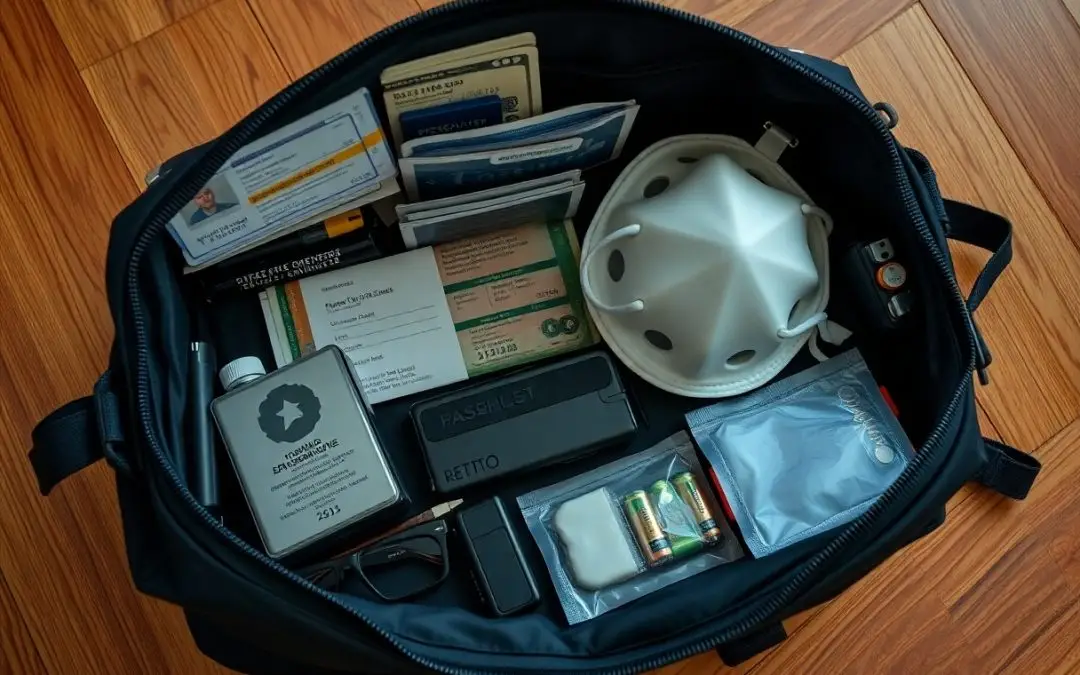
Overlooked necessarys like a compact multi-tool, portable phone charger with solar backup, extra prescription medication, local cash, and a hard copy of IDs and emergency contacts can determine how effectively you cope after a sudden evacuation; organize these items in accessible compartments and review them seasonally so your go bag truly supports you when disaster strikes.
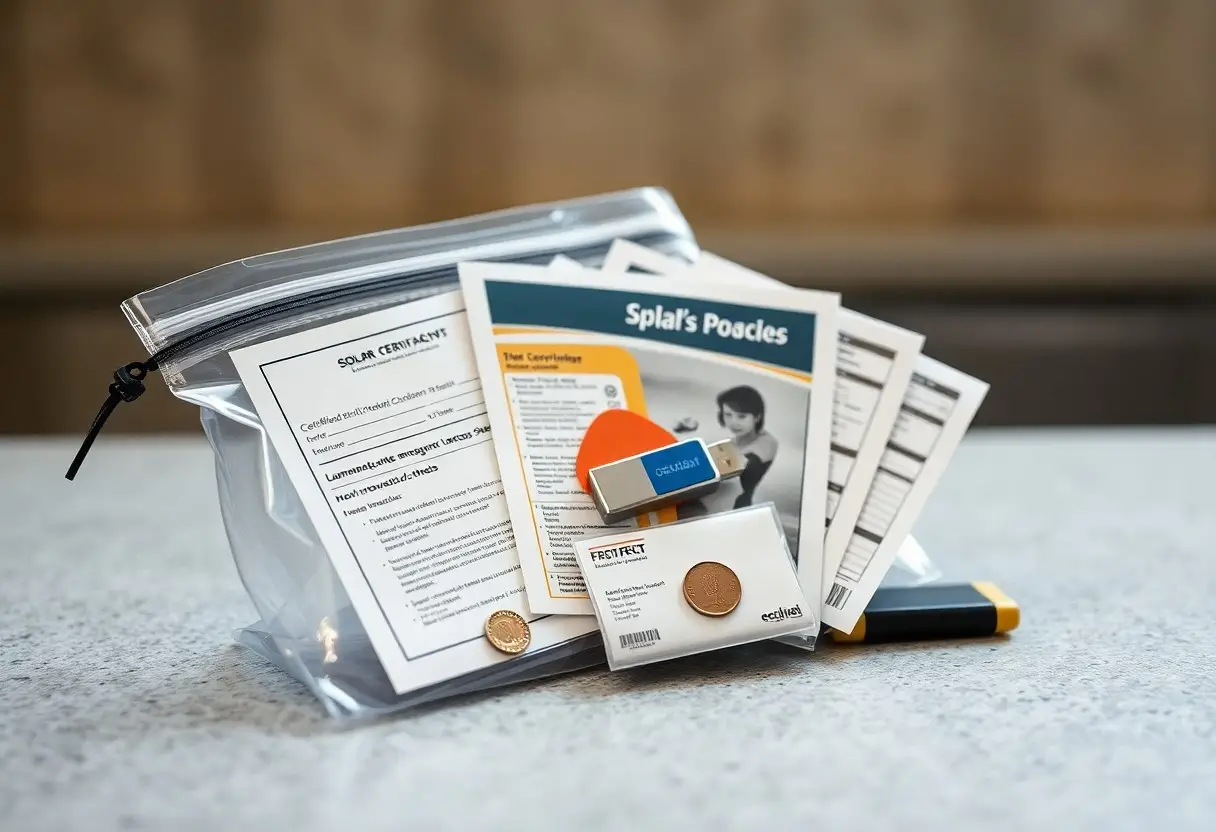
Essential Documents
Store photocopies and sealed digital backups of IDs, insurance cards, medical records, birth certificates, deeds and wills so you can access them under stress. Keep at least two sets: one tucked into your go bag and another with a trusted contact or safe-deposit box. Scan documents to an encrypted USB and cloud account (AES-256 or password‑protected PDFs), and update files every six months or after life events like marriage, childbirth, or a home purchase.
Identification
Carry a government photo ID (driver’s license or passport) and photocopies of your Social Security card and birth certificate so shelters and relief agencies can verify you. You should check expiration dates-passports and licenses commonly block aid if expired-and laminate a copy for durability. After major disasters such as Hurricane Sandy, evacuees without valid ID experienced delays accessing FEMA and relief services, so having both originals and copies speeds recovery.
Emergency Contacts
List at least three contacts: a local primary (spouse/roommate), an out‑of‑area family member, and a medical proxy, each with name, relationship, phone, and email. Put policy numbers and account logins next to contacts when relevant. Store this on paper (laminated card) and in an encrypted digital file; update the list every six months and after major changes in your household or health status.
Expand contacts to include utilities, insurance claims lines, your primary care physician and pediatrician, and your vet if you have pets-add policy numbers and claim hotlines where possible. Also include medication lists (name, dose, frequency) and allergies adjacent to emergency contacts so responders can act quickly. Keep one copy in your go bag, another with a trusted person, and an encrypted backup in the cloud for multi-point access.
Health and Safety Items
Include health and safety gear beyond food and water: a stocked first aid kit, personal medications, and PPE like N95 masks and nitrile gloves. Keep at least a 7-day supply of prescriptions and a paper list of dosages and doctor contacts. Store items in a waterproof bag and check expirations every six months to avoid unusable supplies during an emergency.
First Aid Supplies
Pack adhesive bandages (20+ assorted), sterile gauze pads (4×4, 2×2), adhesive tape (1 roll), sterile gloves (2 pairs), antiseptic wipes (10), antibiotic ointment, burn gel, tweezers, scissors, digital thermometer, and a CPR face shield. Add a compact first-aid manual and a basic suture/triangular bandage for limb support. Ideally you’ll take a Red Cross or local 8-hour First Aid/CPR course to use these effectively.
Medications and Prescriptions
Keep at least a 7-day supply of all prescription meds (30 days if you can), plus copies of prescriptions and a printed list of generic names, doses, prescribing doctor and pharmacy phone numbers. Store medications in a waterproof container with expiration dates visible, rotate stock every six months, and include pill organizers and spare inhalers or EpiPens where applicable so you can access life-sustaining doses immediately.
For chronic conditions pack disease-specific items: diabetics need insulin vials/supplies (replace open vials per manufacturer-often ~28 days), a glucose meter with extra batteries and 50+ test strips, and glucagon kit. Asthma sufferers should carry two rescue inhalers and spacers; severe-allergy patients need two EpiPens. Consult your pharmacist about emergency refill policies and ask for a 90-day supply or written emergency refill authorization to avoid gaps during disasters.
Food and Water
You should plan for at least 72 hours of food per person: pack calorie-dense bars, canned proteins, ready-to-eat meals, and a small camp stove plus fuel if you can safely use it. Aim for roughly 1,800-2,400 calories per adult per day, include a manual can opener, and prioritize items that tolerate heat and infrequent rotation so your pack stays reliable.
Non-Perishable Food
Choose items with long shelf lives and clear expiration tracking: canned tuna/chicken (2-5 years), freeze-dried meals (15-30 years), energy bars, and powdered milk. You should rotate supplies every 6-12 months, label purchase dates, and include a few comfort foods-coffee, chocolate, or instant soup-to maintain morale during extended outages.
Water Supply
Store at least one gallon per person per day for a minimum of three days, using sealed bottled water or food-grade containers; add a collapsible 5-gallon bladder for flexibility. Pack a compact filter (Sawyer Mini or similar) and purification tablets to stretch reserves when resupply is delayed, and keep containers in a cool, dark place.
You should replace bottled water every 6-12 months and avoid storing near chemicals or heat. For treatment, boil water for one minute (three minutes above 2,000 m), use chlorine dioxide tablets per instructions, or add 8 drops of unscented household bleach per gallon, mix and wait 30 minutes; if water is cloudy, double the dose. Filters like Sawyer, LifeStraw, or Katadyn remove bacteria and protozoa, extending your usable supply in the field.
Clothing and Shelter
Your go-bag should include layered clothing and a compact shelter: two base layers (one merino, one synthetic spare), an insulating mid-layer (200-400 g fleece or a 600-fill puffy), a waterproof-breathable shell rated ~10,000 mm, two pairs of wool socks, a hat and gloves, plus a packable tarp (8×10 ft), a poncho/tent stake kit, and a 1-2-person emergency bivvy or lightweight tent; these items add little weight but can extend survival from hours to days in exposed conditions.
Weather-Appropriate Clothing
You should use a three-layer system: a moisture-wicking base (merino or synthetic), a mid-layer for insulation (200-400 g fleece or a compressible 600-fill jacket), and an outer shell with a 10,000 mm waterproof rating and taped seams. Avoid cotton because it holds water and drops body temperature. Pack two complete outfits when possible – one for wet conditions and one for cold – and store garments in dry sacks so you can swap layers quickly during a sudden storm or unexpected overnight.
Emergency Blankets
Include both a lightweight Mylar space blanket (about 52×84 in, ~2-3 oz, reflects ~90% of radiant heat) and a more durable emergency bivvy in your kit if possible. Mylar excels for short-term heat retention and signaling but tears easily and traps moisture; a reusable bivvy or mylar-reinforced tarp provides better weather resistance and repeated use. Stow these items where you can deploy them in under a minute during roadside stops or wilderness emergencies.
Pair a Mylar blanket with an insulating pad – radiant reflection won’t stop conductive heat loss to the ground, so you should use a closed-cell foam pad (most weigh under 1 lb) to raise comfort and reduce hypothermia risk. Use the Mylar as an outer layer or inside a bivvy to reflect heat back, as a groundsheet, or as an improvised signaling mirror. Replace thin foil blankets after heavy use and opt for a mylar-backed bivvy if you expect repeated deployments.
Tools and Equipment
Beyond clothing and shelter, you should pack compact, multi-function gear that fixes common problems: 50 feet of Type III paracord, a roll of duct tape, a small folding shovel, a ferrocerium rod and lighter, a signal mirror, and a paper map with a magnetic compass since electronics can fail. Add zip ties, a waterproof notebook and a ballpoint that writes when wet to handle repairs, navigation notes, and quick field fixes.
Multi-Tool and Utility Knife
Carry a multi-tool with pliers, wire cutters, at least one Phillips and flathead bit, and a replaceable-blade utility knife; models like the Leatherman Wave or Victorinox SwissTool pack these functions efficiently. Use the knife for cordage, food prep, and field repairs while reserving pliers and cutters for metalwork or stuck zippers. Target a tool under 10 ounces to keep overall bag weight manageable.
Flashlight and Batteries
Pack both a handheld flashlight and a headlamp: aim for about 300 lumens handheld and 150 lumens headlamp to handle debris clearing and short-distance signaling. Bring two full spare battery sets or a rechargeable headlamp plus a 10,000 mAh USB power bank for charging devices. Store batteries in a sealed plastic case and rotate them every six months to preserve performance.
Understand lumen output versus runtime: a 300-lumen LED typically runs 2-6 hours on high while low modes can extend to 24+ hours-check manufacturer runtime charts. Prefer lights using common AAs or 18650 cells (2,500-3,500 mAh) for longer runtime, but carry a compatible charger if you choose 18650s. Verify an IPX7+ waterproof rating and pack a spare bulb or LED module if your model allows replacement.
Communication Devices
Prioritize redundant comms: your smartphone won’t last without power, so pack at least one satellite messenger (Garmin inReach or SPOT X) for SOS/two-way text off-grid, a local SIM or eSIM if you travel, and a compact NOAA-capable radio to receive official weather and emergency alerts when networks fail.
Portable Chargers
You should carry a high-capacity power bank (10,000-20,000 mAh) with USB-C PD output (18-60W) to rapidly recharge phones and small devices; a 20,000 mAh unit typically gives 3-5 full smartphone charges. Include a smaller 5,000 mAh pocket bank, multi-head cables, and consider a 10-20W foldable solar panel for multi-day outages, keeping in mind FAA rules that limit batteries above 100 Wh for air travel.
Emergency Radio
You want an AM/FM/NOAA weather radio with S.A.M.E. alerting to get county-specific warnings; choose models offering hand-crank, solar charging, and USB output so the radio can also top up your phone. Brands like Eton and Kaito are common examples used in disaster responses for reliable broadcasts when cell towers are down.
Go deeper: pick a radio that supports S.A.M.E. decoding, has both rechargeable Li-ion and AA backup options, and provides at least 30-50 hours runtime on fresh alkalines. Verify USB output (5V/1-2A) for phone charging, test the hand-crank and solar recharging times against manufacturer specs, and practice using the SAME presets for your county so alerts come through immediately during real events.
Summing up
Ultimately, when you assemble your emergency go bag, include items people often forget: a list of prescriptions and dosages, extra charging power bank and cables, photocopies of IDs and emergency cash, a compact multitool and whistle, and a small personal-hygiene kit. These additions help you stay connected, identified, and self-sufficient during crises.


