
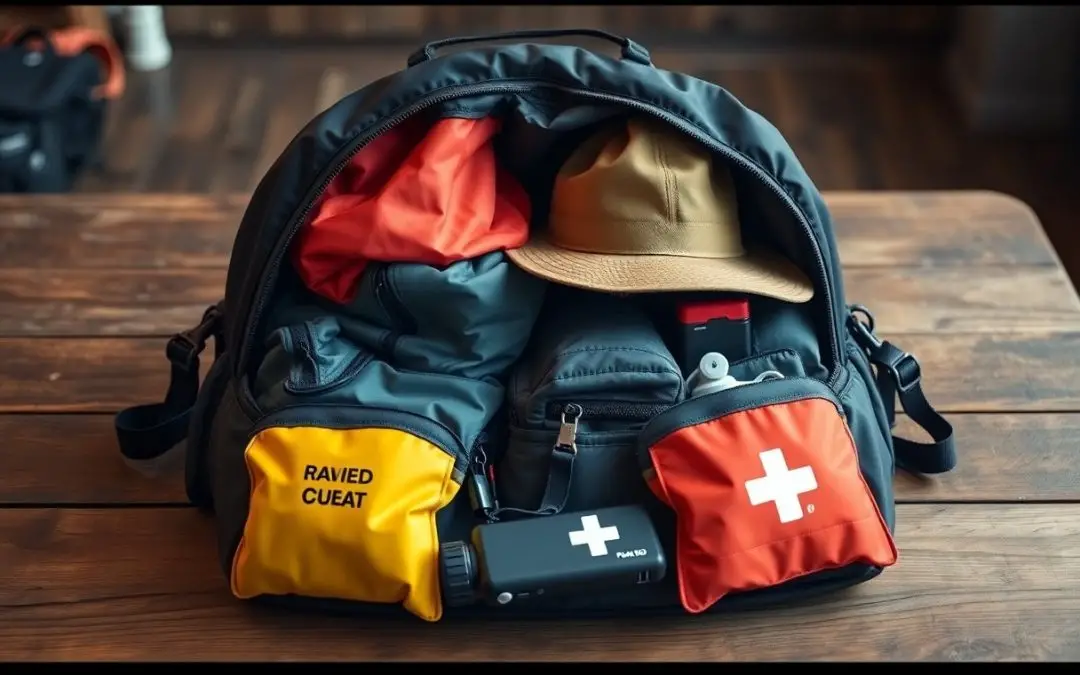
Weather dictates gear; you should update clothing, hydration, shelter, and first-aid items for heat, cold, rain, and snow so your go bag stays ready year-round.
Key Takeaways:
- Clothing and shelter: pack season-appropriate layers, a waterproof shell, and a sleeping bag rated for expected cold or breathable options for heat.
- Water and food: increase water volume and add electrolytes for hot weather, use insulated containers or thawable options for cold weather, and choose nonperishable, calorie-dense meals year-round.
- Electronics and documents: store devices and papers in waterproof, padded pouches and include power solutions rated for temperature extremes (insulated battery sleeves, solar charger).
- First aid and hazard items: include sunscreen and insect repellent for warm seasons, cold-weather supplies like hand warmers and frostbite care, and adjust medications for seasonal allergies or illnesses.
- Maintenance and checklist: rotate supplies by season, check expirations and battery health every 3-6 months, and perform a quick gear test before major weather changes.
The Strategy of Seasonal Rotation
You should schedule seasonal audits, swapping base layers, insulation, and rain gear based on expected temperatures and precipitation; inspect consumables and test shelter and stove components before the season changes so your kit responds to real conditions.
Swap heavy cold-weather items into a separate module and keep a lightweight warm-weather set accessible; label zones inside the bag so you can quickly adapt on short notice and avoid carrying everything year-round.
Identifying Environmental Threat Profiles
Map likely threats for each season – heat stress and wildfire smoke in summer, flooding and storms in spring, freeze exposure in winter – and prioritize items that mitigate the highest-probability hazards in your area.
Evaluate microclimates and travel routes you use; urban shelters and remote trails require different supplies, so tailor water purification, signaling, and shelter choices to the specific risks you’re most likely to face.
Balancing Pack Weight and Thermal Efficiency
Prioritize layering over single heavy garments so you can adjust thermal output while keeping weight down; pack a light insulating layer and an emergency bivy for unexpected temperature drops.
Trim nonimportant items by testing what you actually use on practice outings, then rotate extras to a vehicle kit so you balance comfort against the mobility costs of extra pounds.
Test insulation systems with a cold-night checklist – base layer, mid-layer, shell, hat, gloves, and insulated sleeping pad – weigh the total and decide which component gives the best warmth-to-weight payoff for your typical conditions.
Spring: Managing Precipitation and Pests
Springtime brings more rain and active insects, so you should swap heavy winter items for lighter waterproof layers, breathable rain gear, and a compact bug kit to stay agile on wet trails.
Adjust your go bag with quick-dry clothing, sealed food pouches, and a small laundry line or extra socks to reduce moisture buildup and deter pests from spoiled supplies.
Enhanced Waterproofing for Gear and Shelter
Protect electronics and documents with zip-lock bags or dry sacks, treat seams and zippers with silicone or beeswax, and carry a small roll of tape for emergency repairs to keep your gear usable in downpours.
Check your tent rainfly, patch kits, and a lightweight tarp before heading out, and pack a compact groundsheet or emergency bivy so you can rig dry shelter quickly when conditions turn soggy.
Insect Repellents and Allergy Mitigation
Treat clothing with permethrin at home and carry EPA-registered topical repellents like DEET or picaridin for skin; you should follow label directions for safe application and reapplication intervals.
Carry a head net or lightweight bug net for sleeping, pack antihistamines for mild reactions, and include an epinephrine auto-injector plus your allergy action plan if you have a history of severe reactions.
Inspect yourself and your companions for ticks after time in brush, remove ticks promptly with fine-point tweezers, launder permethrin-treated clothing separately, and replace repellents past their expiration to maintain protection.
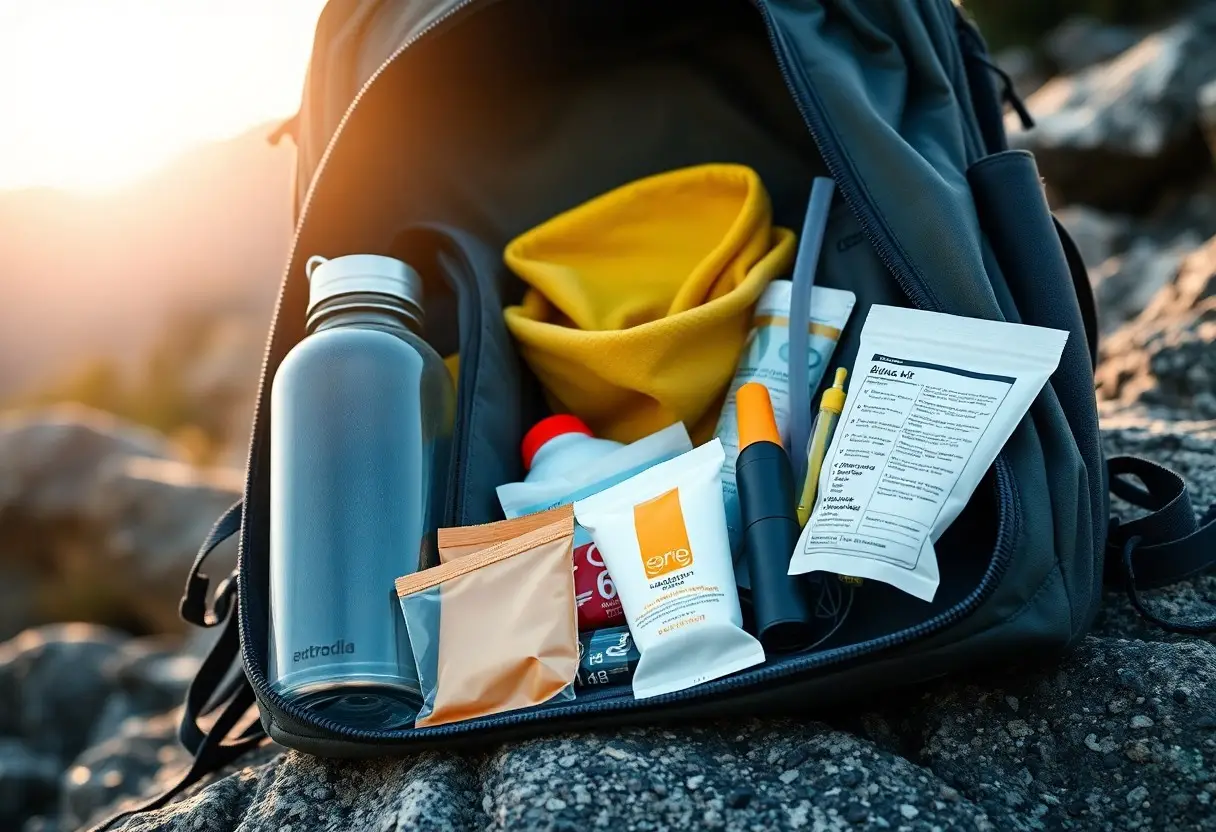
Summer: Heat Mitigation and Hydration
You should trim weight and prioritize breathable fabrics, shade setup, and easy hydration access so you can move without overheating; include a cooling towel, small battery fan, and a heat-safe pouch for medications that degrade in high temperatures.
Pack for shorter exertion bursts and frequent rest in shaded areas, swap heavy insulation for lightweight options, and position water carriers where you can sip without stopping to prevent heat-related fatigue.
Expanding Water Carrying Capacity and Electrolytes
Bring multiple water containers-insulated bottles, a collapsible bladder, and a small emergency canteen-and keep electrolyte tablets or powdered mixes in labeled, waterproof packets so you can top up quickly and maintain salt balance during long exposures.
Sun Protection and Cooling Strategies
Use broad-spectrum SPF 30+ sunscreen, a high-UPF hat, and UV-blocking sunglasses; pack a zinc-oxide stick for nose and lips and a lightweight shade tarp you can rig quickly to reduce direct sun exposure.
Choose breathable, light-colored, UPF-rated clothing and a cooling bandana or misting spray to drop skin temperature; store sunscreen where you can reapply after sweating or swimming.
Practice rotating tasks to limit continuous sun time, carry a compact shade structure that doubles as a rest area, and place gel cold packs in an insulated pouch for quick neck or wrist cooling when temperatures spike.
Autumn: Transitioning for Variable Temperatures
Autumn ushers in wide temperature swings, so you should favor lightweight insulating layers, a packable waterproof shell, and compact accessories like gloves and a beanie to adapt from cool mornings to warm afternoons.
| Item | Recommendation |
|---|---|
| Base Layer | Moisture-wicking long-sleeve shirts |
| Mid Layer | Light fleece or synthetic insulated jacket |
| Outer Shell | Packable waterproof/breathable jacket |
| Accessories | Light gloves, beanie, packable neck gaiter |
| Footwear | Water-resistant shoes and extra socks |
| Extras | Compact thermos, hand warmers, small repair kit |
Implementing Modular Layering Systems
You can build a kit with a thin moisture-wicking base, an insulating midlayer, and a windproof shell so you add or remove pieces as temperatures shift throughout the day.
Adjusting for Reduced Daylight Hours
Shorter daylight means you should outfit your go bag with dependable lighting, spare batteries, and reflective patches to keep you visible and functional after dusk.
Consider a headlamp with multiple modes, a compact power bank for recharging devices, and a small glow stick or LED lantern stored in an easy-to-reach pocket for quick access.
Winter: Survival in Extreme Cold
Cold nights demand compact tools for warmth and shelter; you should replace depleted hand warmers, add a four-season sleeping bag, and carry a reliable stove for melting snow.
Pack spare mittens and a closed-cell foam pad to insulate you from freezing ground, and swap cotton clothing for moisture-wicking synthetics or wool.
Thermal Insulation and High-Calorie Nutrition
Layering gives you the best defense: include a base synthetic, insulating mid-layer, and a waterproof breathable outer shell, all compact enough for quick changes.
Choose calorie-dense, shelf-stable rations like nuts, nut butters, and high-fat bars so you can maintain metabolic heat during long exposures.
Preventing Water Freezing and Battery Drain
Insulate your water bottles with neoprene sleeves and store them upside-down near your body when moving to prevent freezing.
Keep spare batteries warm by placing them in an inner pocket against your body; cold drastically reduces battery life for your electronics and headlamps.
Store fuel canisters and electronics in insulated compartments, and carry lithium batteries so you have power that tolerates cold better than alkaline for extended use.
Universal Kit Maintenance
You keep an accurate inventory listing conditions, purchase and expiry dates, and seasonal notes so replacements are straightforward as weather shifts. Keep fabrics clean, waterproof electronics, and adjust clothing and hydration supplies to the current season so your kit stays ready.
Schedule semiannual deep-clean and test sessions and you will catch small issues before they become failures. Schedule rotations for perishables and batteries, and note any items that need climate-specific storage or replacement.
Auditing Shelf Life and Consumables
Catalog consumables with purchase and expiration dates so you can track opened-package life for water filters, medications, and freeze-dried meals. Catalog coupons or manuals alongside expiration info to streamline future audits.
Swap items into everyday use before they expire and you reduce waste while maintaining freshness. Swap batteries annually, refresh first-aid supplies after use, and keep a short checklist for seasonal audits.
Gear Integrity and Functionality Checks
Inspect zippers, seams, straps, battery contacts, and seals for wear or corrosion and you prevent failure at the worst moment. Inspect moving parts and housings, tightening fasteners and replacing damaged components immediately.
Test devices under realistic seasonal conditions so you can reveal cold-weather battery failures, wet-weather leaks, or overheating in enclosed shelters before they become emergencies. Test radios, stoves, pumps, and footwear while simulating the environments you expect to face.
Final Words
From above you must tailor insulation, hydration, and shelter to the season: swap layers and footwear for cold or heat, add waterproofing for wet months, and include sun protection for summer. You should rotate food and meds, test batteries and electronics, keep copies of ID and cash, and inspect the bag quarterly or after severe weather to keep your kit ready.
FAQ
Q: What seasonal items should I add to a go bag for winter?
A: Add insulated clothing layers such as wool base layers, a down or synthetic insulated jacket, waterproof outerwear, warm hat, gloves, and wool socks. Include a sleeping bag rated below expected lows, an insulated sleeping pad, and a heat-reflective emergency blanket. Pack chemical hand warmers, a camping stove with fuel for melting snow, high-calorie compact food, and extra water in insulated containers. Store medications in a thermal pouch and include traction devices, a multi-tool, and fresh batteries or a hand-crank flashlight.
Q: How should I modify my go bag for hot summer conditions?
A: Swap heavy insulation for lightweight, breathable clothing with UV protection and a wide-brim hat. Add electrolyte powders or tablets, a high-capacity water container, and a cooling towel or battery-powered fan. Pack insect repellent, sunblock with high SPF, and heat-stable foods that won’t spoil quickly. Keep electronics ventilated, carry a shaded storage bag for sensitive items, and store spare batteries in a cool place.
Q: How often should I inspect and rotate seasonal items in my go bag?
A: Inspect your go bag at least once each season and after major weather events or deployments. Check expiration dates on food, medications, and first-aid supplies, replace batteries, and test flashlights and charging gear. Verify that clothing still fits and matches upcoming seasonal needs, and top up consumables like water purification tablets and fuel. Keep a checklist and log inspection dates to track rotations and replacements.
Q: What steps protect electronics and medications from extreme temperatures and moisture?
A: Store electronics and meds in waterproof cases or dry bags with desiccant packets and consider a thermal pouch for temperature-sensitive prescriptions. Keep medications in original packaging and rotate short-expiry items into everyday use while replacing them in the bag. Carry a portable power bank, a small solar charger, and a hand-crank radio; label cords and vital devices. Test charging equipment seasonally and store spare batteries in airtight containers away from direct heat or freezing cold.
Q: How should food, water, and shelter choices change by season?
A: Choose meal types that suit temperature risks: insulated, freeze-dried high-calorie meals for cold months and dehydrated or high-water-content foods for hot months. Increase water capacity and include electrolyte options for summer, and provide insulated or heated containers for winter to prevent freezing. Select shelter gear appropriate to conditions, such as a four-season tent or insulated bivy for cold, and a ventilated tarp or shade shelter for heat. Pack tools and repair kits to secure shelter against wind, rain, or snow and include effective ground insulation for cold weather.


