
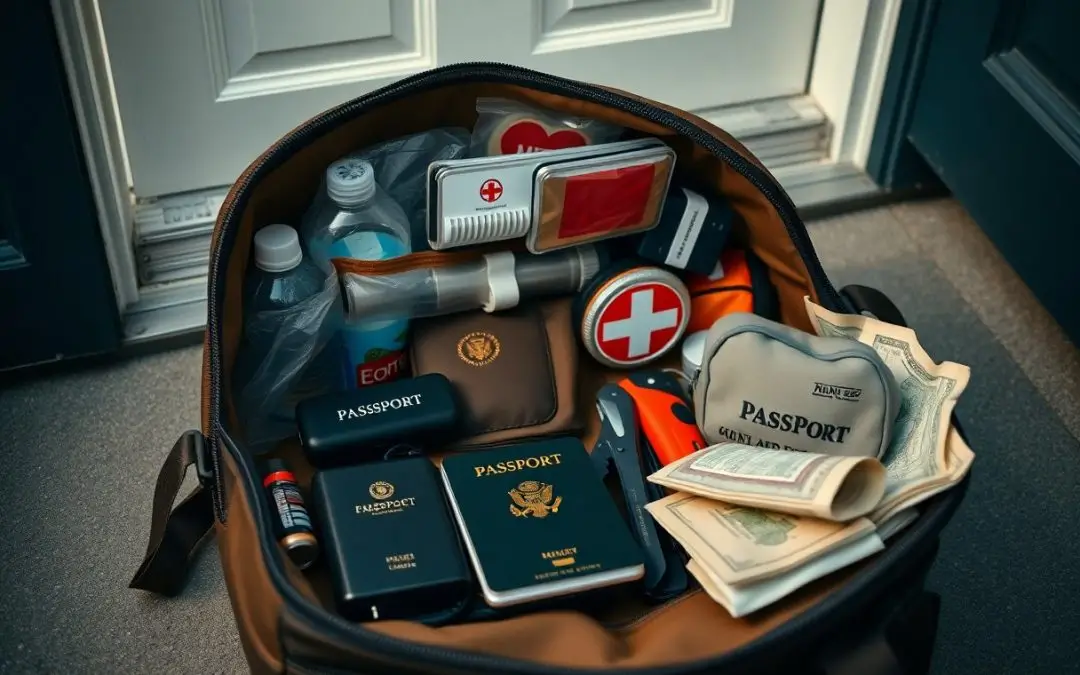
Overprepare your go bag with organized, compact supplies so you can respond calmly and effectively during emergencies, prioritizing water, shelter, first aid, and communication tools tailored to your needs.
The Fundamentals of Go Bag Preparedness
You should pack vitals that cover water, food, shelter, first aid, and copies of IDs and medications, customizing items to local hazards and family needs.
Defining the 72-Hour Survival Window
Understand that the 72-hour window is when you must sustain yourself before help stabilizes, so your bag should provide water, food, light, warmth, and basic medical care for you and dependents.
Prioritizing Mobility and Accessibility
Choose a carry option you can move quickly-lightweight backpack or compact duffel-with items in labeled, easy-access pockets so you can reach meds, light, and documents without delay.
Organize gear to minimize weight and balance load: place heavy items close to your spine, use padded straps and a hip belt, compress contents, protect documents in waterproof sleeves, and keep a small quick-grab kit with phone, cash, keys, and meds at the top.
Selecting the Ideal Pack for Your Environment
Choose a pack sized for your environment and mission: day trips need 15-25L, overnight 30-45L, multi-day 50L+. Prioritize easy-access pockets, attachment points for tools, and durable zippers so you can reach importants quickly in varied terrain.
Load-Bearing Capacity and Ergonomics
Ensure the pack’s frame and hip belt transfer most weight to your hips, while padded shoulder straps and adjustable torso length keep you comfortable on long hauls; test with your full kit to confirm fit and stability.
Weatherproofing and Material Durability
Opt for water-resistant fabrics, taped seams, and covered zippers; add a rain cover for heavy storms so you protect gear without adding much bulk or weight.
Consider higher-denier fabrics like 500-1000D Cordura or nylon with PU/TPU coating for abrasion and puncture resistance; check for a durable water-repellent (DWR) finish and factory-taped seams. You should prefer covered or water-resistant zippers, a fitted rain cover, and internal dry bags for electronics. Re-treat DWR periodically and inspect seam tape and zipper seals to keep performance reliable.
Critical Hydration and Nutritional Essentials
Pack water and concentrated calories in your go bag so you can stay energized and alert during disruptions. Prioritize lightweight bottles, emergency water, and nutrient-dense rations that last months without refrigeration.
Reliable Water Purification Methods
Carry a compact filter, purification tablets, and a UV pen so you can treat water from streams or taps. Test the filter’s flow rate and pack spare tablets for multi-day needs.
Compact, High-Energy Food Rations
Choose high-calorie, shelf-stable rations such as energy bars, nut butters, and compact meal packets to keep your calories dense and weight light.
Include high-calorie options that supply protein, fat, and carbs so you maintain strength and stamina. Look for items with favorable calorie-per-ounce ratios: compressed energy bars (350-500+ kcal), nut-butter squeeze packs, trail mix, and jerky. Consider freeze-dried meals for variety, but pack water or a way to rehydrate them. Swap items every six to twelve months and note allergens to avoid surprises during an emergency.
Medical Supplies and Sanitation Needs
Stock a compact medical kit and sanitation supplies so you can treat wounds, manage common illnesses, and maintain cleanliness during displacement; include gauze, adhesive bandages, antiseptic wipes, gloves, basic OTC meds, hand sanitizer, water purification, and waste bags.
Trauma-Informed First Aid Components
Pack tourniquet, pressure dressings, hemostatic gauze, chest seals, sterile gloves, blunt-tipped scissors, and adhesive tape so you can control bleeding and stabilize severe injuries; include clear, simple instructions and a small CPR barrier.
Personal Hygiene for Long-Term Health
Keep daily hygiene items-toothbrush and paste, soap or pH-neutral cleanser, wet wipes, feminine products, quick-dry towel, and hand sanitizer-so you can prevent infection and maintain comfort over extended displacement.
When water is limited, prioritize hand hygiene, menstrual care, and wound cleanliness to reduce infection risk and preserve energy. You should pack water purification tablets, a collapsible bucket, and a small solar shower to stretch supplies and allow regular washing. Store sealed hygiene kits per person, rotate consumables, and include discreet waste bags plus odor-control packets to manage sanitation safely.
Essential Tools and Communication Devices
Tools in your go bag should prioritize practical utility and clear communication so you can act fast. Include a reliable whistle, compact first-aid multitool, a handheld radio, and waterproof notepad; choose items that are durable, easy to use, and suited to your local risks.
Multi-Tools and Emergency Lighting
Stock a compact multi-tool and folding knife for cutting, prying, and minor repairs, plus dependable lighting: headlamp, flashlight, and extra batteries. You should favor LED options and simple switches so you can operate them quickly under stress.
Portable Power and Signaling Equipment
Include a compact power bank, solar charger, and battery organizer so you can keep phones and radios charged. Add emergency flares, a signal mirror, and a loud whistle to help rescuers locate you when standard communication fails.
Consider choosing power banks with USB-C PD and at least 20,000 mAh if you expect multiple phone charges; check watt-hour limits for air travel. Pair lightweight foldable solar panels that recharge banks during extended outages, and store short, durable cables. For signaling, add a registered personal locator beacon or satellite messenger if you travel remote routes, plus high-visibility strobe lights and extra flares.
System Maintenance and Readiness Drills
Schedule monthly checks so you can verify bag contents, replace expired items, and run short drills that keep skills sharp and tools ready.
Seasonal Rotation of Perishables
Rotate perishables every season so you use food and medication before expiration, adjust quantities for weather, and prevent waste.
Testing Gear in Real-World Scenarios
Run field tests on radios, stoves, and shelters to confirm performance, battery life, and compatibility under realistic conditions.
When you simulate evacuations and prolonged outages, practice using only items from your go bag, track how long importants last, note failures, and refine both gear and routines; involve household members to build muscle memory and assign clear roles.
Final Words
Drawing together your imperatives into a well-packed go bag ensures you can act quickly when disaster strikes. You can tailor contents to your needs, keep supplies rotated, and practice simple plans so you stay ready, confident, and capable during emergencies.


