
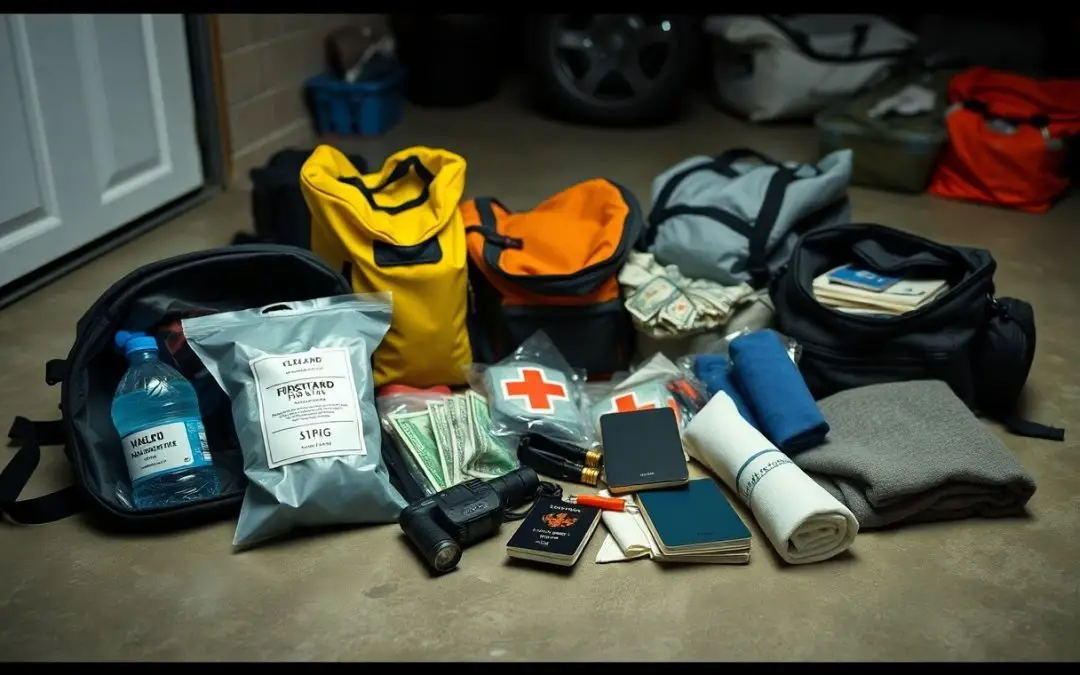
Preparedness puts you ahead: assemble a compact, prioritized go bag with water, first-aid, flashlight, emergency documents, warm layers, and portable power to enable fast, confident evacuation during sudden disasters.
Core Survival Gear and Shelter
Pack your go bag with shelter-first items: a lightweight tarp or compact tent, inflatable sleeping pad, and a small stove. You should favor gear that packs small, deploys quickly, and withstands wet and cold conditions for rapid evacuation.
Multi-tool selection and utility hardware
Choose a full-size multi-tool with pliers, a locking blade, saw, and screwdriver set; add a compact pry bar, roll of tape, and paracord so you can repair gear and construct emergency shelter on the move.
Emergency blankets and portable bivvy sacks
Carry both reflective mylar blankets and a breathable bivvy sack to retain heat, cut wind, and keep rain off; each compresses tiny so you can add warmth without weight.
Bivvy sacks use waterproof, breathable fabrics that let you sleep dry while shedding wind; you can slide one over a sleeping bag for insulation and condensation control. Mylar blankets reflect body heat and work as lightweight emergency layers or ground covers, though they tear easily and trap moisture. Pack one bivvy for reuse plus two mylar sheets for signaling, wrap techniques, and layered warmth when conditions worsen.
Tactical lighting and reliable power banks
Select a compact high-lumen flashlight and a hands-free headlamp with multiple modes; include spare batteries and a power bank so you can signal, illuminate routes, and charge vital devices during outages.
Keep lighting choices balanced: aim for a 300-1,000 lumen handheld for search tasks and a 150-300 lumen headlamp for hands-free work; strobe and low modes extend runtime. Choose rechargeable batteries and a 10,000-20,000 mAh power bank with USB-C PD to fast-charge phones and lights; consider solar recharging and include spare cables so you can maintain power through prolonged evacuations.
Hydration and Sustenance Planning
Plan your go bag to include daily water requirements, concentrated calories, and compact cooking gear so you can evacuate quickly without stopping for supplies.
Water purification systems and filtration straws
Use a lightweight filtration straw and chemical drops so you can treat questionable water on the move; choose systems rated for protozoa and bacteria.
Long-term storage of high-calorie rations
Store calorie-dense foods like MREs, emergency bars, and compressed nuts in vacuum-sealed packs so you retain energy during extended evacuations.
Rotate your supply every six to twelve months; store kits in cool, dry locations, use Mylar bags and oxygen absorbers for grains and powdered meals, and plan roughly 2,000 calories per person per day for multiple days.
Lightweight cooking and consumption kits
Choose a compact stove, folding pot, spork and a small fuel canister so you can prepare hot meals quickly while staying mobile.
Include a compact alcohol or canister stove with sealed fuel, nesting titanium pots, a lightweight cup, and a microfiber towel so you can boil quickly and pack a small repair kit for stove seals and fuel canisters.
Medical Readiness and Sanitation
Pack a compact medical and sanitation kit tailored for fast evacuation: basic first aid, personal medications, water purification tablets, hand sanitizer, and disposable waste bags. Keep items sealed, lightweight, and listed so you can grab the go bag and leave immediately.
Trauma-grade first aid components
Include trauma-grade items such as a tourniquet, hemostatic gauze, chest seals, pressure dressings, and sterile gloves; add a compact suture or stapler kit only if trained. Train regularly so you can apply life-saving measures confidently during rapid evacuation.
Chronic medication and prescription management
Organize a multi-week supply, copies of prescriptions, dosing schedule, and a locked pill organizer; include your prescriber’s contact, recent medication list, and pharmacy info so you can maintain treatment during displacement.
Keep medications in original containers, store printed lists and scanned copies on your phone, and pack a prescriber’s note explaining diagnoses and dosing for emergency refills. For temperature-sensitive drugs like insulin, include cold packs and an insulated case; arrange early refills and talk with your pharmacist about emergency provisions to avoid gaps in care.
Hygiene necessarys for long-term displacement
Carry biodegradable soap, toothbrush, toothpaste, menstrual supplies, wet wipes, hand sanitizer, and a quick-dry towel; add a compact wash basin and extra zip bags so you can maintain hygiene during extended displacement.
Prepare a sanitation plan: ration water for handwashing, use bleach or alcohol wipes for surface disinfection, seal used hygiene items in odor-proof bags, and include small laundry soap with a clothesline for washing. Prioritize items that reduce infection risk and respect privacy needs so you can stay healthy and dignified while displaced.
Communication and Documentation
Pack a compact communication kit with extra batteries, SIM card copies, and a portable charger so you can stay in touch and prove identity during evacuation. Store both digital and paper backups in easy-to-reach compartments of your go bag.
Solar-powered radios and signaling tools
Carry a solar-powered radio and personal signal devices like whistles or LED beacons so you can receive alerts and draw attention if separated. Test them regularly and include spare charging cables and compact instructions you can follow under stress.
Waterproof storage for vital records
Place passports, insurance cards, medical records, and emergency contact lists inside waterproof pouches or sealed dry bags so you can access proof and directions quickly during evacuation. Keep copies both on device and in paper form.
Organize documents by type into labeled waterproof pouches, using zip-seal bags, dry sacks, or small fireproof envelopes for added protection. Scan and encrypt digital backups on a USB in a waterproof case and store copies in cloud accounts with offline access; keep passwords written on your emergency card. Store original papers in an accessible pocket of your go bag and leave extra copies with a trusted contact.
Physical maps and traditional navigation aids
Include local printed maps, a compass, and brief landmark notes so you can find alternate routes when GPS fails. Fold maps to fit your go bag and mark evacuation points and shelters in permanent ink for quick reference.
Study basic map-reading and compass skills before an emergency, and mark multiple evacuation routes and meeting points on your printed maps. Use waterproof or laminated maps, highlight routes in high contrast, and carry a compact mirror or whistle for signaling. Update maps seasonally and practice following bearings so you can move confidently when systems are down.
Specialized Contents for Dependents
Pediatric nutrition and comfort items
Pack pediatric formula, measured baby-feeding supplies, favorite comfort blankets, teething aids, and child-safe utensils so you can feed and soothe quickly during evacuation.
Mobility aids and geriatric health needs
Keep spare batteries, backup mobility devices, extra cane tips, medication lists, pill organizers, and copies of prescriptions accessible so you can maintain care on the move.
Include labeled spare parts (wheelchair tires, walker caps), a repair kit, written transfer instructions, a brief emergency care plan with contacts, and provider phone numbers so you can troubleshoot and replace gear when services are limited.
Pet survival kits and identification
Store pet food, collapsible bowls, leashes, recent photos, vaccination records, and microchip numbers in a waterproof bag so you can evacuate pets quickly.
Ensure carriers are labeled with your contact info, include a familiar blanket, pack a small first-aid kit for bites or cuts, and keep a printed list of nearby vets and pet-friendly shelters so you can access care and proof of ownership.
Maintenance and Accessibility
You should perform regular checks, swap expired items, and ensure packs are reachable for every household member; keep a simple checklist and a visible tag indicating last inspection date.
Seasonal inventory audits and expiration checks
Schedule seasonal audits to remove expired food, batteries, and medications, update clothing sizes, and adjust supplies for weather changes; record actions so you can quickly verify readiness.
Strategic placement for immediate evacuation
Place go bags where all family members can grab them within 60 seconds, ideally near exits or primary escape routes, and avoid high shelves or locked rooms.
Keep duplicates of imperative items by doors, in vehicles, and at workplaces so you have options if a primary pack is blocked; use compact backpacks labeled for quick ID.
Weight distribution and ergonomic pack selection
Choose a pack with padded straps, sternum and hip belts, and multiple compartments to balance load; test packed weight so you can sprint short distances without strain.
Test different configurations at home, shifting heavier items low and centered, and secure loose gear to prevent shifting; evaluate comfort on stairs and uneven ground.
Conclusion
With this in mind, pack a lightweight, water-resistant go bag with copies of IDs, medications, food, water, flashlight, communication tools, and a charged power bank so you can evacuate quickly and sustain yourself for at least 72 hours.


