
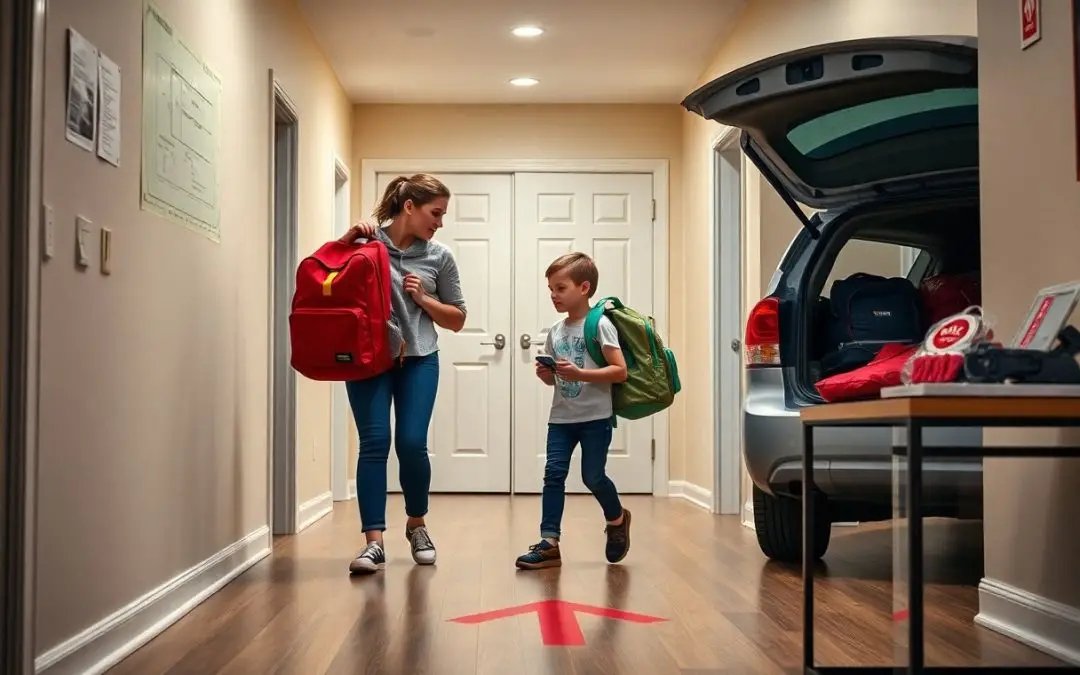
This guide shows you how to prepare your household for quick, safe exits during emergencies. You will establish clear roles, practice routes, and build confidence through routine drills. Your family’s safety depends on calm, coordinated action-start training today to ensure everyone knows exactly what to do when seconds count.
Identifying Key Factors for Evacuation Readiness
- Know your region’s most likely disasters
- Map all accessible exit routes from your home and neighborhood
- Account for each family member’s physical and medical needs
- Keep emergency supplies packed and ready to grab
Any delay during an emergency can cost precious time-preparing now ensures everyone moves quickly and safely when seconds count.
Assessing Regional Environmental Threats
You face different risks depending on where you live-wildfires in dry climates, hurricanes near coasts, or tornadoes in the Midwest. Study local historical patterns and seasonal alerts to understand what could strike with little warning. Knowing your area’s threats shapes your evacuation plan and supply choices.
Evaluating Household Mobility and Specific Needs
Someone in your home may use a wheelchair, have trouble hearing, or rely on medical equipment. These factors directly impact how fast and safely everyone can leave. Plan for extra time, assistance, or vehicle modifications so no one gets left behind during a crisis.
Every household includes unique physical, medical, or emotional needs that affect evacuation speed and safety. A child with autism may struggle with sudden changes, an older adult might need help walking, or someone could depend on refrigerated medication. Identify these needs now and assign roles-like who carries supplies or supports whom-so actions become automatic under stress. Practice with these realities in mind to ensure no one is overlooked when it’s time to go.
How to Design a Fail-Safe Evacuation Route
Every second counts when danger strikes, and a well-planned evacuation route can mean the difference between chaos and control. You need a path that accounts for multiple hazards and household variables, ensuring everyone can exit quickly and safely no matter the scenario.
Mapping Primary and Secondary Exit Points
You should identify at least two escape routes from every room, especially bedrooms and common areas. Test each path regularly to confirm doors open easily, windows aren’t blocked, and obstacles won’t slow anyone down during a real emergency.
Establishing Local and Out-of-Area Meeting Points
Pick a spot near your home where everyone should gather immediately after exiting-like a mailbox or tree. Then choose a secondary location outside your neighborhood in case roads are blocked or you can’t return. This ensures someone can account for all family members.
Choose your local meeting point at least 50 feet from the house to keep everyone clear of structural hazards and emergency vehicles. Your out-of-area location could be a relative’s home or a community center one or two towns away. Make sure every family member knows both locations by heart and understands that cell phones may not work during a crisis, so physical presence matters. Practice reaching both points during drills to build confidence and consistency.
Essential Equipment: Building Your Go-Bags
Every family member needs a ready-to-grab go-bag tailored to their needs. Pack lightweight clothing, a flashlight, batteries, a whistle, dust mask, and basic tools. Keep it simple, functional, and easy to carry. Store bags in accessible locations and check contents every three months.
Prioritizing Survival Supplies for Rapid Deployment
Start with water, food, and medical necessarys. Choose compact, non-perishable items that last at least 72 hours. Include a first aid kit, medications, and hygiene supplies. Weight matters-keep each bag under 15 pounds so even children can manage theirs during a fast exit.
Managing Critical Documents and Emergency Cash
Keep photocopies of IDs, insurance policies, birth certificates, and bank details in a sealed, waterproof pouch. Store originals in a fireproof safe. Always have small bills and coins on hand-ATMs and card systems may fail when disaster strikes.
Having immediate access to identification and cash can save hours in an emergency. Use a portable document organizer inside each go-bag or keep one central folder that’s easy to grab. Update documents after major life events like marriages, births, or address changes. Digital backups on encrypted USB drives add another layer of security, but never rely solely on electronics-power may be unavailable.

How to Execute Realistic Family Training Drills
Practice turns preparation into instinct. You need to run drills that mirror real emergencies, using your established escape routes and meeting points. Make each session count by treating it like the real thing-no warnings, full urgency, and complete follow-through.
Scheduling Surprise Practice Sessions
You can’t predict when danger will strike, so neither should your drills. Hold unannounced evacuations during dinner or movie night to see how quickly everyone responds. These pop-up practices reveal gaps in readiness and sharpen reflexes under pressure.
Simulating Nighttime and Obstruction Scenarios
Darkness changes everything. Conduct drills after lights out, forcing everyone to navigate by touch or flashlight. Block a primary exit occasionally to train alternative route use. This builds adaptability when conditions aren’t ideal.
When you simulate nighttime evacuations, you expose real challenges like disorientation and delayed response. Have family members stay in their actual sleeping positions and require them to feel along walls, avoid standing up in smoke, and check doors for heat. Introduce obstacles-like a chair in the hallway or a closed interior door-to mimic debris or fire blockages. These details transform a routine drill into a true test of your plan’s effectiveness.
Expert Tips for Coordinating Children and Pets
- Practice evacuation drills monthly with clear roles for each family member
- Assign adults to specific children or pets to avoid confusion
- Keep emergency backpacks labeled and within easy reach
- Use a family code word to signal real emergencies
The calmest households during crises are the ones who’ve rehearsed together.
Age-Appropriate Communication Strategies
Explain emergencies in simple terms kids can grasp without causing fear. Younger children respond well to story-based drills, while teens benefit from understanding real risks and their responsibilities. You keep instructions clear and role-specific so each child knows exactly what to do when the alarm sounds.
Streamlining Pet Retrieval and Transport Logistics
Keep leashes, carriers, and pet emergency kits near exits or in designated spots everyone knows. You ensure each pet has a labeled carrier with food, meds, and waste supplies ready to grab. The
Assign one person per pet ahead of time to prevent confusion during urgent moments. Pre-staging carriers by the back door cuts retrieval time in half. You update microchip info regularly and post pet locations on your evacuation chart so no animal gets overlooked. Practice carrying each pet quickly, especially if stairs or mobility issues are involved.

Maintaining Communication During Disruption
When power lines fail or cell towers go down, staying connected becomes harder but no less possible. You need a plan that doesn’t rely on a single method. Establish backup ways to share information so your family can confirm safety and coordinate even when normal channels fail.
Utilizing Redundant Messaging Channels
You should never depend on just one way to send messages during a crisis. Pair your cell phones with two-way radios, emergency beacons, or even pre-arranged check-in points. If one system fails, another can take over, keeping everyone informed without delay.
Designating Emergency Roles for Each Member
Every person in your household has strengths you can put to use under pressure. Assign clear responsibilities-like gathering supplies, checking exits, or guiding younger siblings-so confusion doesn’t slow you down when seconds count.
When each family member knows exactly what to do, decisions happen faster and stress decreases. Think about age, physical ability, and temperament when assigning roles. A teenager might manage the emergency kit, while a younger child practices staying close to a designated adult. Rotate practice duties during drills to build confidence and ensure no one is overwhelmed when real danger strikes.
Summing up
Summing up, you now have a clear plan to prepare your family for fast emergency evacuation. Practice drills regularly, assign roles, and keep emergency supplies ready. Your leadership ensures everyone responds quickly and safely when seconds count. Stay consistent, stay calm, and make safety a routine part of home life.


