
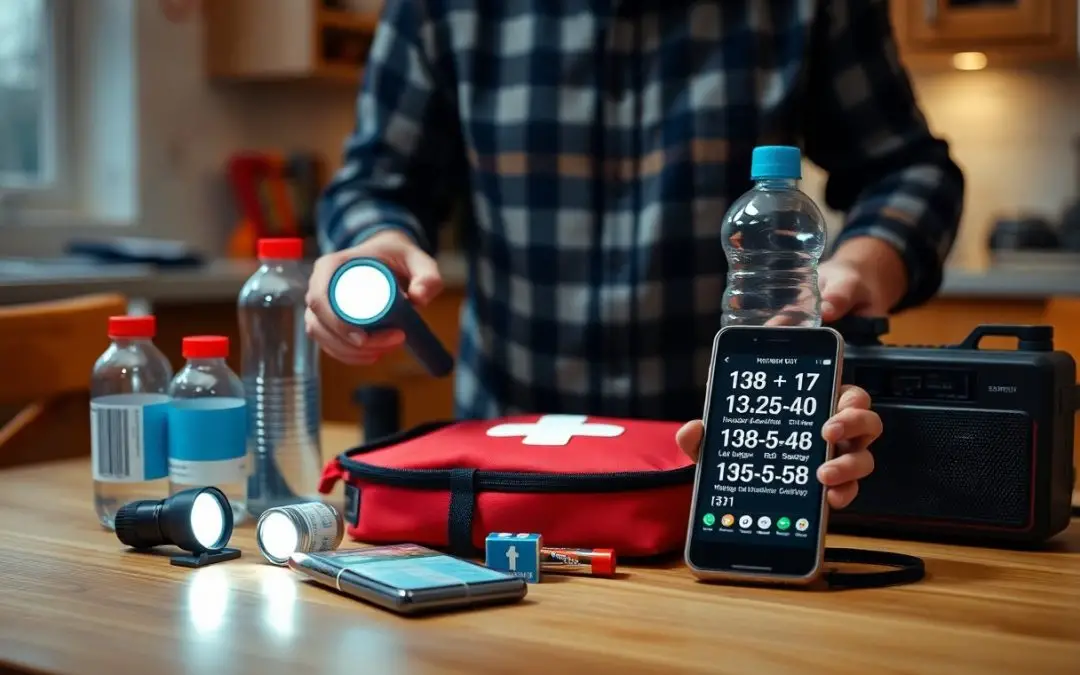
This guide shows you practical steps to protect yourself when emergencies strike without warning. You will learn how to assess threats quickly, respond with clear actions, and use your environment to stay safe. These strategies are based on real-world safety protocols and can be applied by anyone, anywhere.
Identifying Critical Risk Factors
- Assessing environmental and location-based hazards
- Evaluating personal health and mobility constraints
Any emergency response begins with knowing what puts you at greatest risk. Understanding the specific dangers tied to your surroundings and physical capabilities shapes how you prepare and react.
Assessing environmental and location-based hazards
Where you live or travel determines many of the threats you may face. Flood zones, earthquake-prone areas, or regions with frequent power outages require tailored plans. Know the common disasters in your area and how they unfold.
Evaluating personal health and mobility constraints
Your body’s condition directly affects your ability to respond during chaos. Limited mobility, chronic illness, or reliance on medication can slow your escape or increase danger. Plan for these realities now.
Health conditions like asthma, heart disease, or diabetes demand proactive measures during emergencies. You may need extra supplies, assistance, or specific routes to evacuate safely. Build your emergency kit and strategy around your medical needs, ensuring medications and devices are accessible and portable when seconds count.
How to Create a Robust Emergency Action Plan
Your safety in a crisis depends on preparation you make today. Start by identifying the most likely emergencies in your area and tailor your plan accordingly. Involve every household member in the process so everyone knows their role when seconds count.
Establishing family communication protocols
You need a reliable way to reach each other when normal channels fail. Designate an out-of-town contact everyone can check in with, since long-distance calls often work when local lines are down. Agree on text messages as your primary method-they use less bandwidth and are more likely to go through during network congestion.
Mapping primary and secondary evacuation routes
Every home has more than one way out, and you must know them all. Draw a simple floor plan and mark two escape paths from each room. Confirm that windows and doors are functional and accessible, especially if power loss disables automatic systems.
When mapping evacuation routes, think beyond your front door. Identify which roads lead to safe assembly points and keep printed copies in your emergency kit. Practice these routes with your family every few months, adjusting for seasonal changes like flooding or snow that could block access. Knowing alternate paths ensures you won’t be stranded when conditions shift rapidly.
Essential Gear and Supply Management Tips
- Keep flashlights, batteries, and a hand-crank radio in accessible locations.
- Store water purifiers, first aid supplies, and thermal blankets in your emergency kit.
- Label and rotate perishable items every six months.
- Keep copies of important documents in a waterproof container.
After organizing your supplies with clear labeling and routine checks, you ensure quick access when every second counts.
Curating a high-utility emergency “Go-Bag”
You pack this bag with mobility in mind-include a multi-tool, emergency shelter, high-calorie rations, and a compact first aid kit. Keep it light, accessible, and tailored to your environment. After assembling it, practice retrieving and using each item under time pressure.
Maintaining necessary long-term survival stockpiles
You store non-perishable food, water, and medical supplies in a cool, dry space, rotating stock every few months. Use airtight containers to protect against moisture and pests. After setting a monthly reminder, you stay consistent with inventory checks.
Long-term stockpiles require planning beyond initial setup. You monitor expiration dates and replace canned goods before quality degrades. Consider climate-specific needs-extra water in hot regions or insulation materials in colder areas. Regular audits prevent shortages when supply chains break.
Mastering Immediate Response Techniques
Reacting quickly and correctly in emergencies can make all the difference. You need to assess threats within seconds, identify exits, and decide whether to evacuate, shelter in place, or intervene. Training your mind to respond without hesitation improves outcomes dramatically. Practice drills regularly so your actions become instinctive when real danger strikes.
How to apply basic life-saving first aid
You must act fast if someone is injured. Check for responsiveness, control bleeding with firm pressure, and begin CPR if they’re not breathing. Keep a compact first aid kit on hand and know how to use it. Even simple actions like positioning an unconscious person safely can prevent further harm until help arrives.
Navigating crowd dynamics and avoiding panic
Stay aware of how people move around you during emergencies. Sudden surges can trap or knock you down. Keep your distance from dense groups, move with purpose, and follow clear pathways. Calm behavior influences others-your composure helps reduce collective fear and keeps escape routes functional.
When crowds react to danger, instinct often drives people to rush toward exits, creating bottlenecks. You can avoid being caught in a crush by scanning for alternative exits early and staying near walls or structural supports. Move steadily, not frantically, and avoid stopping unless absolutely necessary. If the flow becomes too intense, protect your chest by locking your hands in front of you to maintain space for breathing. Your awareness and controlled movement increase your chances of staying safe when others lose focus.
Enhancing Situational Awareness Factors
- Scan your environment regularly
- Note exits and potential obstacles
- Monitor people’s behavior and tone
- Trust your instincts when something feels off
Recognizing subtle shifts in your surroundings gives you a critical edge when seconds count.
Utilizing the OODA loop for rapid decision-making
You process emergencies faster by observing threats, orienting to context, deciding on action, and acting decisively. This cycle sharpens reflexes under pressure and reduces hesitation when conditions shift unexpectedly. Repeating it instinctively improves real-time responses.
Recognizing early warning signs of imminent danger
Unusual silence, erratic movements, or sudden crowd dispersal often precede dangerous events. You benefit by noticing these cues before escalation occurs. Recognizing them early positions you to act before others react.
People often overlook subtle behavioral shifts, but you can detect risk by paying attention to body language like clenched fists, rapid breathing, or fixed stares. Sounds such as breaking glass, raised voices, or alarms also serve as triggers. Your ability to interpret these signals before an incident unfolds increases your chances of safe evacuation or intervention.
How to Secure Your Physical Location
Staying safe begins with controlling access to where you live, work, and spend time. You can reduce risk significantly by understanding the layout of your surroundings and making small but effective changes to deter threats during unexpected events.
Implementing home fortification strategies
Reinforce entry points by installing solid-core doors and shatter-resistant window film. Use smart locks and motion-sensor lighting to increase visibility and delay unauthorized access. These upgrades create layers of defense that buy you time when seconds matter most.
Identifying safe shelter options in public spaces
When you enter a new building, scan for interior rooms without windows, restrooms, or storage areas where you can stay out of sight. Avoid large open spaces like lobbies or atriums, which offer little cover during an active threat.
Look for structural features like thick walls, heavy furniture, or locked offices that can serve as temporary barriers. Restrooms with sturdy doors and minimal entry points are often overlooked but effective hiding spots. Train yourself to assess exits and cover options the moment you walk into any public area-your awareness could make all the difference.
Summing up
Considering all points, you strengthen your personal safety during sudden emergencies by staying aware of your surroundings, having a clear plan, and practicing quick, calm responses. Keep emergency supplies ready, know evacuation routes, and maintain communication with trusted contacts. Your preparedness directly influences your ability to act effectively when seconds count.


