
Many emergencies today unfold faster and with greater impact than in the past. You face evolving threats-from extreme weather to cyber disruptions-that demand readiness. Your ability to respond effectively starts with preparation. What you do now determines your safety and resilience when crises strike.
The Fragility of Modern Systems
Complex networks keep your daily life running-power, internet, supply chains-all operating just in time. When one fails, others follow like dominoes. You’ve seen it happen: a storm knocks out electricity, cell towers go down, gas stations close, and grocery shelves empty within hours. These systems are efficient but not resilient. Your reliance on them grows, yet their ability to withstand disruption shrinks with every passing year.
Nature’s Increasing Hostility
You’re facing a world where storms grow fiercer, wildfires spread faster, and floods arrive without warning. Climate shifts are no longer distant predictions-they’re daily realities disrupting lives and overwhelming unprepared communities. Each season brings new records, proving that nature’s patience is wearing thin. Your safety depends on recognizing these changes as permanent, not anomalies.
The Psychology of Readiness
You feel calmer during crises when you’ve prepared in advance. Knowing you have a plan reduces anxiety and sharpens focus. Your brain shifts from panic to problem-solving when familiar routines kick in. Practice builds confidence, and confidence shapes how you respond under pressure. Readiness isn’t just about supplies-it’s about training your mind to act, not freeze.
Practical Foundations for the Individual
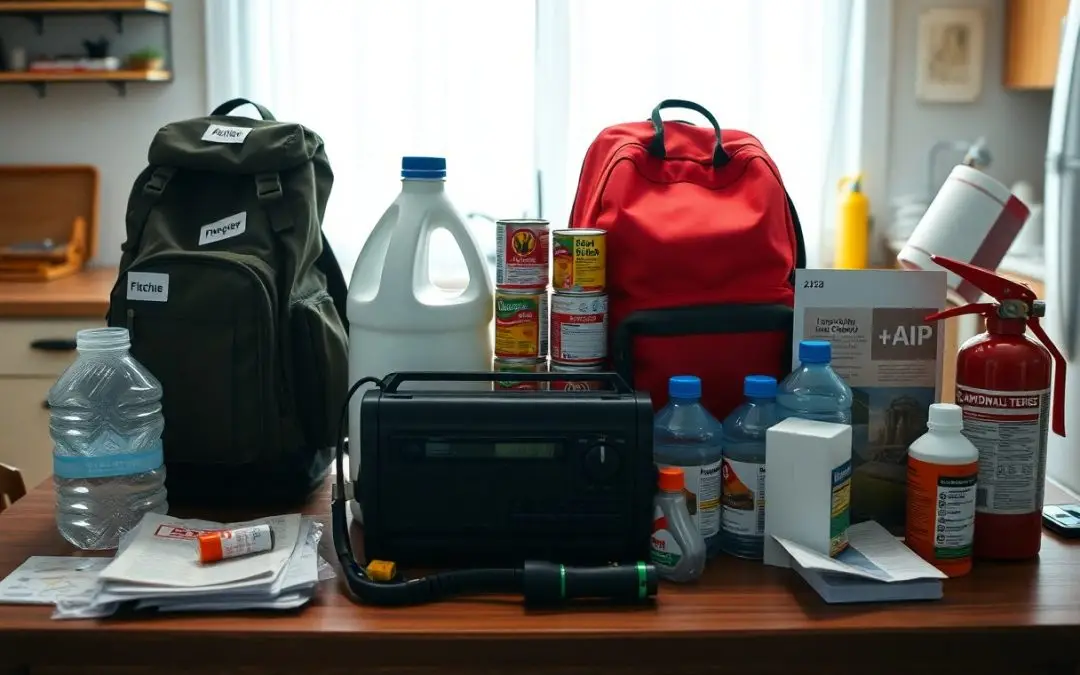
You already know emergencies can strike without warning. Start by building a 72-hour emergency kit with water, non-perishable food, medications, and a flashlight. Keep copies of important documents in a waterproof container. Charge devices regularly and have backup power options. Practice your plan with household members so everyone knows what to do when seconds count.
Community as a Fortress
You become stronger when neighbors know each other’s names, not just faces. Shared plans, resources, and trust turn scattered households into a unified defense against crisis. When disasters strike, it’s often the local network-not distant agencies-that responds first. You rely on each other, act quickly, and recover faster because you’ve built something no storm can wash away: connection.
The Moral Duty to Prepare
You have a responsibility to protect not just yourself, but those around you. When disaster strikes, unprepared individuals strain community resources and endanger others who depend on swift, coordinated responses. By taking steps now-stocking supplies, making plans, learning first aid-you contribute to the safety and resilience of your neighborhood. Your preparation reflects care for the collective good.
Conclusion
Drawing together the realities of climate instability, global health threats, and technological disruptions, you face a world where emergencies are more frequent and less predictable. Your readiness determines not only personal safety but also community resilience. Preparedness is no longer optional-it is a necessary practice built into daily life to meet today’s escalating risks with confidence and control.


