
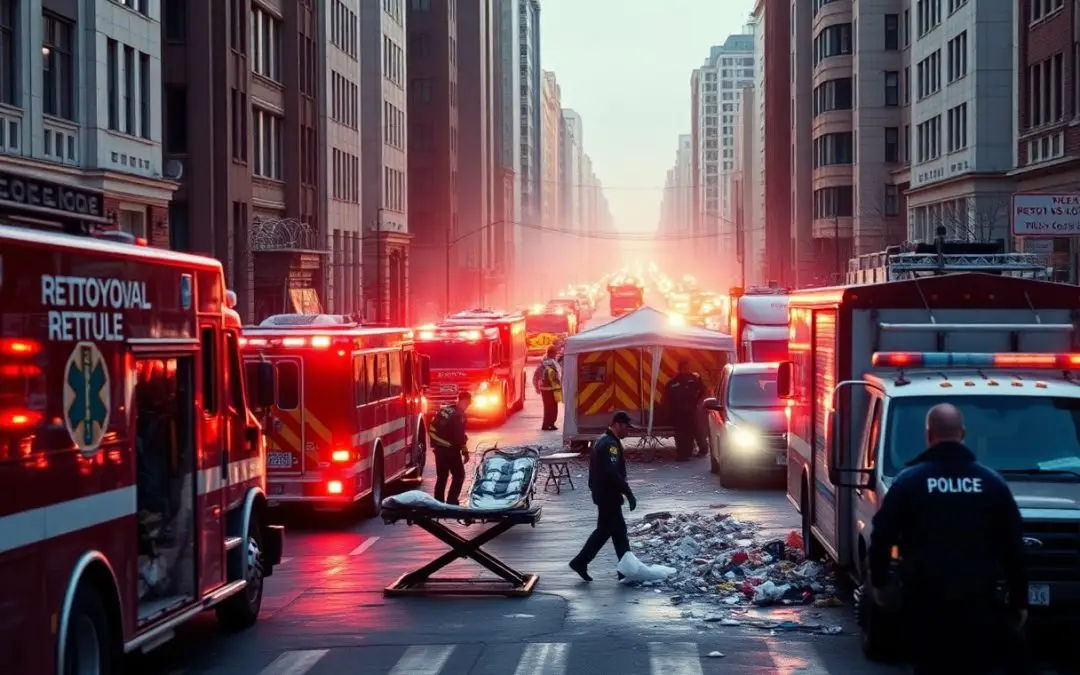
Most large-scale emergency events unfold with little warning, disrupting daily life in ways you may not anticipate. You will face evolving conditions, limited information, and changing instructions from authorities. Knowing what to expect-communication delays, resource shortages, and evacuation protocols-helps you respond calmly and effectively when it matters most.
The Sudden Silence
Sound vanishes in ways you won’t anticipate. The hum of refrigerators, the distant buzz of traffic, the background chatter from screens-it all cuts off at once. You’ll notice it first in your own breath, louder than usual, as if the world has paused to listen with you.
The failing of the light
Power fails without warning, plunging entire neighborhoods into darkness. Streetlights blink out one by one, and the glow from homes disappears. You’ll find yourself relying on memory to move through rooms you’ve walked a thousand times.
The stillness of the street
Empty roads stretch in every direction, free of cars, bikes, or pedestrians. Traffic signals hang dark, and wind rolls debris across asphalt like a quiet intruder. The absence of movement makes familiar places feel foreign, even unsafe.
What once buzzed with routine now holds its breath. No footsteps echo, no doors slam, no dogs bark from backyards. This stillness isn’t peaceful-it’s charged, as if the neighborhood is waiting for a signal that never comes. You’ll feel the weight of isolation, not just from people, but from normalcy itself.
The Clogged Roads
Traffic grinds to a halt as thousands try to flee at once. Highways become parking lots, with vehicles idling for hours under a haze of exhaust and tension. You won’t make progress by staying behind the wheel-exits jam, GPS reroutes fail, and fuel runs low. This is when many realize escape by car was never the plan.
The panic of the drivers
Anger flares when horns accomplish nothing. People abandon vehicles mid-lane, some shouting, others frozen in disbelief. You feel the weight of uncertainty as radios crackle with outdated instructions. Without clear guidance, every decision feels like a gamble.
The journey on foot
Movement begins the moment you step onto the shoulder. Others join you, forming an uneven stream of families, runners, and the elderly. You carry only what you can hold, watching landmarks blur into smoke and shadow. Distance feels heavier without wheels.
Walking becomes your only option, and pace depends on stamina and terrain. You’ll pass abandoned bags, emergency crews on bikes, and makeshift signs pointing to shelters. Stay hydrated, keep a steady rhythm, and watch for others who may need help-your resilience grows with every mile you cover on foot.
The Thirst of the City
When emergency systems fail, your city’s water supply becomes fragile. Demand surges while infrastructure falters, leaving taps dry and reservoirs low. You’ll feel the strain as neighborhoods compete for limited resources. Without immediate intervention, even backup systems may not keep pace with need.
The dry pipes
Water pressure drops fast when pumps lose power or mains rupture. You may turn on a faucet and get nothing-no drip, no sputter, just silence. These dry lines can last days, especially in high-rise buildings or distant suburbs where flow depends on working pumps and intact networks.
The water in the rain
Rain might fall during a crisis, but you can’t trust it as a source without precautions. Rooftop runoff collects pollutants, and ground puddles harbor bacteria. Even clean-looking water carries risks unless properly filtered and treated before consumption.
Harvesting rainwater seems like a solution, but your collection method determines its safety. Open containers catch debris and insects; uncovered barrels breed mosquitoes. Use fine mesh covers and food-grade storage. Boil or chemically treat every drop, especially if storms follow fires or chemical spills-contaminants wash into runoff fast.
The Broken News
Information during a large-scale emergency rarely arrives clear or complete. You will likely encounter conflicting reports, unverified rumors, and gaps in official messaging. Relying on a single source can mislead you. Instead, cross-check updates through trusted channels and remain cautious of emotionally charged narratives meant to spread fear.
The static on the wire
Sounds of interference on radio broadcasts are more than technical flaws-they signal strain on communication systems. You may hear garbled voices, repeated messages, or sudden dropouts. These disruptions mean emergency networks are overloaded or damaged. Treat each fragment of information with care, waiting for confirmation before acting.
The end of the signal
When the broadcast cuts out completely, silence takes over. You no longer hear updates, instructions, or reassurance. This absence is not just technical failure-it marks a shift in the crisis. You must now rely on your preparations, local networks, and real-time observations to stay informed and safe.
That final silence often arrives without warning. Power grid failures, damaged transmission towers, or overwhelmed emergency personnel can all cause the signal to vanish. Without incoming alerts, your ability to adapt depends on prior planning. You’ll need physical maps, battery-free communication tools, and trusted neighbors to fill the void left by the lost broadcast.

The Men of Authority
Uniformed figures appear quickly when disaster strikes, moving with purpose and clear roles. You’ll see them directing traffic, managing access points, and issuing instructions through loudspeakers or handheld radios. Their presence brings structure, and you’re expected to comply without hesitation when they give orders or assign locations.
The arrival of the trucks
Heavy vehicles roll in before dawn, tires crunching over debris-strewn roads. You’ll recognize them by their markings-government logos, emergency response insignias, or aid organization names painted boldly on the sides. These trucks carry supplies you’ll depend on: water, rations, medical kits, and portable shelters.
The rules of the camp
Each camp operates under strict guidelines meant to keep everyone safe and resources fairly distributed. You must check in at registration, stay within designated zones, and follow curfews. Possession of weapons, alcohol, or unauthorized fires is prohibited, and breaking rules can result in removal.
Compliance isn’t optional-it’s enforced through daily roll calls and patrols. You’ll be assigned a tent or shelter space, given an ID tag, and expected to attend briefings. Food and water are distributed at set times, and medical care requires a queue. These measures exist to prevent chaos, not to restrict you. When thousands depend on limited supplies, order becomes the foundation of survival. You’ll adapt quickly when you see how smoothly it functions under pressure.
The Long Night
Darkness settles heavily when power fails across the region, stretching what feels like hours into something much longer. You’ll face limited communication, disrupted routines, and an unfamiliar quiet broken only by distant sirens or voices. Staying calm and conserving energy becomes your first priority when the world outside grows still and uncertain.
The warmth of the wool
Wool blankets offer more than comfort-they retain heat even when damp, making them ideal in cold, unpredictable conditions. You’ll appreciate their weight and resilience when central heating stops and body warmth is all you can rely on. Keep one close, especially during extended outages in winter months.
The watch at the window
Keeping a quiet vigil by a window helps you stay aware of changing conditions outside. You’ll notice emergency vehicles, shifting weather, or neighbors in need long before alerts reach your phone. This simple act connects you to your surroundings when digital systems fail.
Positioning yourself near a window with a clear view of the street allows you to monitor movement without stepping outside. You might see evacuation cues, spot hazards like downed wires, or recognize when help is approaching. This silent observation becomes a quiet form of readiness, turning patience into purpose when immediate action isn’t possible.
Summing up
To wrap up, during a large-scale emergency event, you will face disrupted services, limited communication, and possible evacuation orders. You must stay informed through official channels, follow instructions promptly, and rely on your emergency kit and plan. Your safety depends on calm, decisive action and cooperation with authorities and your community.


