
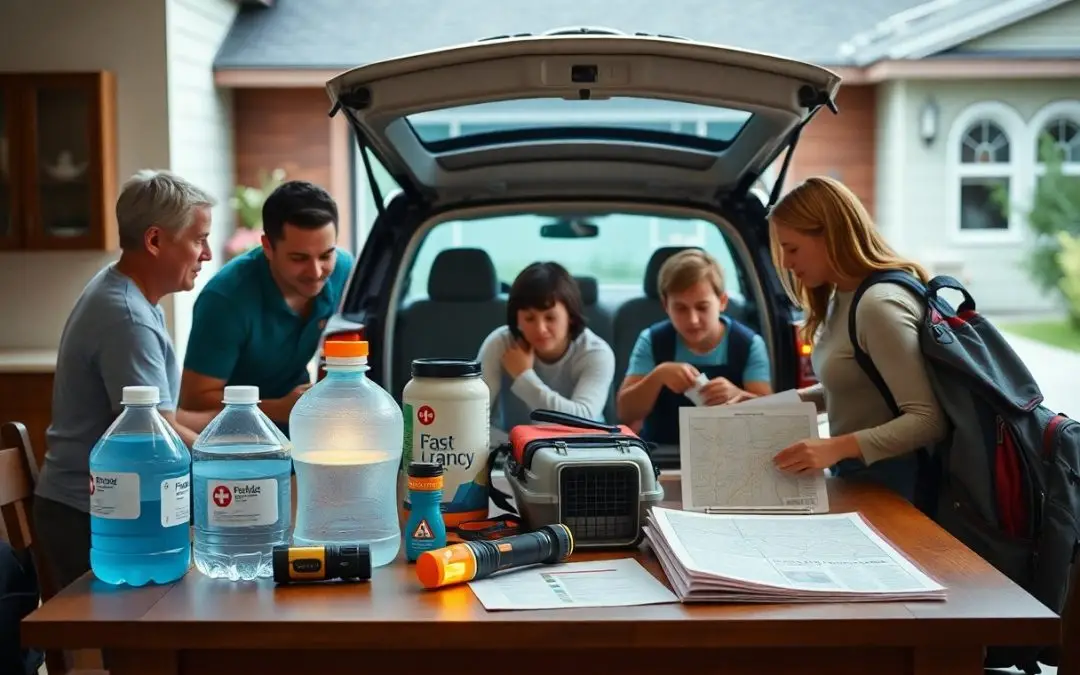
It’s important to have a clear plan before disaster strikes. You need to know evacuation routes, emergency supplies, and how to communicate with loved ones when time is short. Being prepared helps protect your family and reduces stress during emergencies. Start taking action now to stay safe.
The Gear You Carry
Every family member should have a personal emergency bag packed and ready. Your gear must support survival for at least 72 hours, including clothing, documents, and important supplies. Keep it lightweight, accessible, and tailored to each person’s needs. This preparation ensures you can leave quickly and safely when time matters most.
Rations and Sustenance
You need non-perishable food that requires no cooking or refrigeration. Pack high-calorie, nutrient-dense items like granola bars, dried fruit, and ready-to-eat meals. Include a manual can opener and disposable utensils. Rotate your supplies every six months to maintain freshness and avoid spoilage during an emergency.
Tools for Repair
A few basic tools can fix critical gear during evacuation. Include duct tape, zip ties, a multi-tool, and a small sewing kit. These items help patch clothing, secure bags, or repair equipment on the move. Keep them in an easily accessible pocket of your emergency pack.
Having the right tools means you’re never fully stranded when something breaks. A multi-tool alone can serve as pliers, a knife, and a screwdriver-important for unexpected fixes. Duct tape seals leaks in shelter materials or water containers, while zip ties secure loose straps or gear. These small items take up little space but offer real solutions when resources are limited.
The Map and the Road
Every family should have a clear understanding of how to get out quickly and safely when time matters most. Knowing your surroundings and planning ahead turns confusion into confidence during emergencies. A well-practiced route can make all the difference when seconds count.
Primary Exit Routes
You likely use the same roads every day, and those may be your fastest way out. Identify the main routes from your neighborhood to designated shelters or safe zones. Practice this path with all family members so everyone knows exactly where to go.
Alternative Paths
Unexpected roadblocks or closures can stop your escape if you’re unprepared. Always know at least one backup route from your home and from common locations like school or work. These paths should avoid highways that may clog and use local streets that remain passable.
When disaster strikes, traffic patterns shift and familiar roads may become impassable. You must consider side streets, rural roads, or less-traveled corridors that connect to major evacuation arteries. Practice these alternate paths during daylight and at night, noting landmarks and potential hazards. This foresight ensures you’re never stranded without a plan.
Keeping the Circle Whole
Every family deserves to reunite quickly and safely when disaster strikes. Planning ahead ensures no one is left behind, especially children, elders, or those with special needs. You hold the power to protect your circle by preparing together, staying informed, and practicing your plan regularly.
Family Meeting Points
Choose two nearby locations where everyone can gather if separated during an evacuation. One should be close to your home, like a neighbor’s mailbox, and another outside your neighborhood in case you can’t return. Make sure every family member knows both spots, including children and caregivers.
Signal Methods
Decide how you’ll contact each other if phones don’t work. A simple code word or message through a trusted relative can confirm safety. Texts often go through when calls fail, so agree on using them first during emergencies.
Your signal methods should be simple and reliable. Consider using a shared online status update via a family group or social media, which can inform many at once without overloading networks. Practice using these signals during drills so they become second nature when stress is high.

Leaving the House Behind
Once your family is safe, securing your home becomes your next priority. Turn off appliances, lock doors and windows, and follow your evacuation plan without delay. Every second counts, so stick to your checklist and avoid last-minute distractions that could slow your departure.
Closing the Main Valves
Shut off your home’s main water, gas, and electrical valves before leaving. Doing so reduces the risk of leaks, fires, or flooding while you’re away. Locate these valves ahead of time and make sure every adult in the household knows how to operate them quickly.
Safeguarding the Papers
Grab crucial documents like IDs, insurance policies, medical records, and bank information before you go. Keep them in a waterproof, portable container that’s easy to carry. Having these on hand speeds up recovery and helps prove your identity when needed.
Think of your important papers as your family’s backup memory-lost documents can delay aid, housing, or medical care. Store digital copies in a secure cloud service and carry a USB drive in your go-bag. If time allows, take photos of each document with your phone and email them to a trusted contact outside the danger zone.
The Animals We Keep
Every pet in your home changes your evacuation plan. You’re responsible for their safety just as much as your own. Include all animals-dogs, cats, birds, even reptiles-in your emergency preparations. Know which shelters accept pets and keep carriers or leashes ready. Never leave animals behind; they rely on you when danger strikes.
Crates and Leashes
Keep a sturdy crate and leash packed for each pet. These tools protect your animal during transit and help first responders assist them. A labeled crate with blankets and waste supplies makes transport smoother. You’ll stay calm knowing your pet is secure when roads are chaotic.
Rations for the Dog
Store at least three days’ worth of dog food in airtight containers. Your dog’s diet matters during stress, so stick to their usual brand. Include collapsible bowls and clean water in your kit. You’ll avoid digestive issues and keep energy levels stable when routines fall apart.
Choosing the right rations means more than just filling a bowl. Dogs under stress can develop sensitive stomachs, so sudden food changes should be avoided. Pack food that matches what they eat daily, and rotate it every few months to prevent spoilage. If your dog takes medication, include it with the rations and keep dosage instructions handy. You’re not just feeding them-you’re maintaining a sense of normalcy when everything else feels uncertain.
Final Words
So your safety begins with clear plans and practiced steps. Know your evacuation routes, keep emergency supplies ready, and stay informed through trusted sources. You are responsible for acting quickly when warnings come. Make sure every family member understands what to do and where to go. Prepared families respond faster and stay safer.


