
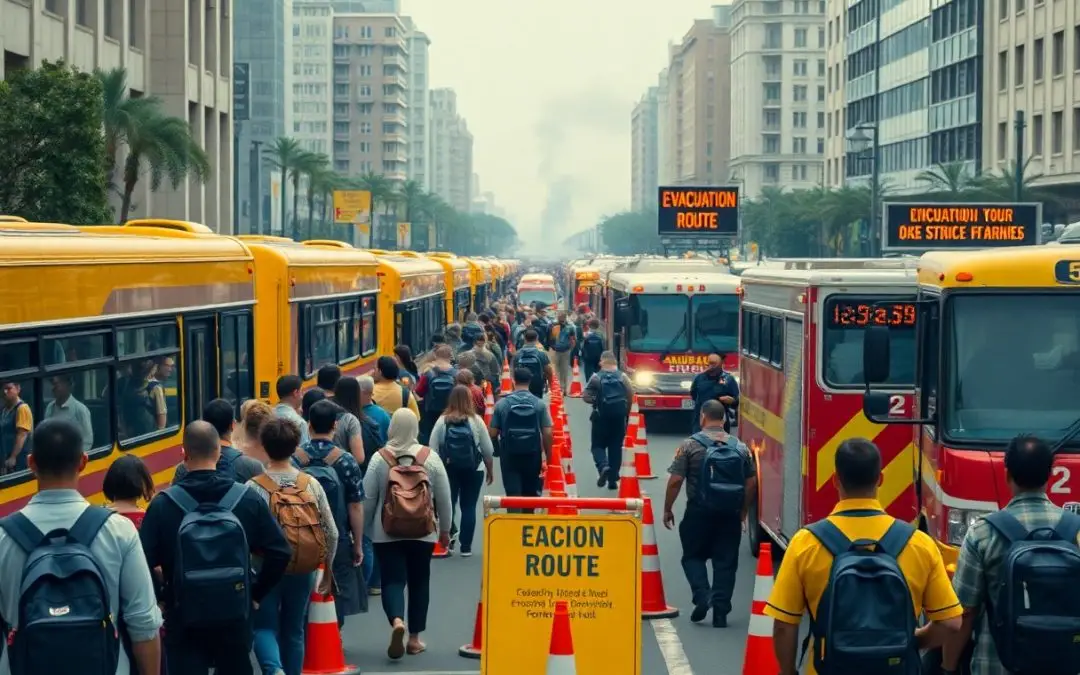
Most large-scale emergency evacuations begin with little warning, requiring swift action on your part. You will face crowded routes, limited information, and possible delays. Knowing evacuation protocols, having a plan, and staying calm improve your safety. Authorities will direct traffic and provide updates-follow their instructions without hesitation.
The Call to Leave
When authorities issue an evacuation order, you’ll typically hear it through official channels without delay. This directive means immediate action is required-there’s no time to wait or confirm through informal sources. You must treat the instruction as binding and begin preparing to move right away.
The Radio Voice
A calm but urgent voice on the radio delivers instructions you can’t afford to ignore. You’ll hear your location named, the reason for evacuation, and where to go. This broadcast is repeated often, so even if you miss the first alert, you’ll likely catch the next.
The Sound of Sirens
Sirens split the air with a rising and falling wail that signals danger is near. You’ll recognize it as a universal warning-your cue to stop, listen, and act. These sounds mean automated systems or emergency crews are confirming the threat and urging immediate response.
Sirens are not random noise; they follow patterns designed to capture attention across distances. A steady three-minute blast often indicates a confirmed emergency requiring evacuation. You may hear variations depending on your region, but when you hear them, assume the situation is serious and your departure is urgent.
The Things You Carry
Every item you take during a large-scale evacuation shapes your safety and comfort in the hours ahead. Space is limited, so choices matter-focus on what sustains life, ensures mobility, and preserves access to critical information when systems fail.
Meat and Water
You need calories and hydration that last without refrigeration. Pack sealed, ready-to-eat meats like jerky or canned tuna, and prioritize water-aim for one gallon per person per day. These supplies keep energy up when aid may be delayed.
Temperatures rise fast when thousands flee at once. You’ll face long stretches of sunbaked asphalt with little shade, and vehicles packed with people and supplies. Air conditioning fails under strain, and rest stops become overcrowded. Staying hydrated and checking on others can make the difference between endurance and crisis during these grueling stretches. Traffic grinds to a halt as main highways swell beyond capacity. You’re likely to sit for hours, engines idling, with emergency vehicles weaving through lanes. Delays multiply at intersections where signals fail or fuel runs low. Patience and calm help you stay alert when progress feels impossible. Dirt roads become your only option when highways jam. You’ll face uneven terrain, dust clouds, and vehicles not built for off-pavement travel. These routes lack signage and emergency support, so navigation relies on instinct and local knowledge. Proceed slowly-hidden ruts or washouts can disable a vehicle in seconds. When you take dirt paths, every decision carries weight. These routes are rarely maintained during crises, and rainfall can turn them into mud traps overnight. You may encounter stranded drivers or blocked passages from fallen trees. Carrying a physical map, spare tires, and extra water becomes important. Other evacuees might follow your trail, so marking hazards-if safe-can protect those behind you. Shelter often brings people together under one roof, where shared space becomes a temporary community. You’ll find families, strangers, and emergency staff coexisting in close quarters, relying on cooperation to manage stress and limited resources. This collective environment shapes how evacuations unfold and how quickly normalcy returns. Space fills quickly when evacuees gather indoors. You’ll stand or sit where you can, often near others you don’t know. Personal boundaries blur, and patience becomes necessary as movement is restricted and basic needs wait in line. Quiet often spreads without warning. You may notice conversations drop and phones go dark. This silence isn’t empty-it’s a collective pause, a moment of listening, waiting for instructions or signs of safety. That silence serves a purpose. You’re not just waiting-you’re tuning in. Emergency personnel rely on calm conditions to communicate updates, direct movement, or assess danger. When everyone lowers their voice or stops talking, it creates space for critical information to be heard, helping keep the evacuation orderly and effective. You hear about the evacuation through multiple channels, each delivering urgent updates in real time. Officials brief reporters with clear instructions, and you quickly learn the scale and direction of the threat. Staying informed becomes your first line of action, shaping every decision in the hours ahead. Radio broadcasts cut through the noise with live updates from emergency personnel. You tune in to catch changing routes, shelter availability, and time-sensitive warnings. These voices guide you when other systems fail, offering reliable information even when power flickers. Signs taped to storefronts or posted at intersections give you clear, concise directions when digital networks go down. You rely on these printed notices to confirm evacuation zones and shelter locations, especially in neighborhoods where signals are weak or electricity is lost. These physical postings are often placed by local authorities or community volunteers at key access points-libraries, grocery stores, transit stops. They include maps, emergency numbers, and symbols for those with language barriers. You may not think to look for them at first, but once spotted, they become crucial guides when technology falls short. Returning home after a large-scale evacuation brings mixed emotions. You may feel relief, anxiety, or even confusion as you approach familiar surroundings altered by crisis. Authorities will guide re-entry based on safety assessments, so follow official instructions closely and stay alert to changing conditions upon your return. Before stepping inside, scan the area for immediate threats. Look for downed power lines, gas leaks, or structural damage that could put you at risk. If anything seems unsafe, do not enter-wait for emergency personnel to evaluate the situation and give the all-clear. Once cleared to enter, move slowly and assess each room for damage. Check walls, ceilings, and floors for cracks or sagging. Your home may appear intact from the outside but hide hazards within, so take care not to trigger further damage or injury. Inspecting your house thoroughly means testing utilities only when safe to do so. Turn on lights and appliances cautiously, and avoid using water until local officials confirm it’s safe. Document any damage with photos for insurance claims, and mark hazards clearly for repair crews. Mold, contaminated surfaces, or compromised foundations may not be obvious at first glance, so consider professional evaluations if in doubt. Following this guide, you understand what to expect during large-scale emergency evacuations. You will face structured coordination, possible delays, and clear directives from authorities. Your cooperation and readiness improve outcomes. Stay informed, follow instructions promptly, and prioritize safety for yourself and others throughout the process.The Great Traffic
The Dirt Paths
The Common Roof
The Crow游戏副本 Floor
The Rule of Silence
The News of the Day
The Radio Wire
The Paper on the Wall
The Return to the Land
The Danger Check
The House Inspection
Summing up


