
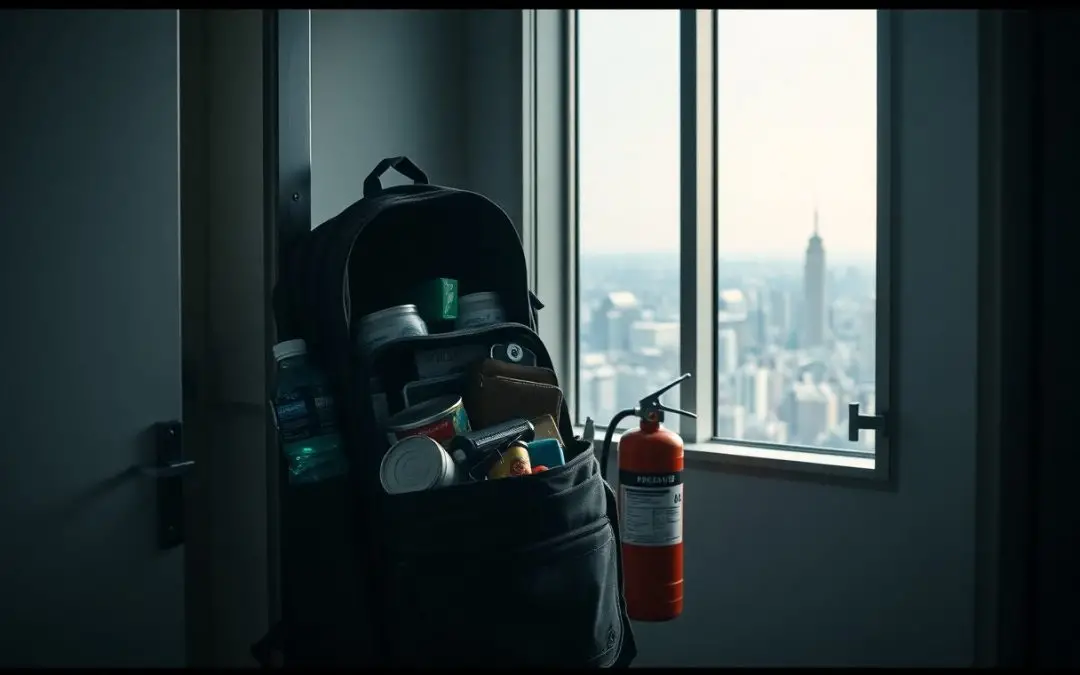
Many city dwellers overlook basic emergency steps because space is tight and risks seem distant. You live in a dense environment where power outages, fires, or severe weather can disrupt life quickly. Knowing evacuation routes, securing emergency supplies, and staying informed protects you and those around you when seconds count.
The Bag for Going
Every urban dweller needs a go-bag ready in minutes. Yours should be lightweight, accessible, and packed with crucials tailored to city evacuation routes and shelter options. Store it near your door, not buried in a closet. You won’t have time to search when seconds count.
Rations for the Concrete Jungle
You’ll rely on non-perishable, compact food that fits small spaces and requires no cooking. Think energy bars, dried fruit, ready-to-eat meals, and powdered drinks. Rotate them every six months. In a high-rise with limited access to supplies, your stored rations could last longer than expected.
Tools for the High-Rise
A compact toolkit helps you adapt when elevators fail or utilities shut down. Include a flashlight, whistle, multi-tool, duct tape, and a manual can opener. These items solve common urban problems fast, especially when you’re on the 12th floor with no power and no way down.
When trapped in a high-rise during a blackout or evacuation delay, your tools become lifelines. A hand-crank radio keeps you informed without batteries. A portable door jammer adds security if building systems fail. Even a small roll of heavy-duty tape can seal broken windows or repair gear. Choose gear that’s lightweight but tough-every ounce must earn its place in your bag.
The Water and the Jugs
Every apartment dweller needs a reliable water supply when emergencies strike. Store at least one gallon per person per day, aiming for a three-day supply minimum. Use clean, food-grade jugs and replace the water every six months to keep it safe and fresh.
Storage in the Closet
You likely already use your closet for everyday items, but it can double as a discreet water storage spot. Stack sealed jugs on higher shelves to save floor space and avoid tripping hazards. Just make sure the area stays cool and out of direct sunlight.
Filtration from the Tap
Your tap water may become unsafe during outages or contamination events. A portable filter gives you peace of mind when refilling jugs. Choose a model certified to remove bacteria, parasites, and heavy metals for reliable protection.
Filters like those with hollow fiber or ceramic elements can process hundreds of gallons without power. You simply pour water through or connect them to standard bottles. They’re compact, easy to use, and ideal for small living spaces where counter space is limited. Test your filter periodically to ensure it performs when needed most.
The Radio and the People
Having a working battery-powered or hand-crank radio keeps you informed when power and internet fail. You’ll receive official updates on weather, evacuations, and city services even in the densest urban zones. This simple device connects you to the larger community response when other systems go quiet.
Radio Signals in the Canyon
City skyscrapers can block emergency broadcasts, creating dead zones in your building or block. Test your radio in different spots near windows or higher floors to find the clearest signal. Knowing where reception works best ensures you won’t miss critical updates during a crisis.
Staying Close to Neighbors
People on your floor or in nearby units may have skills, supplies, or information you don’t. Introduce yourself now, so you’re not strangers when help is needed. A quick chat in the hallway today builds trust that could save time and lives later.
Building real connections with neighbors increases your resilience far beyond what any gadget can offer. You might learn an elderly tenant needs assistance during a blackout, or discover someone has medical training. These relationships turn a collection of apartments into a responsive, aware community when emergencies strike.
The Stairs and the Alleys
When elevators fail and power goes out, your building’s stairwell becomes your main route. You need to know every turn, every landing, and how your neighbors might use it during an evacuation. Stay aware of obstacles and keep a light handy-your safety depends on moving quickly and clearly when seconds count.
Stairs and the Heavy Door
That heavy fire door at the base of the stairs could slow you down if you’re not prepared. Test its swing now, and note whether it requires a key or special release. In an emergency, hesitation at this point could delay your exit or block others trying to get out behind you.
Mapping the Side Streets
Your building’s back alleys and side streets may offer faster escape routes or access points during a crisis. Walk them during the day to spot locked gates, debris, or hazards that could stop you at night. Knowing these paths gives you options when main roads are blocked.
Side streets often remain passable when major avenues are congested or closed. You might discover a direct path to a transit hub, shelter, or hospital that most people overlook. Carry a simple paper map or save offline directions on your phone-digital signals can vanish when they’re needed most. These quiet routes can also help first responders reach you faster if you’re trapped or injured.

The Door and the Kit
Every second counts when danger strikes, and your front door is the first line of defense. Reinforcing it with a steel frame and quality lock buys you time. Pair that with a ready emergency kit, and you’re prepared to act or wait safely until help arrives.
Locking the Steel Frame
Strength starts at the frame. A solid steel door frame with reinforced strike plates resists forced entry far better than standard hardware. You should install long screws into wall studs so the frame holds firm under pressure, keeping threats outside where they belong.
Supplies for the Long Wait
You may need to stay put for days after a disaster. Stock water, non-perishable food, medication, and a hand-crank radio. These vitals keep you safe and informed without relying on outside help during the critical window.
Extended sheltering demands more than just food and water. Include hygiene items like wipes, masks, and trash bags to maintain cleanliness in tight spaces. Add blankets, a flashlight with extra batteries, and copies of important documents in a waterproof container. These items help you manage discomfort and stay functional when utilities fail and movement is restricted. Planning for duration reduces panic when the situation stretches beyond a few hours.
Conclusion
With this in mind, you are responsible for knowing how to respond when emergencies strike in apartment or city environments. Your awareness of evacuation routes, emergency contacts, and basic supplies directly impacts your safety. Staying informed and prepared ensures you can act quickly and effectively when every second counts.


