
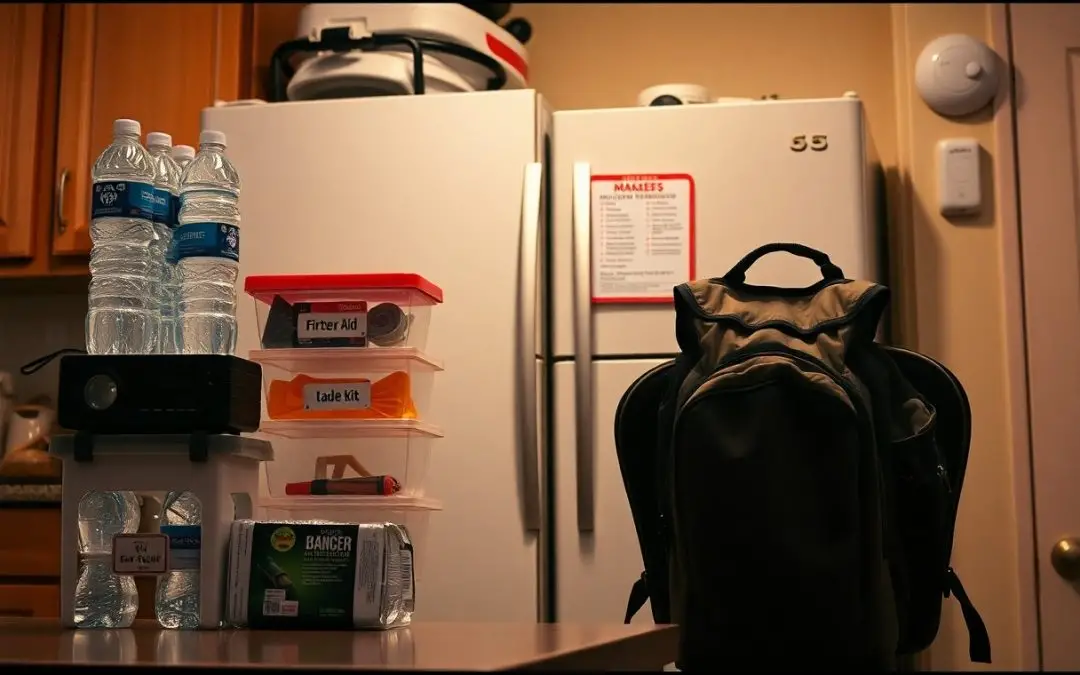
This guide shows you how to build a practical emergency plan your family can follow calmly. You’ll learn to gather supplies, communicate clearly, and practice responses without causing fear. With straightforward steps and a steady approach, you keep everyone informed and ready-without the stress.
Identifying Local Risk Factors and Household Vulnerabilities
- Review your area’s history of natural disasters
- Check proximity to flood zones, fault lines, or industrial sites
- Walk through your home to spot safety weaknesses
- Update smoke detectors and secure heavy furniture
Knowing your household’s unique risks helps you prepare without overreacting. A clear-eyed assessment keeps plans practical and reduces fear.
Evaluating regional environmental and weather threats
You live in a region where seasonal storms or wildfires may occur. Study historical patterns and official hazard maps to understand what could affect your area. Planning around real, local dangers keeps your family ready without feeding anxiety.
Assessing specific medical and mobility requirements
Your household may include someone with a medical condition or limited mobility. Identify medications, equipment, or evacuation needs in advance. Knowing what’s required ensures care continues during disruptions.
Someone in your home might rely on electricity for medical devices or need extra time to evacuate. Document prescriptions, emergency contacts, and backup plans. Keep a printed summary in your emergency kit so help arrives faster if needed.
How to Introduce Emergency Concepts to Family Members
Start the conversation during a calm moment, not in response to breaking news or a crisis. Frame preparedness as a normal part of responsible household management, like having insurance or changing smoke detector batteries. Use everyday examples to make the topic relatable and reduce resistance.
Utilizing calm and transparent communication techniques
Practice open dialogue by sharing facts without exaggeration. Let each person express concerns and respond with patience. Keep your tone steady and your answers clear, so everyone feels heard and informed without feeling overwhelmed by uncertainty.
Focusing on empowerment rather than fear-based narratives
Shift the focus from danger to capability. Instead of describing what could go wrong, highlight what each person can do-like packing a bag or knowing an evacuation route. This builds confidence and encourages participation without triggering anxiety.
When you emphasize skills and readiness, family members begin to see themselves as active problem-solvers. Teach simple actions like turning off utilities or assembling a kit, and assign age-appropriate roles. Seeing their contributions matter turns uncertainty into a sense of control, making preparedness a shared strength, not a source of dread.
How to Design a Functional Household Evacuation Plan
Your household evacuation plan should reflect the real layout of your home and the needs of everyone in it. Start by sketching each floor, marking all doors and windows that can serve as exits. Involve all family members in the process so everyone understands their role during an emergency.
Mapping primary and secondary exit routes
Every room should have at least two ways out in case one is blocked. Identify the fastest path to the outside from each space, then mark a backup-like a window or alternate doorway. Practice using both routes so they become second nature during high-stress moments.
Designating safe meeting locations outside the home
Choose a spot a safe distance from your house where everyone will gather after evacuating. It should be easy to reach and recognizable even in poor visibility. This helps ensure all family members are accounted for without risking a return inside.
Think beyond just the front yard. A neighbor’s driveway, a specific tree, or a mailbox two houses down can serve as a reliable meeting point. If your family tends to scatter during crises, assign one adult to take a headcount while another contacts emergency services. Rotate this responsibility during drills so everyone stays prepared and no one feels overwhelmed.
Key Factors for Managing Digital and Financial Security
- Secure your online accounts with strong, unique passwords and two-factor authentication.
- Back up important financial documents in encrypted cloud storage and on external drives.
- Share access instructions only with trusted family members.
Knowing where your digital assets are and who can access them reduces stress during crises.
Safeguarding critical identification and insurance records
Store scanned copies of passports, birth certificates, and insurance policies in password-protected folders. Keep physical versions in a fireproof safe. Update them annually or after major life events.
Maintaining emergency cash reserves and digital access
Keep a small amount of cash in a secure, easily accessible location. Ensure family members know its location. Pair this with secure access to digital banking tools.
Having both physical cash and reliable digital access ensures flexibility when systems are disrupted. ATMs may fail during outages, but mobile banking can fill the gap-if login details are shared responsibly and devices are charged and protected. Balance convenience with security.
Tips for Maintaining Readiness Through Routine Drills
- Practice fire and evacuation plans every season
- Include children in age-appropriate scenarios
- Review emergency supply locations regularly
- Test communication tools like flashlights and radios
Though drills may feel repetitive, consistency builds confidence. Thou can respond calmly when real situations arise.
Scheduling regular low-impact practice sessions
Set a monthly reminder to run a quiet drill after dinner. Walk through escape routes or test how fast you gather go-bags. These brief moments keep everyone familiar with the plan without causing stress. Routine makes action instinctive when it matters most.
Updating contact information and supply expiration dates
Check your emergency contact sheet and supply kit every three months. Replace expired water, medications, and batteries without making a big event of it. Keeping details current ensures help reaches the right people and your resources work when needed. Thou stay prepared with small, steady actions.
Outdated phone numbers or spoiled supplies can derail a response when seconds count. Make it a habit to review your family’s contact list during daylight saving time changes. Store important numbers in multiple places-written and digital-and confirm they’re still valid. Rotate food and medicine like canned goods and first-aid items just as you would in your pantry. This quiet upkeep keeps your plan reliable without alarming anyone.
Summing up
With these considerations, you create a prepared household without feeding fear. You choose calm planning over chaos, clear instructions over confusion. Your family learns what to do because you’ve practiced, talked, and organized together. Confidence comes from action, not anxiety. You’ve built readiness through steady, thoughtful steps.


