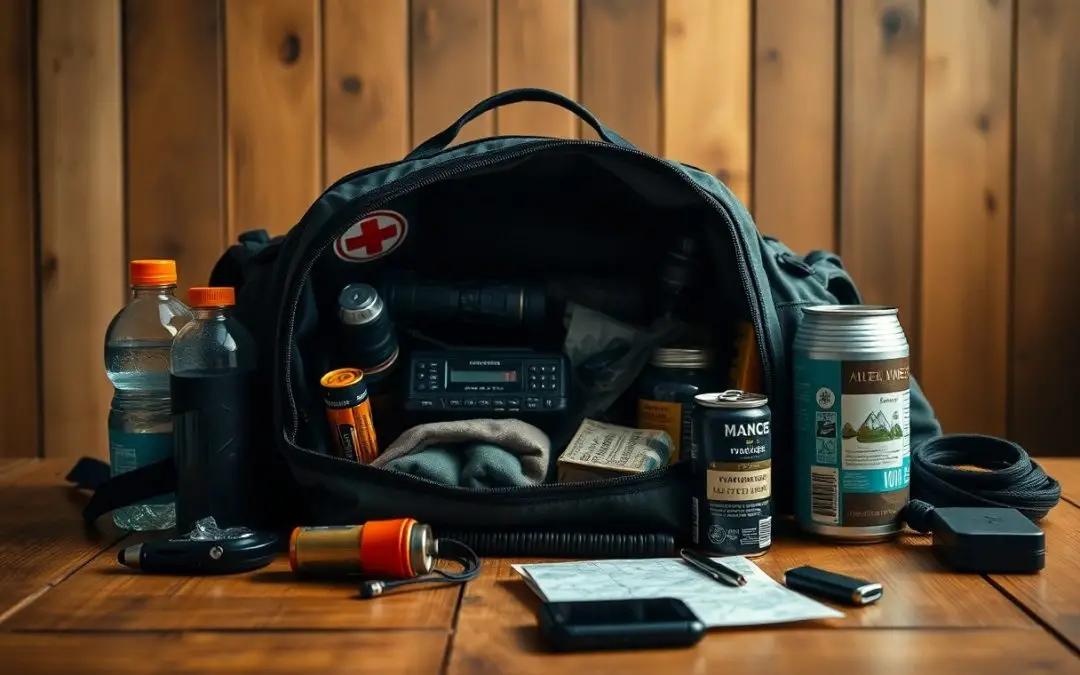
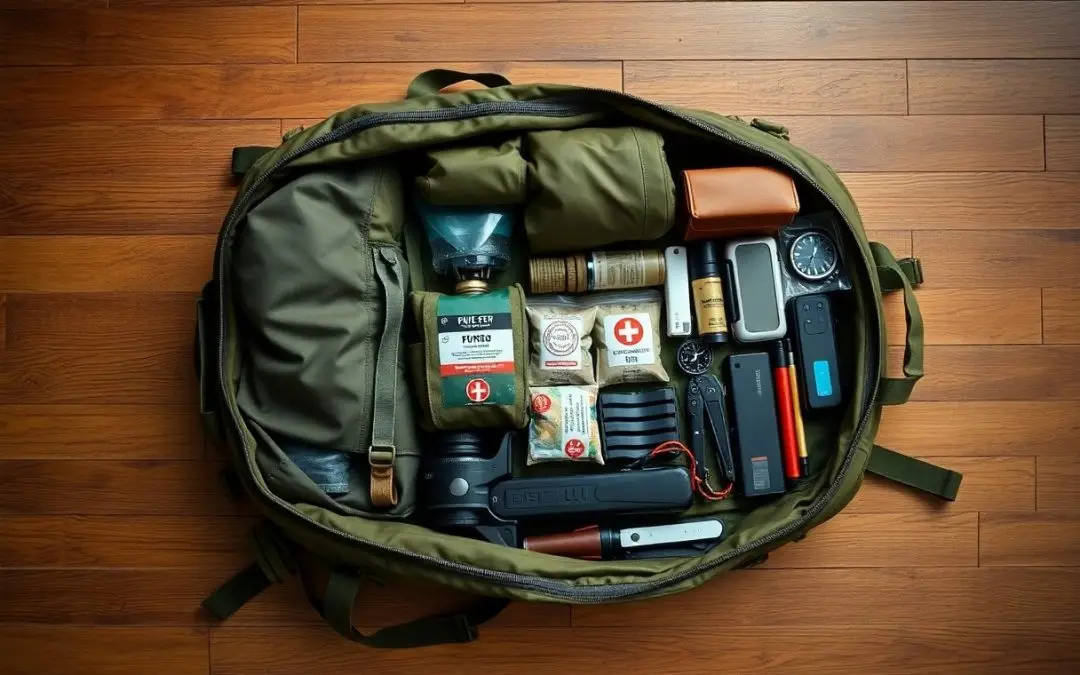
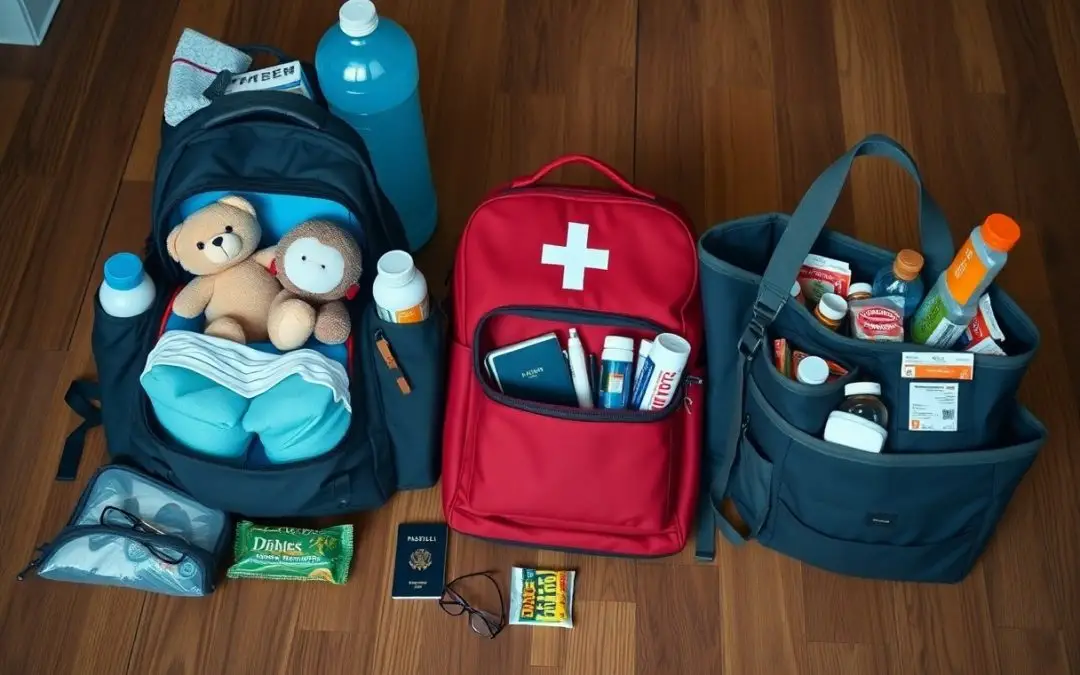
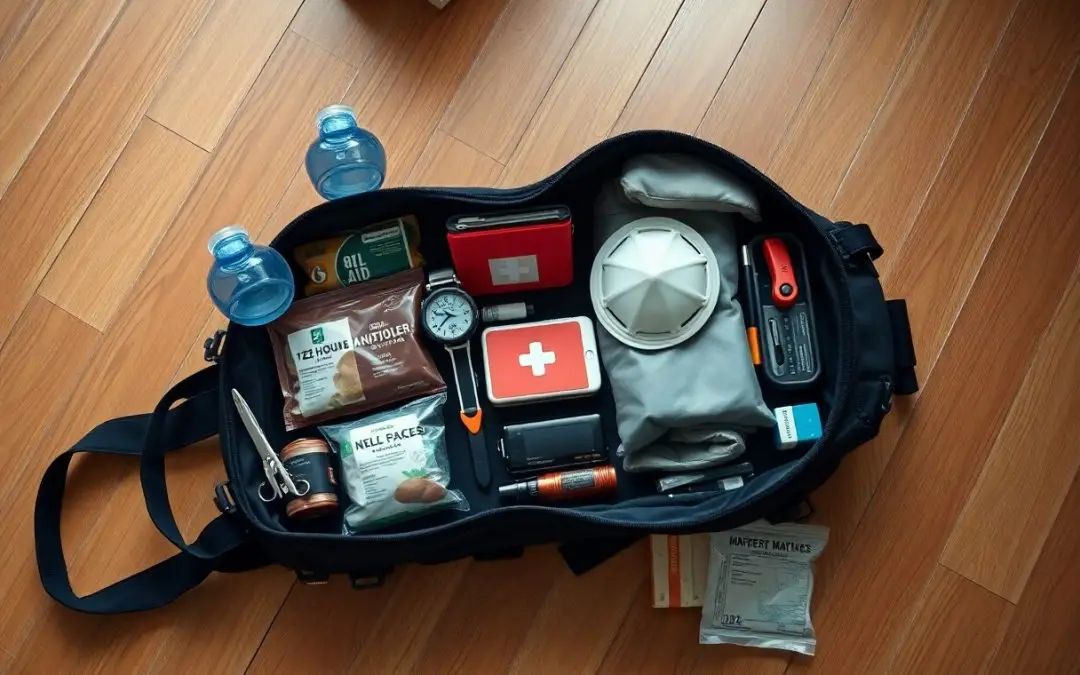
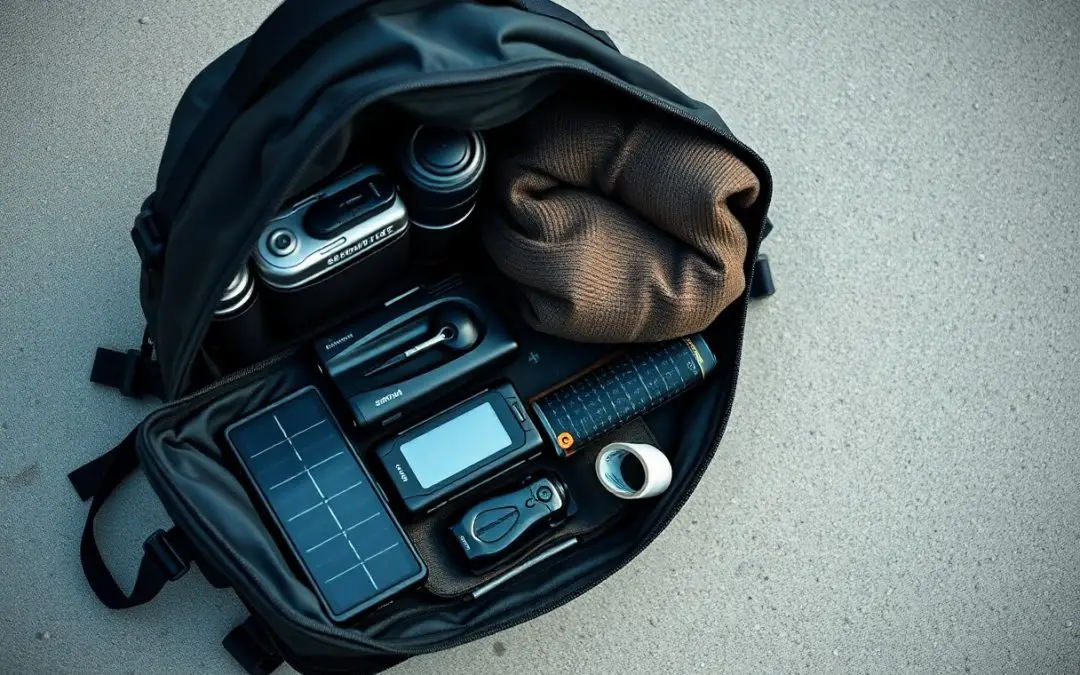
You can build an efficient go bag by focusing on vitals-water, food, first aid, shelter, and important documents-tailoring contents to your health, climate, and household needs; use a straightforward checklist, modular packing, and scheduled inspections so your kit...
Preparedness begins with a compact, prioritized go bag that gives you necessary supplies, tools, and documentation to sustain yourself for 72 hours. You should organize water, food, first-aid, shelter, communication, and power in durable packaging, label items, rotate...
Most households need customized go bags, and you should assemble yours based on family size, health needs and evacuation plans. Include water, nonperishable food, medications and copies of IDs, plus a compact first-aid kit, flashlight, multi-tool, local maps and...
It’s vital that you maintain a go bag stocked with durable food, water, first-aid, lighting, and communication tools so you can act immediately when disaster strikes; regularly rotate perishable items, check batteries and expiration dates, adjust clothing and...
Survival planning requires you to add compact, high-impact items to your kit beyond water, food, and shelter: a multi-tool, water filter or purification tablets, an advanced first-aid kit with extra meds, a reliable light source and spare batteries, a hand-crank or...