

Compact first aid kits are important tools for handling emergencies efficiently, whether you’re at home, traveling, or on outdoor adventures. You want to ensure that you have the right supplies on hand to address minor injuries and health issues effectively. In this post, we’ll explore the best compact first aid kits available, highlighting their features so you can choose the perfect one for your needs. Stay prepared for any situation with a kit that fits seamlessly into your lifestyle.

Essential Components of a Compact First Aid Kit
A well-stocked compact first aid kit contains key items that prepare you for medical emergencies. Essentials include adhesive bandages in various sizes, antiseptic wipes, gauze pads, medical tape, tweezers, scissors, and a digital thermometer. Depending on your specific needs, you may also want to include pain relievers, hydrocortisone cream, a first aid manual, and any personal medications. Prioritizing these components ensures you can address common injuries and health issues effectively while on-the-go.
Life-Saving Supplies: What You Need
Essential life-saving items in your first aid kit include CPR face shields, emergency blankets, and an auto-injector for severe allergic reactions, like an EpiPen. Having these supplies can make a significant difference in critical situations. Bandages, antiseptics, and a tourniquet for severe bleeding also belong in this category. They allow you to act quickly and effectively when faced with emergencies that require immediate intervention.
Organizational Strategies for Efficiency
Organizing your first aid kit can enhance accessibility during emergencies. Utilize clear, labeled compartments to categorize items, such as wound care, medications, and tools. Assign specific spots for frequently used supplies, allowing you to quickly locate them when needed. Consider incorporating color-coded zip bags for quick identification and ensure everything is lightweight and easy to carry without compromising its content.
Efficient organization of your first aid kit not only speeds up response times but also reduces the stress of searching through jumbled supplies in emergencies. You could implement a checklist for your kit, ensuring no critical components are overlooked during restocking. Regularly review your kit to replace expired items or those that have been used, keeping it always ready for any situation that might arise.
Top Picks for Compact First Aid Kits
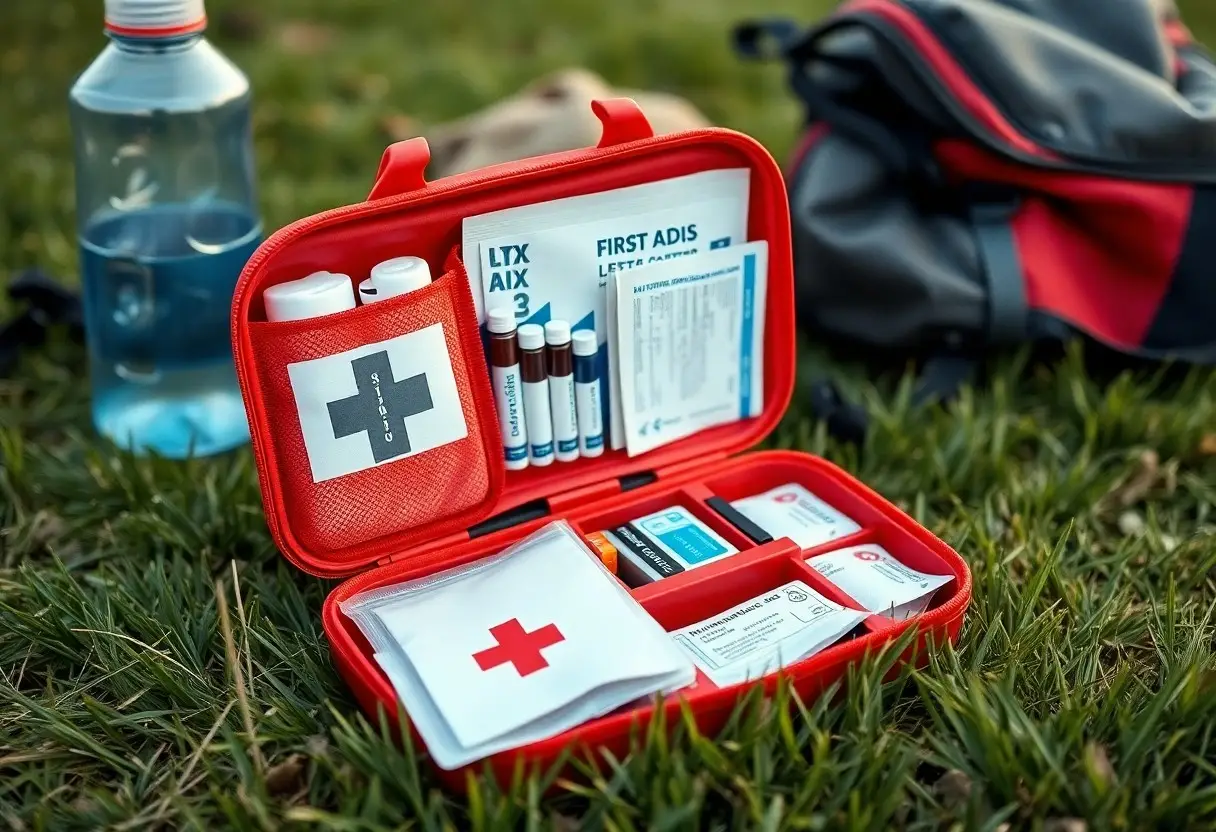
Your choice of a compact first aid kit can significantly influence your preparedness level during emergencies. With various options available, we’ve narrowed down the best kits designed for specific needs, from outdoor activities to home use. Each kit on this list stands out for its portability, comprehensive contents, and user-friendly design, ensuring that you stay equipped no matter the situation.
The Best Kits for Outdoor Adventures
If you spend a lot of time in nature, selecting a kit like the Adventure Medical Kits Mountain Series is vital. This specialized kit includes items tailored for hikers and campers, such as wilderness-specific treatments and vital tools like a whistle and fire starter, ensuring you are ready for any outdoor emergency.
Ideal Kits for Home and Car Use
Your home and vehicle require ready access to first aid supplies, making a kit like the First Aid Only 299 Piece All-Purpose First Aid Kit an excellent choice. Packed with a variety of supplies, this kit ensures you’re prepared for diverse medical situations, from treating minor cuts and scrapes to addressing more serious incidents, all while being conveniently stored in a durable case.
Having a reliable first aid kit at home and in your car is fundamental for immediate response to injuries. The First Aid Only kit includes important items like adhesive bandages, antiseptic wipes, and a cold pack, covering a broad spectrum of first aid applications. This extensive selection allows you to address various situations effectively, keeping your family safe and prepared for unexpected accidents.
Budget-Friendly Options without Sacrificing Quality
Affordable options like the AOVO First Aid Kit show it’s possible to balance quality with cost. This kit includes 110 pieces of vital gear, such as gauze pads, scissors, and gloves, ensuring that you won’t compromise on safety or preparedness. It’s a perfect example of how you can be well-equipped without breaking the bank, providing you peace of mind during everyday situations.
Evaluating Quality and Reliability
Quality and reliability are paramount when selecting a compact first aid kit. High-grade materials and well-constructed components ensure that the kit withstands the rigors of travel, while the reliability of your supplies can make a significant difference in an emergency. Look for kits that are designed with durable, waterproof cases and sturdy closures to keep contents safe and secure. Additionally, customer reviews and expert recommendations can provide invaluable insights about the performance of a first aid kit during critical moments.
Understanding Certifications and Standards
Certifications and industry standards can act as benchmarks for quality in first aid kits. Look for kits that meet or exceed guidelines set by organizations such as the American National Standards Institute (ANSI) or the International Organization for Standardization (ISO). These certifications indicate that the kit has been rigorously tested for performance and safety, giving you confidence in your choice.
How to Gauge the Shelf Life of Supplies
Shelf life is a critical factor in your first aid kit’s effectiveness, as expired supplies may not function as intended. Always check the expiration dates on items like medications, antiseptic wipes, and bandages. Many items typically have a shelf life of 3 to 5 years, while some medications may last longer. Keep track of these dates and routinely replace expired supplies to ensure that your kit remains ready for use.
To assess the shelf life of supplies, look at packaging and labeling. Many manufacturers provide clear expiration dates on the product, while others offer a “best by” date that suggests optimal efficacy. It’s wise to periodically go through your compact first aid kit, ideally every six months, removing any expired items and replacing them with fresh supplies. Some items, like gauze and adhesive tape, might not have a clear expiration date but can degrade over time; ensure the integrity of these products by examining them visually and feeling for any compromise in their texture or adhesion.

Customizing Your First Aid Kit for Specific Needs
Adapting your first aid kit to meet specific requirements can increase its effectiveness during an emergency. Think about your daily activities and potential risks; whether you’re hiking, traveling, or simply at home, tailor the contents accordingly. Adding unique items such as personal medications, specific bandages for known injuries, or even comfort items like antiseptic wipes can ensure you’re well-prepared for a variety of scenarios.
Kits for Families: Catering to All Ages
When assembling a first aid kit for families, consider the diverse needs of all ages. Include child-friendly items like smaller, softer bandages, a digital thermometer, and liquid pain relievers suitable for children. For elderly family members, add items like strong adhesive bandages for fragile skin and reading glasses for medication instructions. Personalizing the kit ensures that everyone in the family can respond effectively in an emergency.
Specialized Kits for Allergies and Medical Conditions
For individuals with allergies or chronic medical conditions, a specialized first aid kit can be a lifesaver. This might include EpiPens for severe allergies, emergency asthma inhalers, and any necessary medication for diabetes or heart conditions. Customizing your kit to reflect both common and unique health needs transforms a standard kit into a reliable resource when time is of the essence.
For example, if you or a family member has severe food allergies, it’s vital to include multiple EpiPens and an emergency allergy action plan. Similarly, diabetic individuals should pack glucose tablets and snacks to quickly address hypoglycemia. Having a detailed list of medications, dosages, and emergency contacts ensures that anyone can assist effectively in situations that demand rapid medical responses. A little foresight can make a significant difference in outcomes during emergencies.
Practical Tips for Maintaining and Updating Your Kit
To ensure your compact first aid kit remains ready for emergencies, regular maintenance and updates are key. Set a routine for checking your kit to replenish supplies and replace any outdated items. Consider the following practical tips:
- Review expiration dates quarterly.
- Restock any used items immediately after incidents.
- Customize supplies based on seasonal activities.
- Store your kit in a dry, accessible location.
Thou must not underestimate the importance of periodic evaluations to maintain the kit’s effectiveness.
Regular Check-up Schedules
Scheduling regular check-ups, ideally every three to six months, ensures you catch any expired items early. During each review, inspect the overall condition of the kit and take note of which items have been used. Take this opportunity to adapt your supplies to match any new activities or health concerns you may have, such as hiking or traveling abroad.
When and How to Replace Expired Items
Every first aid kit contains items with expiration dates, including medications and bandages. To keep your kit effective, develop a system to track expiration dates and replace items as they approach that threshold, ideally once they hit the six-month mark before expiration. Simply documenting these dates and marking your calendar can serve as an easy reminder.
Additionally, when replacing expired items, consider upgrading to newer products that may offer better effectiveness, such as advanced wound dressings or antibiotics. This also applies to any first aid manuals or guides included in your kit. Staying informed about the latest first aid recommendations ensures your kit is equipped with the best possible resources for any emergency situation.
Final Words
Now that you understand the importance of having a compact first aid kit, it’s time to choose one that fits your needs. Whether you’re heading out for a hike, traveling, or simply want peace of mind at home, a well-equipped kit ensures you can handle minor emergencies with confidence. By considering factors like size, contents, and portability, you can select the ideal kit that not only meets your requirements but is also easy to carry. Prioritize your safety and be prepared for unexpected situations with the right compact first aid kit.


