
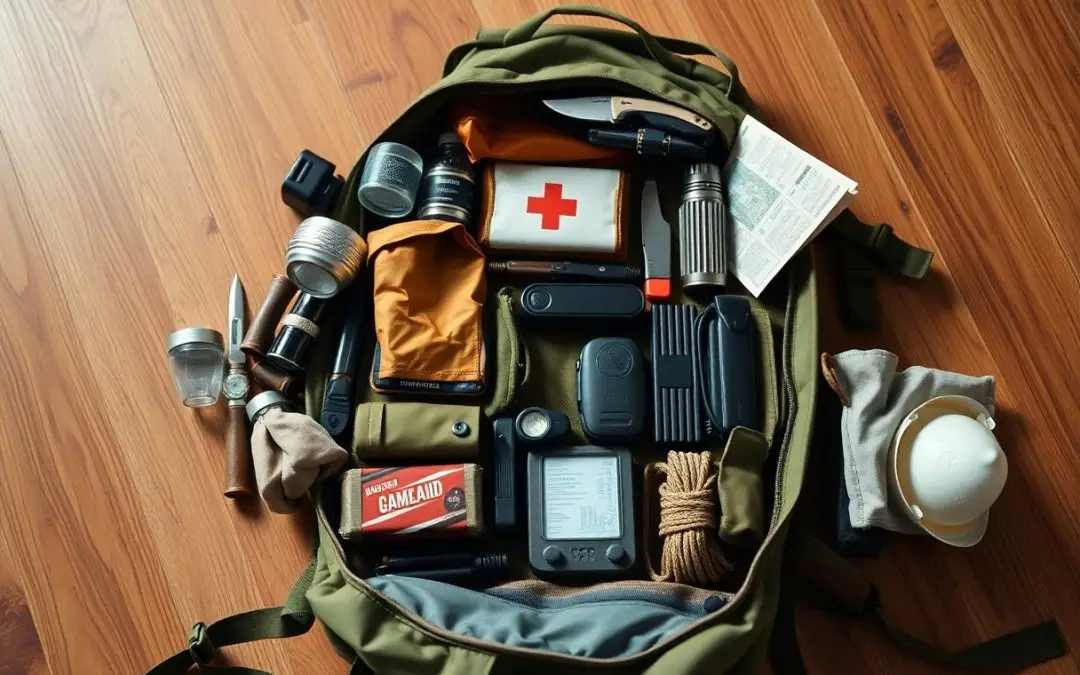
This guide shows you how to assemble a go bag focused on immediate emergencies, with water, shelter, first aid, tools, and documents, plus tips on storage, rotation, and mobility so you stay prepared and self-sufficient.
Evaluating Critical Factors for Bag Selection
Assess environment, duration, weight, and access needs before choosing a bag.
- Environment
- Duration
- Weight
- Accessibility
This checklist helps you prioritize bag features.
Durability and Load-Bearing Capacity
Inspect fabric, seams, and hardware so you can trust the bag to carry your intended load and avoid failures during transit.
Ergonomics and Weight Distribution
Balance shoulder straps, hip belt, and back padding so you keep the load centered and reduce fatigue on long carries.
Adjust load placement by packing heavier items close to your spine and atop the hip belt, use compression straps to limit shifting, and test-fit the bag with the gear you plan to carry so you fine-tune strap tension and posture before needing it in the field.
How to Build a Tiered Water and Food Supply
Stock a three-tier system: immediate-use bottles, a medium supply of sealed jugs, and long-term stored water rotated every six months; balance weight and capacity so you can carry or cache supplies where you go.
Filtration and Purification Methods
Filter systems, chemical purifiers, and UV pens give you layers of protection; match method to water source and pack spare cartridges or tablets for extended incidents.
High-Calorie, Shelf-Stable Nutrition
Pack calorie-dense bars, ration pouches, and compressed meals that survive temperature swings; prioritize items you can eat without cooking and rotate stock based on expiration dates.
Rotate high-calorie staples every six months and store them in airtight, cool places; choose dense options like nut butters, trail mixes, hardy jerky, freeze-dried meals, and military ration sachets that deliver 300-700 calories per serving. Account for allergies and special diets, carry compact fuel or a small stove if you expect to rehydrate, and label packages with purchase dates.
Essential Factors for Shelter and Warmth
Shelter choices-tarp, bivvy, emergency tent-determine your comfort and survival; prioritize quick-deploy, lightweight systems and multi-use items. Knowing how each option packs and protects you reduces guesswork when time is short.
- Tarp or bivvy for rapid shelter
- Lightweight tent for longer stays
- Ground insulation and cordage
Compact Thermal Insulation Systems
Pack compact insulation like space blankets, closed-cell foam pads, and compressible down layers; prioritize R-value and packability so you can sleep warmer without added bulk.
Weatherproof Outerwear and Protection
Choose breathable, waterproof shells and rain pants that shed wind and moisture; test zippers, taped seams, and a hooded fit so you stay dry and mobile.
Layer base wicking, insulating mid, and waterproof outer garments so you can adapt to exertion and temperature; carry a lightweight poncho and gaiters for added protection in rough terrain.
How to Assemble a Professional First Aid Kit
Pack a professional first aid kit with a durable case, organized compartments, clear inventory, and labeled supplies so you can access items quickly during emergencies.
Trauma Management and Basic Supplies
Include gauze, trauma dressings, a tourniquet, chest seals, hemostatic agents, nitrile gloves, and a CPR shield so you can address severe bleeding and airway issues immediately.
Prescription Medications and Hygiene
Store a multi-day supply of prescriptions in waterproof packaging, include dosage instructions and spare labels, plus compact hygiene imperatives so you can maintain treatment while on the move.
Keep an up-to-date medication list with generic names, dosages, prescribing physician contact, and expiration dates in a waterproof pouch; rotate supplies regularly, add backup inhalers or EpiPens if needed, and consult your pharmacist about storage conditions and stability when temperatures fluctuate.
Tips for Reliable Communication and Navigation
Keep a compact set of comms and navigation tools in reach so you can contact help and find direction when electronics fail. Assume that cellular service will be down and plan for alternative signaling.
- Carry a handheld radio with spare batteries
- Pack a whistle, signal mirror, and high-visibility tape
- Keep printed contacts and topographic maps in a waterproof sleeve
- Bring an extra charged burner phone or SIM
Redundant Power and Signaling Tools
Stock multiple power sources so you can keep comms alive: a high-capacity power bank, a compact solar charger, and spare batteries; include a hand-crank flashlight and a signal mirror for low-tech alerts.
Analog Mapping and Compass Proficiency
Practice reading paper maps and using a magnetic compass so you can orient by landmarks when GPS fails and maintain situational awareness on foot or in the vehicle.
Learn to orient maps to terrain and take bearings from visible landmarks so you can triangulate your position; practice pacing and timing to estimate distances, and keep a backup protractor, pencil, and marked waypoints in your kit.
How to Maintain and Update Your Kit
Check your kit quarterly, inspecting condition, expiration dates, battery levels, and usable packaging. You should log changes, replace spent items, and test gear like radios and stoves to ensure functionality. Keep an updated checklist in the bag and a digital copy for quick reference.
Rotating Perishable Inventory
Rotate perishable items on a strict schedule: use oldest first, write purchase dates on packaging, and swap expiring goods into daily use. You should stock replacements immediately and keep a small overflow supply so rotation doesn’t leave you short during emergencies.
Seasonal Climate Adjustments
Adapt clothing, shelter, and water-treatment supplies to seasonal extremes; swap lightweight layers for insulated garments, add cold-weather sleeping bags, and change sunscreen and insect repellent based on season. You should test gear in current conditions to confirm performance.
Plan for temperature swings and precipitation by assembling modular components: swap insulation layers, waterproof covers, and frost-rated stoves as needed. Inspect footwear fit and replace worn soles before you enter cold months. Carry both sunscreen and windproof shells; pack extra water storage for hot seasons and an insulating liner for winter to prevent freezing and maintain function.
Final Words
You should assemble a lean, practical go bag with water, food, first-aid, shelter, tools, copies of documents, and communication gear; routinely check and update supplies, tailor contents to your needs, and store the bag in an accessible location for rapid response.


