
Preparing for the Unthinkable: The Importance of Go Bags
Your Safety Net
In a crisis, every second matters. A well-equipped go bag can mean the difference between safety and chaos. Studies show that 60% of Americans are unprepared for emergencies, leaving families vulnerable. You should aim to pack supplies for at least 72 hours. Essential items include water (one gallon per person per day), non-perishable food, a flashlight, first aid supplies, and necessary medications. Personal documents, like IDs and insurance papers, should also be at the ready. Tailor your go bag to your unique situation, including items like pet supplies or infant necessities if needed.
A Family Plan
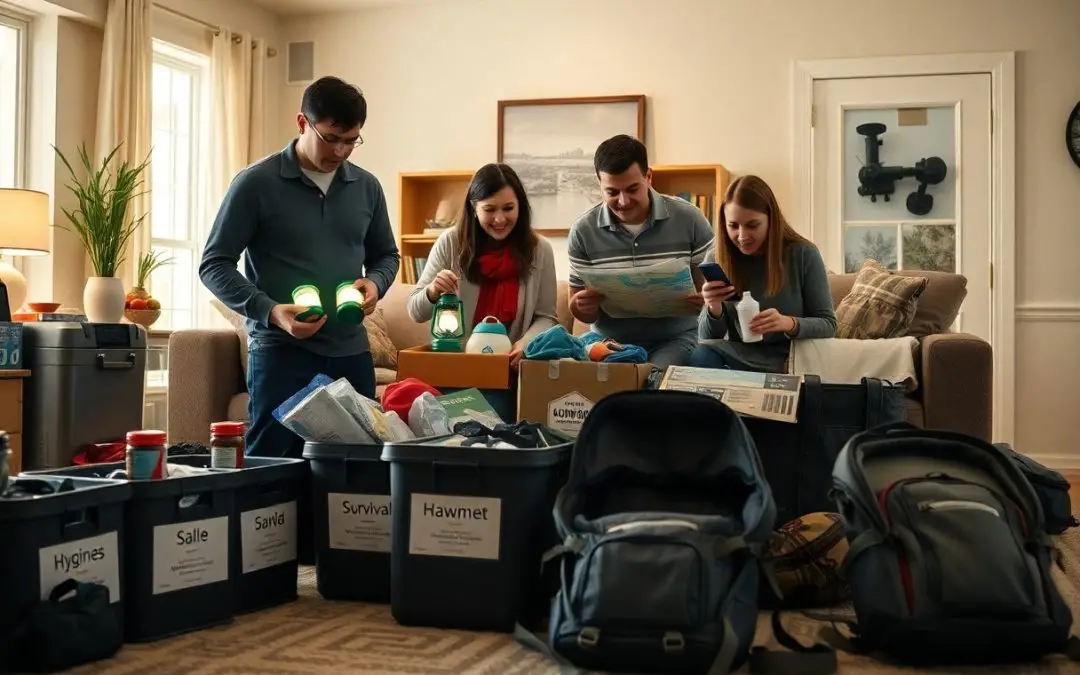
Go bags are not just for individuals; families benefit from coordinating their emergency plans. Designate a meeting point and ensure everyone knows how to communicate during a crisis. Each family member should have their own personalized go bag, packed with their specific needs. For instance, children might require comfort items like toys or blankets, while adults may need tools or extra clothing. Engage your loved ones in the process, making it a family activity that fosters awareness and preparedness.

Essential Items Every Go Bag Should Include
A go bag is only as effective as its contents. Essential items should include a durable bag, water purification supplies, non-perishable food, a flashlight, and first-aid equipment. Personal documents like IDs and insurance papers should also be included, along with extra clothing and sturdy footwear, ensuring you’re prepared for various emergencies. The right gear can make all the difference in your ability to navigate unexpected situations safely.
Basic Survival Gear: The Foundation of Preparedness
Your go bag must include fundamental survival gear that provides the basics for staying safe and self-sufficient. Consider packing a multi-tool, emergency blanket, waterproof matches, and a whistle. A reliable water storage solution, such as collapsible containers, can also aid in hydration. Tailoring these items to your environment, like adding a warm hat or gloves for cold climates, enhances your readiness.
Personal Needs: Customizing for Family Members and Unique Requirements
Each family member may have unique needs that require thoughtful customization of your go bag. For young children, include snacks and comfort items, while seniors might need medications, mobility aids, or dietary provisions. By addressing individual requirements, your go bag becomes a more effective tool for everyone in your household during a crisis.
Consider the specific needs of each family member. For example, if someone has allergies, pack appropriate medications and allergen-free snacks. Including entertainment items for children can help ease anxiety during stressful situations. Tailoring your go bag in this way not only enhances comfort but also ensures that each individual’s health and safety are prioritized during emergencies.
Emergency Supplies: Medical, Hygiene, and Food Essentials
Your go bag should also feature a well-stocked supply of medical, hygiene, and food necessarys. A first-aid kit containing bandages, antiseptic wipes, and prescription medications provides immediate healthcare support. For hygiene, consider including wet wipes, hand sanitizer, and personal hygiene products. Non-perishable food items, like energy bars and freeze-dried meals, should be packed to keep your energy levels up during emergencies.
Focus on including specific medical supplies tailored to family needs, like an epinephrine auto-injector for allergy sufferers or a spare inhaler for asthmatics. Hygiene items play a crucial role in preventing illness during prolonged emergencies, which is why wet wipes and a compact toilet kit can be vital. Planning for food storage can include calorie-dense items like MREs (Meals Ready to Eat) that provide necessary nutrients while ensuring lightweight convenience in your go bag.

Strategies for Efficient Packing and Organization
Maximizing your go bag’s effectiveness hinges on thoughtful packing and organization. Craft a packing list tailored to your family’s needs and ensure that every item has a designated spot. Use clear, labeled bags to compartmentalize necessary supplies, making it easy to locate them quickly in an emergency. Regularly review and update your contents to avoid clutter and ensure everything remains relevant, functional, and ready for use at a moment’s notice.
Prioritizing Weight and Space: The Art of Minimalism
Being strategic about weight and space prevents your go bag from becoming cumbersome. Opt for multi-purpose items, like a water filter that also stores easily or a blanket that works as a shelter. Prioritize lightweight materials, such as compact first-aid kits and dehydrated meals, to maintain mobility. Packing only what you need—without unnecessary extras—ensures you can carry your go bag easily and access necessary items swiftly.
Seasonal Considerations: Adapting Your Go Bag for Climate Changes
Your go bag must evolve with the seasons to remain effective. In winter, include warm clothing, extra blankets, and non-perishable food that can withstand cold temperatures. In summer, focus on hydration supplies, sunscreen, and lightweight gear. Tailoring your items to climate conditions enhances your preparedness, ensuring comfort and survival when faced with challenges specific to the season.
For winter months, consider incorporating thermal blankets or sleeping bags to retain body heat. Pack hand warmers and weather-resistant clothing, such as waterproof jackets and insulated gloves, to combat cold exposure. Storing items like freeze-dried meals will ensure they remain viable regardless of outdoor temperatures. During warmer months, prioritize ample water supplies, sun protection, and breathable fabrics. This seasonal adaptability not only optimizes your go bag but significantly enhances your family’s readiness for diverse weather-related challenges.

Maintenance and Readiness: Keeping Your Go Bag Effective
Effective go bags require ongoing maintenance and readiness to ensure they serve their purpose during emergencies. Regular updates and training can make all the difference when every moment counts. Focusing on your bag’s contents, skills, and preparedness ensures you and your family are always equipped to handle unexpected situations.
Regular Inventory Checks: Ensuring Vital Supplies are Up-to-Date
Conducting regular inventory checks of your go bag is crucial. Every few months, review all items to confirm they are intact, functional, and within expiration dates. Replace food, medications, batteries, and first-aid supplies as needed. A comprehensive inventory guarantees that your go bag remains a reliable resource during emergencies.
Refresher Training: Basic Skills for Using Your Go Bag in Emergencies
Refresher training focuses on familiarizing yourself with how to effectively utilize your go bag when a crisis occurs. Practicing basic skills such as first-aid techniques, navigation with a map, and emergency communication can enhance your confidence and efficiency in high-pressure situations.
Engage in training sessions at least twice a year, involving the entire family. Role-playing scenarios where you deploy your go bag can help solidify necessary skills, such as setting up a temporary shelter or using survival tools included in your kit. Knowledge of your go bag’s contents—like how to treat injuries or purify water—ensures you can respond promptly and effectively when immediate action is required.
Shifting Perspectives: Why Preparedness is Empowerment
Preparedness transforms your mindset from one of fear to one of control and assurance. By taking proactive steps, you cultivate a sense of agency that fosters confidence in uncertain situations. This shift not only prepares you physically but also mentally, ensuring you can respond to emergencies effectively, safeguarding both your well-being and that of your loved ones.
The Psychological Benefits of Being Prepared
Being prepared significantly enhances your mental resilience, reducing anxiety and stress associated with potential disasters. Knowing you have a plan and necessary supplies available fosters a sense of security. This proactive stance helps you maintain clarity and composure, allowing for rational decision-making in times of crisis.
Community and Family Resilience: The Role of Collective Readiness
Collective readiness strengthens bonds and enhances safety among families and communities. When you and your neighbors are prepared together, you create a support network that provides mutual assistance during emergencies. Shared resources, skills, and knowledge can drastically improve the overall response, ensuring everyone is better equipped to handle crises.
Communities that prioritize collective preparedness exemplify resilience through organized efforts, such as neighborhood watch programs and community drills. By participating in these initiatives, you foster relationships with your neighbors, cultivating trust and collaboration. Studies show that communities with strong preparedness initiatives not only recover faster from disasters but also experience lower levels of stress and anxiety among residents, demonstrating the power of collective action in navigating challenges together.


