
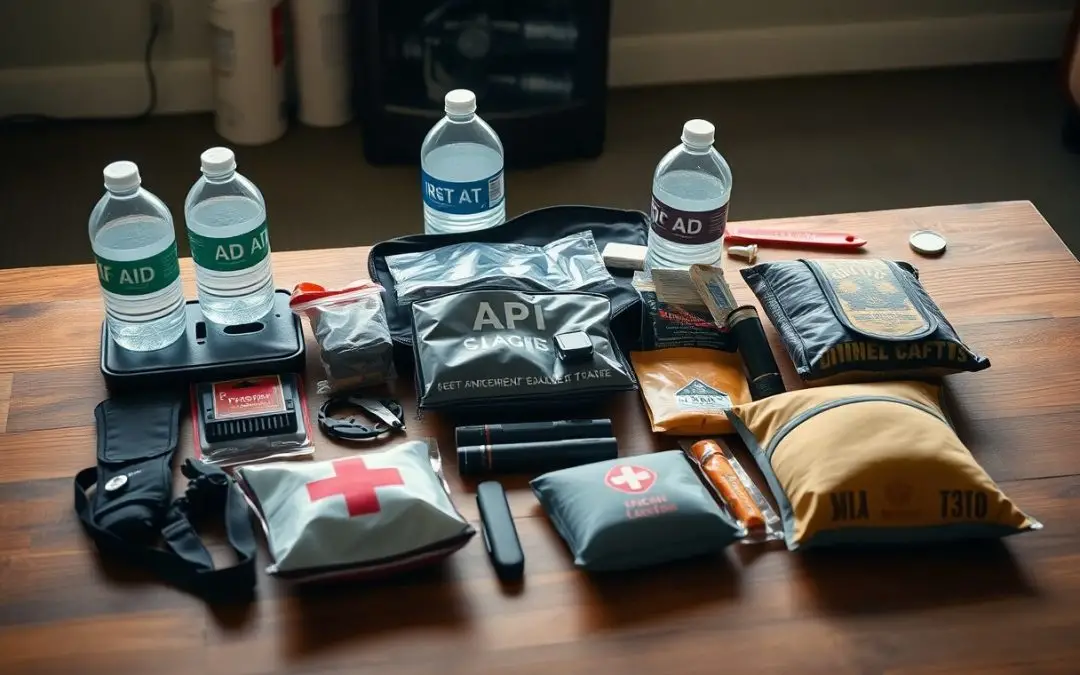
With the unpredictability of life, having a well-thought-out go bag can provide you with peace of mind. Understanding the psychology behind your packing choices can help you create a bag that not only meets your needs but is also likely to be used regularly. By examining your priorities, preferences, and potential scenarios, you can ensure that your go bag is both functional and manageable. This guide will probe into effective strategies that will empower you to pack a go bag you’ll genuinely rely on in times of need.
The Emotional Layers of Emergency Preparedness
Your emotional response to emergency situations often drives the decisions you make while packing a go bag. Understanding the psychological nuances of preparedness can help elevate your experience from anxiety-ridden to proactive and empowering. Knowing that you have the right gear ready to go can create a sense of control during chaotic times, allowing you to feel equipped rather than overwhelmed. This can deepen your connection to the items you’ve chosen, reinforcing the idea that you are prepared to face whatever comes your way.
The Fear Factor: Why We Pack
The urge to pack a go bag typically stems from a desire to mitigate fear. Concerns about natural disasters, personal safety, or unexpected emergencies can push you to gather supplies that ensure your safety and comfort. This fear isn’t entirely negative; it can serve as a compelling motivator that inspires you to take meaningful action. By addressing these fears head-on, you transform anxiety into preparedness, providing you with the mental strength needed to navigate unforeseen circumstances.
Addressing Anxiety Through Action
Taking practical steps to prepare your go bag allows you to channel feelings of anxiety into constructive actions. When you actively engage in the process—researching important items, selecting durable materials, and personalizing your supplies—you reclaim a sense of control over your circumstances. This proactive approach not only diminishes fear but also empowers you to face future uncertainties with confidence and resilience. Your well-prepared go bag stands as a testament to your willingness to take charge, equipping you not just physically but also psychologically for whatever challenges arise.
Essentials vs. Extras: The Psychology of Choice
Deciding what to pack in your go bag often boils down to a delicate balance between imperatives and extras. You might feel torn between including that nostalgic item from a past trip and sticking to strictly functional gear. Acknowledging this conflict can help streamline your choices and ensure that what you pack resonates with your immediate needs and emotional ties. The goal is to create a go bag that is both practical and meaningful, fostering a sense of preparedness without the clutter of unnecessary items.
Decision Fatigue and the Go Bag Dilemma
When the time comes to assemble your go bag, the sheer number of decisions involved can lead to decision fatigue. This mental exhaustion may result in rushed choices or reverting to default items you already have on hand, whether or not they actually serve your needs. Tackling this dilemma requires a structured approach that minimizes choices, making it easier to recall what you truly need in an emergency while avoiding the overwhelming noise of too many options.
Balancing Practicality with Personal Preference
Striking a balance between practicality and your own preferences can make or break your go bag’s effectiveness. You may wish to include items that evoke comfort, such as a favorite blanket, but sometimes they do not serve your immediate survival needs. Think about how much space and weight these sentimental items take up in relation to more critical supplies like food, water, or a first aid kit. Finding this balance involves understanding your emotional connections and integrating those into a list of must-haves that will keep you grounded in an unpredictable situation.
Balancing practicality with personal preference means being honest with yourself about what you genuinely need versus what you simply want. Conduct a thorough needs assessment for various scenarios—whether you’re evacuating due to a natural disaster, facing a personal crisis, or heading out for an extended trip. Prioritize items that will directly support your survival and comfort while also considering the psychological benefits of having personal touches that can soothe fear or anxiety. For instance, much like the Japanese concept of “Ikigai,” identify which items genuinely contribute to your overall sense of preparedness while reflecting who you are. This introspection creates a tailored, effective go bag bolstered by practical emergency items alongside those special items that provide comfort.
Personalization: Making Your Go Bag Reflect You
Your go bag doesn’t just need to be functional; it should also resonate with your personal style and values. Infusing it with items that reflect who you are not only enhances your connection to the bag but also makes you more likely to grab it in an emergency. Incorporating colors, patterns, or brands you love can create a sense of comfort amid chaos. The more your go bag feels like ‘you’, the easier it will be to engage with it in moments of stress.
The Role of Personal Identity in Selection
Your personal identity plays a significant role in choosing what goes into your go bag. Whether it’s your passion for outdoor adventures or your commitment to sustainability, incorporating elements that reflect your interests or beliefs fosters a sense of ownership. For example, if you’re an outdoor enthusiast, a lightweight portable stove or a tactical flashlight may be imperative. If wellness is your focus, ensure you include a first-aid kit that aligns with your values, like eco-friendly supplies.
Tailoring Your Kit to Fit Unique Needs
Customization is imperative in ensuring your go bag meets your specific requirements. Start by assessing your daily routines, hobbies, and potential emergencies you may face. For instance, if you live in an area prone to wildfires, consider adding air masks and portable air purifiers. In contrast, urban dwellers might prioritize personal safety items, such as pepper spray and self-defense tools. This tailored approach not only ensures practicality but also increases your confidence in the bag’s utility during a real crisis.
Start with an inventory of your daily necessities and potential emergency scenarios. If you have dietary restrictions, include alternative food options that meet your needs. Families should also consider the ages and interests of children, incorporating items like coloring books or toys to keep them calm. Customizing your go bag this way fosters a sense of preparedness and peace, giving you a psychological edge with a bag that truly caters to your lifestyle and potential emergencies.
Overcoming Common Psychological Barriers
Psychological obstacles can significantly hinder your preparedness efforts. Identifying and addressing these barriers, such as fear and denial, is vital for creating a go bag that you will actively use. Understanding your mindset and how it affects your actions can empower you to take the necessary steps toward readiness, rather than allowing apprehension to dictate your choices.
Procrastination and Its Impact on Preparedness
Procrastination often stems from feeling overwhelmed by the prospect of preparing for emergencies, leading to delayed action. This mindset can result in a false sense of security, as emergencies can strike unexpectedly. The longer you postpone assembling your go bag, the more susceptible you become to panic in the face of an actual crisis.
Strategies for Cultivating a Preparedness Mindset
Shifting your perspective on preparedness can make a substantial difference in how you approach packing your go bag. Start by breaking down the process into manageable steps, creating checklists, and setting specific deadlines to keep yourself accountable. Engaging in discussions with friends or family about emergency preparedness can foster a supportive environment and help alleviate feelings of isolation or anxiety regarding the unknown.
Further enhancing your preparedness mindset can involve regular reflection and education about potential disasters relevant to your location. For instance, attending local emergency preparedness workshops or participating in community drills can familiarize you with real scenarios, making the process feel less daunting. Additionally, engaging with online forums or social media groups focused on survival techniques will not only increase your knowledge but also provide you with a sense of camaraderie and motivation. The more informed you are, the more confident you’ll feel in your preparations, making it easier to commit to packing your go bag and continuously improving its contents.
Maintenance and Mindset: Keeping Your Go Bag Ready
Your go bag isn’t a one-time project; it requires ongoing care to ensure it remains functional and effective. A routine of checking and updating its contents can make the difference between a bag that gathers dust and one that you’ll actually grab when you need it. By instilling a maintenance mindset, you ensure that important items stay relevant, fresh, and readily available when life throws unexpected challenges your way.
The Importance of Regular Updates
Your go bag should reflect your current needs and circumstances. As the seasons change, so should the contents—think of adding a warm blanket for winter or extra water bottles for the hot summer months. Additionally, reviewing expiration dates on food and medical supplies ensures your go bag is always in top shape. Regular updates also offer an opportunity to assess your priorities and adapt the bag to suit your evolving lifestyle.
Developing a Routine for Readiness
Creating a consistent schedule for reviewing and maintaining your go bag fosters a sense of preparedness that extends beyond the practicalities of its contents. Set reminders on your calendar every few months to check your bag. Use these sessions to not only inspect your supplies but also evaluate what you would need based on changing personal circumstances, such as new family members or travel plans. This simple, proactive habit can become ingrained in your lifestyle, making readiness an automatic part of your routine.
Incorporating this routine into your life can transform the way you view emergencies. For instance, after your quarterly checks, consider practicing actual scenarios where you might need your go bag. Run through a quick packing drill to reinforce familiarity and confidence in your preparedness. This practice translates readiness from theory to action, solidifying your commitment and ensuring you’re not caught off-guard when the unexpected occurs. Build these moments into your schedule, and soon, this level of preparedness becomes second nature.
Summing up
The psychology of packing a go bag you’ll actually use revolves around understanding your needs and motivations. By customizing your bag to reflect your lifestyle and potential emergencies, you ensure that it becomes a practical extension of your daily routine. Focus on items that resonate with your personal experiences and preferences, keeping it organized and accessible. Ultimately, a well-prepared go bag increases your confidence, allowing you to respond effectively in unforeseen situations. Prioritize functionality and familiarity to make your go bag a reliable resource whenever you need it.


