
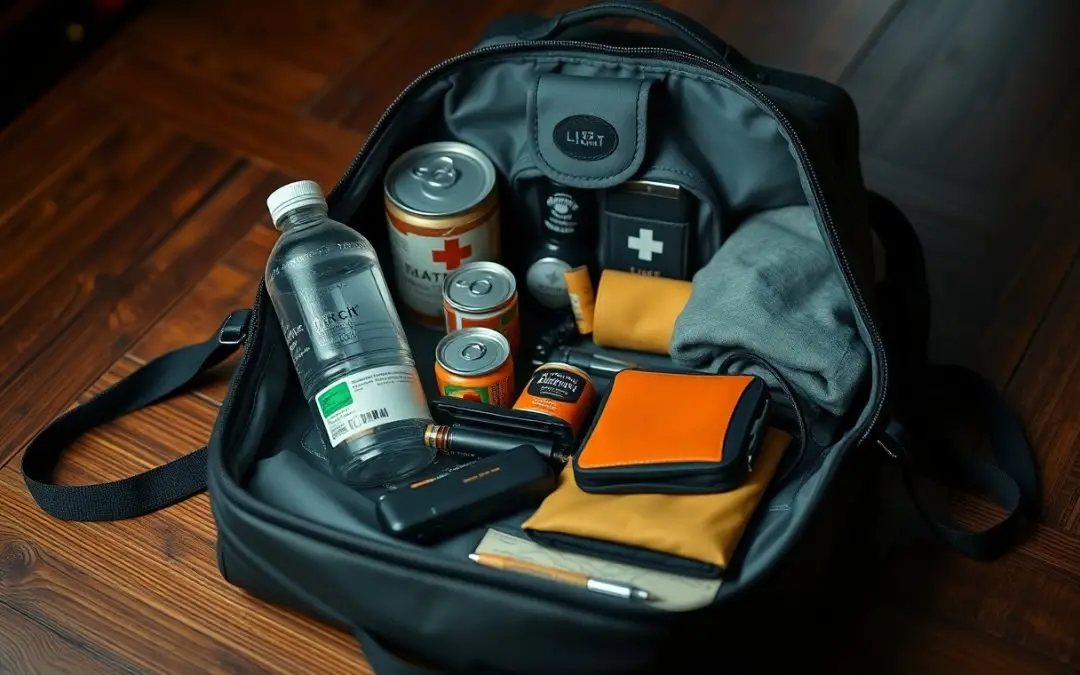
With a few focused items and minimal time, you can assemble a reliable go bag in one afternoon that covers basic needs for 72 hours. Prioritize water, compact food, a flashlight and spare batteries, first-aid supplies, crucial medications, copies of documents, a multi-tool, warm layers, a portable charger, and cash-each chosen for durability, portability, and immediate usefulness so your bag supports you through unexpected displacement or power loss.
Many emergencies unfold quickly, and you can assemble a reliable go bag in one afternoon by focusing on water and nonperishable food, a flashlight and extra batteries, a basic first-aid kit and personal medications, a multi-tool, copies of key documents, a compact phone charger, weather-appropriate clothing, and cash; choose a sturdy backpack, organize items by priority, and test that everything fits and functions so you can grab your bag and depart at a moment’s notice.
Importance of a Go Bag
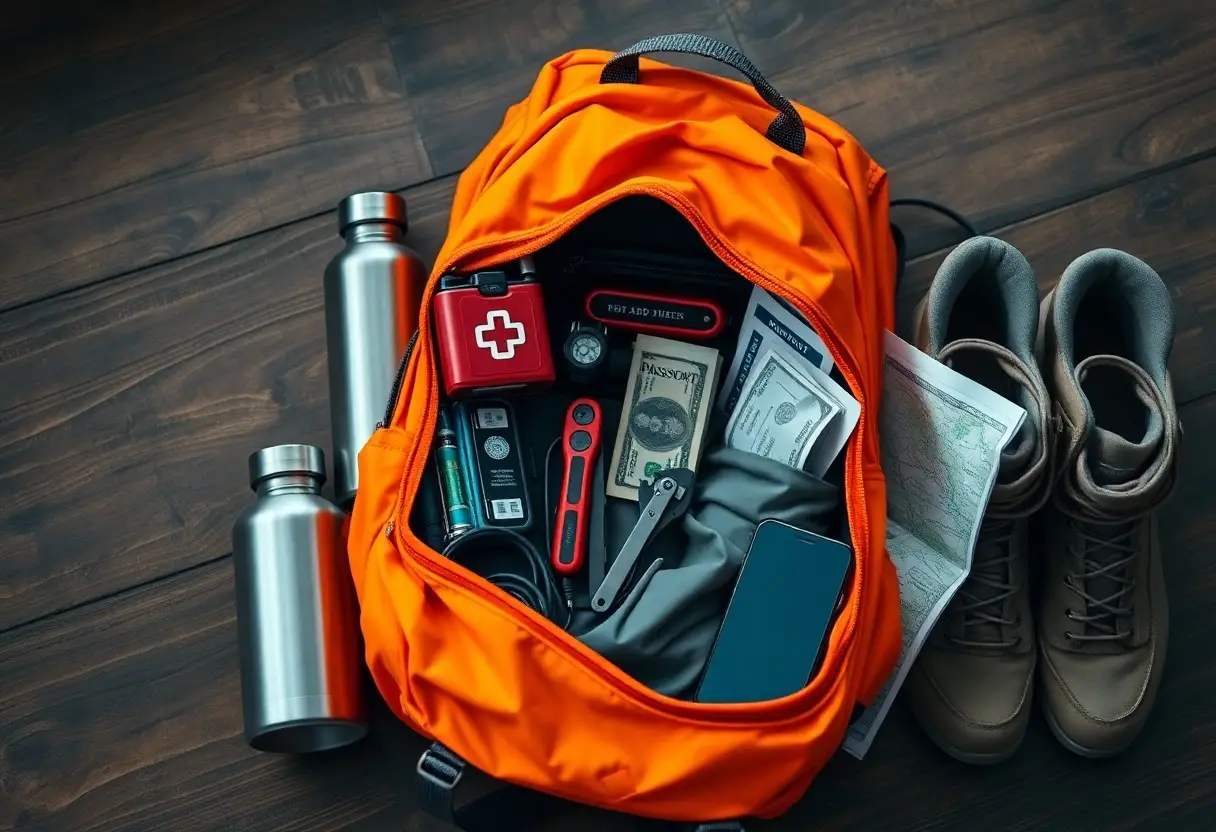
You don’t need to wait for an evacuation order; FEMA recommends a 72-hour supply per person, and being self-sufficient for three days often bridges the gap until aid arrives. In rapid events like wildfires or flash floods, a pre-packed bag minimizes delay, protects medications and IDs, and lets you reach shelters or meet family members within the narrow window when evacuation routes remain open.
Emergency Preparedness
You should pack water (1 gallon per person per day), a three-day supply of nonperishable food, a basic first-aid kit with prescription meds, N95 masks, and a compact multi-tool. Add photocopies of IDs and insurance, a small cash reserve ($50-200), and a local map so you can manage medical needs, communicate when cell service is spotty, and find alternate routes or services if infrastructure is impacted.
Quick Access to Essentials
You’ll want the most-used items in external pockets: phone charger, 10,000 mAh power bank (about two full smartphone charges), flashlight, keys, ID, and cash. Keep the bag by an exit or in the trunk; many urban fire evacuations allow under 10 minutes to leave, so accessible placement and a clear external pocket layout shave critical seconds off your departure.
You can streamline access with color-coded pouches (red for documents, blue for medical), a laminated grab list, and monthly checks of expirations and battery charge. Store critical documents in a waterproof pouch and keep duplicates – one set in the bag and one with a trusted contact – and rotate perishable items every six months so the kit is ready when you need it.
Understanding the Go Bag Concept
Your go bag is a compact, portable emergency kit built to sustain you for the first 72 hours after an evacuation. FEMA recommends a three-day supply of food and water (1 gallon / 3.8 L per person per day), basic medications, copies of IDs, and a phone charger. Choose a durable backpack under about 20 lb so you can carry it quickly; include layered clothing, a flashlight, and local maps to reduce improvisation when time is limited.
Importance of Preparation
Preparation lets you act decisively when alerts arrive. If you pack prescription meds for three days, two forms of ID, $100 in small bills, and a compact first-aid kit now, you cut evacuation time from hours to minutes. Evidence from post-storm assessments shows households with pre-packed kits experience fewer injuries and less property loss. Update your bag seasonally and after health or household changes to keep it effective.
Key Situations Requiring a Go Bag
Your go bag matters most in fast-onset events like wildfires, flash floods, earthquakes, or chemical spills that force quick evacuations. Extended power outages, mandatory hurricane evacuations, and episodes of civil unrest also justify grabbing the bag. Officials sometimes issue evacuation orders with only minutes’ notice, so having necessarys-medication, pet supplies, child items-already packed prevents critical oversights.
Customize contents to local hazards: include N95 masks and a battery radio for wildfire smoke, water purification tablets for flood-prone zones, and a small waterproof bag or flotation aid in coastal areas. Carry copies of prescriptions and medical summaries for three days, extra eyewear, and a charged power bank (keep it at least 50% full). Verify evacuation routes and shelter locations annually so your bag matches real-world needs.
Choosing the Right Bag
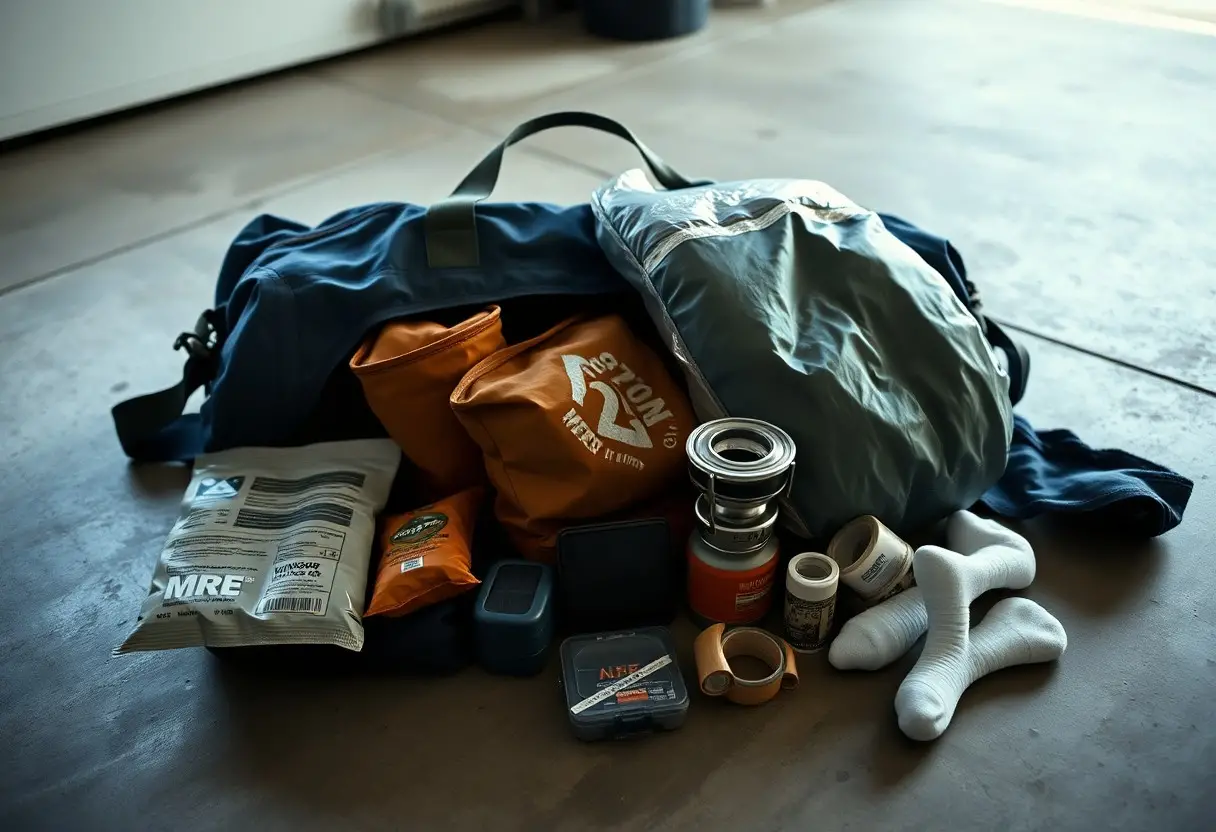
Pick a bag that fits how you’ll move and what you plan to carry: for a solo 72‑hour kit aim for 20-35 liters, while a family bag often reaches 35-60 liters. Prioritize balanced weight distribution with padded shoulder straps and a hip belt to keep load stable during long walks. Opt for water‑resistant fabrics and lockable, high‑quality zippers so your necessarys stay dry and secure when you’re displaced or on the move.
Size and Durability
Choose denier ratings in the 500-900D range for abrasion resistance and look for taped seams or a DWR coating for weather protection. Consider an internal frame or molded back panel if you’ll carry more than 15-20 kg, and ensure stress points are reinforced with bartacks. You want hardware-buckles, zippers-rated for repeated use; YKK zippers and steel D‑rings are common specs that stand up to rough handling.
Organization Features
Prioritize a main compartment with a hydration sleeve, an admin panel for documents and small tools, and at least one top quick‑access pocket for your phone and wallet. External compression straps and MOLLE webbing let you attach a sleeping pad or extra kit, while a bright interior liner makes finding items faster under low light.
Use modular pouches: put meds and first‑aid in a labeled waterproof pouch near the top, place a 1L water bottle in the side sleeve with purification tablets tucked in the admin pocket, and keep clothing compressed in a 1-2 L dry sack. Pack by priority-items you’ll need immediately go in external or top pockets-and use clear zip bags for cords and batteries so inventory checks take seconds, not minutes.
Essential Items to Include
Prioritize items that keep you self-sufficient for 72 hours: pack 1 gallon of water per person per day (3 gallons total), nonperishable food providing 2,000-2,500 kcal/day like energy bars or MREs, a 25-30-piece first aid kit, multi-tool, headlamp (200+ lumens) with spare batteries, 10,000 mAh power bank, waterproof document pouch with copies of ID and insurance, $100-200 in small bills, and two N95 masks-these basics cover hydration, calories, medical needs, communication, and identification.
Basic Supplies
You should include water purification tablets (20 tablets treat ~40 liters), a manual can opener, adhesive bandages (20), sterile gauze, antiseptic wipes, medical tape, tweezers, a blister kit, prescription meds for at least 3 days plus a list of dosages, hand sanitizer, a whistle, compact NOAA weather radio (hand-crank), duct tape (wrap 5-10 ft around a pen), and a durable lightweight flashlight-small, specific items save time and space when you’re rushing.
Clothing and Shelter
Pack two to three changes of underwear and socks (one extra if you’re in wet climates), synthetic base layers, an insulating fleece, and a waterproof breathable shell; include a warm hat, gloves, and a pair of sturdy shoes plus flip‑flops for camp chores. Add an emergency bivvy or a sleeping bag rated for your region (e.g., 20°F for cold areas), an 8×10 ft tarp, and 10-15 ft of paracord for shelter construction.
Optimize weight and space by using a 1-3 lb ultralight synthetic sleeping bag or a Mylar emergency blanket (about 3 oz) depending on conditions; roll clothing tightly into a 6-10L compression sack, keep socks in a separate waterproof pouch to prevent moisture transfer, and prioritize breathable synthetics over cotton to reduce hypothermia risk-if you expect rain, trade one insulating layer for a heavier waterproof shell to stay dry and retain warmth.
Essential Items for Your Go Bag
You should aim for items that keep you safe, fed, warm, and able to communicate for at least 72 hours. Focus on compact, multi-use gear: a basic first-aid kit, 2-6 liters of water per person, three days of calorie-dense food, weather-appropriate clothing, a lightweight shelter, a reliable light source, a multi-tool, and a phone-charging power bank. Prioritize items that fit your local hazards and the bag’s weight limit so you can carry it comfortably for several hours.
Medical Supplies
Pack a compact first-aid kit (25-35 items) with adhesive bandages, 4×4 gauze, roller gauze, antiseptic wipes, adhesive tape, sterile gloves, tweezers, small scissors, blister pads, an instant cold pack, pain relievers (ibuprofen, acetaminophen), antihistamine, a CPR mask, a tourniquet, and a SAM splint. Include any prescription meds for at least seven days and two N95 masks. Store items in waterproof pouches and check expirations every six months.
Food and Water
Carry at least 2 liters of water per person per day and plan for 72 hours (6 liters total) plus a means to treat more water-purification tablets or a small filter. For food, pack lightweight, nonperishable items like three MREs or 6-9 high-calorie bars (250-400 kcal each), plus a compact can opener if needed. Choose foods you can eat cold and that you’ve tested before.
For greater reliability, combine methods: one collapsible 1-2L water bottle, a LifeStraw or Sawyer Mini filter (0.1-0.2 micron), and a 50-tablet pack of chlorine dioxide or iodine tablets. Aim for 2,500-3,500 kcal per day for active situations; that typically means three MREs or eight energy bars plus high-calorie nuts. Rotate stock every 12-24 months based on shelf life.
Clothing and Shelter
Include one extra base layer, a lightweight insulated jacket, moisture-wicking socks (two pairs), a warm hat, and waterproof outerwear such as a rain jacket or poncho. Add a mylar emergency blanket and a packable sleeping bag or emergency bivvy rated for your expected low temperatures. Pack garments in dry sacks to keep them usable if you encounter wet conditions.
Tailor the shelter to season and weight: a 20-30°F rated down bag or a 3-season synthetic option works for most climates, while ultralight hikers may prefer a 1-2 lb bivy plus a 6×8 ft tarp. Pack 50 ft of paracord, four aluminum stakes, and a lightweight stake hammer; these let you rig a tarp shelter quickly and handle unexpected overnight stays.
Tools and Gadgets
Choose a dependable multi-tool with pliers, knife, and can opener plus a separate folding knife (3-4″ blade). Carry a 200+ lumen headlamp with red-light mode and spare batteries, a USB power bank (10,000-20,000 mAh), a lighter and ferrocerium rod, a whistle, and a small roll of duct tape. Include a hand-crank or battery NOAA weather radio with USB output for updates when cell service fails.
Optimize for redundancy: a 20,000 mAh power bank can recharge a smartphone 2-3 times, while a hand-crank radio often provides light, charging, and NOAA alerts. Pick a multi-tool that includes a wire cutter and can opener, pack 10 zip ties, a compact wire saw, and 25-50 ft of reflective cord to aid signaling and repairs.
Food and Water Considerations
Non-Perishable Food Options
Pack calorie-dense, shelf-stable items that deliver 2,000-2,500 calories per day for an active adult; that’s roughly 6,000-7,500 calories for a three-day go bag. Include MREs (shelf life ≈3-5 years), canned tuna and beans (2-5 years), nut butter, energy bars, trail mix, jerky, and instant oats. Freeze-dried meals in Mylar pouches can last 20-30 years. You should also tuck in a compact can opener and lightweight utensils.
Water Filtration and Storage
Plan on 1 gallon per person per day for at least three days (FEMA), so pack about 3 gallons per person. Carry a Sawyer Mini (rated to ~100,000 gallons) or a LifeStraw (≈4,000 liters) for personal filtration, plus a pump or gravity filter for groups. Add a 2-4L collapsible bladder and a rigid 1-gallon jug for storage, and include chlorine dioxide tablets or unscented household bleach (8 drops per gallon, wait 30 minutes) as backup.
When choosing gear, match filter type to hazards: hollow-fiber filters (0.1-0.2 μm) remove bacteria and protozoa but not viruses, so pair them with chemical tablets or a UV purifier. SteriPEN-style UV devices treat about 1 liter in ~90 seconds and inactivate viruses. Maintain filters by backflushing (Sawyer), avoid freezing cartridges, rotate stored water every six months, and pack spare O-rings, tubing, and a small squeeze bottle for maintenance.
First Aid and Medical Needs
Your go bag needs supplies to handle common injuries and interruptions to regular care for the first 72 hours. Pack items that treat bleeding, burns, allergic reactions and pain, plus tools for basic assessment like a thermometer and a small flashlight. Include documentation – a one-page medical summary with allergies, chronic conditions, physician and pharmacy contacts – so first responders or you can act quickly if communications are down.
Basic First Aid Kit Essentials
Include multiple adhesive bandages (assorted sizes, at least 10), sterile gauze pads (6-10), adhesive tape, antiseptic wipes, antibiotic ointment, disposable gloves, tweezers, blunt scissors, a triangular bandage, elastic wrap, a CPR face shield, instant cold pack, and a compact pulse oximeter or thermometer. Store everything in a waterproof pouch and check supplies every six months for expirations and integrity.
Personal Medications
Carry at least a 72-hour supply of prescription medications in original labeled containers, plus a week’s worth of critical meds if possible; include insulin users’ needs and inhalers. Add over-the-counter pain relievers, antihistamines, antacids, and oral rehydration salts. Place prescription lists, dosing schedules, and copies of prescriptions in a waterproof sleeve so you can refill or verify doses if separated from care.
Pack medications in a clear, waterproof bag and rotate them monthly to avoid expired doses; note lot numbers and expiry dates on your inventory. Include generic names, strengths, dosing frequency, prescribing doctor and pharmacy phone numbers. For injectables like epinephrine or glucagon, keep two if space allows and check expiration dates quarterly. If a medication requires refrigeration, plan for a small insulated pack with cold packs and prioritize alternative emergency dosing guidance from your provider.
Personalizing Your Go Bag
Tailor your pack to the exact scenarios you face: swap heavy canned food for dehydrated meals if you’ll backpack, add a compact CPAP battery if you use sleep apnea therapy, include spare keys and printed IDs and prescriptions, and size supplies for 72 hours of sheltering. Small adaptations-like extra shoe insoles, a travel stroller strap, or a foldable cane-can make evacuation much more manageable for your routine.
Consider Family Needs
Assess each family member’s specific requirements: pack a 3-day supply of infant formula and 24-36 diapers, spare eyeglasses and a repair kit, hearing-aid batteries (size 312) or an extra charger, and labeled prescriptions with dosages. Also include mobility aids, a list of allergies, and a laminated emergency contact sheet; organizing by person speeds distribution under stress and avoids mix-ups during evacuation.
Customizing for Pets
Treat pets like family by packing a 7-day supply of food and medications, a sturdy carrier or crate, leash and harness, a collapsible water bowl, printed vaccination records and microchip number, plus a recent photo of you together for reunification. Store meds in waterproof, labeled containers and keep an extra copy of vet contact information on a USB drive.
Organize pet meds with a pill organizer labeled AM/PM and a written dosing schedule, and include a spare prescription written by your veterinarian. Use insulated bags and cold packs for perishables for 24-48 hours, verify shelter or hotel pet policies in advance (many restrict size or require proof of vaccines), and add calming items-a blanket or favorite toy-to reduce stress during relocation.
Tools and Equipment
Multi-tools and Survival Gear
Pack a multi-tool with pliers, a 2.5-3.5-inch blade, saw and bit driver that you can operate one-handed-models like the Leatherman Wave (~8.5 oz) or Victorinox Pioneer are field-proven. Pair it with a 110-130 dB whistle, compact compass, 18-24 inch roll of duct tape, and a 6-inch folding saw or mini shovel. Test each item once; a single multi-tool often replaces several single-use items and keeps your bag under control.
Flashlights and Fire-starting Tools
Choose a primary light around 300-600 lumens (headlamp or handheld) with a 18650 or 21700 rechargeable cell that you can mount or hold comfortably-expect 2-8 hours on high and 30-200 hours on low depending on mode. Carry a 100-lumen AA or CR123A backup, a ferrocerium rod (thousands of strikes), a windproof lighter, and waterproof matches sealed in a small case. Favor IPX7/IPX8-rated lights and a strobe for signaling.
For batteries, prioritize 18650/21700 cells for capacity and bring one spare cell plus a USB charger; AA backups work when you expect resupply. Prefer flood headlamps for camp tasks and throwy torches (200-500 m) for signaling. Store tinder like petroleum-treated cotton balls, dryer lint, or fatwood shavings in a waterproof bag, and carry a ferro rod plus two lighters. Maintain lighters yearly and keep extra O-rings for sealed flashlights.
Regular Maintenance and Updates
Set a calendar reminder to audit your go bag every 3-6 months so you replace batteries, rotate food, and inspect waterproof seals. You should swap drinking water every 6-12 months and replace disposable batteries every 1-2 years. Also log medication expiry dates and replenish first-aid items after use or at least annually. Keep a dated checklist inside the pack to track changes and the last inspection date.
Checking Expiration Dates
Scan labels on food, meds, and toiletries during each audit. Canned goods often list 2-5 year best-by dates; commercial freeze-dried meals and MREs commonly last 5-7 years unopened. You should replace water stored in food-grade containers every 6-12 months and follow pharmacy guidance for prescriptions. Note that peroxide and alcohol lose potency over time, so swap antiseptics annually.
Seasonal Adjustments
Adjust clothing and shelter items for seasonal hazards: add a 0°F-rated sleeping bag, insulated jacket, hand warmers, and microspikes for winter; swap to a lightweight, breathable sleeping bag and sunhat for summer. You should also carry a small foil blanket year-round, and change fuel canisters and stoves to match cold-weather performance.
Plan two scheduled swaps-spring and fall-to reconfigure gear and test items on a short trip. For summer include SPF 30+ sunscreen, 20-30% DEET repellent, and an extra 2-3 liters of water per person; for winter prioritize waterproof boots, gaiters, a balaclava, and stove fuel rated for low temperatures.
Personal Documents and Essentials
Keep a compact waterproof pouch or fireproof envelope in your go bag that holds originals and certified copies of IDs and imperative records. Pack two government IDs (driver’s license, passport), your Social Security number or card, birth certificate or certified copy, insurance cards, a copy of prescriptions, and a list of bank account and policy numbers. Store a password-protected USB with scanned PDFs and an encrypted cloud backup accessible to a trusted contact.
Important Papers to Include
Include originals or certified copies of photo ID(s), passport, Social Security card, birth certificate, marriage/divorce papers, insurance cards (health, auto, home), vehicle title, mortgage or lease agreement, recent tax return, medical records and immunization proof, pet vaccination and microchip info, and a current list of prescriptions with dosages. Keep two sets-one physical in a water-resistant sleeve and one digital on an encrypted USB and cloud account.
Emergency Contact Information
List at least three contacts with full name, relationship, primary mobile, secondary phone or landline, and email, plus one out-of-area contact; label them primary, secondary, and out-of-area for quick reference. Add your designated medical proxy and attorney if applicable, and include local emergency numbers for likely evacuation destinations. Store a printed, laminated card and a digital copy in your phone under “ICE” and in your encrypted cloud folder.
Verify and update contacts every 3-6 months and after major life changes since outdated numbers waste precious time during an evacuation. Use SMS-capable numbers and include international codes for contacts abroad (for example, +1 for the US, +44 for the UK). Consider adding brief role notes-“notify employer,” “pick up children”-so responders know each contact’s intended action at a glance.
Tips for Efficient Packing
Group items by use and frequency, so you can grab first-aid, light, or shelter quickly.
- First-aid on top: trauma dressing, tourniquet, 10 antiseptic wipes
- Food/water center: two 1L bladders or three 500ml bottles
- Tools low: multi-tool, folding saw, 200-lumen headlamp
Any heavier pieces should sit low and close to your spine to keep balance.
Packing Techniques
Use compression sacks to cut clothing volume by up to 50% and a 2L dry bag for damp items; roll shirts and stuff socks into shoes to use dead space. You should keep daily-use gear in a top 5-8L access pocket, stash small items in labeled zip bags, and color-code pouches so you can retrieve supplies quickly in low light.
Weight Distribution
Place heavy, dense items like 1-3L of water, battery packs, and tools close to your spine and low in the pack to improve stability; aim to keep those masses within 7-10 cm of your back. Test-walk 200 meters after packing to feel balance and shift items if the pack pulls you backward or side-to-side.
Let your hip belt carry roughly 80% of the load-if your pack is 12 kg, load your hips with about 9.6 kg-by positioning heavy items between your lower ribs and the top of your hip bones. Tighten shoulder straps only to pull the pack snug, not to bear weight; use load-lifter straps at about a 30° angle to fine-tune the center of mass, and rebalance every time you consume significant water or swap gear.
Summing up
With these considerations you can assemble a practical go bag in an afternoon: prioritize compact shelter, water, first-aid, multi-use tools, power and communication, important documents, and personal items tailored to your needs; test the pack for weight and accessibility, rotate perishables, and store it where you can grab it quickly so your readiness matches likely scenarios.
Conclusion
As a reminder, when assembling a go bag in one afternoon you should prioritize reliable basics-water, shelter, lighting, first aid, communication, power, and important documents-arranged for quick access so you can move fast. Test and tailor the contents to your health, climate, and local risks, and rotate supplies periodically to keep everything functional and ready.


