
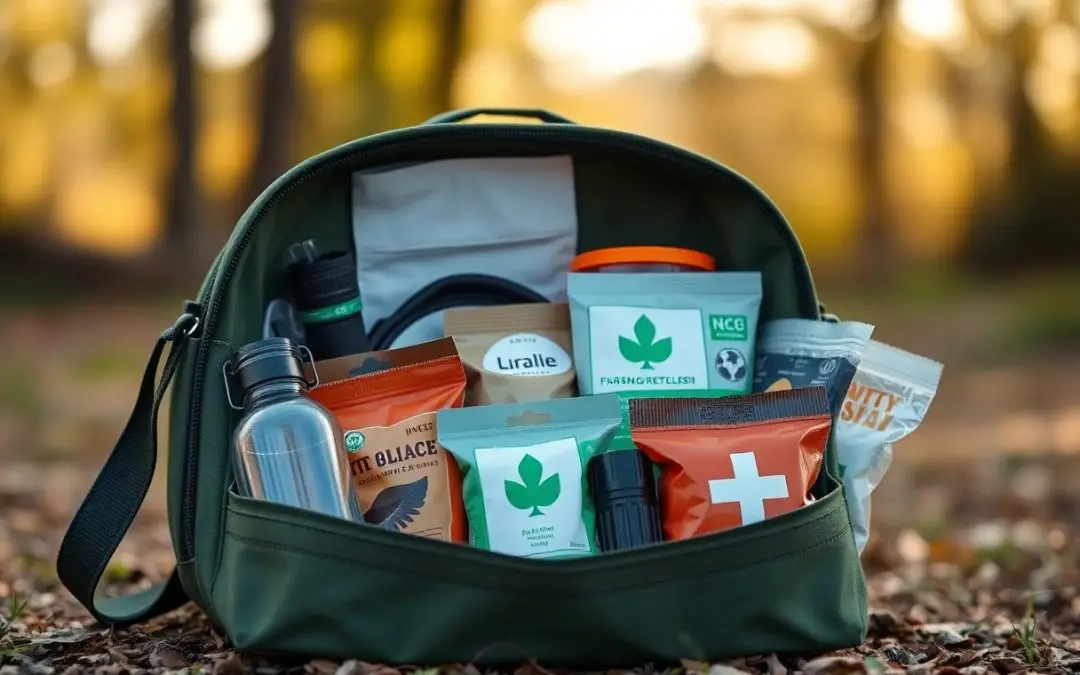
Most people overlook the environmental impact of their emergency supplies, but you can easily create a go bag that prioritizes sustainability. By selecting eco-friendly materials and products, you not only prepare for unforeseen circumstances, but also contribute to a healthier planet. This guide will walk you through practical steps to equip your go bag with sustainable items, ensuring you’re ready for any situation while minimizing your ecological footprint.

Understanding Eco-Friendly Materials
Choosing eco-friendly materials for your go bag can significantly reduce its environmental footprint. By selecting products made from renewable resources, you contribute to sustainable practices that minimize resource depletion. Eco-friendly materials include organic cotton, hemp, bamboo, and natural rubber. These alternatives not only offer durability but also lower harmful emissions during production, ensuring your go bag aligns with your values of sustainability and environmental responsibility.
Choosing Biodegradable Options
Opting for biodegradable options ensures that your supplies can safely decompose and return to the environment. Items made from plant-based materials, such as biodegradable packaging or utensils, break down naturally, reducing landfill impact. For instance, using biodegradable trash bags made from cornstarch can help you manage waste responsibly during emergencies.
Opting for Recycled Products
Incorporating recycled products into your go bag not only helps divert waste from landfills but also minimizes the need for new resources. Products crafted from recycled plastic bottles, such as backpacks or emergency blankets, can significantly lower your carbon footprint. By choosing these items, you support a circular economy that emphasizes reuse and sustainability.
For example, many outdoor gear companies now offer items made from 100% recycled materials. The transition to recycled fabrics reduces water and energy usage, while also cutting down on the raw materials needed for production. You might consider a fleece jacket made from recycled plastic bottles or a water bottle crafted from recycled aluminum, both durable and eco-friendly solutions. Supporting these products not only enhances your preparedness but also promotes a healthier planet for future generations.
Essential Items for Your Go Bag
Building an eco-friendly go bag requires you to carefully select items that not only serve your needs but also minimize environmental impact. Focus on multi-functional tools that reduce redundancy and can withstand various conditions such as durable water bottles, collapsible utensils, and solar-powered chargers. Opt for biodegradable waste bags and sustainable food options, like freeze-dried meals packaged in compostable materials. Prioritize quality over quantity to ensure reliability in emergencies while supporting ethical production practices.
Eco-Conscious Tools and Gear
Choosing eco-conscious tools and gear means prioritizing items made from sustainable materials and those that can be reused multiple times. Look for tools crafted from recycled metals or responsibly sourced wood. Brands focusing on zero-waste designs ensure you’re not only prepared but also supporting a less wasteful lifestyle. Versatile items like a multi-tool or a seed-embedded survival knife not only serve multiple purposes but also align with sustainability principles.
Sustainable First Aid Supplies
Integrating sustainable first aid supplies into your go bag enhances your readiness while minimizing environmental harm. Seek out biodegradable bandages composed of organic cotton and bamboo, as well as herbal tinctures in glass containers that can be reused. Opt for refillable antiseptic bottles and choose natural remedies over synthetic pharmaceuticals when appropriate.
Sustainable first aid supplies often include eco-friendly items that support both health and the planet. Consider incorporating natural-based ointments made from ingredients like aloe vera or calendula, offering effective healing properties without harmful chemicals. Eco-conscious companies frequently provide refillable kits that encourage reuse and limit waste, ensuring you have important supplies while adhering to sustainable practices. Always check certifications to guarantee materials are sourced responsibly, promoting both your readiness and the health of the environment.
Sustainable Food and Water Sources
Integrating sustainable food and water options enhances your go bag’s eco-friendliness. Opt for non-perishable foods that prioritize nutrition and minimal environmental impact, along with water filtration systems that reduce single-use plastic consumption while ensuring safe hydration.
Selecting Non-Perishable Food
Your go bag should include non-perishable food items that are not only lightweight but also packed with nutrients. Look for options such as dehydrated meals, whole grains, and plant-based protein sources like legumes and nuts that are sustainably sourced, providing vital energy without harming the planet.
Eco-Friendly Water Filtration
Choose water filtration options that minimize waste and maximize efficiency, such as portable water filters made from sustainable materials. Brands like LifeStraw and Grayl offer innovative systems that reduce your reliance on bottled water and can purify water from questionable sources, ensuring safe hydration without the environmental impact.
Consider investing in a water filter that uses activated carbon and ceramic elements to reduce contaminants effectively. Some models can filter thousands of liters before needing a replacement, dramatically minimizing plastic waste. With features like easy portability and ability to filter out bacteria and parasites, these eco-friendly solutions not only safeguard your health but also contribute to a sustainable hydration strategy during emergencies or adventures.
Tips for Reducing Waste
Minimizing waste in your go bag not only benefits the environment but also enhances your preparedness. Focus on sustainable choices that lessen your ecological impact. Consider these strategies:
- Opt for bulk options to reduce packaging waste.
- Choose multi-functional tools and gear.
- Repurpose items you already own.
- Practice mindful consumption; buy only what you need.
- Prioritize durable products that last longer.
Assume that making conscious decisions regarding your go bag’s content will lead to a more sustainable lifestyle.
Minimizing Packaging
Choosing items with minimal packaging can significantly reduce the waste generated by your go bag. Look for products that utilize recyclable or compostable materials. Many brands offer bulk items or packages without excess plastic, making it easier for you to lower your environmental footprint. For instance, buy food supplies in bulk rather than individual single-use packets, allowing you to skip the unnecessary wrappers and containers.
Reusable Containers and Utensils
Incorporate reusable containers and utensils into your go bag to significantly cut down on waste. By using stainless steel or durable plastic containers for food storage, you avoid the need for disposable packaging. Additionally, pack a collapsible cup and reusable cutlery to ensure that you are equipped for any meal, while leaving no trace behind.
Reusable containers and utensils not only reduce waste but also promote a healthier lifestyle. Opting for products made from stainless steel or glass minimizes the risk of harmful chemicals leaching into your food and helps reduce dependency on single-use plastics. Many options come designed for optimal space-saving and convenience, ensuring that you can easily fit them into your go bag without sacrificing imperative space. By prioritizing these items, you contribute to a more sustainable future, while ensuring you have reliable tools at your disposal in any situation.
Preparing for Different Scenarios
Your go bag needs to adapt to various emergencies. Assess the unique risks in your area, whether they’re natural disasters like hurricanes or urban crises such as civil unrest. Each scenario dictates different crucials, from food and water purification methods to communication tools and first aid supplies. Ensure flexibility in your approach and keep seasonal factors in mind, updating contents regularly as needs change.
Tailoring Your Bag for Urban Emergencies
In urban emergencies, prioritize compact items that maximize utility. Include a whistle for signaling, a portable charger for your phone, and protective gear like face masks. Urban settings often require quick navigation, so a local map and a multi-tool can make significant differences. Think about lightweight food options that provide easy nourishment while taking minimal space.
Eco-Friendly Considerations for Rural Situations
In rural environments, focus on long-lasting, sustainable items like biodegradable utensils and reusable containers for food. Look for solar-powered gadgets to minimize your ecological footprint while ensuring you have crucial tools available. Consider incorporating items like a hand-cranked radio and a portable water filter to maintain functionality without excessive waste.
Rural emergencies often extend over longer durations, making sustainability even more relevant. Opt for local, organic food resources to create your supplies, which reduces transportation emissions. Pack items that can serve multiple purposes, such as a tarp for shelter or ground cover that can also be used for collecting rainwater. This versatility not only supports eco-friendly practices but also enhances your ability to thrive in a remote setting.
Maintenance and Updates
Regular maintenance and updates to your go bag ensure that it remains functional and aligned with sustainable practices. As conditions change or new products become available, revisiting your supplies will help you keep your preparedness plan optimized for both your needs and eco-friendliness. Conduct annual checks to assess your inventory and make any necessary adjustments.
Regularly Checking Expiration Dates
Expiration dates on food, medications, and batteries can determine the effectiveness of your go bag during an emergency. Make it a habit to review these dates every six months. Replace expired items promptly to ensure that your supplies are reliable and ready for use whenever needed.
Sustainable Practices for Replacement
When replacing items in your go bag, focus on sustainability by choosing products with minimal packaging and environmentally friendly materials. Opt for refillable containers for liquids, biodegradable wipes, and energy-efficient flashlight batteries to reduce waste. You can also donate or recycle expired items when possible, supporting a circular economy.
Sourcing replacements from local businesses or eco-conscious brands can reduce your carbon footprint. Look for refill stations for water and food supplies, or choose multi-functional tools to minimize the number of products you need. For example, a solar-powered charger can keep multiple devices operational without relying on disposable batteries, while sustainably sourced materials enhance both functionality and environmental responsibility. This practice not only benefits the planet but can also improve your overall preparedness.
Conclusion
Summing up, creating an eco-friendly and sustainable go bag involves selecting biodegradable materials, reusable containers, and energy-efficient items. Opt for gear made from recycled products and avoid single-use plastics to minimize your environmental impact. Incorporate multipurpose tools to reduce bulk and waste, and consider your food choices by including organic, minimally packaged snacks. By prioritizing sustainability in your go bag, you not only prepare for emergencies but also contribute to a healthier planet.


