
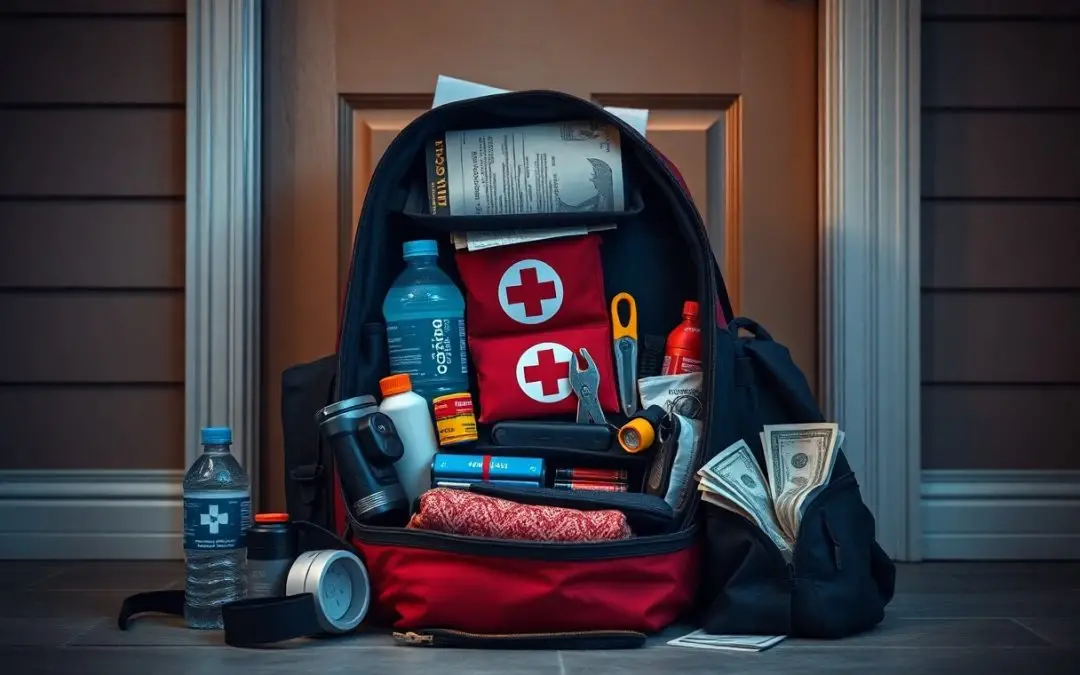
Overnight emergencies demand a grab-and-go kit; you assemble water, a compact first-aid kit, flashlight, spare batteries, power bank, documents, cash, and medications in a lightweight bag for immediate departure.
Essential Go-Bag Foundations
Pack your go-bag with items that let you depart instantly: water, compact food, a medical kit, emergency shelter, fire-starting tools, and a multipurpose tool. Keep frequently used items accessible and rotate consumables after use.
Selecting a Durable Tactical Chassis
Choose a chassis with abrasion-resistant fabric, water-shedding coating, reinforced stitching, and modular attachment points so you can organize gear efficiently and depend on the bag under sustained stress.
Weight Distribution and Ergonomics
Balance heavy items close to your spine and low in the pack so you can maintain stability and reduce fatigue during rapid movement.
Optimize load by placing dense items near your center of gravity, using the hip belt to carry most weight, and storing quick-access items in shoulder or hip pockets; tighten compression straps and fine-tune shoulder and sternum straps so you can move faster with minimal bounce or chafing.
Hydration and Nutritional Security
You pack lightweight water, electrolyte mixes and calorie-dense snacks that keep you alert and hydrated on the move, favoring compact containers and easy-to-open portions so you can grab nourishment without wasting time.
Portable Filtration and Purification
Pack a compact filter straw, UV pen or pump and chemical tablets for backup; you can treat questionable water quickly, reducing what you must carry while staying safe.
High-Density, Shelf-Stable Rations
Carry calorie-dense bars, MREs or compressed meal pouches that resist heat and have long shelf life, so you can skip cooking and move without delay.
Choose rations delivering at least 300-400 calories per 100 grams, prioritize whole-ingredient bars, nut/seed mixes and retort pouches with added protein, and check sodium and allergen labels; pack a lightweight spoon or multi-tool and inspect manufacture dates to replace items before expiry to ensure reliability on the move.
Emergency Communication and Power
You pack a compact radio, spare batteries, and a small solar charger to maintain communication and power during fast departures.
Multi-Band Radio Receivers
Select a multi-band radio with AM/FM, shortwave, and NOAA weather channels so you can receive local alerts and long-distance broadcasts when cell service fails.
Solar Charging and Battery Storage
Keep portable solar panels and a high-capacity power bank so you can recharge phones and radios without mains power.
Plan capacity by matching panel wattage and battery watt-hours to your expected device loads; choose MPPT controllers for better efficiency and LiFePO4 batteries for longer cycle life and safer chemistry. You should include a compact pure-sine inverter for AC gear, store batteries cool and dry, rotate charges every few months, and keep cables, adapters, and connectors organized in your grab-and-go kit.
Shelter and Thermal Regulation
You should focus on compact, quick-deploy shelter and layers that trap heat without weight; prioritize items that fit a grab bag and set up in minutes while moving to safety.
Compact Bivvy and Tarp Solutions
Pack a lightweight bivvy and a silnylon tarp that you can rig single-handedly; choose models that stow small, resist water, and double as groundsheet or improvised shelter during sudden departures.
Tactical Layering for Rapid Evacuation
Prioritize a layering system that balances insulation, breathability, and packability so you can adjust quickly while on the move and avoid overheating or hypothermia in fast evacuations.
Combine a base layer that wicks moisture, an insulating midlayer with high warmth-to-weight ratio, and a weatherproof shell you can don in seconds; practice dressing and stowing layers so you can transition instantly during short-notice exits.
Trauma Management and Sanitation
Trauma packs and sanitation gear should be compact and reachable; you keep dressings, gloves, and antiseptic wipes in a grab-and-go bag so you can staunch bleeding and limit infection while evacuating.
Hemostatic Agents and Tourniquets
Carry at least one tourniquet and hemostatic gauze; you practice quick application so you can control life-threatening hemorrhage during a rapid exit.
Field Hygiene and Personal Care
Prioritize small sanitation items-hand sanitizer, wet wipes, a compact towel-so you can stay clean, reduce infection risk, and preserve comfort on the move.
Pack extra hand sanitizer (60%+ alcohol), biodegradable soap, a microfiber towel, water purification tabs, sealed waste bags, and spare menstrual supplies; you’ll also want a travel toothbrush, toothpaste, and oral rinse. Inspect and rotate consumables monthly so nothing expires, and store hygiene items in an outer pocket for immediate access during fast departures.
Navigation and Critical Documentation
Pack paper maps, a compass, and copies of IDs in an easy-access pouch so you can move quickly during an evacuation. Store encrypted digital backups on your phone and an offline device, and keep physical originals in a waterproof folder you can grab without searching.
Topographic Maps and Analog Compasses
Carry folded topo maps and a quality analog compass so you can orient yourself when electronics fail. Practice map reading and compass use before an emergency, and keep a pencil to mark routes and landmarks on the paper for quick reference.
Secured Digital and Physical Credentials
Store encrypted scans of IDs, insurance, and emergency contacts in a password manager and on a hardware-encrypted USB you keep accessible. Keep physical copies in a sealed, water-resistant envelope so you can present documentation without delay during a fast departure.
Encrypt files with strong passwords and two-factor authentication, and keep copies on both a hardware-encrypted USB and a secure cloud account you can access from another device. Keep originals and photocopies in separate waterproof containers, track expiration dates, and include medical cards, vehicle titles, and signed permission letters for dependents.
Conclusion
On the whole, you should maintain a compact grab-and-go kit with water, flashlight, first-aid, multipurpose tool, charged power bank, important documents, and a simple plan; regular checks ensure you can depart quickly and safely.


