
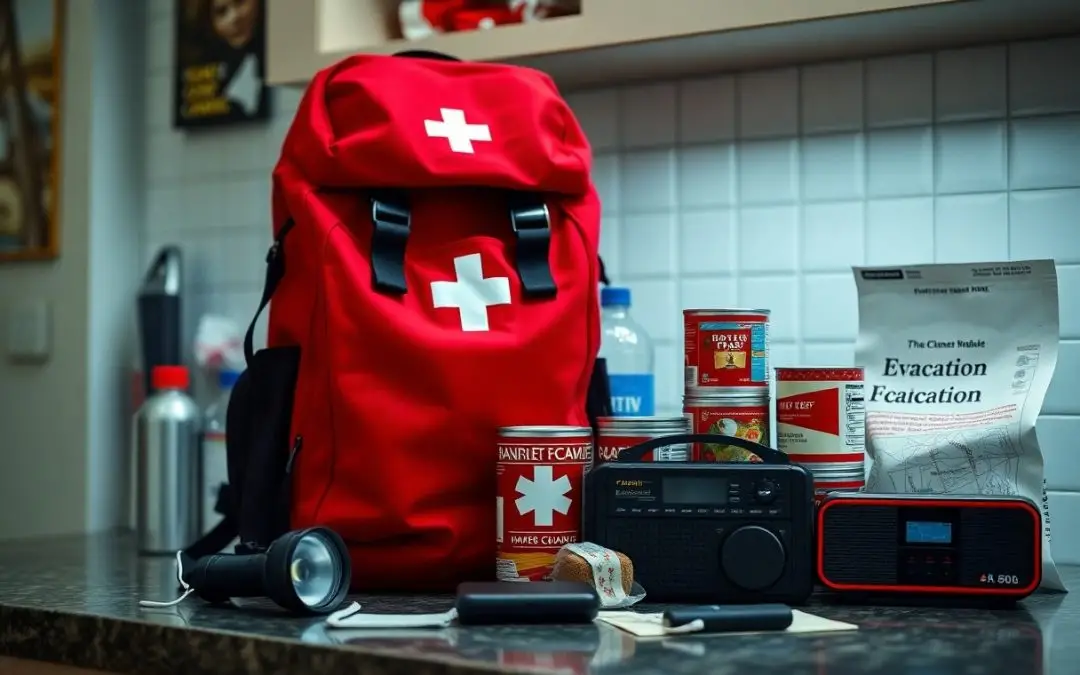

Most unexpected events happen without warning, and you are often the first to respond when they do. Being prepared means you can act quickly, protect yourself and others, and reduce harm when seconds count. Emergency readiness isn’t just for disasters-it’s a practical part of daily life that keeps you in control when conditions change fast.
The Nature of the Sudden Storm
Unexpected Events Are Inevitable
You never know when disaster will strike. A storm can escalate in minutes, a power outage can spread across neighborhoods, or an earthquake can shake without warning. These moments don’t wait for preparation-they demand it. Your ability to respond starts long before the sirens sound.
The Anatomy of a Ready Home
Your home’s layout can either slow down or speed up your response during an emergency. Clear pathways, labeled shut-off valves, and accessible exits make a difference when seconds count. You know where your flashlights, first aid kit, and emergency documents are kept because you’ve organized them in advance. Smoke detectors are tested monthly, and carbon monoxide alarms are installed near sleeping areas. Every room serves a purpose in your safety plan, not just comfort.
The Strength of the Daily Habit
Your consistency turns small actions into reliable safeguards. Doing a quick check of emergency supplies each week keeps them ready without extra effort. You build confidence by practicing fire drills or reviewing communication plans with family regularly. Over time, these routines become second nature, reducing panic when real emergencies arise. You’re not preparing once-you’re staying prepared every day.
The Social Fabric of Survival
You rely on others more than you realize when crisis strikes. Neighbors check on elderly residents during heatwaves. Parents organize carpools if schools close. Communities with strong connections recover faster because people act together. Your preparedness strengthens not just your safety, but the resilience of everyone around you.
Practical Rhythms of Safety
You build resilience by weaving simple safety habits into your daily routine. Checking smoke detector batteries each month, keeping a flashlight by your bed, or reviewing emergency contacts with your family takes little time but pays off when seconds count. These small actions become automatic, reducing panic and increasing control during unexpected events. Consistency turns preparation into instinct.

The Quiet Mind
You gain clarity when your mind stays calm under pressure. In moments of crisis, a steady focus helps you assess risks, make sound decisions, and act with purpose. Training yourself to breathe, pause, and observe prevents panic from taking control. This inner stillness isn’t passive-it’s an active state of readiness that sharpens your response when seconds count.
Summing up
To wrap up, you face unpredictable situations every day. Being prepared means you can respond quickly and effectively when emergencies arise. Your readiness protects your well-being, supports others around you, and reduces panic. Simple actions now strengthen your resilience later. You don’t need perfect plans-just practical awareness and readiness to act.


