

Readiness is about being prepared for unexpected events, and packing the right clothing and footwear is crucial for your safety and comfort. When disasters strike, you want to ensure you have durable, versatile, and weather-appropriate attire that can withstand harsh conditions. This guide will provide you with practical recommendations on crucial clothing and footwear items, enabling you to maintain mobility and protection during emergencies.
Importance of Clothing and Footwear in Disaster Preparedness
Your choice of clothing and footwear is vital in disaster preparedness. Being equipped with the right gear can significantly affect comfort, safety, and your ability to respond effectively in emergencies. Proper attire can protect you from environmental hazards, while the right footwear ensures mobility across various terrains, enhancing your chances of staying safe during an unexpected event.
Role of Appropriate Attire
Potential Hazards and Conditions
Disaster situations can expose you to diverse hazards, including extreme temperatures, wet or muddy environments, and sharp debris. Each of these conditions necessitates specific clothing and footwear to protect you effectively. For instance, moisture-resistant materials are critical in flooding scenarios, while sturdy, protective footwear can prevent injuries from debris during earthquakes or storms.
Exposure to heavy rainfall can lead to hypothermia if you’re not wearing appropriate waterproof clothing, while high temperatures can cause heat exhaustion if you’re not dressed to regulate your body temperature. In addition, navigating through rubble during urban disasters or dense vegetation in wildfires requires durable, protective footwear to prevent injuries. Equipping yourself with suitable clothing and footwear directly impacts your safety and efficiency in these unpredictable and often dangerous environments.
Essential Clothing Items for Disaster Readiness
Your clothing choices in a disaster scenario should prioritize functionality and protection. Essential items include moisture-wicking base layers, durable outer layers, and sturdy footwear. A reliable rain jacket, insulated layers for cold weather, and a wide-brimmed hat can protect you from the elements. Additionally, consider packing multiple pairs of tactical pants and thermal socks, as they’ll withstand various conditions and keep you comfortable. A versatile foul-weather poncho can serve multiple purposes, whether as a shelter or a warmth layer. Always keep these importants easily accessible in your emergency kit.
Layering Strategies
Layering is an effective strategy for adapting to changing weather conditions during a disaster. Start with a moisture-wicking base layer that keeps sweat away from your skin, followed by an insulating layer to retain warmth. Finally, top off your ensemble with a waterproof and wind-resistant outer layer to shield from the elements. This approach allows you to add or remove layers as needed, helping you stay comfortable and functional in various situations.
Fabrics and Materials to Consider
Selecting the right fabrics is important in ensuring your clothing performs well during a disaster. Synthetic materials like polyester and nylon excel in moisture management and quick-drying capabilities. Wool is a great natural alternative, providing insulation even when wet. Additionally, avoid cotton as it retains moisture and can lead to hypothermia in cold conditions. Look for clothing treated with water-repellent finishes for extra protection.
When choosing fabrics, pay attention to features that enhance durability and comfort. High-denier woven nylon or polyester fabrics resist tearing, making them ideal for rugged environments. For colder climates, consider insulated options with Thinsulate or down fill for warmth without bulk. Moreover, look for breathable materials that allow for airflow, preventing overheating. Investing in clothing with UPF protection can safeguard against harmful UV rays during extended outdoor exposure. Ultimately, prioritize durable, functional fabrics that will perform well under pressure.
Footwear Considerations for Emergencies
Your choice of footwear in a disaster scenario can significantly affect your mobility and safety. Inadequate shoes can lead to injuries, impede your evacuation, or limit your ability to navigate treacherous terrain. Prioritize comfort, durability, and traction when selecting your footwear to ensure you can respond effectively in emergencies.
Types of Footwear
Identifying the right type of footwear for emergencies is important. Each scenario may require different styles:
- Sturdy boots for rugged terrain
- Waterproof shoes for wet conditions
- Sandals for quick evacuations
- Insulated footwear for cold weather
- Lightweight sneakers for agility
Thou must choose appropriately based on your environment and the potential risks you face.
| Footwear Type | Best Uses |
|---|---|
| Sturdy Boots | Rough terrain and heavy load |
| Waterproof Shoes | Rainy or flooded conditions |
| Sandals | Quick exits or hot weather |
| Insulated Footwear | Snowy or extremely cold conditions |
| Lightweight Sneakers | Urban environments or fast-paced scenarios |
Features for Optimal Support and Protection
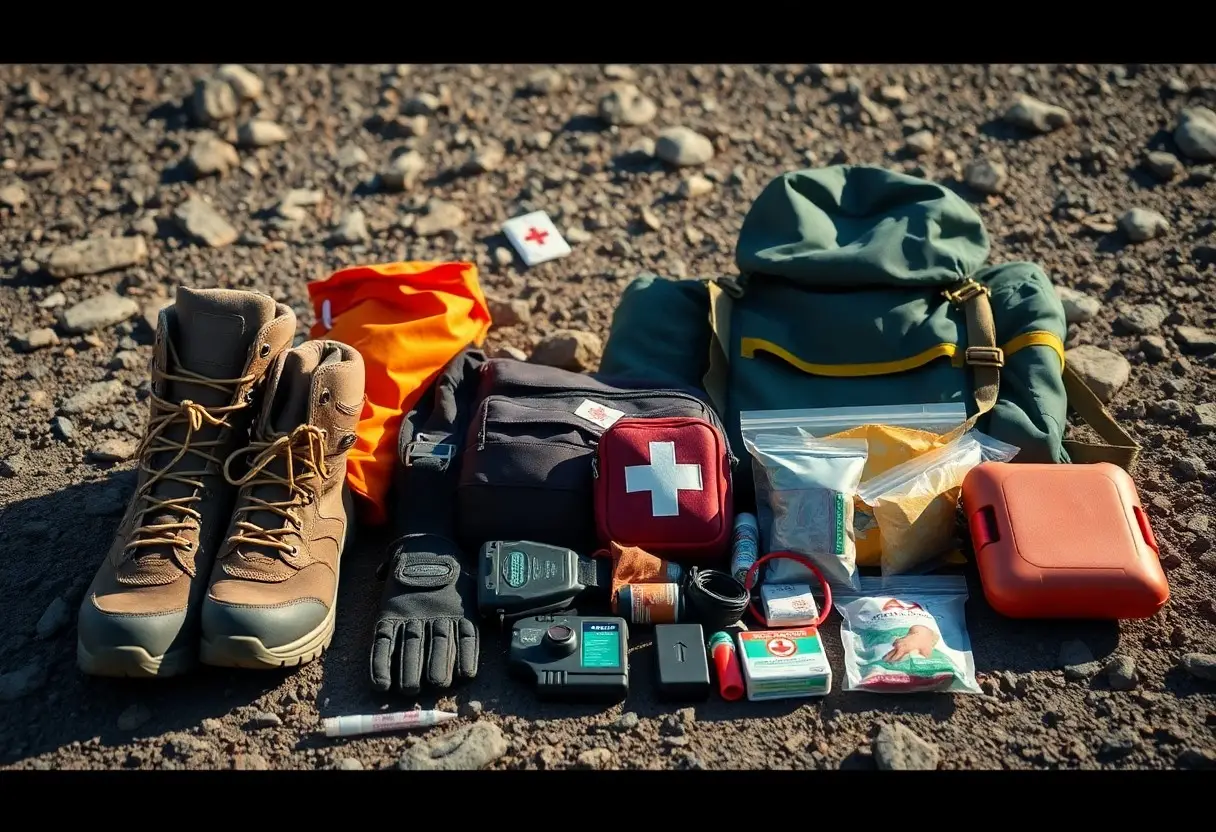
Choosing footwear with the right features ensures you have optimal support and protection during emergencies. Look for reinforced toe caps, ankle support, and slip-resistant soles to enhance stability and safeguard against injuries. Footwear should also wick moisture and provide breathability to keep your feet comfortable under stress.
When you assess footwear for your emergency kit, focus on attributes that cater to your specific needs. For instance, well-cushioned insoles can reduce fatigue during long periods of wear, while waterproof materials keep your feet dry and warm in adverse weather conditions. Extra padding around the ankle adds stability, helping prevent sprains and other injuries. Since you might find yourself in unpredictable situations, opt for shoes that can accommodate different environments and keep you safe, prepared, and agile when it matters most.
Accessories to Enhance Readiness
In addition to clothing and footwear, the right accessories can elevate your disaster preparedness. From sun protection to visibility in low-light situations, these items can make a significant difference in your overall readiness. Packing thoughtfully curated accessories ensures you’re not only well-protected but also fully functional when it matters the most.
Headgear and Gloves
Your headgear and gloves are integral to shielding yourself from the elements and potential hazards. A sturdy hat can protect against harmful UV rays while improving your visibility with a reflective band. Invest in insulated gloves that allow for dexterity; they should be waterproof and durable to handle various tasks, ensuring you remain functional without sacrificing warmth.
Rain and Cold Weather Gear
When unpredictable weather strikes, rain and cold weather gear play a vital role in maintaining your comfort and safety. Choose a waterproof, breathable jacket that allows for movement while keeping moisture out. Layering is beneficial, so pack thermal baselayers and an insulating mid-layer. Don’t overlook protective gear such as waterproof pants and gaiters to keep your lower body dry and warm.
Additionally, consider a compact emergency poncho for sudden downpours, as they provide quick coverage without taking up much space. Cold weather gear should include a beanie to retain body heat and a multifunctional neck gaiter that can serve as a face cover against wind chill. Waterproof socks add another level of comfort and warmth; in extreme conditions, these items can help prevent hypothermia and maintain your mobility during a crisis.
Packing Strategies for Clothing and Footwear
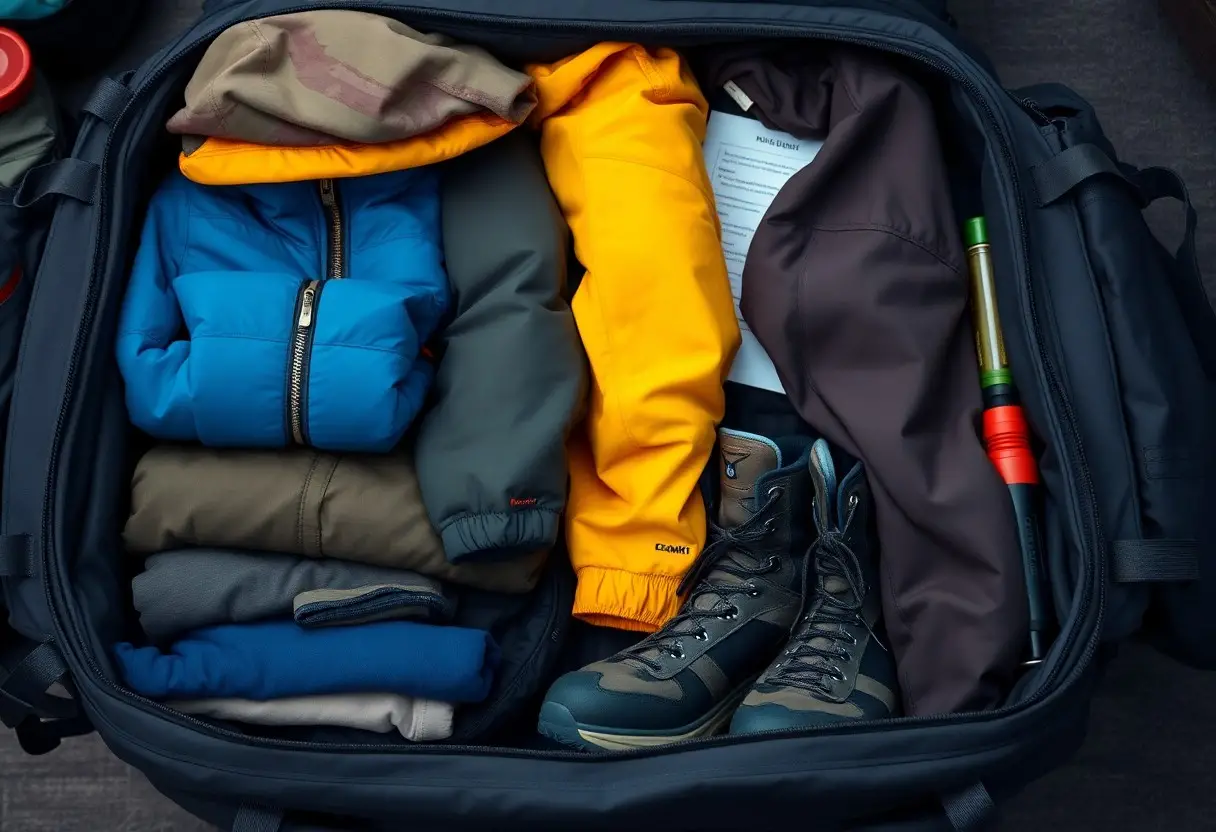
Effective packing can make all the difference in disaster readiness. Assess your needs based on the potential disasters in your area and consider packing versatile clothing items that can be layered. Focus on lightweight, moisture-wicking fabrics that dry quickly. Prioritize footwear that is durable, comfortable, and suitable for various terrains, ensuring you have an option for both warm and cold weather. Always pack extra socks and undergarments to stay clean and dry.
Efficient Packing Techniques
Employ techniques like rolling your clothing to save space and prevent wrinkles. Utilize packing cubes or compression bags to organize items and maximize room in your go-bag. Choose multi-functional pieces; for instance, a jacket with pockets can serve as both outerwear and storage. Additionally, keep your footwear packed in reusable bags to protect other items from dirt.
Creating an Accessible Go-Bag
Your go-bag should be easily accessible for quick evacuation. Place it in a designated spot where you can grab it within seconds. Use bright colors for visibility and label the bag with your contact information. Include a checklist on the exterior to ensure all crucial items are packed. Consider adding clips or tags to your bag for attaching additions like a flashlight or blanket.
Designing an accessible go-bag involves careful organization and strategic placement. Store it near your main exit for quick retrieval during emergencies. Include personal items such as insurance papers or medications within clear plastic pouches for easy access. By ensuring the bag is lightweight and portable, you can enhance your mobility when it matters most. Tailor the contents to your family’s specific needs—such as including childcare crucials if you have young children. Implementing these strategies can make evacuation smoother and reduce panic during a crisis.
Maintenance and Preparation of Clothing and Footwear
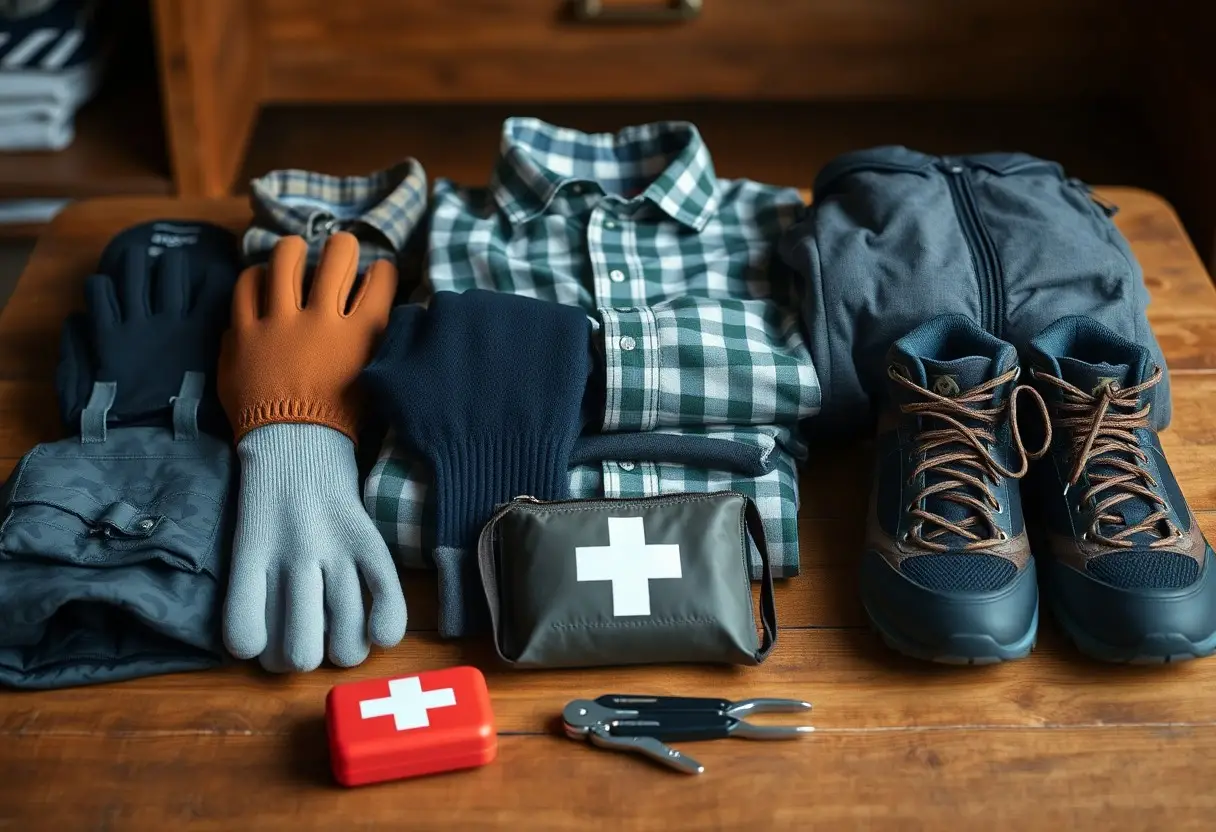
Keeping your clothing and footwear in optimum condition requires consistent maintenance to ensure reliability during emergencies. Regular washing, inspecting for wear and tear, and repairing any damage will help extend the lifespan of your gear. For added resilience, consider treating fabrics with water-resistant sprays or finishes. This attention to detail secures your preparedness when you need it most.
Regular Checks and Updates
Schedule periodic assessments of your clothing and footwear every few months. Check for fading, seams, and overall durability; replace items that show signs of significant wear. Additionally, update your stash according to your climate and potential hazards, ensuring it remains relevant and effective.
Proper Storage Solutions
Proper storage is important to maintain the readiness of your gear. Utilize airtight containers or vacuum-sealed bags to protect clothing and footwear from moisture and pests. Keep your items organized and easily accessible, labeling storage areas for quick retrieval in an emergency situation. A dedicated space in your home for emergency supplies helps streamline the packing process when every second counts.
When considering your storage solutions, prioritize environments that minimize exposure to temperature fluctuations and humidity. A cool, dry closet with proper shelving can be advantageous, while plastic bins with secure lids can offer additional protection. Arrange items based on seasons or specific needs, and include a checklist of your stored gear to confirm all importants are accounted for at a glance. This method ensures that you’re prepared without unnecessary delays during an emergency evacuation.
To wrap up
The best clothing and footwear for disaster readiness equip you to handle various emergencies effectively. Prioritize durable, weather-appropriate garments and sturdy footwear to protect yourself in challenging conditions. Ensure you have a mix of layers for temperature control, as well as waterproof options for wet environments. Packing crucials like a hat, gloves, and socks enhances your preparedness, while comfortable footwear can be vital for mobility. By selecting versatile and practical items, you can navigate unforeseen circumstances with confidence and security.


