

Just assemble a compact, well-organized go bag that provides water, shelter, light, medical aid, tools, and reliable communication, ensuring you can act decisively in any emergency. Include a reliable water filter or purification tablets, high-energy food, a durable flashlight with spare batteries, a basic first-aid and trauma kit, a multi-tool, whistle, backup power bank, and waterproof copies of your documents. Regularly check and rotate items to keep your bag ready.
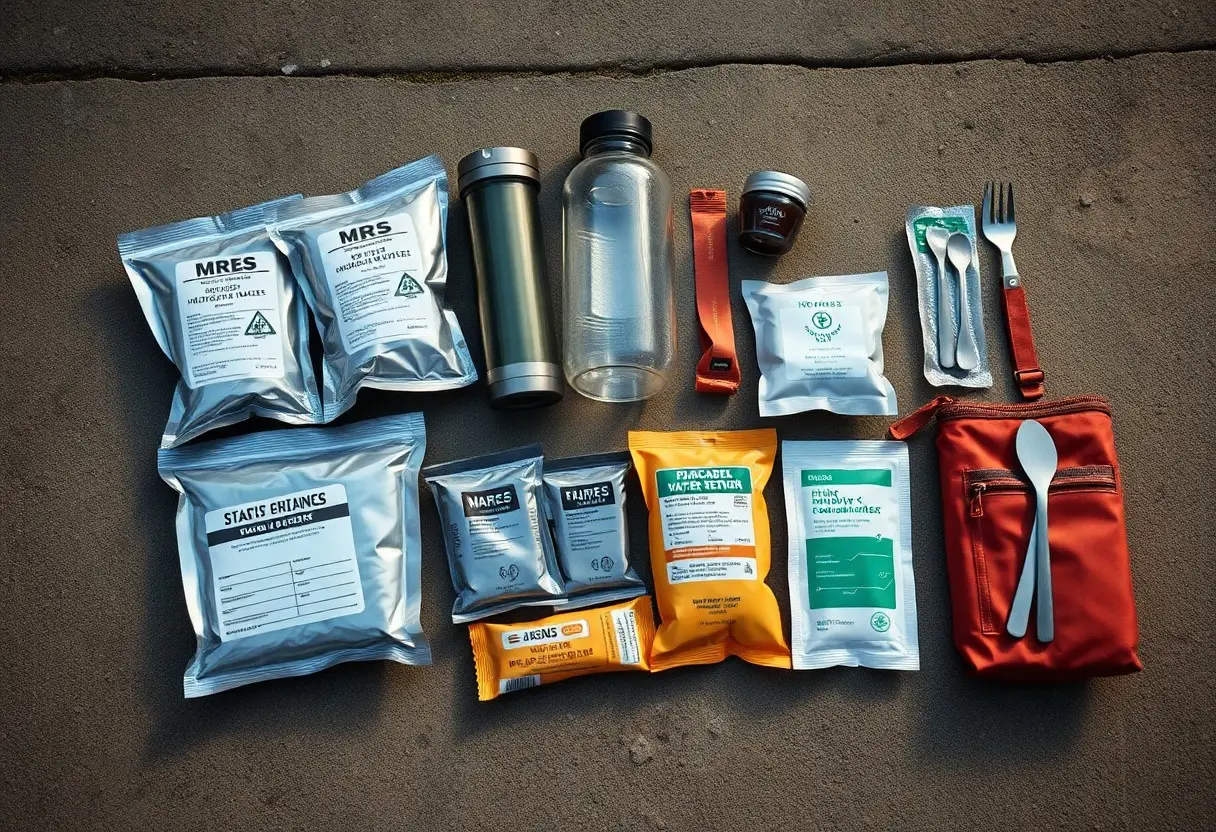
Essential Food and Water Supplies
Pack at least a three-day supply of food and one gallon of water per person per day; extend to seven days if you expect delays. Organize your food by type and calorie content, keep a compact stove and fuel for simple heating, and separate liquids in leak-proof pouches to prevent contamination.
Non-Perishable Food Options
Choose calorie-dense, non-perishable items that require minimal prep: canned tuna (3-5 year shelf life), MREs (3-5 years depending on storage), energy bars (6-24 months), and freeze-dried meals (up to 25 years if stored cool). You should rotate stocks by expiration date and include a manual can opener and a compact cooking pot.
Water Filtration and Storage
Carry both a reliable filter and storage in your bag: a Sawyer Mini or Katadyn filter (0.1-0.2 micron) handles bacteria and protozoa, while chlorine dioxide tablets (e.g., Micropur, Aquatabs) treat viruses. Aim for at least three liters of immediate water per person plus collapsible 3-10 L bladders for extra storage; label and seal your containers.
Pay attention to filter lifespans and maintenance: Sawyer filters are rated up to 100,000 gallons with 0.1 micron pores, LifeStraw models last about 4,000 liters at 0.2 micron; backflush or replace per manufacturer instructions to preserve flow. Use UV pens like SteriPEN or chlorine dioxide for virus control, and store treated water in food-grade containers, rotating supplies every 6-12 months and keeping them out of direct sunlight.
First Aid and Medical Supplies
You should build a layered medical kit that covers minor wounds to serious bleeding; include both everyday items and a few advanced tools. Pack a compact trauma kit with a CAT tourniquet, Israeli dressing, and hemostatic gauze alongside standard supplies so you can manage arterial bleeding and common cuts. Keep items organized in clear pouches and note expiration dates-many topical agents and tourniquets have 2-5 year shelf lives-so you can swap out expired pieces during quarterly checks.
Basic First Aid Kit Items
Include 20-30 assorted adhesive bandages, 6 sterile 4×4 gauze pads, a 2″ roll of medical tape, a 4-6 oz sterile saline bottle, 10 antiseptic wipes, antibiotic ointment, a triangular bandage, instant cold pack, stainless steel scissors, tweezers, disposable gloves, a CPR mask, and a compact flashlight. Brands like Adventure Medical and Red Cross offer 25-50 piece kits as good starting points you can augment with trauma gear.
Prescription Medications and Medical Records
Keep at least a 72-hour supply of important prescriptions, but aim for 7-30 days when possible; store medications in original labeled containers plus a waterproof pill organizer for daily use. Photograph prescription labels and save encrypted cloud copies, and carry a printed list of drug names, dosages, allergies, and physician contact info. Include backup doses of inhalers, EpiPen(s), and any insulin supplies you depend on.
For more protection, pack a signed note from your prescriber listing diagnoses and controlled-substance prescriptions if you travel across states or borders, and verify local regulations beforehand. Maintain an easily accessible medical information card with blood type, known allergies, chronic conditions, and emergency contacts; keep both digital (USB encrypted) and physical copies, and refresh records after any medication changes or new vaccinations.
Shelter and Warmth Solutions
Prioritize items that save heat and give immediate protection: a Mylar emergency blanket that reflects roughly 90% of radiated body heat, a compressible sleeping bag rated to at least the lowest nighttime temperature you expect (20°F/−7°C for cool climates, 0°F/−18°C for cold), and a closed-cell foam pad for insulation from the ground. You should balance weight – many emergency blankets weigh 25-50 g and compact sleeping bags can be under 1 kg – for a practical, grab-and-go setup.
Emergency Blankets and Sleeping Gear
Emergency Mylar blankets pack down to about 10×15 cm and weigh 25-50 g, making them ideal for space-limited bags; they reflect ~90% of body heat. For sleeping gear, compare down (600-800 fill power, lighter, packs smaller) versus synthetic (retains insulating loft when wet). A synthetic 20°F bag often weighs ~0.9-1.2 kg; add a closed-cell pad (~200-300 g) to prevent conductive heat loss from the ground.
Portable Shelter Options
Choose between tarps, bivy sacks, hammocks, and compact tents based on weight and expected conditions: a 2-person backpacking tent typically weighs 1.2-3 kg with a packed size around 45×15 cm, ultralight tarps (3×2.4 m) weigh 200-500 g, and bivy sacks can be 200-400 g for extreme-weather models. Check tent hydrostatic head ratings (1500-3000 mm) for waterproofing and pick stakes/cordage that fit your terrain.
If weight is your priority, a 3×2.4 m silnylon tarp plus lightweight cord and 6-8 aluminum stakes gives versatile shelter for ~300-600 g total and can be rigged as lean-to, A-frame, or groundsheet; choose a bivy if you expect wind and cold-its streamlined profile reduces convective heat loss-and opt for a freestanding 2-person tent when privacy, bug protection, and quicker setup (pop-up models deploy in seconds) matter more than grams.
Tools and Equipment
You should prioritize compact, multi-use items that multiply your options without weighing you down. Pack a 15-18 tool multi-tool, 50 ft of 550 paracord, a compact folding saw, and a one‑inch roll of duct tape to handle shelter repairs, gear fixes, and improvised tasks; add a lightweight utility knife and a small roll of nylon cord for versatility.
Multi-tools and Survival Gear
You want a robust multi-tool with locking blades and replaceable bits-models like the Leatherman Wave or Victorinox SwissTool cover pliers, saw, screwdriver and wire cutters. Complement that with a folding saw (blade ~6-8 inches), a 550‑paracord bundle (at least 50 ft), a 100+ dB whistle, and a compact repair kit (needle, awl, spare buckles) for field fixes.
Flashlights and Fire Starters
You should layer lighting: a 200-300 lumen headlamp for hands‑free tasks, a 500+ lumen handheld for signaling or route finding, and a small penlight for close work. Bring rechargeable 18650 cells or AA spares, a USB‑rechargeable light, aim for IPX6-IPX7 water resistance, and expect 2-10 hours runtime depending on mode.
For ignition, carry a ferrocerium rod (sparks exceed ~3,000°C), waterproof matches, and a reliable lighter; keep cotton balls smeared with petroleum jelly or commercial tinder tabs as high‑energy tinder. Practice producing sparks and flame in different conditions, and store each fire method in a waterproof container so you have at least three independent ignition options in your bag.
Clothing and Personal Items
Layering wins when space is limited: pack 2 base layers (merino or synthetic), 2 pairs of wool or synthetic socks, 2 changes of underwear, a lightweight insulated jacket (synthetic or down), and a waterproof breathable shell with at least a 10,000 mm rating. You should include a hat, gloves, sturdy footwear and a compression sack to reduce bulk; plan for roughly 72 hours of wear changes and prioritize fabrics that wick, dry fast, and resist odor so you stay functional longer.
Weather-Appropriate Clothing
Match clothing to season and hazards: in summer include a UPF 30+ sun shirt, a wide-brim hat, and permethrin-treated pants for insect protection; in winter prioritize a three-layer system-moisture-wicking base, insulating midlayer, and shell-and choose synthetic insulation if you expect wet conditions because it retains roughly 60-80% of loft when damp compared to down. Also pack 2 pairs of socks and a compact balaclava or neck gaiter for sub-freezing nights.
Personal Hygiene Essentials
You want small, high-utility items: a travel toothbrush and 30-50 ml toothpaste, dental floss, solid soap or 30 ml cleanser, hand sanitizer (60%+ alcohol, 100 ml), a 50-count pack of wet wipes, a lightweight quick-dry towel, one roll of toilet paper in a waterproof bag, disposable bags for waste, and menstrual supplies covering at least 3 days. Keep items consolidated in a clear, zippered pouch for fast access during an evacuation.
Pack hygiene items in resealable waterproof bags and decant liquids into 30-100 ml bottles to save space; single-use packets reduce cross-contamination and weight. Rotate perishables annually and after use, and separate soiled clothing in a dedicated dry sack. Consider biodegradable wipes and a small trowel for waste when appropriate, and store your hygiene kit in an external pocket for immediate retrieval during short-notice departures.
Communication and Navigation Devices
Mix short-range radios with low-tech navigation: pack a NOAA weather radio, an FRS/GMRS or handheld VHF for local comms, and a satellite messenger (Garmin inReach for two-way Iridium messaging or SPOT for one-way Globalstar alerts). Carry a dedicated GPS unit with WAAS/GLONASS and a magnetic compass plus paper topo maps. Expect handheld radios to run 12-30 hours and satellite messengers to last days-weeks on standby depending on transmit frequency.
Portable Chargers and Power Banks
Select at least one 10,000-20,000 mAh USB-C PD bank for phones/tablets and consider a 20,000-30,000 mAh unit with 45-65W output if you’ll power a laptop. Favor models with pass-through charging, multiple ports, and ≥500 charge cycles; weigh trade-offs between capacity and bulk. Add a foldable solar panel (15-25% efficiency) as a supplemental option when you can sit in sun for several hours.
Maps and Emergency Communication Tools
Keep paper topo maps and a compass as your fail-safe, and pre-load offline maps in apps like Gaia GPS, Avenza, or OsmAnd for at least a 50-mile radius. Use a satellite messenger-Garmin inReach Mini 2 provides two-way text and global SOS over Iridium, while SPOT offers one-way check-ins on Globalstar. Consider a handheld ham or GMRS radio for range; note GMRS/ham may require licenses.
Practice using paper maps and compass bearings: mark evacuation routes, water sources, and two alternate rendezvous points. Cache grid coordinates and waypoint files (.gpx) on multiple devices, verify map datum (WGS84 vs local), and carry spare AA/AAA or lithium batteries for GPS units; a brief navigation drill quarterly keeps skills sharp under stress.
Final Words
As a reminder you should prioritize lightweight, multipurpose items that cover water, food, shelter, first aid, light, and communication; tailor your pack to your medical needs, climate, and skill set, test and rotate supplies regularly, and keep documentation and cash accessible. With a compact, well-organized go bag you increase your resilience and make fast, confident decisions during any emergency.


