
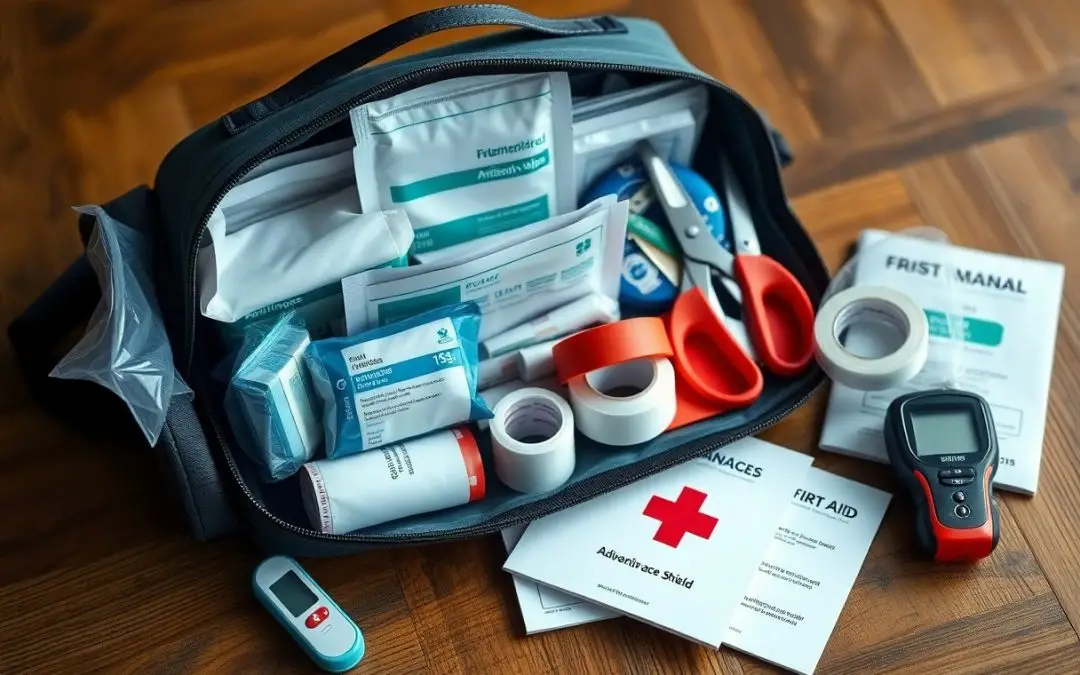
GoBag preparation is vital for ensuring your safety in emergencies, and having the right medical and first aid supplies can make all the difference. This guide outlines vital items you should include in your go bag to address potential injuries and health needs during unforeseen situations. By equipping yourself with these supplies, you empower yourself to handle medical challenges effectively, enhancing your readiness and peace of mind.
Importance of a Go Bag
A go bag is an important tool for emergencies, allowing you to respond quickly and effectively to unexpected situations. By having a well-stocked go bag ready, you ensure that you are prepared to leave your home safely and efficiently when faced with disasters, enabling better protection for yourself and your loved ones.
Emergency Preparedness
Being prepared for emergencies enhances your resilience and ability to cope. A go bag consolidates your critical supplies, making it easier to evacuate swiftly. This proactive approach can reduce stress and improve outcomes when faced with unexpected crises.
Types of Emergencies
Emergencies vary widely, encompassing natural disasters, medical situations, and man-made events. Your go bag should address a range of potential scenarios, including earthquakes, floods, fires, and power outages. Understanding the specific threats in your area will help tailor your supplies effectively.
| Emergency Type | Examples |
| Natural Disasters | Earthquakes, floods, hurricanes |
| Medical Emergencies | Injuries, allergic reactions, illness |
| Technological Incidents | Power outages, telecommunications failure |
| Man-Made Crises | Active shooter, terrorism, civil unrest |
| Evacuations | Mandatory evacuations due to hazards |
Emergencies can arise from diverse sources, and knowing how to prepare for them can save lives. For instance, during a natural disaster, quick access to food and water may be important. Medical emergencies require immediate attention and supplies like first aid kits. By anticipating these possibilities, you can design your go bag to contain the necessary items for each type of emergency.
- Evacuations may require a rapid response.
- Natural disasters often render traditional access to resources impossible.
- Medical situations call for immediate first aid solutions.
- Technological issues can disrupt communications and power.
- Man-made crises may create unsafe environments, necessitating swift action.
| Preparedness Strategy | Recommended Action |
| Emergency Plan | Create and review your family’s emergency plan. |
| Kit Check | Regularly inspect your go bag for expired items. |
| Skill Training | Take courses in first aid and CPR. |
| Communication | Establish emergency contacts outside your local area. |
| Resource Updates | Stay informed about local emergency resources and shelters. |
Essential Medical Supplies
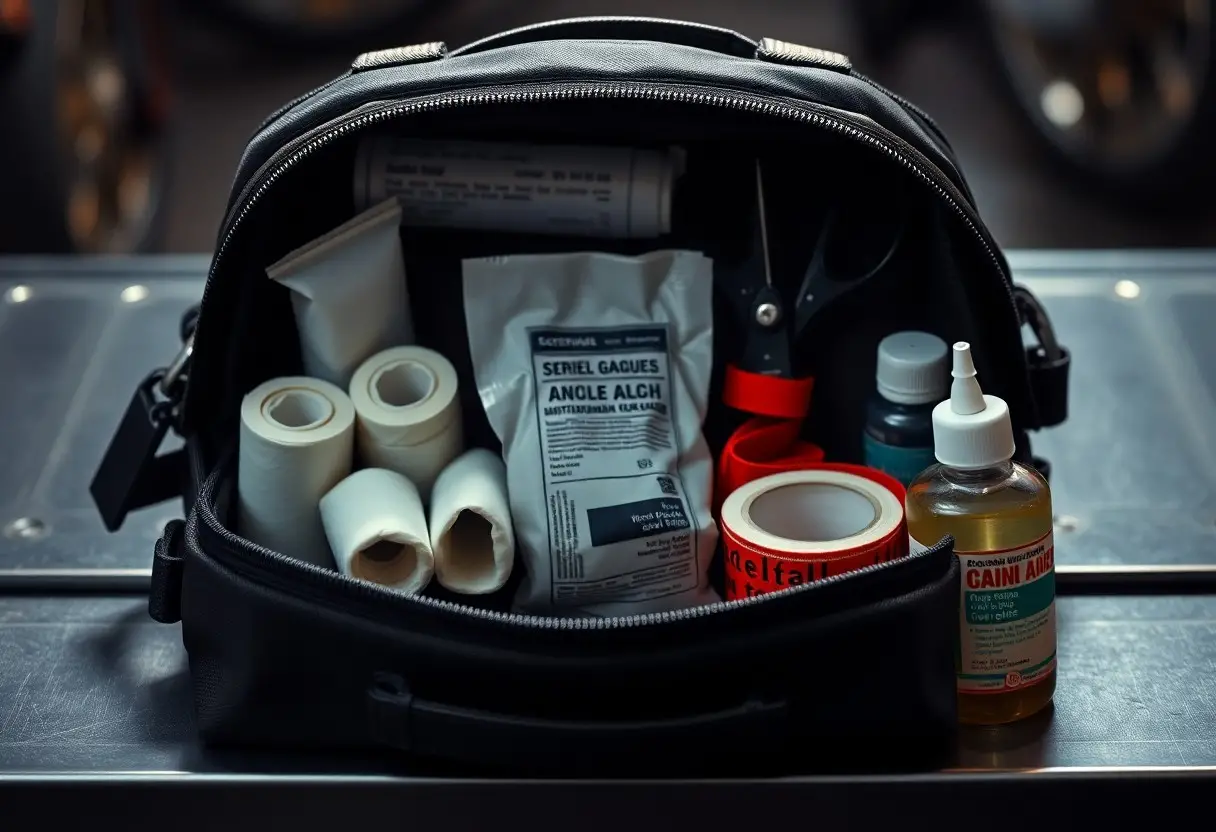
When assembling your go bag, incorporating important medical supplies ensures you’re prepared for a variety of situations. Stocking basic items like gauze, adhesive bandages, antiseptic wipes, and personal protective equipment is vital for addressing injuries and illnesses quickly. Additionally, including tools such as scissors and tweezers will enhance your ability to manage wounds effectively. Prioritizing these supplies can significantly improve your response time in emergencies, keeping you and your loved ones safe.
First Aid Kit Contents
Your first aid kit should contain a variety of items tailored to your needs. Basic supplies include adhesive bandages in various sizes, gauze pads, adhesive tape, antiseptic wipes, and sterile gloves. You may also want to add a thermometer, instant cold packs, and burn cream. Consider customizing your kit with additional supplies such as splints or emergency blankets if you have specific health concerns or expect unique situations. Regularly check and replenish your kit to keep it ready for action.
Medications and Prescriptions
Including necessary medications in your go bag is vital for managing existing health conditions. You should pack a supply of any prescription medications you take regularly, accompanied by a list detailing dosages and schedules. Additionally, consider over-the-counter medications like pain relievers, antihistamines, and anti-nausea medications, as they can alleviate common discomforts during emergencies.
Make copies of your prescriptions and keep them in your go bag alongside any important medical documents, such as allergy information and a list of emergency contacts. If you have specific conditions that require immediate attention, such as diabetes or asthma, ensure you carry the necessary devices (e.g., insulin pens, inhalers) along with backup supplies. Being organized and thorough about your medications can provide peace of mind during emergencies and assist first responders in understanding your health status.
First Aid Techniques
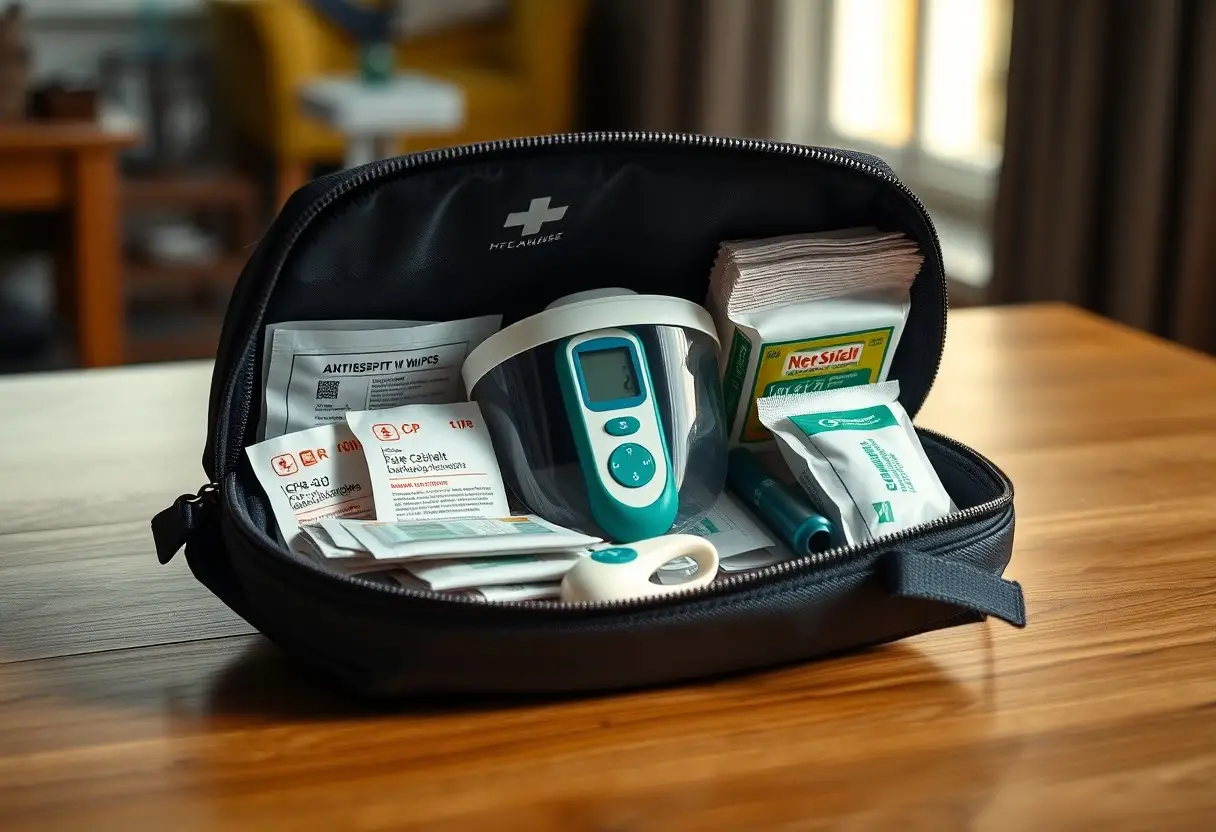
Having knowledge of first aid techniques boosts your confidence in emergencies, allowing you to assist yourself and others effectively. Key skills can range from wound care and cleaning to managing sprains or fractures. Familiarizing yourself with these techniques is necessary to providing immediate care before professional help arrives.
Basic First Aid Skills
Basic first aid skills form the foundation of emergency response. You should be able to assess injuries, apply bandages, and control bleeding effectively. Learning how to recognize signs of shock, perform the Heimlich maneuver, and treat burns are necessary. These skills can significantly improve outcomes in critical situations.
CPR and AED Training
CPR and AED training equips you with life-saving techniques that can prevent death during cardiac emergencies. Training typically involves learning chest compressions, rescue breaths, and how to operate an Automated External Defibrillator (AED). Familiarity with these skills increases your ability to respond effectively and confidently.
Training in CPR and AED usage is widely available through various organizations, such as the American Heart Association. Courses often include hands-on practice with manikins and real-life scenarios. Statistics show that CPR can double or triple a victim’s chance of survival following a cardiac arrest, emphasizing the importance of being trained. Many communities also offer free courses, making it accessible for everyone to enhance their emergency response skills.
Additional Supplies to Consider
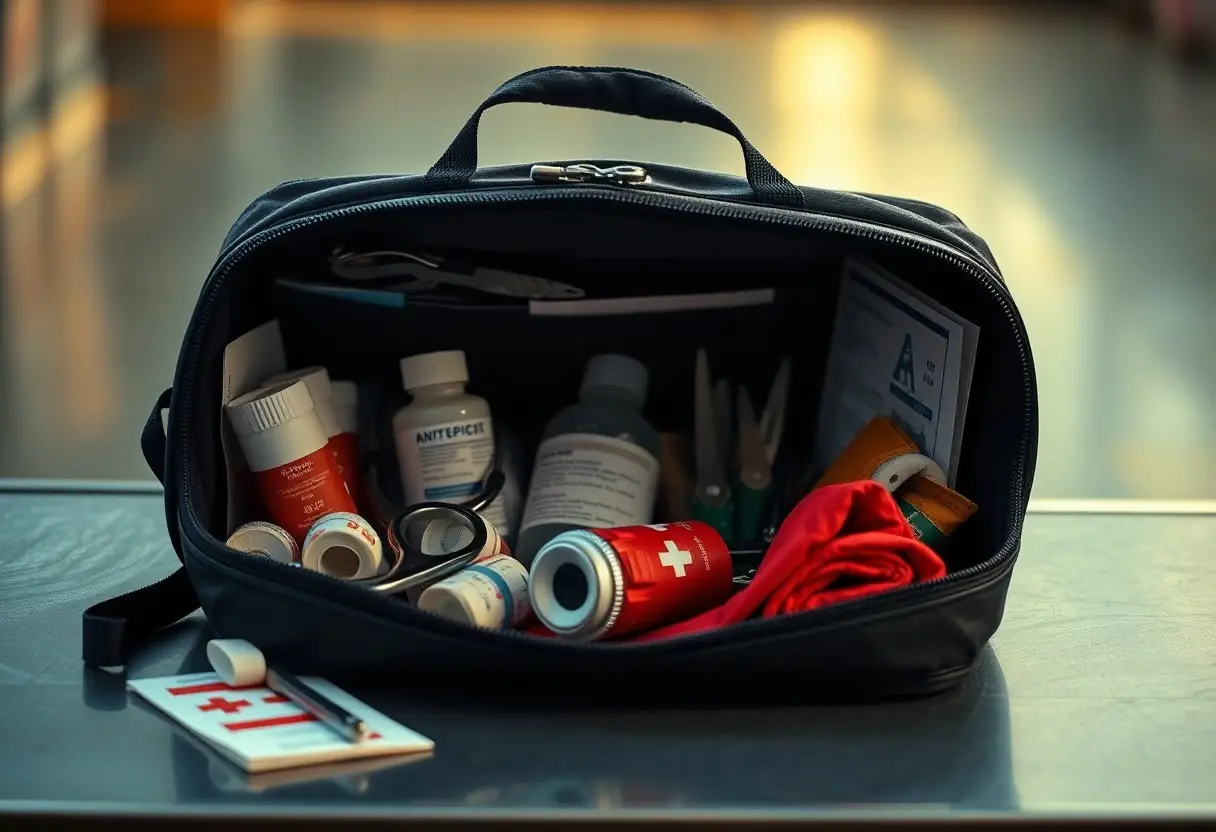
Consider adding specific items to elevate your go bag’s readiness. Tools like multi-tools or portable emergency radios keep you equipped for various scenarios, while extra batteries ensure your electronics function. It’s also beneficial to include a whistle for signaling and personal identification documents for quick access. These additions enhance your ability to navigate unexpected situations effectively.
Personal Protective Equipment
Personal protective equipment (PPE) is vital for your safety in emergencies. Including disposable gloves, masks, and goggles can help you minimize exposure to hazards and pathogens, particularly in situations involving injuries or contamination. These items ensure that you protect yourself while administering care or seeking assistance.
Hydration and Nutrition
Staying hydrated and nourished is important during emergencies. Pack water purification tablets and a portable water filter to ensure you can access clean drinking water. Additionally, lightweight, non-perishable food items, such as energy bars and dried fruits, provide necessary sustenance, keeping your energy levels up and enhancing your resilience in challenging situations.
In emergencies, you may find yourself without immediate access to food and clean water, making hydration and nutrition indispensable. Aim for a minimum of one gallon of water per person per day for at least three days, as hydration impacts your physical and mental performance. Energy bars should be chosen for their compact size and high-calorie content, providing quick energy boosts. Planning for balanced nutrition in your go bag not only supports survival but maintains your endurance and alertness during critical times.
Maintenance and Updates
Maintaining your go bag ensures it remains effective when needed most. Regularly updating supplies and checking components keeps your first aid kit prepared for emergencies. Staying proactive helps to avoid last-minute scrambles and ensures you can respond appropriately when the time comes.
Regular Checks
Conduct regular checks of your go bag at least twice a year. During these checks, assess the condition of items, replenish supplies, and rearrange for easy access. Familiarizing yourself with the contents ensures quicker retrieval during a crisis, enhancing your readiness.
Expiry Dates and Replacements
Every item in your first aid kit has a shelf life that requires monitoring. Medications, adhesive bandages, and antiseptic wipes all have expiry dates that can compromise their effectiveness over time. Make a habit of checking these dates and replacing expired items promptly.
For instance, many over-the-counter medications can expire within one to three years, while items like alcohol wipes can dry out or lose potency. To keep your kit fully functional, create a checklist of all products with expiry dates, and schedule reminders to check and replace them systematically. This methodology helps maintain health and safety standards, ensuring your go bag is always ready for emergencies.
Customizing Your Go Bag
Every go bag should reflect your unique circumstances and lifestyle. Adjusting contents based on personal needs, family size, and specific environments ensures that you have the right supplies when emergencies arise. Think about what you may encounter during a crisis and tailor your items accordingly, whether that means adding extra food, medical supplies, or tools that meet your particular needs.
Family Needs and Special Requirements
Your family’s specific needs must shape the contents of your go bag. Consider any medical conditions, allergies, or age-related requirements you may have. For instance, if you have young children, pack additional items like diapers, formula, or comfort items to ensure emotional reassurance during stressful times.
Tailoring for Travel and Outdoor Activities
When preparing for travel or outdoor adventures, your go bag should include specialized items tailored to potential scenarios you could face. For instance, incorporate hydration packs, insect repellent, or sun protection for outdoor trips, while ensuring you have travel-size medications and documents if you’re moving through various regions.
Outdoor activities can bring about unique challenges that necessitate specialized items in your go bag. Include items like a compact first aid kit, water purification tablets, or multi-tools that may help in unexpected situations. If you plan on being in remote areas, extra food rations, navigation tools, and emergency blankets can also provide critical support. Always adjust your packing list based on the duration of travel and the expected weather conditions, ensuring you’re fully equipped for diverse scenarios.
Summing up
Ultimately, equipping your go bag with imperative medical and first aid supplies is vital for your preparedness. You should include items like bandages, antiseptics, pain relievers, and any personal medications. This ensures you can address minor injuries and health concerns effectively. Regularly check and update your supplies, tailoring them to your specific needs and circumstances. Being proactive about your health and safety can make all the difference in an emergency situation.


