
Resourcefulness is key to thriving in today’s unpredictable world, and the important skills outlined in this guide will empower you to navigate various survival scenarios with confidence. Whether you’re facing natural disasters, urban emergencies, or seeking self-sufficiency, this ultimate how-to resource provides you with practical techniques and knowledge to enhance your preparedness. From foraging for food to first aid and practical self-defense, each skill will transform your approach to modern survival, equipping you with the expertise you need to safeguard yourself and your loved ones.
1. Identify vital survival skills for various situations.
2. Gather reliable resources for learning and practicing.
3. Practice basic first aid and emergency preparedness techniques.
4. Learn to build shelters using natural materials available.
5. Develop skills in foraging and identifying edible plants.
6. Master fire-starting methods for warmth and cooking.
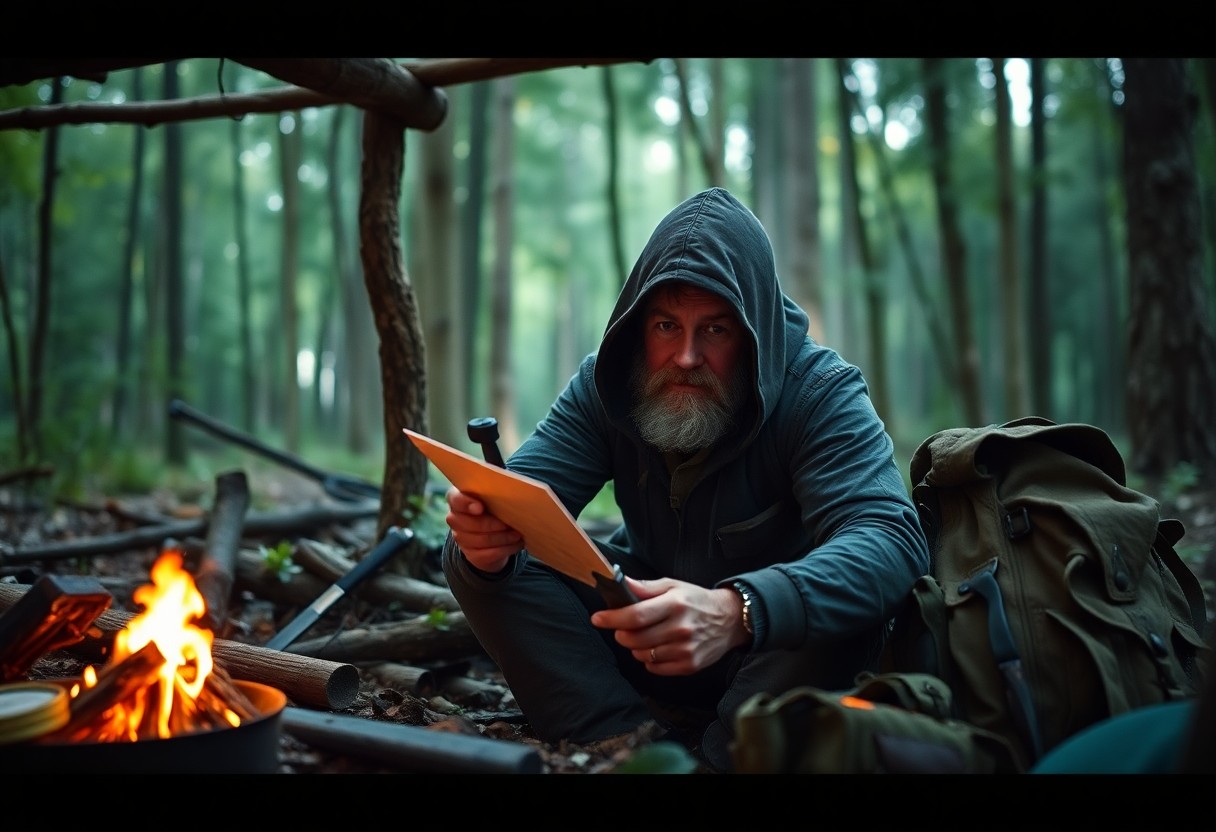
How-To Develop Essential Survival Skills
Before immersing yourself in wilderness survival, it’s important to build a solid foundation of crucial skills. Practicing these skills regularly and exposing yourself to various environments will enhance your confidence and adaptability. Engage in hands-on training, seek knowledge from experienced practitioners, and continuously evaluate your skills to refine them. By committing to development, you can ensure you are well-prepared for any survival situation that arises.
Tips for Hunting and Gathering
The art of hunting and gathering is fundamental in survival situations. To enhance your effectiveness, consider these tips:
- Study animal behavior to increase your hunting success.
- Familiarize yourself with edible plants and fungi before heading into the wild.
- Practice various hunting techniques, such as trapping or tracking.
- Ensure you have the right tools and equipment for gathering and preparing food.
This will empower you to secure nutrition during critical times.
Factors Influencing Food Preservation
One must consider several factors that influence the preservation of food in a survival context. Temperature, humidity, light, and the method of preservation play significant roles in maintaining the quality of your sustenance. Understanding these variables will enable you to effectively store food and minimize spoilage, therefore extending its usability.
- Optimal storage temperatures should be identified, as they will affect longevity.
- Humidity levels must be managed to reduce mold growth.
- Light exposure needs to be limited to maintain nutrient content.
- Preservation methods, such as dehydration or fermentation, can enhance durability.
Thou can significantly prolong the lifespan of your provisions when you account for these factors.
For instance, temperature control directs the enzymatic activities that lead to spoilage. Selecting the appropriate preservation method—like drying or canning—can vastly improve the shelf life of your foods. Also, proper packaging helps in protecting against pests and contamination. Consider these realistic approaches for successful preservation:
- Cold storage can prevent bacterial growth, extending food viability.
- Drying your food reduces moisture content, thereby lessening rotting risks.
- Using airtight containers can prevent exposure to pests and oxygen.
- Fermentation can transform perishables into longer-lasting provisions rich in probiotics.
Thou will find that understanding these aspects strengthens your survival preparedness.
How-To Build a Sustainable Shelter
The process of building a sustainable shelter requires careful planning and consideration. A well-constructed shelter can protect you from the elements while utilizing materials found in your environment. Understanding how to create a refuge that blends with nature not only enhances comfort but also promotes sustainability and minimal environmental impact.
Tips for Selecting Location and Materials
Selecting the right location and materials is vital to your shelter’s success. Look for natural resources nearby while considering safety and comfort:
- Choose elevated, dry ground to avoid flooding.
- Position your shelter away from hazards like falling branches.
- Select materials that blend with the environment for camouflage.
Assume that proximity to fresh water should also guide your decision-making.
Factors in Weather Resistance
Some imperative factors ensure your shelter can withstand harsh weather. Consider the terrain and climate when building your structure:
- Ensure your roof has a steep slope for effective rain runoff.
- Incorporate thick walls to insulate against cold temperatures.
- Utilize natural foliage for additional weather protection.
Knowing which elements impact weather resistance will enhance the safety of your shelter.
Build your shelter with durable materials to maximize longevity and resilience. Select components that can endure extreme wind and moisture levels, such as logs, stones, and insulated fabric. Design your structure to withstand local weather patterns, factoring in wind direction and potential snowfall:
- Aim for rounded shapes to minimize wind resistance.
- Consider incorporating drainage features to divert rainwater.
- Use proper anchoring techniques for stability in stormy conditions.
Knowing how to construct a weather-resistant shelter can drastically improve your safety during emergencies.
How-To Master Fire-Making Techniques
All survivalists know that mastering fire-making techniques is crucial for warmth, cooking, and signaling for help. Your ability to create and control fire can significantly impact your survival experience, and it requires practice, patience, and an understanding of various methods. Whether you choose traditional methods like flint and steel or modern tools like fire starters, honing these skills will give you confidence in the wild.
Tips for Fire Safety and Management
If you want to ensure a safe and effective fire experience, follow these tips for fire management. Maintaining fire safety is vital to prevent wildfires and stay protected.
- Always build a fire in a designated area.
- Keep flammable materials at a safe distance.
- Have a water source nearby for emergencies.
- Extinguish your fire completely when done.
The proper management of fire can enhance your overall survival experience.
Factors Affecting Fire Sustainability
Management of fire sustainability is key for long-term warmth and cooking needs. Several factors can influence how long your fire will last and how efficiently it will burn.
- Type of fuel used (wood, coal, etc.).
- Environmental conditions, like wind and moisture.
- Fire structure and arrangement of logs.
- Size and location of the fire pit.
Assume that assessing these factors can lead to more productive and sustainable fires in any survival situation.
Safety around fire sustainability involves understanding burn rates, fuel types, and environmental impacts. You must consider how your decisions can affect both your fire’s longevity and surrounding ecosystems. By recognizing your role in fire management, you enhance your skills for survival.
- Choose dry, seasoned wood for better burns.
- Monitor weather conditions before starting a fire.
- Adapt your fire structure based on available resources.
- Practice Leave No Trace principles by minimizing impacts.
Assume that understanding these elements will improve not just safety but also the overall experience of fire-making in the wild.
How-To Navigate in the Wild
Many modern survivalists find themselves needing to navigate uncharted terrain. Mastering navigation skills can significantly enhance your chances of thriving in the wilderness. Developing a keen sense of direction using both tools and natural indicators, you can chart your path effectively, even in challenging environments.
Tips for Using Natural Landmarks
On your adventure, leveraging natural landmarks can be an effective way to guide yourself. These features can serve as reference points during your journey.
- Identify prominent mountains, rivers, or unique rock formations.
- Use the position of the sun and stars for guidance.
- Familiarize yourself with the landscape before heading into the wilderness.
Perceiving your surroundings thoughtfully will aid in maintaining your bearings.
Factors Impacting Orientation Skills
HowTo navigate successfully also involves understanding the myriad factors that influence your orientation skills. Various elements can affect how well you can ascertain your position and direction in the wild.
- Weather conditions can obscure visibility and alter terrain cues.
- Emotional state may impact your focus and decision-making ability.
- Familiarity with the area plays a role in your navigation confidence.
The awareness of these factors will empower you to overcome challenges during your wilderness journey.
Orientation skills are affected by numerous factors that can change your navigation experience. Weather conditions, such as fog or heavy rain, can obscure landmarks, making it difficult for you to maintain a clear sense of direction. Additionally, your emotional state is significant—stress or anxiety might diminish your ability to concentrate and affect judgments you make along the way. Furthermore, if you’re unfamiliar with the surroundings, it can hinder your ability to orient successfully, highlighting the importance of becoming comfortable with your environment.
- Your physical fitness can also affect your stamina during navigation tasks.
- The time of day can change visibility and shadow patterns.
- Technology dependence may weaken your innate navigation instincts.
The insights gained from recognizing these dynamics will enhance your ability to navigate effectively in the wild.
How-To Manage Water Resources
After establishing your survival plan, managing water resources becomes crucial to ensuring your well-being. Water is vital, and understanding techniques for locating and conserving it can make a significant difference in your survival. To effectively manage this resource, develop strategies for finding, purifying, and storing water, so you’re prepared for any situation that may arise.
Tips for Finding and Purifying Water
An effective survivalist knows how to locate and purify water. Here are some tips for you to consider:
- Look for sources like streams, rivers, or lakes
- Collect rainwater in clean containers
- Use plants like cattails or bamboo as indicators of groundwater
- Boil water for at least one minute to purify it
Recognizing the importance of water sources will enhance your survival skills.
Factors in Water Storage Solutions
Purifying and storing water effectively requires you to consider various factors. Choose containers that are suitable for your water supply, keeping in mind their size, material, and ability to keep water safe from contamination. Here are some factors to consider:
- Opt for BPA-free materials
- Utilize dark-colored containers to prevent algae growth
- Store water in a cool, dark environment
Thou should choose wisely to ensure your water remains clean and available for usage.
Plus, understanding water storage solutions is crucial for any survivalist. Investing in proper equipment can prolong water quality. Establish a routine for checking your stored water and consider the following:
- Rotate your stored water every six months
- Label containers with storage dates
- Keep a small reserve for emergency situations
Thou can enhance your preparedness by ensuring you have reliable access to safe water.
How-To Implement First Aid
For any aspiring survivalist, implementing first aid is vital for addressing injuries and maintaining overall health in the wilderness. You should have a basic understanding of first aid techniques, from wound care to recognizing signs of shock. Equip yourself with a first aid kit and familiarize yourself with its contents. Practice these life-saving skills regularly to ensure you can respond effectively when emergencies arise.
Tips for Common Injuries and Treatments
An effective response to common injuries can make all the difference. Here are some key treatments to consider:
- Clean cuts with soap and water, apply antiseptic, and cover with a sterile bandage.
- For burns, cool the area with running water and apply an appropriate ointment.
- Use an elastic bandage for sprains, ensuring it’s snug but not too tight.
- For choking, perform the Heimlich maneuver or back blows.
The skills you develop can save lives.
Factors Affecting Health in Survival Situations
Injuries can significantly impact your health while in survival situations. Factors such as hydration, nutrition, and temperature play a key role in your body’s ability to heal and operate effectively. Poor health choices can lead to complications and slow recovery. Always assess your environment and make appropriate decisions to support your wellbeing.
- Dehydration can hinder recovery, making it vital to consume adequate water.
- A balanced diet enhances your strength and immune function.
- Extreme temperatures can exacerbate injuries or lead to additional health concerns.
Thou must consider these elements for optimal health outcomes.
This comprehensive understanding enables you to strategize effectively in adverse conditions. The combination of proper nutrition, hydration, and temperature control is imperative to support the healing process while in survival situations. By prioritizing these factors, you can significantly enhance your resilience and preparedness.
- Stay informed about your surroundings to avoid unnecessary injuries.
- Adapt your approach based on available resources.
- Regularly assess your physical condition and adjust accordingly.
Thou are capable of enhancing your survival skills with the right knowledge and practices.
Conclusion
Taking this into account, mastering necessary skills for modern survival is not just about being prepared—it’s about empowering you to navigate life’s uncertainties with confidence. By equipping yourself with knowledge in areas such as foraging, self-defense, and emergency preparedness, you position yourself to face various challenges effectively. Your commitment to continuous learning and practice will not only enhance your survival capabilities but also promote resilience in everyday life. Embrace these skills and make them part of your lifestyle to thrive in today’s world.


