

There’s no need to be a survivalist to benefit from a well-packed go bag; you should keep a compact kit that covers basic needs for 48-72 hours. Include water, nonperishable snacks, a basic first-aid kit, flashlight and extra batteries, a multi-tool, phone charger/power bank, necessary medications, copies of ID and important documents, a small amount of cash, weather-appropriate clothing, and a face mask. Keep the bag accessible and tailored to your daily routine.
Understanding the Go Bag Concept
Definition of a Go Bag
Your go bag is a compact, grab-and-go kit designed to support you for about 72 hours when home or services are disrupted. It typically holds water (1-2 liters per person per day), nonperishable food, a basic first-aid kit, a flashlight, a phone charger or power bank, copies of ID and important documents, and a few multipurpose tools. You should size and pack it based on your commute, household members, and the most likely local hazards.
Purpose and Importance for Everyday People
You don’t need to be a prepper to benefit: a go bag removes last-minute panic and gets you moving faster during evacuations, blackouts, or sudden illnesses. FEMA recommends a 72-hour supply, and people with ready kits during events like winter storms or urban transit shutdowns can manage immediate needs-meds, light, and communication-while authorities respond. Stashing one in your car or workplace cuts evacuation time dramatically.
Practical packing matters: include prescription meds (extra 3-7 days if possible), $50-100 cash, spare keys, high-calorie bars, a 5,000-10,000 mAh battery, and weather-appropriate clothing. You can maintain a “micro” commuter kit with imperatives and a fuller home bag for longer disruptions. If you care for kids or pets, add formula, diapers, pet food, and contact info to avoid gaps during evacuation.
Essential Items for Your Go Bag
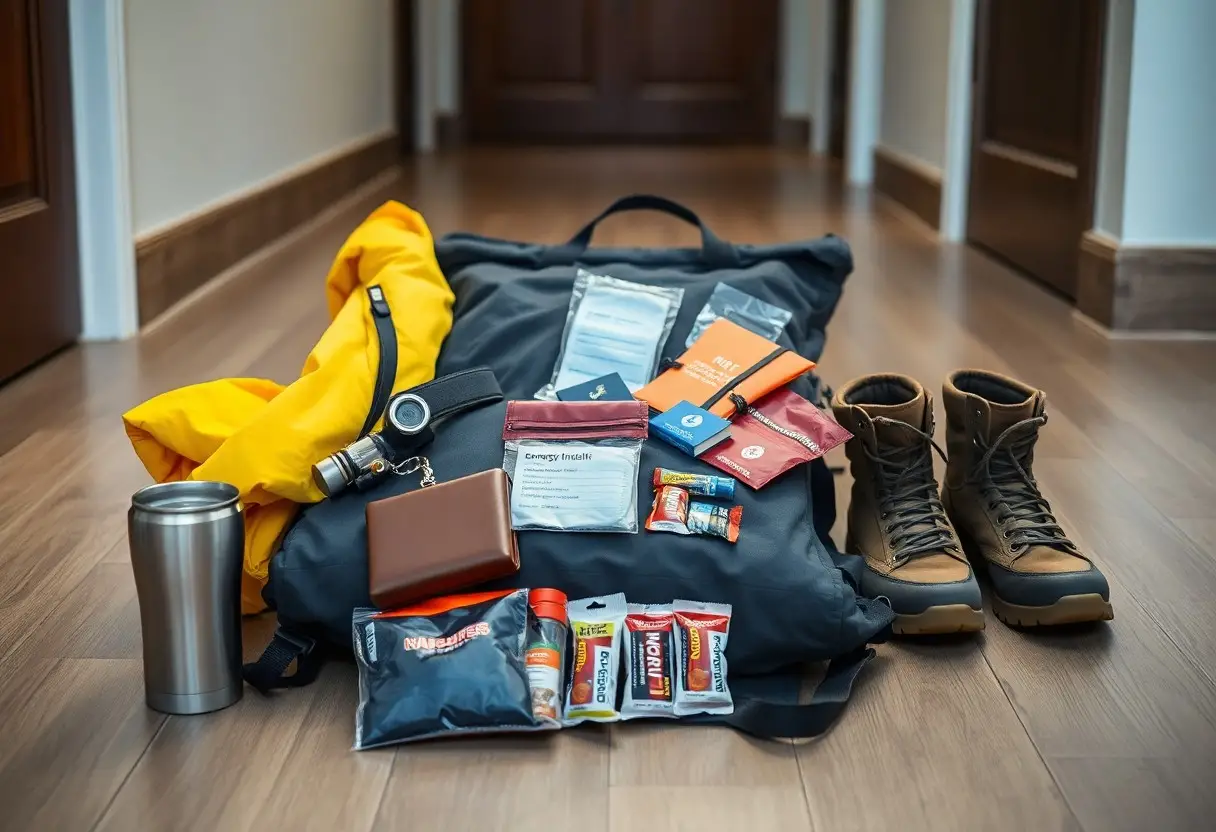
Load your bag with versatile, high-impact items: a compact multi-tool, headlamp with extra batteries, a lightweight poncho, a small sleeping bag, a three-day supply of food and water, a basic first-aid kit, a 10,000 mAh power bank and charging cable, copies of ID/insurance, and a few banknotes. Emphasize multi-use pieces like a bandana, mylar blanket, and 50 ft of paracord, and aim to keep total weight under 10-12 kg so you can move comfortably.
First Aid Supplies
Pack a compact kit with adhesive bandages (various sizes), sterile gauze pads (4×4, four), adhesive tape, antiseptic wipes (10), tweezers, small scissors, elastic wrap, an instant cold pack, two pairs of disposable gloves, pain relievers, antihistamine and any personal prescriptions. Include a CPR mask and a few sterile dressings for bleeding control. Take a basic first-aid or bleeding-control course so you know how to use the items under stress.
Food and Water Needs
Plan for 72 hours: pack at least 1 liter of water per person per day (so three liters each) and choose calorie-dense, nonperishable foods you eat-energy bars, canned tuna, peanut butter packets, or two freeze-dried meals per person. Carry a lightweight stove or a few fuel tablets for hot meals, plus a manual can opener and utensils. Rotate items every 6-12 months to maintain freshness.
Carry a water-filter straw (Sawyer Mini or LifeStraw) and 10-20 chlorine dioxide tablets to treat unknown sources; filters often handle 100,000+ gallons and are reusable. Store water in collapsible 1L bottles to save space, and pack 4-6 energy bars plus two 400-500 kcal freeze-dried meals per person. If you have dietary restrictions, include labeled alternatives and log expiration dates so your supplies stay usable.
Clothing and Personal Items
Clothing and personal items determine how well you move, sleep, and stay healthy for the first 72 hours after an evacuation; pack for adaptability and weather. Focus on moisture-wicking fabrics, a compact insulating layer, and a waterproof shell that compresses into its own pocket. Include one pair of sturdy shoes and one lightweight backup (sandals or trail runners), plus a hat and gloves if temperatures may drop below 10°C (50°F).
Clothing Selection
Choose a simple three-layer system: one moisture-wicking base (merino or synthetic), one insulating mid-layer (fleece or 300-700 fill down), and one breathable waterproof shell. Bring 2-3 pairs of socks (one merino), two pairs of underwear, and a convertible pant or lightweight zip-off option. Size for mobility rather than fashion, and stow an extra shoelace, a compact belt, and a packable rain poncho.
Personal Hygiene Essentials
Pack travel-size toiletries concentrated on infection control and comfort: a toothbrush, toothpaste tablets, 50 ml hand sanitizer (≥60% alcohol), a 20-30 count pack of wet wipes, a small quick-dry towel, a compact roll of toilet paper in a sealed bag, and menstrual supplies sized for 72 hours (pads, tampons, or a menstrual cup). Include a small zip-seal pouch to keep items dry.
Organize hygiene items in labeled, waterproof pouches and rotate every 6-12 months; check expiration dates on sanitizers and any single-use antiseptic wipes. Consider toothpaste tablets to save weight, compressed towels that expand with water, and individually wrapped soap sheets. If you carry medications, add a small hand-pump spray bottle of saline for wound rinsing and a 5-7 day supply of any personal prescriptions in original containers.
Tools and Equipment
Keep compact, multi-use tools that solve common problems: a 50 ft length of 550 paracord, a small 2″ roll of duct tape, a collapsible shovel or trowel, nitrile gloves, a basic sewing kit, 10 heavy-duty cable ties and a few safety pins. You’ll also want a compact stove or alcohol tablet kit if you expect to cook, plus a lightweight tarp or emergency blanket that doubles as shelter or ground cover.
Multi-tools and Utility Items
Choose one full-featured multi-tool (Leatherman Wave or Victorinox SwissTool) with pliers, wire cutters, bit driver and saw, plus a reliable folding knife with a ~3″ blade for general tasks. Add a small pry bar, a compact folding saw, a set of precision screwdrivers, and a handful of spare utility bits. You should pack a 50-100 lumen backup knife/light combo for simple repairs when you don’t need a full flashlight.
Emergency Lighting and Communication
Bring a hands-free 300-500 lumen headlamp and a 500-1,000 lumen handheld flashlight, ideally using 18650 rechargeable cells or AA backups. Include a 10,000-20,000 mAh power bank (charges a smartphone ~2-5 times), a hand-crank/solar NOAA weather radio (e.g., Midland ER310), and a pair of FRS walkie-talkies like the Motorola T100 for short-range family comms.
For practical redundancy, pair rechargeable lights with chemical glow sticks and spare AA batteries, and choose radios with NOAA alerts and USB charging. You’ll want at least one device with multiple charging options (solar, hand-crank, USB). Test runtimes: a 300-lumen headlamp typically yields 4-10 hours on medium, and a 10,000 mAh bank will roughly recharge most phones two to three times, letting you keep navigation and emergency apps available.
Customizing Your Go Bag
Every go bag should be tuned to your daily routes, climate, and 72-hour needs: choose a 20-35 L pack, carry 1 L of water for immediate use plus a filter or tablets for the rest, and include a 10,000-20,000 mAh power bank to recharge phones 2-4 times. Organize with modular pouches (meds, documents, electronics), label prescriptions, and stash $50-100 in small bills and a duplicate house key for quick access.
Family Considerations
Families need extra volume and kid-specific items: infants require about 8 diapers per day (≈24 for 72 hours) and pre-measured formula or sealed ready-to-feed packs, while toddlers benefit from a spare outfit and a comfort toy. For older relatives, pack a 72-hour supply of prescribed meds with a printed dosage list, hearing-aid batteries, and mobility-assist backups. Include pet vitals-3 days of food, collapsible bowl, leash, and vaccination record copies.
Lifestyle-Specific Additions
Think about what keeps you working: cyclists should add a patch kit, compact pump or two CO2 cartridges, and a high-visibility vest; photographers need a weatherproof camera cover, two spare batteries and two 64 GB SD cards; commuters should include a transit pass, spare shoes, and a 10,000 mAh bank. If you manage a chronic condition, pack devices (glucose meter), 5-7 test strips, and a printed prescription note.
Prioritize three mission-vital items tied to your routine and make them lightweight: a commuter might keep a 10,000 mAh bank, spare shoes and a compact umbrella, while a field photographer opts for two batteries and a rain cover. Rotate perishables every 6-12 months, check meds and batteries quarterly, and test-fit your bag so you can carry it comfortably for at least a mile during an evacuation scenario.
Maintenance and Updates
Set a simple schedule so your bag doesn’t become a pile of expired items: quick visual checks every 3 months, a detailed inventory every 6 months, and a full refresh annually. Swap out perishable food every 6-12 months, refresh bottled water yearly, test electronics and recharge power banks quarterly, and replace disposable batteries every 12 months. Keep a digital checklist and date-stamped photos so you can see changes at a glance and avoid surprises when you need the bag most.
Regular Checks and Replacements
Run a short checklist each season: test your flashlight and radio, inspect straps and seams, open pouches to confirm contents, and confirm prescriptions and OTC meds haven’t passed their expiry. Replace single-use items like hand warmers, water purification tablets and burnable fuel after use or once they hit manufacturer shelf-life-typically 2-5 years for meds and 1-3 years for many consumables. Mark calendar reminders to make this routine automatic.
Adapting to Changing Needs
When your life changes, update your bag: add infant formula and diapers for a newborn, extra medications and mobility aids for an aging parent, or more sun protection and breathable clothing after a move to a hotter climate. Adjust quantities-one-person kit to a family kit if household size grows-and swap seasonal clothing and footwear so your kit matches the environment you actually face.
Use life events as checkpoints: pregnancy, a new pet, relocating, or a commute change should trigger a full audit. Track item quantities (e.g., increase water from 1L to 3L per person for longer evacuation routes), document medication names/doses, and run a practice pack-out after major updates to confirm weight, fit and accessibility. A real example: a colleague expanded from a 24-hour bag to a 72-hour family kit after moving to a rural area, adding 9L of water and a compact camp stove-changes that directly improved practicality in an actual outage.
Final Words
Presently you can assemble a practical go bag focused on everyday needs: water, a compact first-aid kit, nonperishable snacks, a reliable light and batteries, a multitool, power bank and charging cable, crucial documents and cash, weather-appropriate clothing, and basic hygiene items; review and update your bag seasonally so it remains functional and tailored to your routine.


