
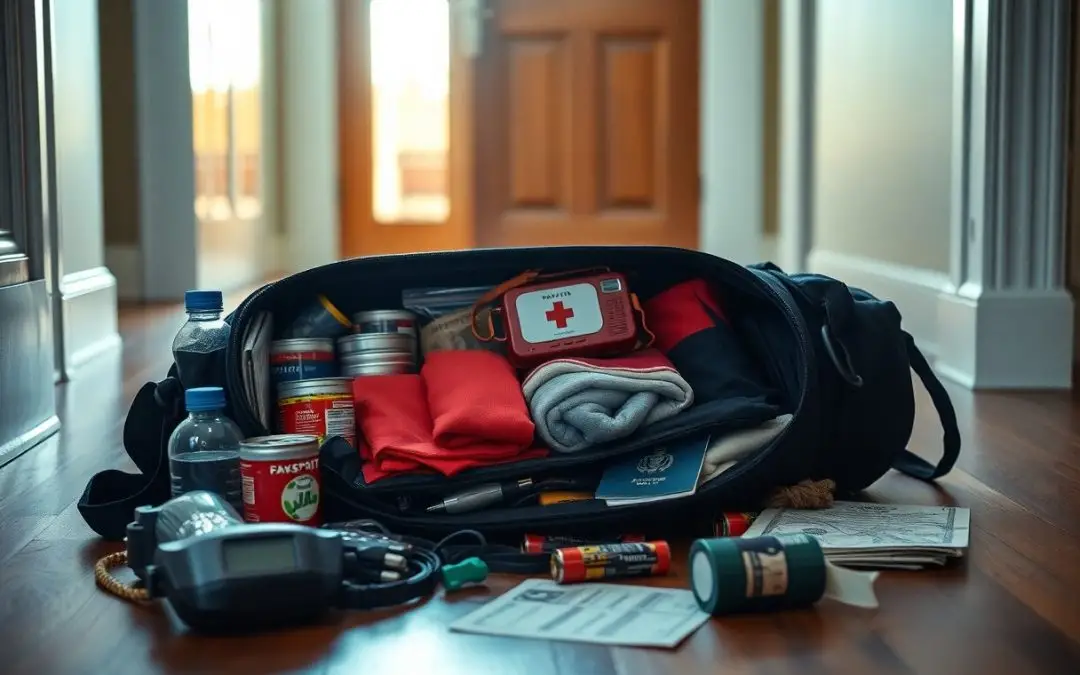
You need a go bag to bridge everyday preparedness and emergency survival; pack water, a first-aid kit, light, communication tools, clothing, and important documents so you can evacuate quickly and sustain yourself until help arrives.
Key Takeaways:
- A go bag provides immediate access to importants for evacuation and short-term survival.
- Essentials such as water, nonperishable food, a first-aid kit, multipurpose tools, and copies of documents support self-sufficiency for 72 hours.
- Content choices tailored to family size, pets, medical needs, and local hazards increase the bag’s effectiveness.
- Regularly inspect and update supplies to replace expired items and adapt to changing circumstances.
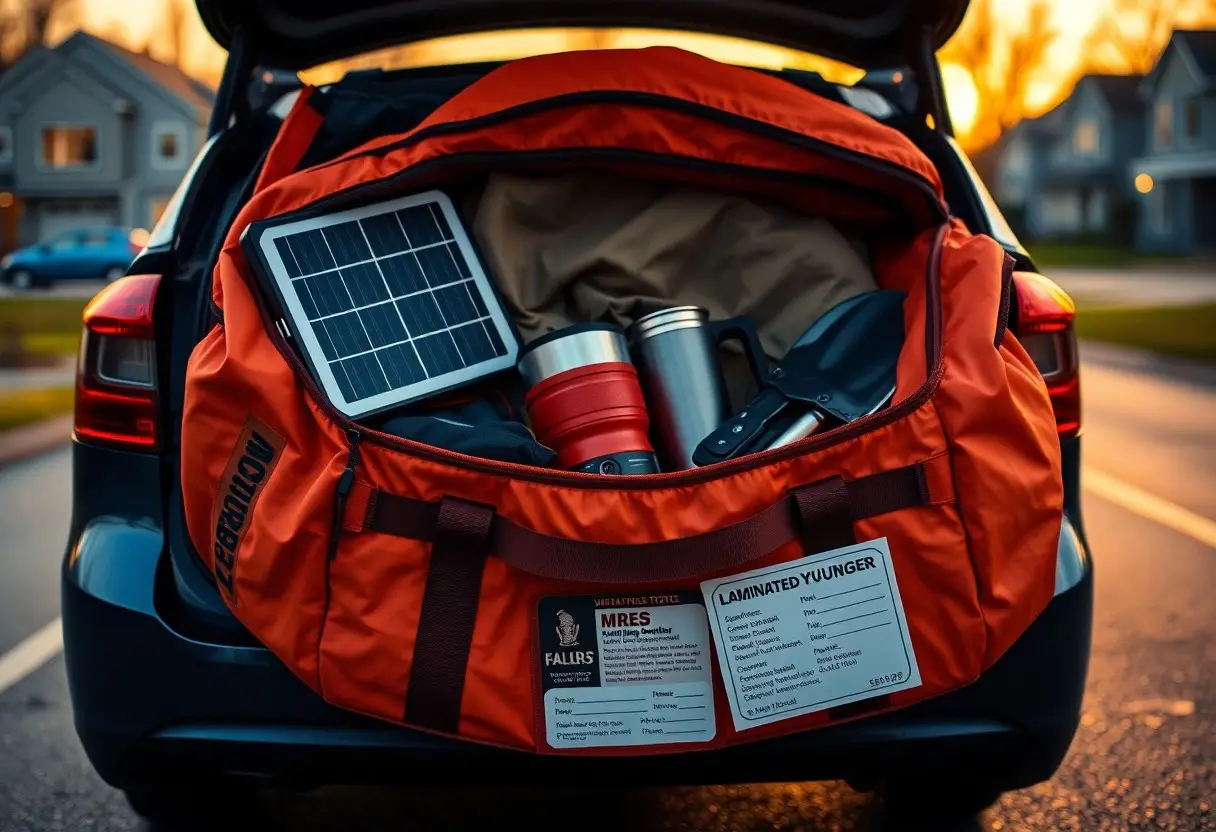
- Store the bag in an accessible location and keep a lightweight version in vehicles to remain ready during sudden evacuations.
Defining the Go Bag: Beyond Basic Emergency Gear
This pack becomes your portable continuity kit, blending everyday conveniences with contingency tools so you can move, communicate, and meet basic needs when normal support disappears.
Distinguishing Between Daily Utility and Crisis Readiness
You should separate multipurpose items you use every day from emergency-only supplies, labeling zones inside the bag so you can grab necessarys for errands or a sudden evacuation without second-guessing.
The Philosophy of Mobile Self-Sufficiency
Prioritize compact, multi-use gear and clear simple plans that let you stay mobile, manage water, warmth, and basic wounds, and make decisions under stress so skill complements your kit.
Consider regular drills with the bag, swapping seasonal items, and trimming weight based on real practice so you build confidence, reduce bulk, and keep only what helps you act when it matters.
Critical Components for Life Support
Life during an emergency depends on how quickly you secure water, shelter, warmth, and basic medical supplies to keep yourself functional and mobile.
Make your go bag prioritize items that sustain you for at least 72 hours: potable water, shelter, reliable light, and a compact first-aid kit you can use under pressure.
Hydration, Nutrition, and Medical Essentials
Water should be your first focus; pack at least one liter per person per day plus a portable filter or purification tablets so you can refill safely.
Pack calorie-dense, nonperishable foods, prescription medications, and a basic trauma kit so you can treat injuries and manage chronic conditions while displaced.
Shelter, Warmth, and Environmental Protection
Shelter items like a lightweight tarp, emergency bivvy, and paracord help you stay protected from rain, wind, and cold when structures are unusable.
Include an insulated sleeping pad and a compact emergency blanket to help you conserve body heat and lower hypothermia risk during cold nights.
Consider adding a small stove or heat source, hand warmers, and waterproof dry sacks so you can cook, dry gear, and maintain functionality in wet or freezing conditions.
Communication and Navigation Strategy
You should designate primary and backup channels for calling, texting, and signaling, and assign clear roles so messages don’t get duplicated during stress.
Prepare a simple communication and meeting plan with agreed check-in times, fallback contacts, and mapped rendezvous points to keep movement coordinated when systems fail.
Maintaining Connectivity During Infrastructure Failure
Your go bag should contain a charged power bank, a compact AM/FM or NOAA radio, and a satellite messenger or personal locator beacon for out-of-network alerts.
Pack extra cables, spare batteries, and a small foldable solar panel, and practice low-power communication habits like concise texts and scheduled check-ins.
Analog Tools for Positioning and Route Planning
Carry a reliable compass, laminated local maps, and a mechanical pencil to mark routes, hazards, and safe exits when electronics die.
Learn to read map scale, contour lines, and how to take and follow bearings so you can estimate distance and direction without GPS.
Practice orienting your map to visible landmarks, plotting alternative routes around obstacles, and taking timed bearings on short training hikes so you act swiftly under pressure.
Tailoring Your Kit to Local Realities
Assess local hazards like earthquakes, flash floods, or extended power outages so you can prioritize items that address the most likely threats; include route maps, emergency contacts, and small-denomination cash for local conditions.
Tailor pack size and weight to how you move and where you’ll shelter-lightweight backpack for foot evacuees, wheeled gear if you’ll use a car-and match medication quantities to nearby pharmacy hours so you stay covered.
Urban vs. Wilderness Survival Requirements
City environments demand compact tools, dust masks for poor air quality, extra water when utilities fail, and small, discreet lighting so you can remain mobile and visible in crowded or confined areas.
Rural outings require extra water, fuel, and durable shelter because help can be delayed; pack detailed maps, a compass, and backup power so you can signal, orient, and sustain yourself far from services.
Adjusting for Regional Climate and Seasonal Shifts
Account for temperature ranges, precipitation patterns, and daylight hours so you can swap fabrics and insulation, choose a suitable shelter, and store season-appropriate fire starters or stoves.
Prepare seasonal versions of core items: lighter sleeping systems and sun protection for hot months, insulated sleeping bags, hand warmers, and traction aids for cold and icy periods so you remain comfortable and safe.
Consider local wildfire, flood, and insect seasons when selecting masks, water filters, allergy meds, and shelter materials, and rotate or replace items before each season so you avoid expired supplies when you need them most.
Strategic Packing and Weight Management
Pack your go bag to keep weight low and the center of gravity close to your body so you can move quickly without fatigue.
Balance bulk and redundancy by testing how long you can carry a full load and removing items that slow you down during drills.
Principles of Load Distribution and Mobility
Position heavier items against your back and near your midline so you reduce strain and maintain posture when you travel long distances.
Distribute weight across shoulder straps, the hip belt, and pocketed compartments so you can adjust balance on the move and preserve endurance.
Modular Organization for Rapid Resource Access
Organize gear into detachable modules like med, water, and shelter so you can hand off or access the right kit without digging through the main compartment.
Label modules with bright tape or tactile markers so you can identify what you need by touch or in low light when your hands are full.
Prioritize quick-access items in external pouches so you can retrieve water, light, or first aid immediately when time is limited.
Maintenance and Operational Readiness
Maintenance of your go bag keeps it ready when you need it most. Inspect seals, straps, and packaging monthly, and replace expired consumables.
You should schedule a quarterly check to test gear, verify batteries, and rotate food and medications. Keep a simple checklist in the bag so inspections stay quick and consistent.
Implementing a Strict Inventory Rotation Schedule
Inventory rotation prevents surprises and reduces waste. You will label items with purchase or expiration dates, moving older supplies to the front so you use them first.
Set calendar reminders and tie rotations to routine household tasks so updates become habit. You can keep a small log to track replacements and avoid duplications.
Testing Equipment and Updating Personal Documentation
Test all electronics under load and replace weak batteries; you should run flashlights, radios, and backup power monthly. Document serial numbers and warranty details so replacements go smoothly.
Verify that copies of IDs, insurance, and emergency contacts are current and stored in both physical and digital forms you can access offline. You should encrypt sensitive files and note where originals are kept.
Update your medical list, allergy notes, and medication schedules each time you refill prescriptions, and include contact information for caregivers or physicians. You will speed appropriate care if you must evacuate.
Summing up
You should maintain a go bag to bridge the gap between everyday preparedness and emergency survival. A compact kit with water, food, shelter, first aid, tools, and copies of documents keeps you self-sufficient for the first 72 hours and supports quick, clear decisions.
You must customize, check, and store the bag where you can grab it fast; periodic drills will make responses automatic and reduce panic when you need to move immediately.
FAQ
Q: What is a go bag and why should I have one?
A: A go bag is a pre-packed, portable kit that lets you leave quickly during an emergency. It contains supplies for short-term survival, basic first aid, and imperative documents. Having one reduces confusion and lets you act fast when time is limited.
Q: What items should be in a basic go bag?
A: Essentials include water (one liter per person per day for 3 days), nonperishable food, a basic first-aid kit, and a flashlight with spare batteries. Add a multi-tool, a battery-powered or hand-crank radio, personal medications, copies of ID and important documents, cash, and a phone charger. Pack seasonal clothing, a space blanket, personal hygiene items, and any special items like baby or pet supplies.
Q: How do I customize a go bag for my family or specific needs?
A: Start by listing each family member’s needs, including children, seniors, and pets. Pack medications, comfort items, and extra clothing based on age and health. Divide heavy items across bags, keep copies of prescriptions and contact information, and include activities or comfort objects for children to reduce stress.
Q: Where should I store my go bag and how often should I update it?
A: Store one bag near your main exit and another in your vehicle if you drive regularly. Check the bag every six months to replace expired food, rotate batteries, and update documents and medications. Adjust clothing for seasonal weather and confirm that batteries and chargers work.
Q: When should I grab the go bag and what situations call for evacuation versus sheltering in place?
A: Take the go bag when local authorities issue evacuation orders, when you smell gas, when fire or flood threatens your home, or when violence or chemical hazards make staying unsafe. Sheltering in place is appropriate for situations like minor storms, lockdowns, or airborne hazards if officials advise staying put. Have a plan for travel routes, meeting points, and communications before an emergency.


