
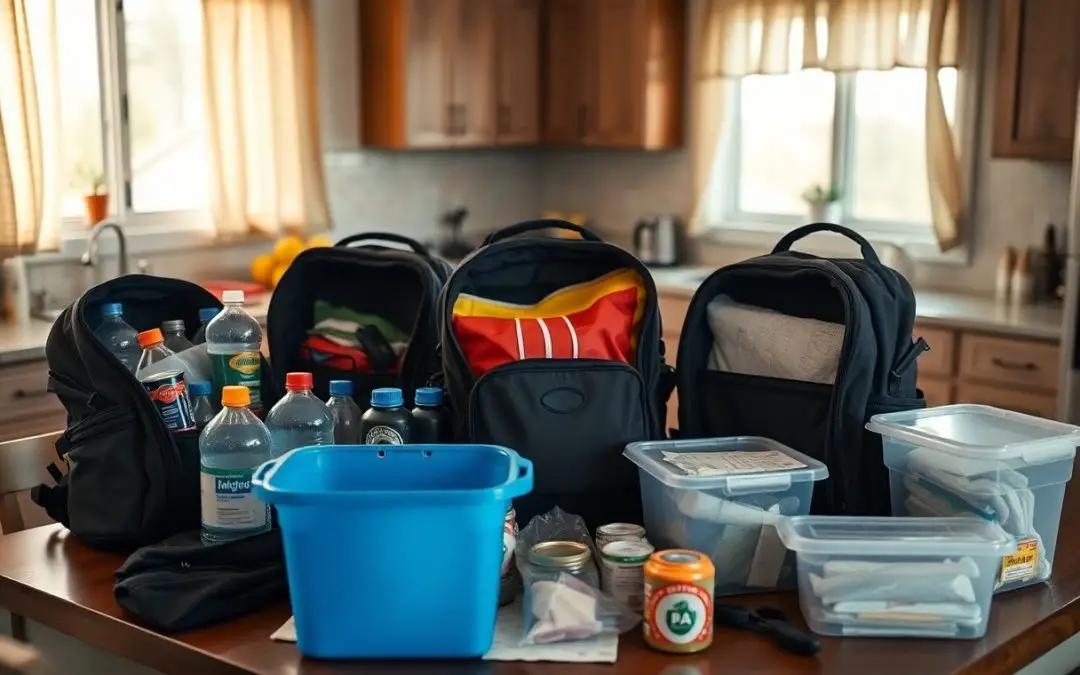
Family preparedness starts with organizing practical go bags so you and your family members have water, food, first aid, communication tools, and copies of documents for quick evacuation and sustained safety.
Key Takeaways:
- Pack at least 3 liters of water per person per day, plus water purification tablets and collapsible containers.
- Include a three-day supply of nonperishable food, daily medications, baby formula, and a manual can opener.
- Assemble a first-aid kit with prescriptions, allergy treatments, pain relievers, and hygiene items for all ages.
- Store copies of IDs, insurance papers, cash, and emergency contacts in a waterproof pouch; add a battery-powered radio, power bank, and spare phone chargers.
- Create a family emergency plan with meeting points, assigned roles, practiced evacuation routes, and personalize bags with comfort items and pet supplies.
Assessing Family Needs and Risk Factors
Evaluate each family member’s medical needs, medications, mobility, communication and pet care so you know what must travel with you. Inventory documents, chargers, and emergency contacts you rely on.
- Medications and prescriptions
- IDs and important documents
- Mobility aids and assistive devices
- Pet supplies and carriers
After you tally needs and gaps, prioritize items for a compact go bag and assign who packs what.
Identifying local environmental threats and evacuation routes
Map nearby hazards such as floods, wildfires, earthquakes or severe storms and note which roads become impassable. Check official evacuation maps, mark safe meeting points, and test drive preferred routes so you can exit quickly.
Factoring in age-specific requirements for children and seniors
Consider your children’s formula, diapers, comfort items and copies of immunizations; include medication lists, glasses, hearing aids, mobility supports and extra batteries for seniors so routines stay intact.
Include pre-measured medication doses, a labeled pill organizer, spare eyeglasses and a waterproof list of prescriptions; add recent photos for children, allergy and care notes, and a simple emergency plan you can share with caregivers.
How to Select the Right Backpack for Each Family Member
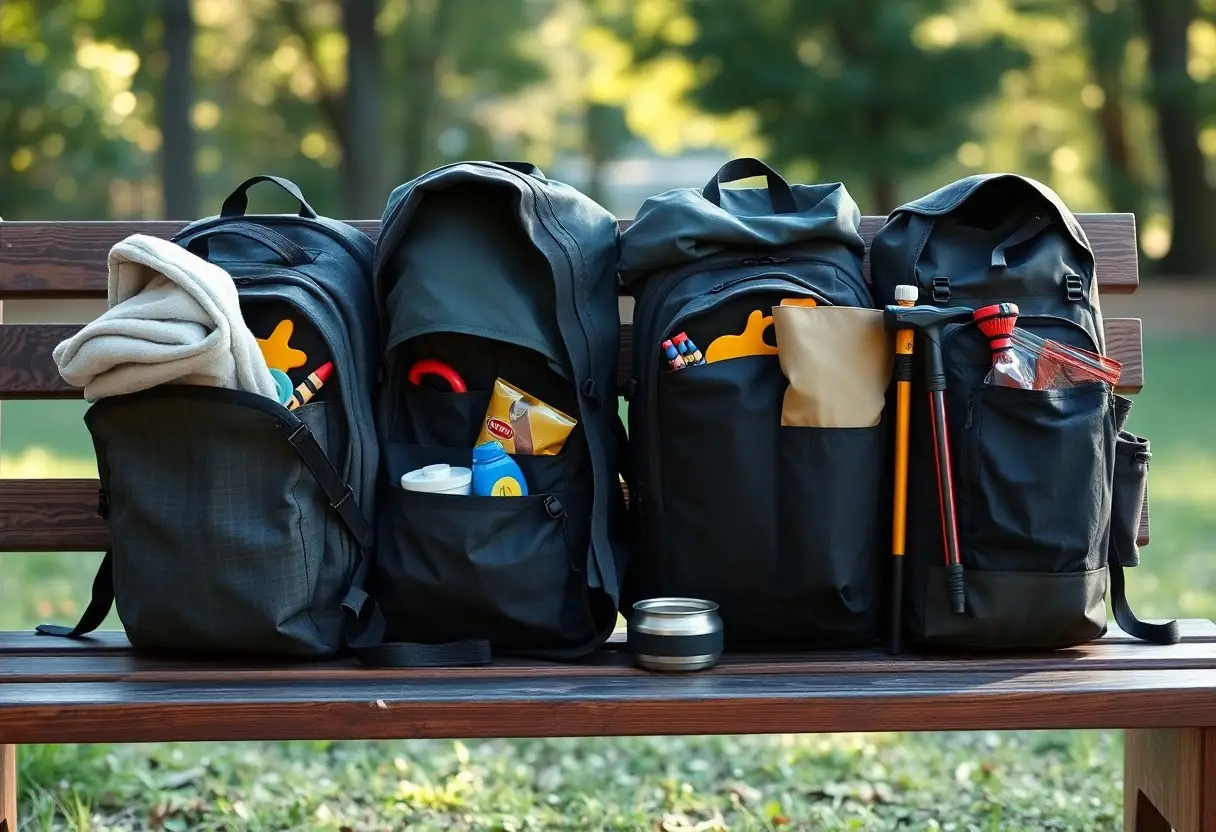
You should match backpack size to torso length and intended use, favoring adjustable harnesses and padded hip belts so each person carries weight comfortably for both short moves and longer evacuations.
Choose packs with simple organization and quick-access pockets, then load-test them with typical gear to confirm fit and mobility before relying on them during a real event.
| Adult | 28-40L, internal frame, padded hip belt, hydration sleeve |
| Teen | 20-30L, adjustable harness, multiple pockets, durable fabric |
| School-age child | 12-20L, chest strap, reflective trim, lightweight |
| Toddler | 6-10L, small straps, breathable back panel, limited load |
| Caregiver (pregnant) | low-profile pack, lumbar support, easy-access pockets |
Weight distribution factors for different body types and ages
Adjust straps and hip belts so adults transfer most weight to hips, while you keep children’s loads low and close to the spine to preserve balance and reduce fatigue.
Balance heavier communal items into stronger pack carriers and keep a child’s imperatives within easy reach so they can move quickly when needed.
- Limit child loads to about 10-15% of body weight for safer carrying.
- Use sternum straps and hip belts to stabilize shifting loads on longer walks.
- Knowing how to redistribute items rapidly prevents strain when one person tires.
Tips for choosing durable, weather-resistant materials
Check fabric denier, DWR coatings, and taped seams so you select packs that shed water and resist abrasion during rough use.
Prefer high-denier nylon or polyester with reinforced stitching at stress points and water-resistant zippers for long-lasting performance in wet conditions.
- Look for 500D-1000D fabrics in high-wear areas to extend service life.
- Inspect zipper quality and covered seams to reduce entry points for moisture.
- Knowing which materials dry quickly helps you plan maintenance after exposure.
Protect contents with integrated rain covers or lightweight dry sacks and test finishes in a light spray to confirm water beading before you commit to a purchase.
- Choose packs with removable rain covers for added versatility.
- Store gear in waterproof pouches for electronics and documents.
- Knowing how to maintain DWR treatments keeps the pack performing season after season.
- Water: one gallon per person per day
- Portable filter and purification tablets
- Headlamps and spare batteries
- First-aid kit and prescription meds
- Multi-tool, paracord, tarp, emergency blanket
- Label bags with season and date so you grab the right set.
- Use first-in, first-out for food and batteries to prevent waste.
- Store extras in accessible places so children’s sizes are ready as they grow.
Essential Survival Gear and Hydration Tips
Pack compact, family-sized kits so you and your household can grab imperatives quickly: stored water, a portable filter, a basic med kit, reliable lighting, and a sturdy multi-tool for repairs and food prep.
How to implement a multi-stage water purification plan
Plan a stepwise approach: collect the cleanest source available, pre-filter sediment with cloth, run water through a pump or gravity filter, then treat with chemical tablets or a UV pen and store in sanitized containers; you should practice the sequence with family members so everyone can perform each step under stress.
Selecting multi-purpose tools and emergency shelter components
Choose gear that covers multiple needs: a compact multi-tool, folding saw or hatchet, paracord, a lightweight tarp with grommets, and insulating emergency blankets so you can build shelter, mend equipment, and stay warm without excess weight.
Assess items at home by testing each tool and shelter setup with the people who will use them, ensuring the kit suits your family’s abilities and routines. Thou prioritize items that cut weight while covering shelter, heat, repair, and signaling needs.
Maintenance and Drills: How to Stay Prepared Long-Term
Set a quarterly checklist you use to inspect go bags, test batteries, swap medicines, and update copies of documents so items remain functional and current.
Keep a shared calendar with drill dates and supply-rotation reminders, and hold a short review after each rehearsal to adjust packing or roles based on what you learned.
Tips for rotating seasonal clothing and perishable supplies
Rotate clothing and perishables by season and by size so you avoid surprises; mark items with purchase or expiry dates and keep a simple inventory you update in minutes.
Recognizing consumption patterns in your household lets you plan rotations more accurately and keeps supplies fresh without overbuying.
How to conduct effective family evacuation rehearsals
Practice full-route evacuations at least twice a year, varying times and starting points so you test mobility in daylight and low-light conditions and with different traffic patterns.
Assign roles before drills-who grabs bags, who manages pets, who checks in with neighbors-and run timed exercises that include alternate routes, vehicle loading, and a quick post-drill debrief to fix gaps.
Summing up
Summing up, your family go bag should include water, food, a first aid kit, important documents, communication tools, and personal items for children and pets. Rotate supplies, assign roles, and practice quick evacuations so you can respond calmly and confidently together.
FAQ
Q: What is a family go bag and why should every household have one?
A: A family go bag is a portable kit containing supplies to support each member for at least 72 hours during evacuations or sudden emergencies. It provides water, food, basic medical care, identification, communication items, and comfort supplies for children and pets so the household can leave quickly and remain self-sufficient until help or stable shelter is available. Putting bags together ahead of time reduces stress and speeds up departures when time is limited.
Q: What core items should go in each family member’s bag?
A: Pack one gallon of water per person per day for three days, three days of ready-to-eat food, a manual can opener, and utensils. Include a change of clothing appropriate for the season, sturdy shoes, a lightweight rain jacket, emergency blanket, and a compact sleeping option for infants or small children. Add a basic first-aid kit, prescription medications with a week’s supply, copies of IDs and medical info in a waterproof sleeve, cash, a multi-tool, flashlight with extra batteries, portable charger, and a battery-powered or crank radio. Add child comfort items, diapers or formula as needed, and pet supplies with vaccination records and a leash or carrier.
Q: How should families handle medications, medical needs, and important documents?
A: Store prescription medications in labeled containers with dosing instructions and an extra supply when possible; include a list of allergies and medical conditions for each person. Keep scanned copies of passports, birth certificates, insurance cards, and prescriptions on an encrypted cloud account and a set of physical copies sealed in a waterproof bag. Place contact lists with emergency contacts, pediatrician and primary care numbers, and local emergency services in each go bag. Add spare eyeglasses or contact supplies, hearing-aid batteries, and a simple splint or wound-care items tailored to household health needs.
Q: How much food and water should we pack and what types of food last best?
A: Aim for a minimum of one gallon of water per person per day and at least three days of food per person; extend to seven days if storage and budget allow. Choose high-calorie, nonperishable items such as canned proteins, energy bars, dried fruits, nut butters, and freeze-dried meals. Pick foods that require no cooking or only hot water, and prioritize items family members will actually eat, including options for infants and those with allergies or special diets. Rotate supplies every six to twelve months to maintain freshness and check expiration dates during routine bag reviews.
Q: Where should go bags be stored, how often should they be checked, and how do families practice using them?
A: Store go bags in an accessible, clearly marked place near main exits or in a vehicle if evacuation by car is likely; keep smaller backpacks for children at school or daycare locations when allowed. Inspect bags every six months to swap expired food or batteries, update clothing sizes, and refresh medications and documents. Run short family drills that include locating bags, checking routes out of the home, practicing quick packing for a baby or pet, and testing communication plans and meeting points so everyone knows roles and where to regroup after an evacuation.


