
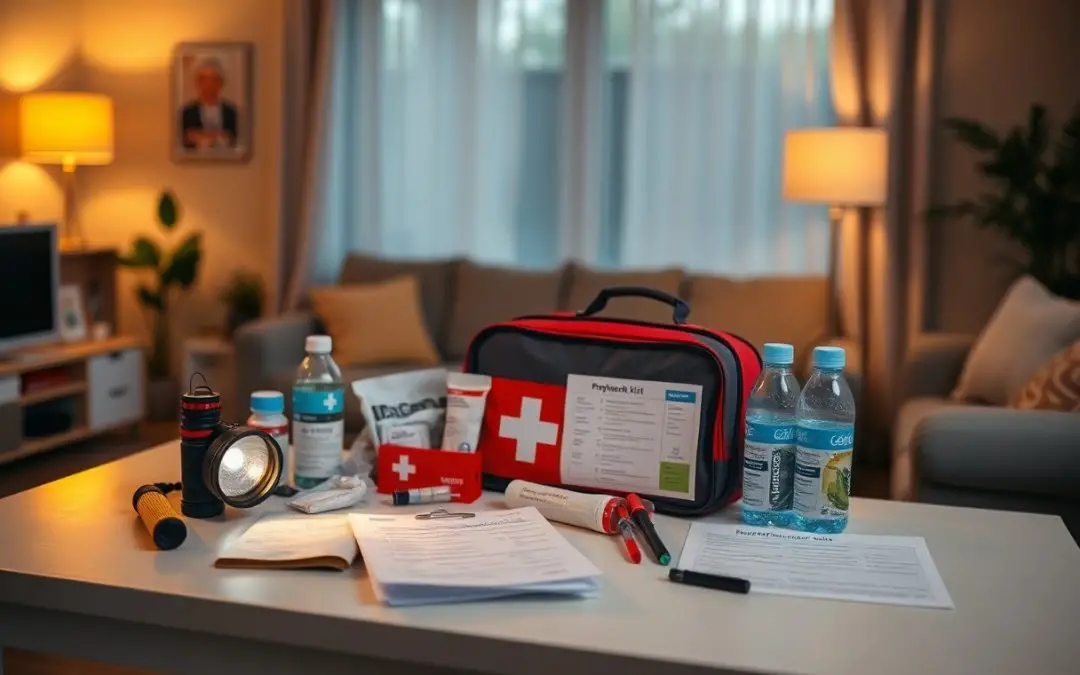
It’s often during uncertain times that you feel the weight of anxiety and doubt. By embracing preparedness, you can transform chaos into calm, allowing you to navigate life’s challenges with confidence. This guide will equip you with practical strategies to enhance your readiness for various situations, empowering you to take control and thrive, no matter what comes your way. Through focused planning and proactive measures, you can build a foundation of assurance that will serve you in both everyday life and unexpected events.
Understanding Chaos
Chaos often manifests in unpredictable events that disrupt your routine, leaving you feeling disoriented and overwhelmed. Whether it’s a sudden job loss, a natural disaster, or unexpected personal challenges, these situations can create a swirling uncertainty that influences your decisions and emotional well-being. Recognizing the chaos in your life is the first step toward regaining control and finding ways to manage the turmoil.
The Nature of Chaos
Chaos is inherently unpredictable and can arise from both external circumstances and internal conflicts. It doesn’t adhere to a schedule; rather, it dismantles your plans, forcing you to navigate shifting realities. Each instance of chaos can feel unique, yet common patterns often emerge, such as feelings of powerlessness or confusion about how to respond effectively.
Emotional Impact of Chaos
The emotional toll of chaos can be profound, affecting mental health and overall well-being. Feelings of anxiety, stress, and insecurity often surface as your ability to predict outcomes diminishes. Long-term exposure to chaos may even lead to significant issues such as depression or burnout, making it crucial to find proactive methods for coping and regaining stability.
Experiencing chaos can lead to heightened states of anxiety; studies show that prolonged chaos may impact cortisol levels, contributing to chronic stress. You might notice that even minor disruptions trigger feelings of frustration and helplessness. Engaging with your emotions during chaotic times becomes important. Allowing yourself to process these feelings can ultimately pave the way toward understanding your responses and developing healthier coping strategies. By addressing the emotional impact effectively, you set the stage for building resilience and confidence through preparedness.
The Importance of Preparedness
Preparedness acts as a stabilizing force amid chaos, shifting your focus from fear to confidence. By proactively planning for potential challenges, you remove ambiguity from uncertain situations, empowering yourself to manage whatever comes your way. Establishing a preparedness mindset equips you with the skills and knowledge to navigate unexpected crises with ease, fostering resilience in your personal and professional life.
Defining Preparedness
Preparedness encompasses the strategies and actions you take in advance of potential emergencies or disruptions. This involves identifying risks, creating plans, and assembling necessary resources to respond effectively when challenges arise. It’s about being proactive rather than reactive, ensuring you have the tools and mindset to tackle unforeseen circumstances head-on.
Benefits of Being Prepared
Being prepared enhances your ability to respond to crises and reduces anxiety during challenging times. Individuals who engage in preparedness activities report greater peace of mind, knowing they can handle emergencies. Statistics show that communities with strong preparedness initiatives recover from disasters 20% faster than those without, illustrating the tangible advantages of being ready.
From improved decision-making to reduced stress, the benefits of being prepared extend far beyond mere survival. You gain a sense of control, allowing for clearer thinking in high-pressure situations. Moreover, preparedness enables you to support others, fostering collaboration within your community during collective challenges. The skills developed from planning and practicing preparedness not only empower you but also strengthen the social fabric, leading to more resilient connections and a shared commitment to safety.
Building Confidence Through Planning
Planning transforms uncertainty into a structured path forward, empowering you to navigate challenges with assurance. By equipping yourself with clear strategies, you can transition from a reactive mindset to an anticipatory one, fostering resilience in the face of difficulties.
Setting Clear Goals
Establishing clear goals provides a roadmap to follow, guiding your actions and decisions. Whether personal or professional, these goals should be specific, measurable, attainable, relevant, and time-bound (SMART). This clarity allows you to track progress and celebrate small victories along the way, reinforcing your self-confidence.
Developing Action Plans
Action plans break down your goals into manageable steps, making them less overwhelming. Each step creates a sense of accomplishment, while deadlines help maintain momentum. By pinpointing resources needed and potential obstacles, you pave your path to success, ensuring you’re prepared for any challenges you might encounter.
Your action plan should encompass daily, weekly, and monthly tasks that keep you on track toward achieving your goals. For instance, if you aim to improve your physical health, outline a weekly exercise schedule and meal planning sessions. Incorporate methods to measure progress, like weekly fitness assessments or tracking dietary adherence, to adjust as needed. This structured approach not only clarifies your journey but also builds confidence as you witness your commitment manifest tangible results.
Tools and Strategies for Preparedness
Your journey to confidence begins with the right tools and strategies. Incorporating effective organizational frameworks and techniques for stress management can create a seamless transition from chaos to calm. By investing in helpful resources and refining your approach to handling stress, you empower yourself to face challenges head-on and maintain composure in tough situations.
Organizational Tools
Selecting the right organizational tools can streamline your preparations significantly. Consider planners, digital calendars, and task management apps to keep your priorities in check and deadlines visible. Utilizing color-coded systems or project boards can also enhance clarity and keep you motivated. Each tool cultivates a sense of order, making it easier to approach your goals methodically.
Techniques for Stress Management
Real-Life Applications of Preparedness
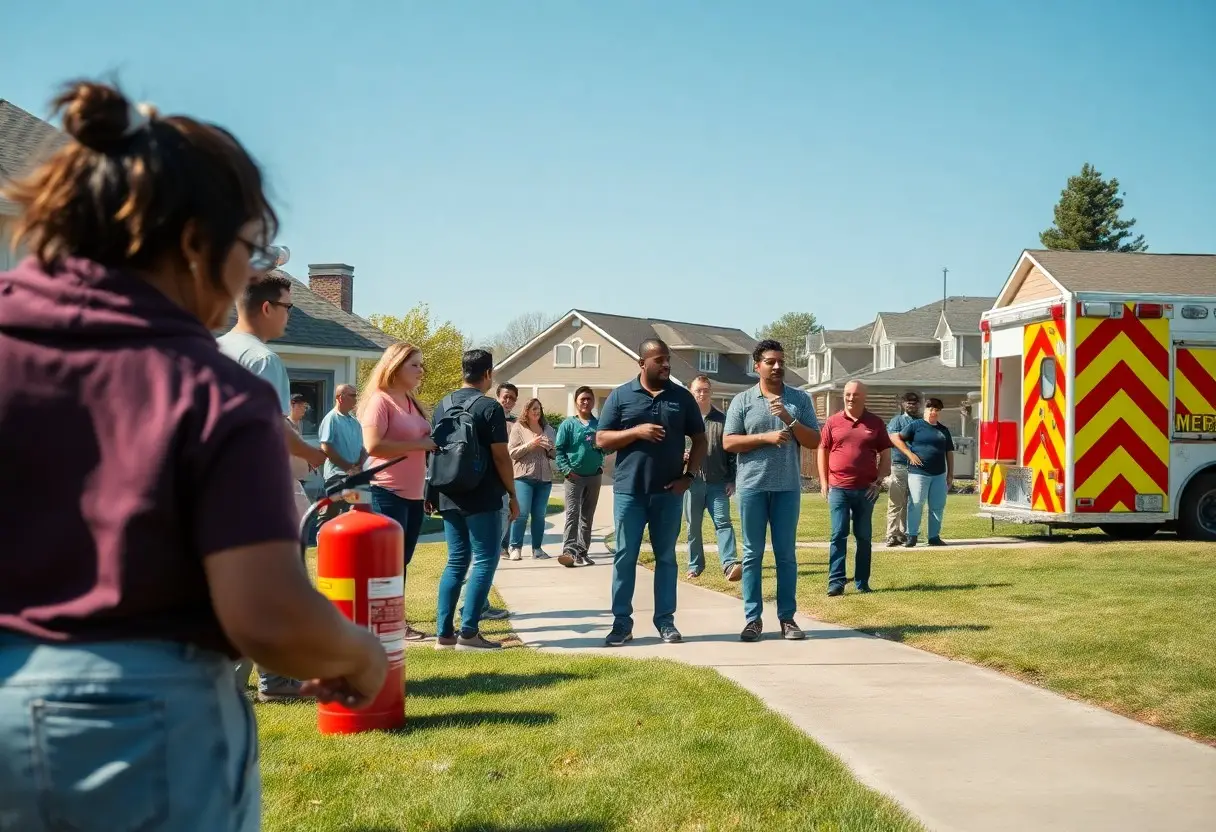
Preparedness is not merely a theoretical construct; it is a practical approach that has been successfully applied in various fields. By examining case studies and personal success stories, you can glean insights into how preparedness can transform situations and instill confidence. These real-life examples illustrate the effectiveness of planning and organization, showing you that preparedness is a powerful tool in navigating life’s uncertainties.
Case Studies
Numerous case studies highlight the impact of preparedness across different sectors. These examples emphasize how strategic planning can lead to significant outcomes.
- Emergency Response in Urban Areas: 30% reduction in response times for EMS due to improved training and resource allocation.
- Corporate Crisis Management: Companies with preparedness programs experienced a 50% decrease in financial losses during crises.
- Natural Disaster Preparedness: Communities that implemented preparedness plans saw a 70% increase in community resilience post-hurricane.
- Healthcare Pandemic Response: Hospitals with prior preparedness frameworks reported 40% better patient outcomes during COVID-19.
Personal Success Stories
Individuals often find that their personal experiences with preparedness directly influence their confidence levels. One person recounts how developing a detailed emergency plan for their family led to significant peace of mind during natural disasters. This proactive approach facilitated organized responses and reduced anxiety in stressful situations. Another shared story involves meticulous planning for a career transition, which not only secured a new job but also increased their self-assurance in dealing with future uncertainties. These experiences underscore how preparedness can bolster your confidence and empower you to tackle challenges head-on.
Maintaining Calm in the Face of Uncertainty
In times of uncertainty, maintaining a sense of calm can feel elusive, yet it’s a skill that can be developed. Cultivating a steady mindset allows you to navigate unpredictable situations with greater ease. Establish a routine that promotes stability, whether through regular exercise, ensuring you stay connected with loved ones, or dedicating time to reflection. By recognizing the elements within your control and focusing on them, you can create a solid foundation that promotes resilience amidst chaos.
Coping Mechanisms
Your coping mechanisms play a vital role in managing stress during turbulent times. Techniques such as deep breathing, journaling, or engaging in creative activities can buffer against overwhelm. Identifying healthy outlets for emotions enables you to process uncertainty rather than allowing it to spiral into anxiety. Set aside time each day to practice these strategies, creating a habitual response to stress that fosters stability and emotional well-being.
The Role of Mindfulness
Mindfulness can transform your experience with uncertainty, providing tools to center your thoughts and emotions. By practicing mindfulness techniques, you enhance your ability to observe your feelings without judgment, allowing you to remain present rather than succumbing to anxiety about the future. Regular mindfulness practice may improve overall mental well-being, reduce stress, and increase your capacity to handle unpredictable situations with grace.
Mindfulness involves being fully present in each moment, observing your thoughts and feelings without getting swept away by them. Studies show that incorporating mindfulness into your daily routine can lead to a significant reduction in emotional reactivity—up to 30% in some cases—creating a stronger buffer against stress. Techniques may include focused breathing, body scanning, or mindful walking. These practices enable you to cultivate awareness, fostering a sense of peace even amid chaos, empowering you to respond thoughtfully rather than react impulsively.
Final Words
With this in mind, embracing preparedness transforms chaos into calm, allowing you to face challenges with confidence. By developing a structured approach to your responsibilities, you not only enhance your problem-solving skills but also cultivate resilience. This proactive mindset equips you to navigate uncertainties effectively, ensuring that you feel empowered in any situation. Your journey toward building unshakeable confidence through preparedness begins with small, consistent steps that lead to significant personal growth and assurance.


