

Go prepared for any urban emergency with a well-thought-out go bag. This necessary kit ensures you have the necessary supplies to sustain yourself and your loved ones during unexpected situations, such as natural disasters, power outages, or civil disturbances. In this post, you will find a comprehensive checklist that guides you on what to include in your go bag, covering everything from food and water to communication tools. Equip yourself with the knowledge to act decisively and protect your well-being when it matters most.

The Essential Elements of an Urban Go Bag
Your urban go bag serves as your lifeline in an emergency, containing all the vital resources you need for immediate survival. As you create your bag, focus on versatility, compactness, and accessibility. Prioritize imperative items that cater to basic needs like food, water, shelter, and first aid while ensuring your gear can be transported easily. The right combination of supplies and tools can make all the difference in a tense situation, allowing you to stay calm and focused as you navigate the challenges of an urban environment.
Must-Have Supplies for Everyday Survival
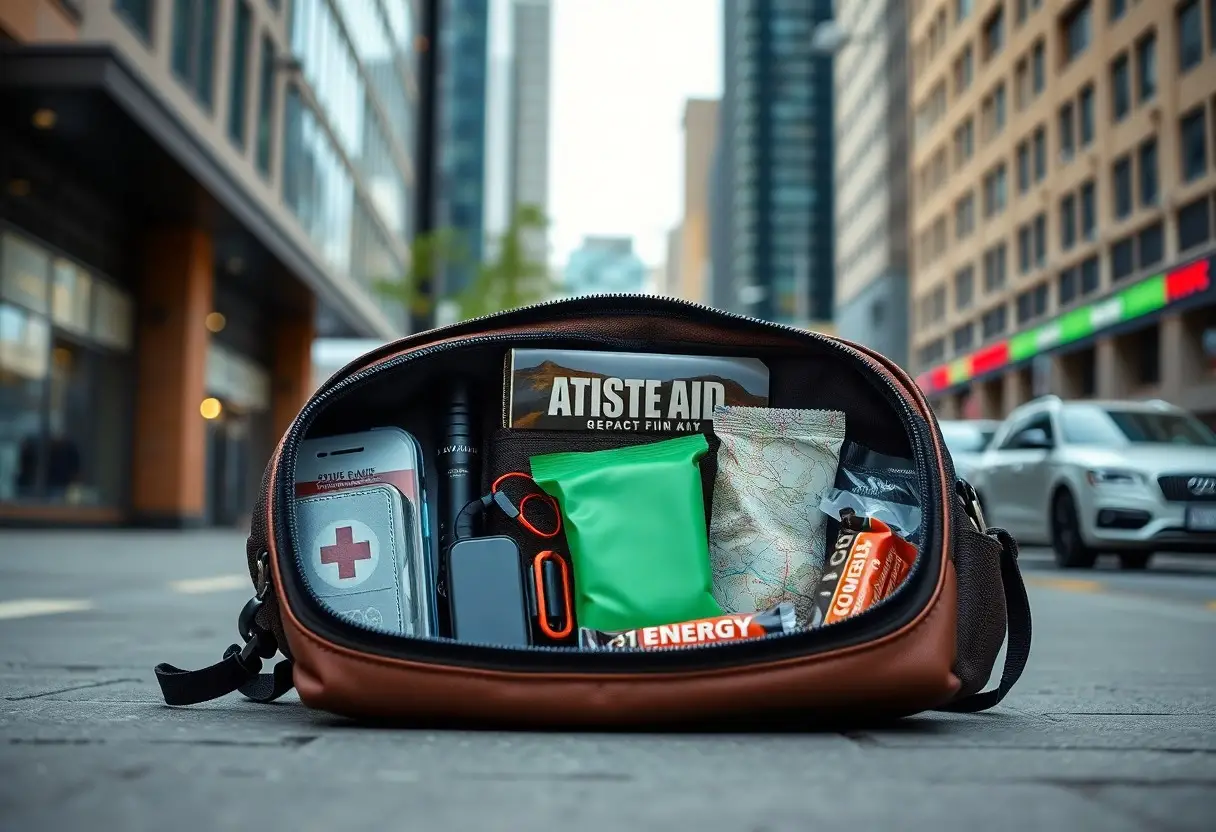
Pack multi-functional supplies that cover the imperatives of survival. Start with non-perishable food options such as energy bars and meals ready-to-eat (MREs) that provide quick nourishment. Include a portable water filter or purification tablets to ensure access to clean drinking water. A compact first aid kit with bandages, antiseptics, and personal medications is vital for treating injuries. Add a flashlight with extra batteries for visibility and a reliable fire starter to help with warmth and cooking if necessary.
Tools and Gear for Specific Scenarios
Specialized tools and gear can be tailored to particular urban emergencies, enhancing your preparedness. Include a sturdy folding knife for its many uses, such as cutting, opening packages, or defending yourself if necessary. A whistle can help signal for help, even amidst the chaos of a densely populated area. If you expect to encounter possible barricades or debris, consider adding a compact crowbar for leverage. Portable phone chargers and communication tools help you stay connected when conventional power sources fail.
Adapting your tools and gear to specific scenarios can greatly affect your ability to respond effectively in an urban emergency. For instance, if you’re in a high-rise building, a rope or ladder may become crucial for escaping smoke or rising water. Conversely, if flooding is a risk, a life jacket and waterproof gear could be lifesaving. Knowing your urban environment enables you to tailor your go bag based on potential threats you may face, ensuring you have the right resources for any situation that might arise.
Personalizing Your Go Bag: Tailoring to Individual Needs
Tailoring your go bag to reflect your unique lifestyle and requirements enhances its effectiveness during an emergency. Consider your daily activities and the environments you frequent; for instance, urban dwellers might prioritize tools for navigating crowded spaces, while those in less populated areas may focus on outdoor survival gear. Analyze your personal food preferences and dietary restrictions, ensuring that the rations included cater to your tastes and needs. Customizing your go bag not only increases your comfort during a crisis but also boosts your confidence in facing unexpected challenges.
Family Considerations: Kids, Pets, and Elders
Your family’s dynamic directly influences the contents of your go bag. If you have children, include items such as small toys or comfort items that can help ease their anxiety during an emergency. For pets, pack food, water, leashes, and carriers to ensure their safety and well-being. Elders in your household might require specific medications, adaptive tools, or supplies to assist with mobility and daily activities. Each family member’s needs must be assessed to create a comprehensive and effective go bag.
Special Circumstances: Medical and Mobility Needs
Attending to medical and mobility needs is pivotal in personalizing your go bag. Individuals with chronic health conditions should include an ample supply of necessary medications, as well as personal medical devices such as inhalers or glucose meters. Mobility aids, like canes or portable walking frames, should also be considered, ensuring ease of movement during an emergency. Include medical supplies such as a first aid kit tailored to specific health concerns, and don’t forget necessary contact information for healthcare providers or emergency contacts that can be vital in a critical situation.
For those with unique medical requirements, remember to periodically check expiration dates on medications and consider including spare doses in your go bag. Ensure that any mobility aids are functional and easy to access. If you or a family member relies on a specific item, like a hearing aid or CPAP machine, include extra batteries in your go bag. By proactively addressing these special circumstances, you equip yourself with the necessary tools to navigate emergencies effectively, reducing stress and enhancing safety for everyone involved.
Organizing Your Go Bag for Quick Access
Strategic organization is vital for your go bag to be effective during an emergency. Group similar items together and designate specific compartments in your bag to ensure everything is easy to locate. Prioritize frequently used items, such as first aid supplies, water, and snacks, placing them at the top or in outer pockets. Clearly label sections where possible, and consider using color-coded bags for quick identification. With a systematic approach, you can minimize panic and uncertainty when time is of the essence.
Packing Strategies: How to Optimize Space
Efficient packing can make all the difference in ensuring that you have room for all necessary items in your go bag. Utilize compression bags for clothing and blankets to save space, while smaller items can be stored inside larger containers. Rolling clothes instead of folding them maximizes space and reduces wrinkles. Be mindful of weight distribution; heavier items should be placed at the bottom for balance. Each inch matters, so think creatively about how to maximize your bag’s capacity.
Must-Check Items: The Importance of Regular Inventory
Conducting a regular inventory of your go bag ensures that all items remain in optimal condition for emergencies. This habit helps you confirm that perishables, medications, and batteries are not expired or depleted. Additionally, as your needs change over time, so should the contents of your bag. Reviewing your supplies at least twice a year makes it easier to update your bag with vital items as required, keeping you more prepared when urban emergencies strike.
Regularly checking your go bag’s inventory is a proactive measure that significantly enhances your preparedness. Set reminders on your calendar to take stock, checking expiration dates on food and medicines, and testing any equipment, like flashlights and radios. During these assessments, consider seasonal needs, such as adding warmer clothing for winter emergencies. Embracing this practice not only keeps your bag ready for action but also instills confidence that you are equipped to face whatever challenges may arise in urban environments.

The Urban Crisis Landscape: Threats to Prepare For
Urban emergencies can take many forms, and recognizing potential threats in your environment can significantly enhance your preparedness. Natural disasters like earthquakes, floods, and tornadoes can strike suddenly, while civil disturbances, such as protests and riots, may arise from social unrest. Understanding these scenarios equips you to act swiftly and effectively, minimizing chaos and maximizing safety for you and your loved ones. Awareness of your surroundings and the unique challenges of urban settings can help you anticipate actions to take in a crisis.
Common Urban Emergencies: From Natural Disasters to Civil Disturbances
Natural disasters and civil disturbances represent the spectrum of urban emergencies that can impact your life. Earthquakes can disrupt infrastructure and create panic, while hurricanes pose risks at the coast. Conversely, civil disturbances such as protests can escalate into riots, presenting their own dangers. Knowing the history of such events in your area allows you to develop quick-response strategies well ahead of time.
Psychological Preparedness: Staying Calm under Pressure
The ability to maintain composure amidst chaos greatly influences your response in emergencies. Emotional resilience involves recognizing the natural stress that accompanies crises and implementing coping mechanisms to manage it. Practicing mindfulness techniques, such as deep breathing, can keep you focused, while maintaining clear communication with family members ensures everyone is on the same page when events unfold.
Building psychological preparedness involves more than just remaining calm; it means developing a mindset that anticipates crisis scenarios. Engaging in regular stress-reduction exercises or training simulations can help you practice decision-making under pressure. For instance, role-playing potential emergency situations with your family can create a sense of familiarity and reduce anxiety when real situations arise. Mental rehearsals pave the way for quick, effective responses and foster an air of confidence, allowing you to lead your loved ones through turbulent times with a sense of purpose and clarity.
Go Bag Maintenance: Keeping Your Supplies Current
Regularly maintaining your go bag ensures that you’re prepared for unforeseen circumstances. Updating your supplies not only prolongs the life of your go bag but also guarantees that your resources are effective when needed. Scheduling periodic reviews allows you to adapt your kit based on changes in season, personal needs, and advancements in emergency supplies. A well-maintained go bag is your ticket to a sense of security in unpredictable urban environments.
Regular Assessment: A Seasonal Review Process
Conducting a seasonal review of your go bag helps to identify any expired items and assess the relevance of your supplies. Ideally, set a date every three months to inspect the contents. During this review, replace expired medications, expired food, and check that all equipment is functioning properly, ensuring you are fully equipped for various scenarios.
The Code of Lifespan: Understanding Expiry Dates and Usage
Expiry dates on food and medical supplies are crucial indicators of reliability and safety. After these dates, items may not only lose effectiveness but can also become harmful. Being vigilant about the lifespan of supplies ensures that your go bag remains stocked with effective tools and necessarys.
For food items, the shelf life varies significantly. Non-perishable items, such as freeze-dried meals, can last years if stored properly, often extending beyond their printed expiry dates. However, first aid supplies like antiseptics and medications typically have much shorter lifespans, frequently ranging from one to three years. Regularly checking and replacing these items will ensure your preparations are dependable, thereby maximizing your go bag’s potential to serve you effectively during an urban emergency.
To wrap up
Following this Go Bag Checklist for Urban Emergencies ensures you are well-prepared for unexpected situations. By assembling important items such as food, water, first aid supplies, and important documents, you give yourself peace of mind and the ability to respond effectively. Tailor your Go Bag to suit your unique needs, and regularly review its contents to maintain readiness. Your safety and well-being depend on your proactive approach, so invest the time to equip yourself appropriately for urban emergencies.


