
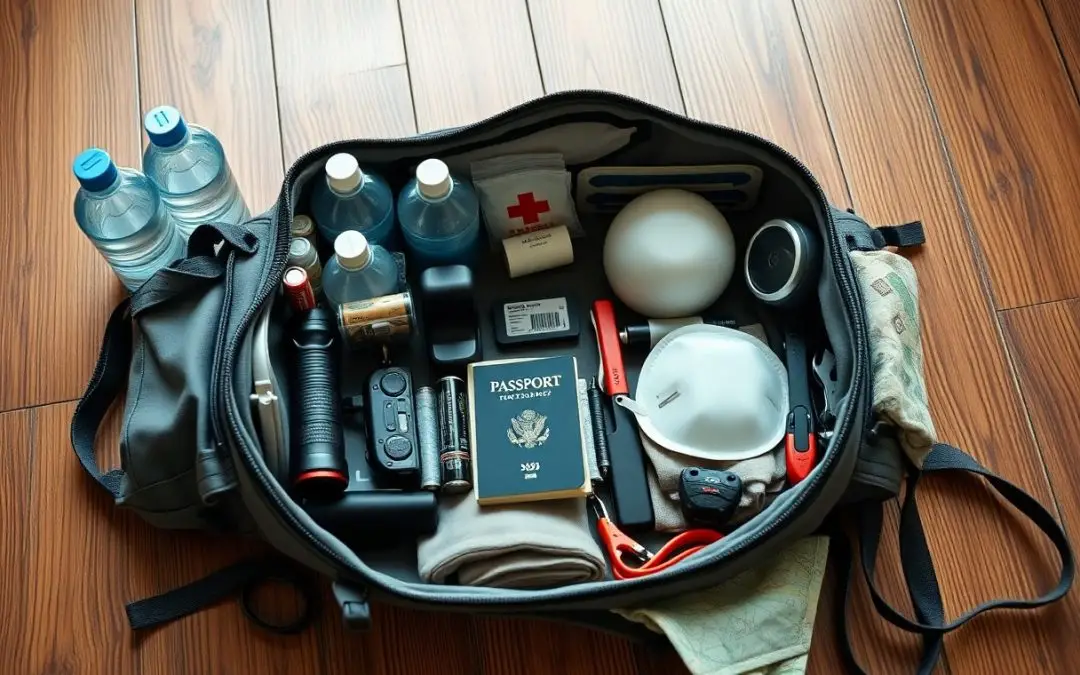
Emergency situations demand quick decisions, and a well-packed go bag ensures you and your family can evacuate fast and with less stress. Pack at least 72 hours of water and nonperishable food, prescription medicines, basic first-aid, a flashlight and spare batteries, multi-tool, phone charger or power bank, copies of IDs and cash, extra clothing, hygiene items, local maps, and emergency contact information so you can move confidently when time is limited.
Understanding the Importance of a Go Bag
FEMA and emergency planners advise a minimum 72-hour kit because first responders can be overwhelmed; having water (1 gallon per person per day), food, medications, ID, and cash lets you be self-sufficient when services are delayed. You cut decision time and reduce stress by pre-selecting items tailored to your mobility, pets, and climate, so you can evacuate within minutes rather than scrambling to gather vitals under pressure.
The Purpose of a Go Bag
The primary purpose is immediate mobility: you pack what lets you leave quickly and sustain yourself for at least three days. Include prescription meds with dosage records, a charged power bank and NOAA radio, copies of ID and insurance, multi-tool, flashlight, and a basic first-aid kit. These items let you navigate road closures, short-term sheltering, and communication gaps until normal support returns.
Situations that Require a Go Bag
Wildfires, flash floods, hurricanes, chemical spills, earthquakes, and civil disturbances commonly force rapid evacuations; wildfires in particular can give as little as 5-30 minutes’ notice, while hurricanes may allow 24-48 hours. You should treat any official evacuation order, mandatory shelter directive, or sudden loss of utilities as a trigger to grab your bag and go immediately.
Different scenarios demand small adjustments: for wildfire evacuation prioritize respirator masks and N95s, for floods include waterproof document pouches and high-clearance shoes, and for winter storms add thermal blankets and hand warmers. Also account for household specifics-infants need formula and diapers, pets need food and a carrier, and elderly family members may require extra medication and mobility aids.
Essential Items to Include
Prioritize items that keep you alive, mobile, and informed for at least 72 hours: water (1 gallon per person per day), three days of nonperishable food, a flashlight with extra batteries, a NOAA radio, a multi-tool, portable phone charger, cash in small bills, copies of IDs and insurance documents in a waterproof bag, and basic hygiene supplies; add pet food and infant formula as needed and store everything in an easy-to-carry pack you can grab in under a minute.
Food and Water Supplies
Pack a minimum 72-hour supply: one gallon of water per person per day and three days of shelf-stable food such as energy bars (2,000+ calories/day per adult), MREs, canned tuna with a manual can opener, dried fruit, and electrolyte packets; rotate items every 6-12 months, label expiry dates, include baby formula and pet food if applicable, and add water purification tablets or a compact filter like a Sawyer Mini for extended use.
First Aid Kit and Medical Essentials
Include a well-stocked kit: 20 adhesive bandages, 6 sterile gauze pads (4×4), adhesive tape, antiseptic wipes (20), antibiotic ointment, sterile gloves, tweezers, trauma shears, instant cold pack, CPR mask, pain relievers, antihistamines, and a 7-14 day supply of prescription meds with printed dosage info and copies of prescriptions; pack EpiPen, inhaler, or diabetes supplies if you or family members need them.
Customize the kit to your medical needs: store medications in sealed, labeled zip bags with dosage and prescriber contact, include a small insulated pouch or cold pack for temperature-sensitive meds, add a tourniquet and hemostatic dressing if you’re trained, swap out perishable items every 6 months, and take a basic first-aid/CPR course so you can use supplies effectively during a high-stress evacuation.
Clothing and Personal Items
Pack layered clothing for 72 hours: moisture-wicking base layers, an insulating mid-layer, a waterproof shell, two pairs of socks (one wool or synthetic), underwear, a hat, gloves, and sturdy shoes you can wear while evacuating; include toiletries in travel sizes, prescription glasses or contacts with solution, menstrual supplies, a compact towel, and a lightweight change of clothes in a waterproof bag.
Optimize space and readiness: use compression sacks to reduce bulk, choose quick-dry fabrics, include one extra pair of shoes if space allows, sew in a reflective strip or pack a small safety vest, add a basic sewing kit and spare shoelaces, and customize quantities for children or pets-two to three sock pairs per person and a thermal blanket can make a big difference in cold-weather evacuations.
Tools and Gear for Emergencies
When seconds matter, you want reliable tools that cover cutting, lighting, fastening and simple repairs; pack at least one headlamp plus a handheld LED flashlight (100-500 lumens) so you have hands-free and long-range options. Include a multi-tool, a compact roll of duct tape (10-30 feet), and 50 feet of 550 paracord for shelter, rigging, or towing. Store everything in an exterior pouch for quick access and label items so you can grab them without searching.
Flashlights and Batteries
Bring one handheld LED (300-500 lumens) and a headlamp (150-300 lumens) with a separate set of spare batteries – aim for two to three full sets of AA/AAA or a dedicated rechargeable battery plus a USB power bank (10,000 mAh). Choose LED for lower amp draw and check waterproof ratings (IPX4+). Store lithium batteries (10+ year shelf life) separately to avoid corrosion and rotate every 2-3 years.
Multi-tools and Duct Tape
Pick a multi-tool with locking blades and pliers – models like Leatherman Wave or Victorinox with a saw, can opener, and screwdriver cover most needs – and keep it oiled and in a sheath. Add a 10-30 foot roll of cloth-backed duct tape for temporary shelter repairs, gear fixes, and improvised splints; wrap the roll in plastic to keep it dry and stash a short length on the outside of your pack for instant access.
For deeper capability, include a small bit driver with 6-8 common bits (Phillips #1-#2, flat, Torx T15/T20) and spare blades for the multi-tool; this lets you tighten fittings and remove batteries or panels in the field. Use 550 paracord in 10- to 50-foot lengths alongside duct tape for secure anchoring, and pack a compact sharpening stone or ceramic rod to maintain cutting edges. Practice basic repairs at home so you can use each tool under stress without fumbling.
Important Documents and Information
Keep a compact, waterproof folder with hard copies and encrypted digital backups of documents you can’t replace quickly. Include passports, birth certificates, driver’s licenses, insurance policies, property deeds, a recent utility bill for address verification, medical records and pet vaccination certificates. Store one paper set in your go bag and a second copy with a trusted contact; scan at 300 dpi and save encrypted PDFs to a USB and a cloud account protected by 2FA for fast access during a 72‑hour evacuation.
Copies of Essential Identification
Make at least two color copies of IDs: passport, driver’s license, Social Security card, and any immigration papers. Keep one copy in your bag and one with a trusted out‑of‑area contact. Scan at 300 dpi, save as searchable PDFs, and encrypt them; label files clearly (e.g., “Smith_Passport_2025.pdf”). Also carry one set of originals if possible, and place paper copies in a sealed, waterproof sleeve to prevent damage.
Emergency Contact Information
List at least three contacts-local family, a close friend, and an out‑of‑state relative-with primary and alternate phone numbers, email, and relationship. Include your primary care physician and insurance agent with policy numbers, plus social media handles or messaging apps you commonly use for reunification. Store this list as a laminated card in your bag and as a digital file accessible offline on your phone.
Also add brief medical notes about you: blood type, allergies, chronic conditions, current medications with dosages, and any medical alert numbers so responders know critical info. Put a short emergency plan with two meeting points (address and GPS coordinates) and note preferred evacuation routes. Update and test your contacts every six months; for example, following Hurricane Harvey, agencies reported faster family reunifications when households had an out‑of‑state contact listed and updated phone numbers.
Personal Comforts and Survival Kits
Pack items that reduce stress while meeting basic needs for at least 72 hours: FEMA recommends one gallon (≈3.8 L) of water per person per day, a lightweight sleeping bag or emergency bivy rated to 20°F if you’re in cold regions, extra socks, spare glasses or contacts, prescription med list and backup meds, menstrual supplies, a small roll of cash ($50-$100 in small bills), and waterproof copies of IDs and insurance documents in a sealed pouch.
Items for Mental Well-being
Include 1-2 compact comfort items to preserve morale: a preloaded phone or MP3 with offline playlists and two audiobooks, a paperback or small e-reader with charger, a travel-sized journal and pen, a deck of cards or compact game, noise-reducing earplugs, and a favorite photo or keepsake; these simple comforts lower stress hormones and help you stay focused during prolonged displacement.
Basic Survival Gear
Choose proven, multiuse tools: a multi-tool (Leatherman-style), a 2.5-3.5″ folding knife, ferrocerium striker or waterproof matches, Sawyer Mini or similar 0.1-0.2 micron water filter plus 20 purification tablets, a Mylar emergency blanket, 50-150 lumen headlamp with spare batteries, 10,000 mAh power bank or small folding solar charger, 50 ft of 550 paracord, a loud whistle (≥90 dB), map and compass, and a signaling mirror.
Opt for gear with measurable performance: a Sawyer Mini filters bacteria and protozoa and weighs ~2 oz, a 10,000 mAh power bank typically recharges a modern smartphone 1-2 times, 550 paracord holds ~550 lbs and doubles as shelter cordage, ferro rods can produce thousands of strikes, and a 150-lumen headlamp gives usable light for tasks up to 50-100 meters; store small items in a waterproof, crush-resistant pouch for easy access.
Packing Tips for Quick Access
Stow frequently used items-keys, phone, headlamp, wallet, vital meds-in outer pockets so you don’t dig through the main compartment. Use color-coded pouches and a small waterproof folder for documents to cut retrieval time to under 30 seconds during practice drills. Perceiving that a single-pocket quick-grab setup reduces fumbling under stress will speed exits and lower error rates.
- Phone + portable charger
- Daily meds (24-72 hour supply)
- Headlamp or compact flashlight
- House/vehicle keys on quick-release
- Cash and ID in a waterproof sleeve
- Compact multi-tool and whistle
Organizing Your Go Bag
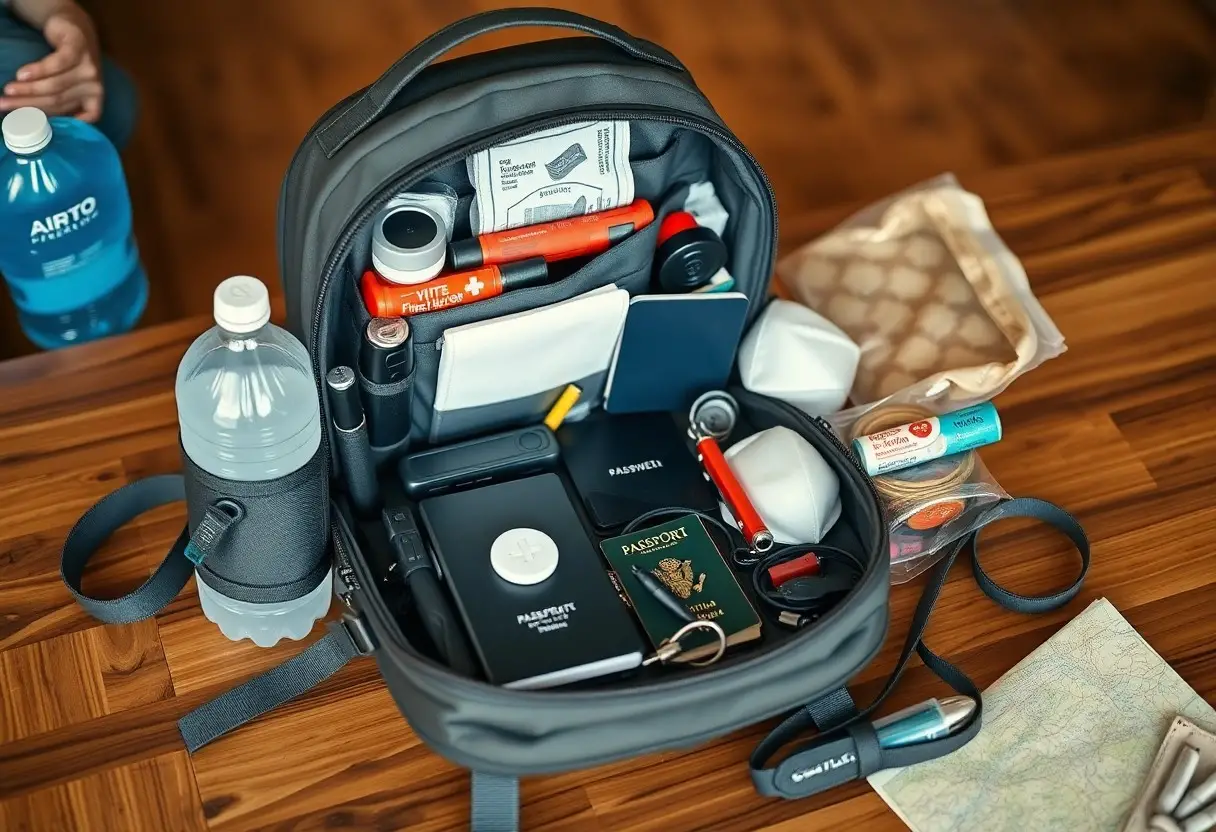
Use labeled pouches-“meds,” “food,” “tools,” “documents”-and a 20-30 L pack to balance capacity and mobility; aim to keep your loaded bag under 15 lb (≈6.8 kg). Place heavier items close to your spine, distribute weight evenly, and reserve a top/front quick-access pocket for items you need within 30 seconds during evacuation drills.
Regular Check and Update Checklist
Schedule inspections every 3 months and after travel: check expiration dates on meds and food, rotate water every 6 months, replace batteries annually or when output falls, and confirm emergency contacts and insurance numbers are current. You should log each change with date and brief note so you can audit readiness quickly.
Set calendar reminders on your phone and keep a paper checklist inside the pack so you trigger inspections. When you check, you should test devices (flashlight runtime, radio reception, stove ignition) and record results-for example, note a flashlight runtime of 2.5 hours on fresh batteries-and update an inventory list with quantities and expiry dates plus an encrypted photo backup.
Summing up
On the whole, you should assemble a compact, well-organized go bag that lets you evacuate quickly and confidently: three days of water and nonperishable food, a first-aid kit and imperative medications, copies of IDs and emergency contacts, cash and cards, a charged phone with power bank, flashlight, multi-tool, weather-appropriate clothing, basic hygiene items, local maps and a whistle, and any pet or child supplies. Keep the bag visible, updated, and tailored to your needs.


