

Pack necessarys for your pet’s safety and comfort in case of emergencies or unexpected travel. As a responsible pet owner, it’s vital to have a Go Bag ready that includes all the necessities your furry friend might need. This guide will help you compile a comprehensive list of items to ensure your pet stays happy and healthy, no matter the situation. From food and medication to identification supplies, we’ve got you covered with everything you need to prepare your pet for life’s uncertainties.
Essential Supplies That Every Pet Go Bag Must Include
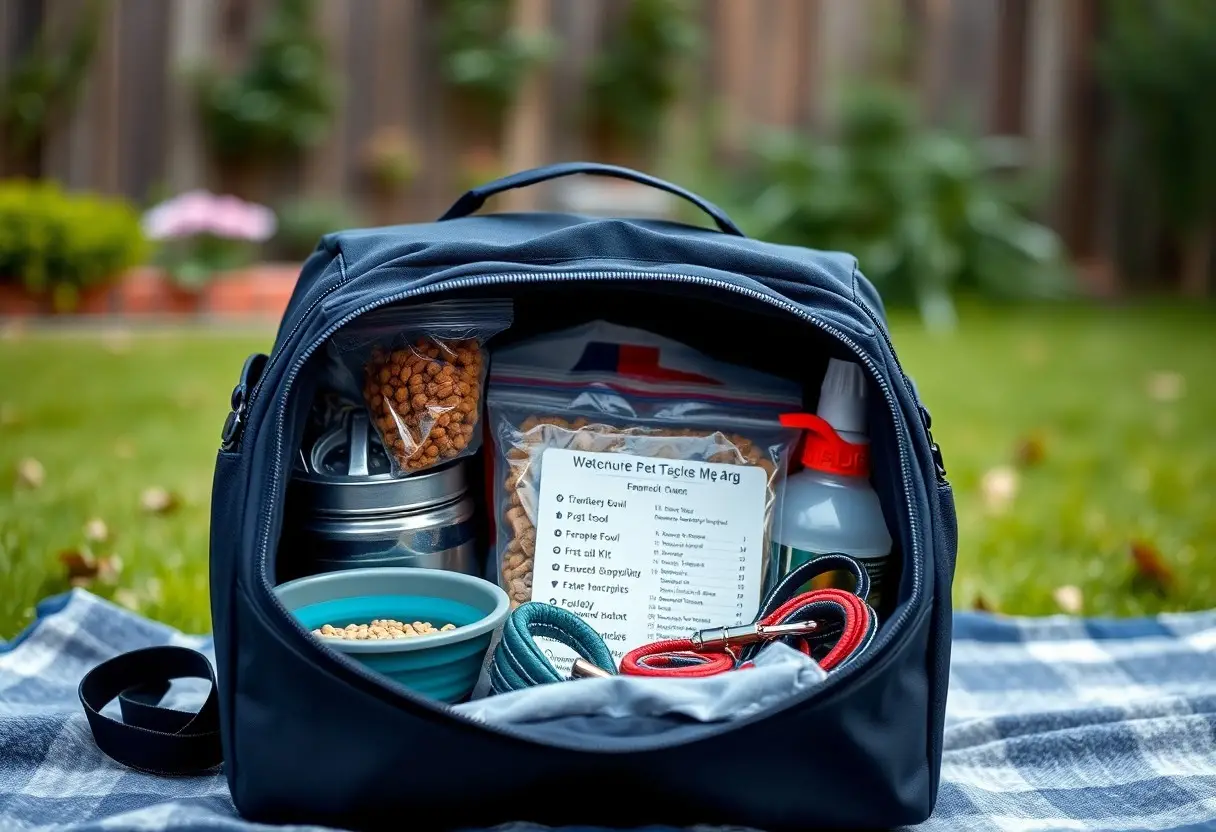
Your pet’s go bag should contain various important supplies that ensure their safety, health, and comfort during emergencies. Focus on the basics first: food, water, and items for identification. By packing strategically, you not only prepare for the unexpected but also help alleviate stress for you and your pet when it’s needed most.
Food and Water: Nutrition on the Go
Leashes, Collars, and Identification Tags: Ensuring Safety
A sturdy leash and collar are crucial for controlling your pet during stressful times. Attach identification tags with your contact information to your pet’s collar to increase the chances of a safe return if you get separated. Consider including a backup leash as a precautionary measure.
In an emergency, pets can easily become disoriented and anxious, making a reliable leash and collar necessary for maintaining control. Use a collar that fits snugly but comfortably; it shouldn’t slide over their ears. Additionally, microchipping your pet and ensuring the information is up-to-date offers an extra layer of safety. Having your contact information clearly displayed on identification tags can expedite reunions, especially in chaotic situations. Always keep these items in a dedicated, accessible area within your pet go bag for rapid deployment.

Comfort Items for Your Pet’s Emotional Well-Being
Providing your pet with comfort items can significantly reduce their stress during emergencies. Familiar sounds and scents can be soothing, and ensuring they feel secure will help them adapt to quickly changing environments. In your go bag, include items that are reassuring and familiar, working to maintain their emotional well-being amidst chaos.
Familiar Blankets and Toys: Maintaining a Sense of Security
Including your pet’s favorite blanket and toys in the go bag offers them a tangible connection to home. These items carry their unique scent, serving as happy reminders of safety. During stressful moments, having something familiar can provide comfort and help them feel more secure, making transitions smoother for both of you.
Medications and Health Records: Ensuring Continuity of Care
Packing your pet’s medications and vital health records is vital for their ongoing care. Include a list of their regular medications, dosages, and any special dietary needs, alongside a copy of their vaccination records and any recent medical history. This documentation ensures that caretakers have immediate access to important information, allowing for appropriate care if you cannot be present.
Organizing your pet’s medications should involve compiling a complete inventory that includes both prescription and over-the-counter drugs. It’s advisable to carry at least a week’s supply if your pet is on long-term medication. Additionally, highlight any known allergies they might have, so caregivers can prevent potential reactions. Storing these records in a waterproof pouch can help maintain their condition and ensure that, regardless of where emergency care is sought, your pet’s needs are met without delay.
Emergency Preparedness: Vetting Information and Resources
Staying informed about potential emergencies in your area ensures you’re ready for anything. Research local shelters, determine the safest evacuation routes, and keep important numbers, such as animal control and emergency services, on hand. Websites like Ready.gov or the ASPCA provide tailored resources for pet owners. It’s advisable to have an emergency contact who can assist with your pet’s care if you are unable to do so, ensuring that everyone involved knows your pet’s specific needs.
Veterinary Contact Information: A Lifeline in Crisis
Compile a list of veterinary contacts in advance, including your regular vet and local emergency clinics. This ensures quick access to professional help in a crisis. Store this information in your go bag, along with any necessary vaccination records, medications, and medical history for your pet, so it’s ready when you need it most.
Emergency Plans: Knowing Where to Go and What to Do
Creating a detailed emergency plan involves selecting designated safe locations for evacuation where pets are welcome, such as friends’ homes or pet-friendly shelters. Familiarize yourself with these locations and practice leave procedures with your pets, so they are accustomed to the plan. Make sure your pet’s carrier is easily accessible and know how to securely transport them.
Being proactive about emergency plans can significantly reduce panic and confusion in a crisis. Designate safe spots that allow pets and gather my emergency contact information, ensuring multiple routes to these locations. Additionally, maintain awareness of any community resources aimed at assisting pets during disasters, including boarding facilities and pet-friendly hotels. Regularly review and practice this plan with your family, so everyone knows their role and your pet remains calm and secure even in the face of uncertainty.
Tailoring Your Go Bag: Considerations for Different Pets
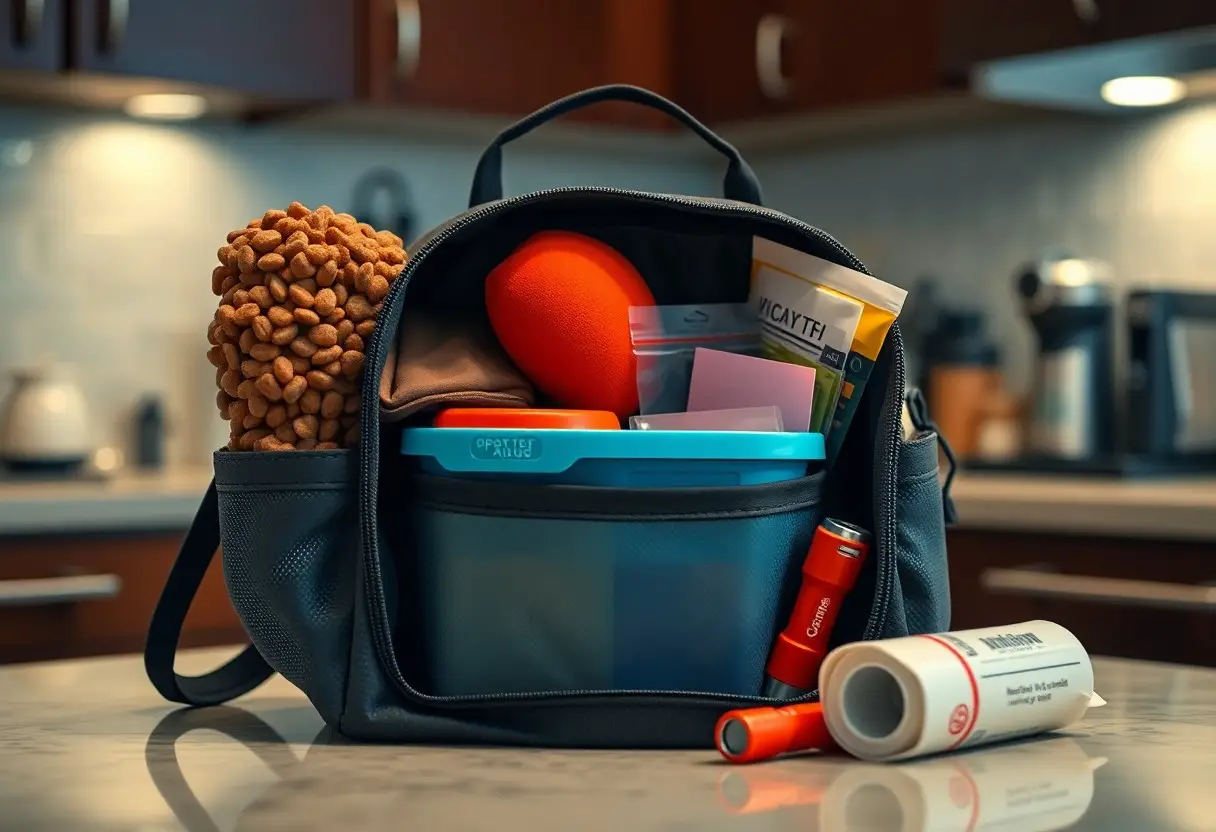
Your go bag should be tailored to fit the specific needs of your pet. Different animals have unique requirements that impact what you should include. For dogs and cats, you’ll want to pack their food, water, and medications, along with comfort-enhancing items. However, smaller pets like hamsters or guinea pigs have unique habitat considerations, while birds and reptiles need specialized supplies to ensure their health and comfort during emergencies.
Dogs vs. Cats: Unique Needs and Packing Strategies
Dogs typically require larger supplies in terms of food and water, as well as leashes and harnesses for easy transport. You might pack toys for stress relief and a blanket or bed for comfort. Cats, on the other hand, need carriers, litter, and a familiar blanket. Since they can be more sensitive to change, including calming supplements could also be beneficial.
Small Mammals, Birds, and Reptiles: Specialized Supplies
For small mammals, birds, and reptiles, you’ll need to include species-specific supplies that cater to their particular needs. Small mammals like guinea pigs might require extra bedding and a portable cage for their safety. Birds need travel cages that are spacious enough to allow movement, along with food and water containers. Reptiles, meanwhile, rely on specific temperatures, so packing a portable heat source can be a lifesaver.
Small mammals thrive on consistency, making it crucial to pack their usual food and a safe portable enclosure. For birds, don’t forget items like perches and toys to keep them occupied and comfortable. Reptiles require moist environments, so including a small water dish and maintaining the right temperature with heat packs is key. A little preparation tailored to these species can ensure their well-being during any emergency situation.
Putting It All Together: Creating an Effective Go Bag
Building an effective go bag for your pet is all about organization and readiness. Start by selecting a sturdy, water-resistant bag that’s easy to carry. Group items by category, such as food and water supplies, hygiene products, and medical necessities, to streamline access during emergencies. Make sure to label contents clearly for quick reference. A well-organized go bag not only keeps your imperatives in one place, but it also saves you time and reduces stress when you need to act quickly.
Checklist for Packing: Don’t Forget the Essentials
As you prepare your go bag, it’s helpful to have a checklist to ensure you don’t overlook any imperatives. Include enough food and water for three days, medications, a first aid kit, leash, collar with ID tags, and comfort items like a favorite toy or blanket. A carrier for small pets or portable kennel for larger animals is also key for safe transport. Making sure you have these imperatives can provide peace of mind during the uncertainty of emergencies.
Reviewing and Updating: Keeping Your Bag Prepared Year-Round
Regularly reviewing and updating your pet’s go bag ensures it remains relevant and ready for action. Replace expired food and medications, and check that comfort items are in good condition. As your pet grows and their needs change, you may need to adjust the bag contents. Set a reminder to review your go bag every six months—coinciding with daylight savings time changes is a convenient option. Doing so will keep both you and your pet safe and prepared for any unexpected events.
Additionally, consider seasonal factors when updating your go bag. For instance, during summer months, pack items to keep your pet cool, such as a travel bowl that can hold ice cubes or cooling pads. In winter, include extra blankets for warmth. Adapting your go bag to seasonal weather conditions enhances your pet’s comfort and safety, ensuring you’re fully prepared no matter the time of year.
To wrap up
So, ensuring your pets are prepared for emergencies starts with a well-thought-out go bag. Include imperatives like food, water, medication, a first-aid kit, and identification for your furry friends. Don’t forget comfort items, such as a blanket or toy, to ease their stress. Tailor the contents to your pet’s specific needs and keep the bag easily accessible. With careful preparation, you can help your pets feel safe and secure, no matter the situation.


