
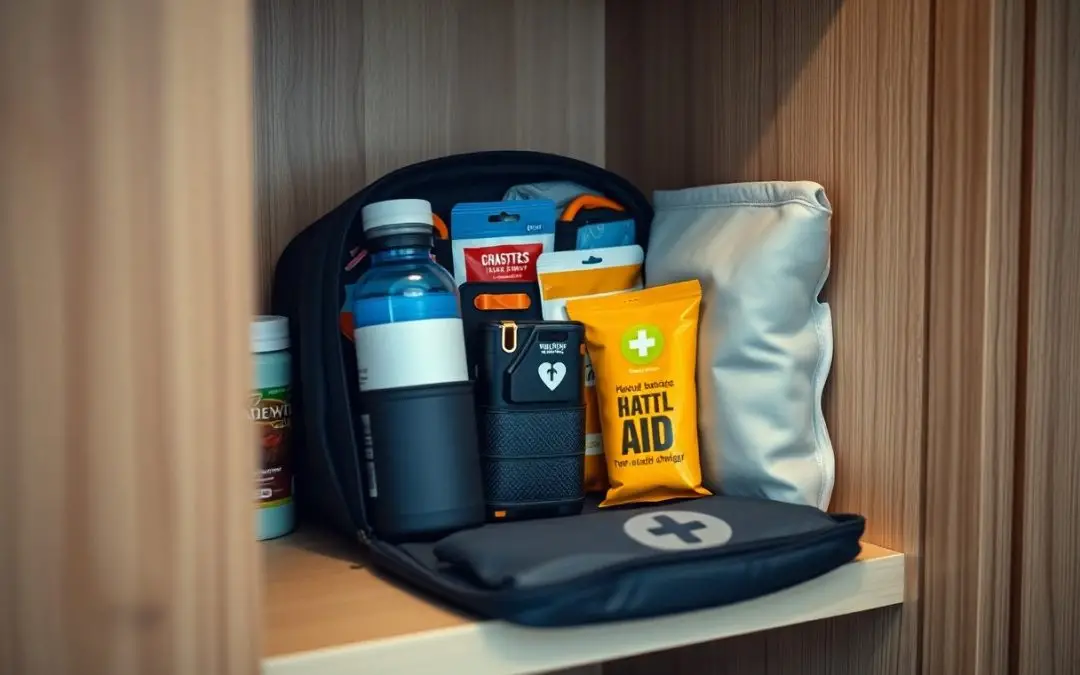
Just because you live in a compact apartment doesn’t mean you’re unprepared for emergencies. Creating a go bag tailored to your limited space can ensure that you have all the crucials on hand when you need them most. This guide will help you identify must-have items that maximize your efficiency and safety without taking up too much room. From quick snacks to first-aid supplies, you’ll learn how to pack wisely, keeping your go bag ready while staying organized in your small living area.
The Space-Savvy Go Bag: Choosing the Right Container
Choosing the right container for your go bag means balancing durability with compactness. Aim for a bag that is lightweight but rugged enough to withstand wear and tear. Ideally, it should be easily storable but spacious enough to hold your important gear without becoming too bulky. Look for options that can be hung on a wall or slipped under your bed, maximizing your limited space while remaining accessible in an emergency.
Selecting a Compact Bag that Maximizes Use
Your go bag should be as multifunctional as possible. Consider a backpack or a duffel that can withstand outdoor conditions yet is easy to carry. Many bags come with adjustable straps and a sleek design, allowing you to feel comfortable while on the move. Certain models even convert from a backpack to a shoulder bag, ensuring versatility based on your immediate needs.
Essential Features for Urban Survival: Pockets and Compartments
Pockets and compartments are your best friends when organizing a go bag. A well-structured bag will help you keep items sorted and accessible, even in high-pressure situations. A mix of zippered, mesh, and slip pockets ensures that crucial items like water, first aid supplies, and personal documents can be quickly found. Additionally, look for external pockets for even more storage options, making retrieval effortless.
Features of Pockets and Compartments
| Feature | Description |
| Water-Resistant Zippers | Protects contents from moisture, ensuring items stay dry. |
| Mesh Pockets | Allows for visibility of items while providing airflow for perishables. |
| Front and Side Pockets | Offers quick access to items like your phone or keys. |
| Adjustable Compartments | Customizable space to fit items of various sizes. |
Properly designed pockets enhance the utility of your go bag by keeping your importants organized and accessible. For example, exterior pockets can hold frequently needed items, allowing you to grab them quickly. Meanwhile, internal compartments can separate medical supplies from food, preventing cross-contamination. Investing in a bag that prioritizes effective storage solutions can make all the difference when seconds count.
Benefits of Organized Storage
| Benefit | Description |
| Efficiency | Quick access to needed items reduces stress during emergencies. |
| Less Clutter | Organized compartments keep your bag tidy and manageable. |
| Enhanced Functionality | More compartments increase the bag’s overall versatility. |
| Improved Weight Distribution | Strategic pocket placement helps balance heavy items. |
Core Supplies: What Every Apartment Dweller Needs
In any emergency, having a set of core supplies ready to go makes all the difference. Focus on necessarys like a flashlight, batteries, multi-tool, and a portable phone charger to ensure you remain connected and safe. Don’t overlook important documents; keep copies of IDs and insurance information in a waterproof bag. Organize your supplies in an easily accessible backpack or container, prioritizing items that cater to your specific needs and situations, allowing for efficient maneuvering even in tight quarters.
Non-Perishable Food and Water: Smart Choices for Limited Space
Select non-perishable food items that pack a nutritional punch while taking up minimal space. Canned vegetables, dried fruits, nuts, and energy bars are excellent options. Store at least a three-day supply of water, ideally in compact, stackable containers that fit seamlessly into your Go Bag, ensuring you won’t compromise on hydration during emergencies.
First-Aid Kit Essentials: Tailoring to Your Needs
Your first-aid kit should reflect your personal circumstances. Basic supplies like adhesive bandages, antiseptic wipes, and gauze are necessary, but you might also want to include specific medications, personal prescriptions, and allergy treatments. Consider any family members’ unique health requirements, like an EpiPen for severe allergies or a spare inhaler if asthma is present.
Building a tailored first-aid kit means gaining awareness about your lifestyle. For instance, if you have children, including pediatric doses of common medications can be a smart decision. Likewise, if you often hike or travel, consider adding blister packs, a whistle, and a thermal blanket. Regularly check and update your kit, tossing any expired items, and ensure you have adequate supplies specific to any pets as well, creating a comprehensive emergency response system in your small space.
Tools for Emergency Scenarios: A Minimalist Approach
Your emergency toolkit doesn’t have to be bulky to be effective. Focusing on multi-functional tools can significantly reduce the amount of space your go bag occupies while ensuring you’re prepared for a variety of emergencies. Opt for compact designs that can handle several tasks, allowing you to save both space and weight. A minimalistic approach means every item you include should have a clear purpose, making packing efficient and accessible—vital in any urgent situation.
Multi-Tools and Gear That Serve Multiple Purposes
Selecting multi-tools that combine several functionalities into one piece can greatly enhance your preparedness without taking up precious space. For instance, a sturdy pocket knife with built-in screwdrivers, can openers, and pliers can tackle a range of tasks, from minor repairs to food preparation. Also consider compact emergency kits that include items like a whistle, a fire starter, and a compass. This way, you’re equipping yourself for diverse scenarios without overcrowding your bag.
Lightweight Yet Effective: Choosing the Right Safety Equipment
Finding safety gear that doesn’t weigh you down can be daunting, but options are available that balance effectiveness with portability. Look for items that are specifically designed for travel and emergency use, such as lightweight multi-purpose flashlights or small first aid kits. Materials like durable yet lightweight nylon backpacks or collapsible water bottles can make a significant difference. Always evaluate the crucial features, such as waterproofing or visibility, to ensure your safety equipment delivers when needed without burdening your go bag.
Consider the advantages of compact, multi-functional gear. For example, a hand-crank flashlight not only provides light but can also charge your devices. Opt for a first aid kit with a slim profile but comprehensive contents like antiseptic wipes, bandages, and a small tourniquet. A compact, high-quality emergency blanket can trap body heat and serve as a ground cover. By evaluating each piece of safety equipment for its additional benefits, you can create a go bag that is both light and packed with capability, crucial for navigating emergency scenarios efficiently.
Quick Access vs. Long-Term Storage: A Balancing Act
Finding the right balance between quick access items and long-term storage supplies is imperative for apartment dwellers. You want to keep your go bag streamlined for emergencies while ensuring that it remains functional over time. Prioritize what you’ll need immediately—like first aid kits and water—while also reserving space for long-term necessities like food and clothing. Rotating these supplies will ensure that your emergency preparedness efforts remain relevant and effective without consuming too much precious space.
Strategizing Your Go Bag Placement in Small Spaces
Positioning your go bag strategically matters significantly in compact living spaces. Consider placing it near the door or an accessible closet that’s easy to access during emergencies. Alternatively, utilizing furniture like ottomans or under-bed storage can effectively camouflage your go bag while remaining practical for everyday use. Think about high-traffic areas where you’ll need to grab your supplies quickly, making them both visible and convenient without sacrificing your apartment’s aesthetic.
Rotating Supplies for Freshness Without Clutter
To maintain the freshness of your go bag supplies without cluttering your small space, adopt a rotation system. Regularly check your food items and medication for expiration dates, replacing them with newly purchased products. Aim to set a schedule—like the first weekend of every month—to review your items. This practice not only keeps your go bag updated but also minimizes waste by utilizing surplus items in your kitchen, ensuring you are never stuck with expired supplies.
Implementing a rotation system simplifies your maintenance routine while enhancing your overall preparedness. You might find that using a dedicated shopping list for your go bag supplies ensures you purchase fresh items that fit your usage cycle. Labeling containers and bags with expiration dates can also help you keep track of what’s in your bag at a glance, further minimizing clutter and ensuring you’re ready for any emergency that may arise.
The Psychological Edge: Ready for Anything
Your mindset plays a significant role in how you respond during crises. Feeling prepared can provide immense psychological relief, reducing anxiety in uncertain situations. A well-organized go bag can serve as a tangible reminder that you’re ready for anything that comes your way, allowing you to face emergencies with confidence instead of panic. This mental preparedness fosters resilience and a proactive approach, turning potential chaos into manageable scenarios.
Building a Mindset of Preparedness and Calm
Nurturing a mindset focused on preparedness involves regular practice and reflection. Visualizing possible scenarios, conducting drills, and discussing your plans with loved ones can help solidify this perspective. By routinely engaging in these practices, you gradually build both confidence and calmness that you can rely on in real situations, shifting your response from fear to control.
The Role of Community and Communication in Urban Emergencies
Establishing strong community ties can significantly enhance your safety during urban emergencies. In times of crisis, local networks provide support, information, and resources that can be invaluable. Familiarizing yourself with your neighbors or joining community groups creates a support system that fosters collaboration and shared responsibility, ultimately increasing your collective resilience during challenging times.
During an emergency, communication becomes crucial for effective collaboration within your community. Sharing information about resources, safe havens, or assistance can empower everyone involved. Engaging in regular community meetings or social initiatives ensures that neighbors are aware of each other’s skills, providing opportunities for first aid assistance or an extra pair of hands during evacuations. Trust and clarity among community members can transform a potentially disorienting experience into one that feels more manageable and coordinated, enhancing not only personal safety but also the overall strength of the neighborhood in facing any challenge.
Summing up
With these considerations in mind, you can effectively curate a go bag that suits your limited space while ensuring you have all the importants for emergencies. Focus on lightweight yet multi-functional items that fit neatly into your environment. By prioritizing necessities like water, food, communication tools, and first aid supplies, you’ll be well-equipped to handle unexpected situations without compromising your living area. Tailor your go bag to your unique needs, and you’ll gain peace of mind knowing you’re prepared for whatever comes your way.


