
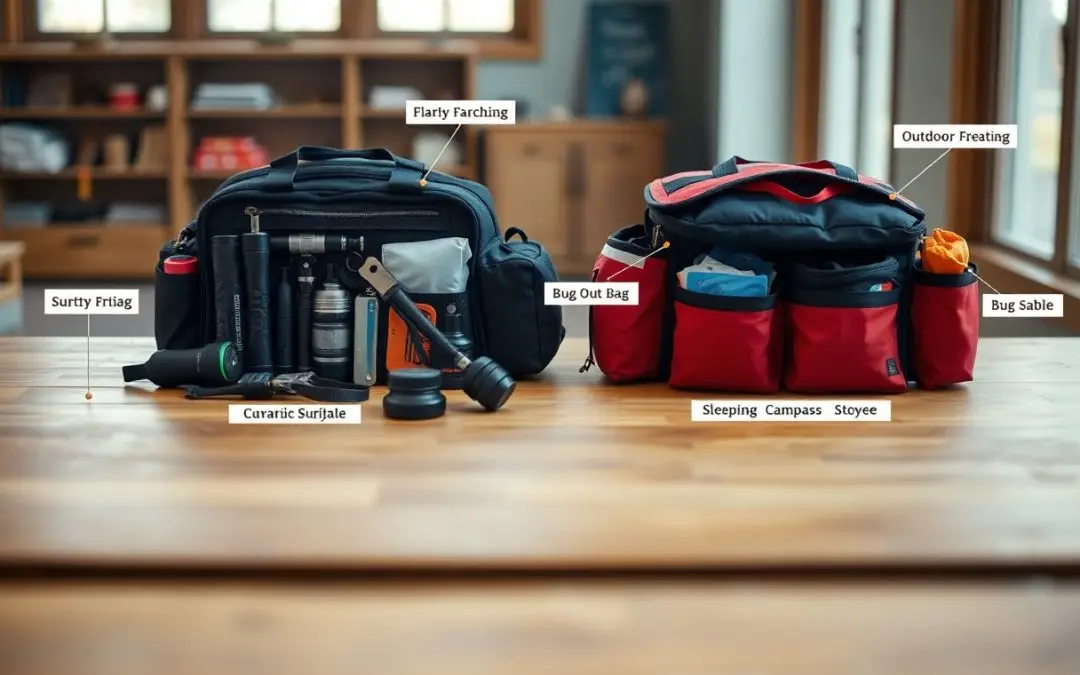
With the increasing unpredictability of emergencies, understanding the distinction between a Go Bag and a Bug Out Bag is crucial for your preparedness plan. While both serve to help you evacuate quickly, they often contain different items based on their intended use and situation. A Go Bag is designed for short-term emergencies or quick evacuations, while a Bug Out Bag is geared for longer-term survival scenarios. Knowing the differences can help you choose the right bag tailored to your needs in any crisis.
What is a Go Bag?
Definition and Purpose
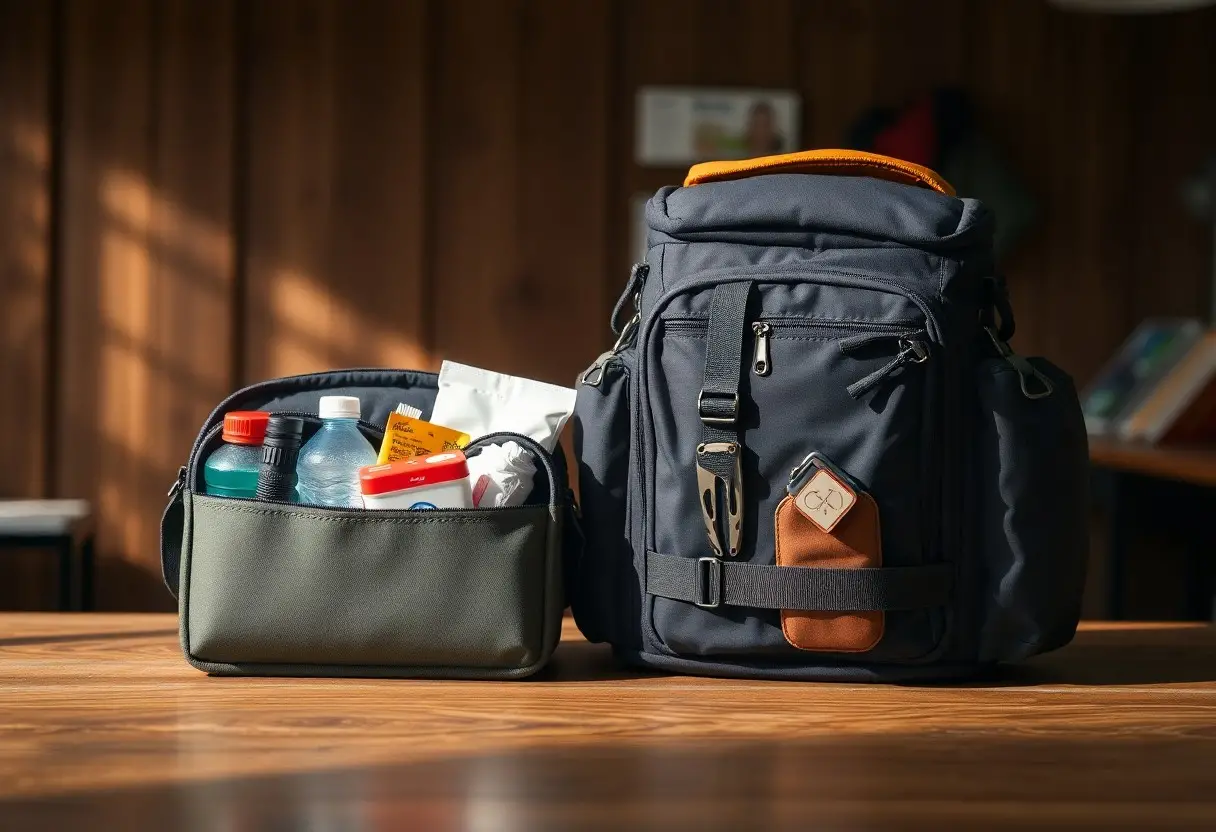
A Go Bag is a portable emergency kit designed for quick evacuation in the event of a disaster or unexpected scenario. Its purpose is to provide you with important supplies for survival and comfort during the initial hours or days following an emergency, enabling you to leave your location swiftly without the need to gather items on the spot.
Essential Items to Include
Your Go Bag should contain critical supplies that address immediate needs, including food, water, first aid, and personal documents. Prioritize items that facilitate survival and communication, ensuring you’re well-prepared for a range of emergencies.
Start with a water supply of at least one gallon per person per day for three days. Non-perishable food items, such as energy bars or canned goods, are also vital. Incorporate a first aid kit, flashlight, multi-tool, and a battery-operated radio for communication. Personal documents like IDs and health insurance information should be securely packed. Consider including a change of clothes, a warm blanket, and any necessary medications to enhance comfort and manage health during emergencies effectively.
What is a Bug Out Bag?
Definition and Purpose
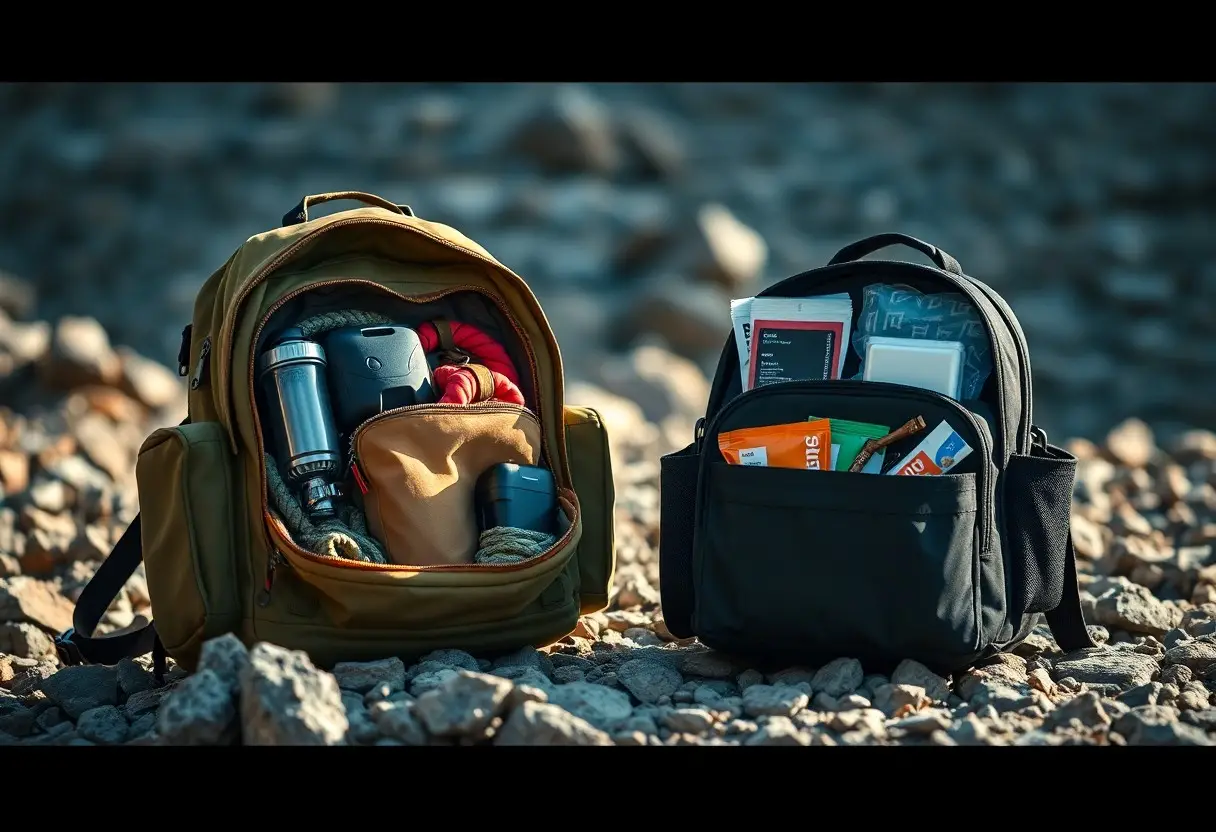
A Bug Out Bag (BOB) is a comprehensive survival kit that prepares you to evacuate quickly in times of crisis, such as natural disasters or civil unrest. Its primary purpose is to ensure you have the necessary supplies to sustain yourself for 72 hours or more while you find safety or wait for the situation to stabilize.
Essential Items to Include
Your Bug Out Bag should contain key items like food, water, shelter, first aid supplies, and a means of self-defense. Each item plays a vital role in ensuring your basic needs are met during an emergency.
To further enhance your preparedness, include water purification tablets or a compact filter, high-calorie emergency food bars, a multi-tool, a flashlight with extra batteries, a first aid kit, and a portable phone charger. Personal documents, cash, and warm clothing should also be considered to address specific needs you may encounter. Tailor your Bug Out Bag to your environment and potential scenarios, ensuring you can efficiently address both basic survival and personal comfort.
Key Differences Between Go Bags and Bug Out Bags
Understanding the distinctions between go bags and bug out bags can significantly enhance your emergency preparedness. Go bags are designed for immediate evacuation, containing imperatives for short-term survival, typically for 72 hours or less. In contrast, bug out bags focus on longer excursions, equipped with supplies that can last several days to weeks, accommodating various survival scenarios. You’ll find that the specific items included in each bag also reflect their intended use, impacting their storage and portability.
Use Cases and Situations
Your choice between a go bag and a bug out bag largely hinges on your circumstances. If you live in an area prone to natural disasters like earthquakes or hurricanes, a go bag is ideal for swift evacuation. Alternatively, if you anticipate prolonged disruptions, such as civil unrest or extended emergencies, a bug out bag will better serve your needs with comprehensive supplies for survival. Evaluating your location and potential threats helps you determine which bag aligns with your preparedness strategy.
Size and Duration Considerations
Size plays a key role in choosing between a go bag and a bug out bag, along with the expected duration you may need to function without regular support. Go bags are typically smaller and lighter, optimized for quick grabs and mobility. Bug out bags tend to be larger, allowing for more substantial supplies and provisions to sustain you over time. Assessing your specific situation helps clarify whether you need the compact, immediate focus of a go bag or the comprehensive readiness of a bug out bag.
When considering size and duration, recognize that go bags usually contain basics like water, food, first aid supplies, and important documents, streamlined to fit a 24- to 72-hour escape. Bug out bags, however, should include more extensive items—think of longer food rations, multiple tools, and shelter materials—capable of supporting you for a week or more. Depending on your personal needs and the scenarios you expect, you may want to tailor the size and contents of each bag to ensure readiness across different emergencies.
When to Choose a Go Bag
A go bag is ideal for situations requiring quick action and immediate mobility, often serving as a lifeline during various emergencies. You can rely on it for sudden evacuations or when you must leave your location without much preparation. Understanding specific scenarios will help you determine if a go bag fits your needs or if a more extensive preparedness plan is necessary.
Short-Term Emergencies
Short-term emergencies, such as power outages or natural disasters like floods or storms, often necessitate quick evacuation. In such cases, your go bag provides imperative items like water, snacks, a flashlight, and first aid supplies, enabling you to manage immediate needs while seeking shelter or awaiting assistance.
Everyday Carry Scenarios
Your go bag serves practical purposes in everyday carry scenarios, equipping you for those unexpected moments when you may need imperative tools on-the-go. For instance, whether you face a flat tire or a sudden change in travel plans, having quick access to imperatives can significantly ease the situation.
In everyday carry scenarios, a well-equipped go bag can include items such as a multitool, a portable phone charger, a basic first aid kit, water purification tablets, and even a light jacket. These items cater to various situations, from minor injuries to gear failures, ensuring you’re prepared for life’s unpredictable nature without needing to rely on external help. This versatility makes the go bag an imperative addition to your daily routine, allowing you to face challenges head-on with confidence.
When to Choose a Bug Out Bag
Choosing a bug out bag is important during certain scenarios where you might need to leave your home urgently. These situations often involve natural disasters, civil unrest, or other emergencies that necessitate a quick and safe evacuation to ensure your survival and security.
Long-Term Survival Situations
In long-term survival situations, a bug out bag is your best choice. These events may last days or weeks, requiring you to be prepared for various challenges, from environmental hazards to the need for self-sufficiency.
Evacuation Preparedness
Evacuation preparedness is a key aspect of effective survival planning. A bug out bag equips you with the tools and resources necessary to navigate unexpected evacuations, ensuring your safety and meeting your basic needs.
Being prepared for evacuation means assessing potential threats in your area and anticipating when you might need to leave. For instance, if you live in a flood zone, having a bug out bag ready can help you quickly collect importants like food, water, and first aid supplies. Aim for a bag that includes items such as portable water filters, non-perishable foods, emergency blankets, and communication devices. This preparation can significantly enhance your chance of successfully evacuating during emergencies, giving you peace of mind even in uncertain times.
Tips for Building Your Go Bag or Bug Out Bag
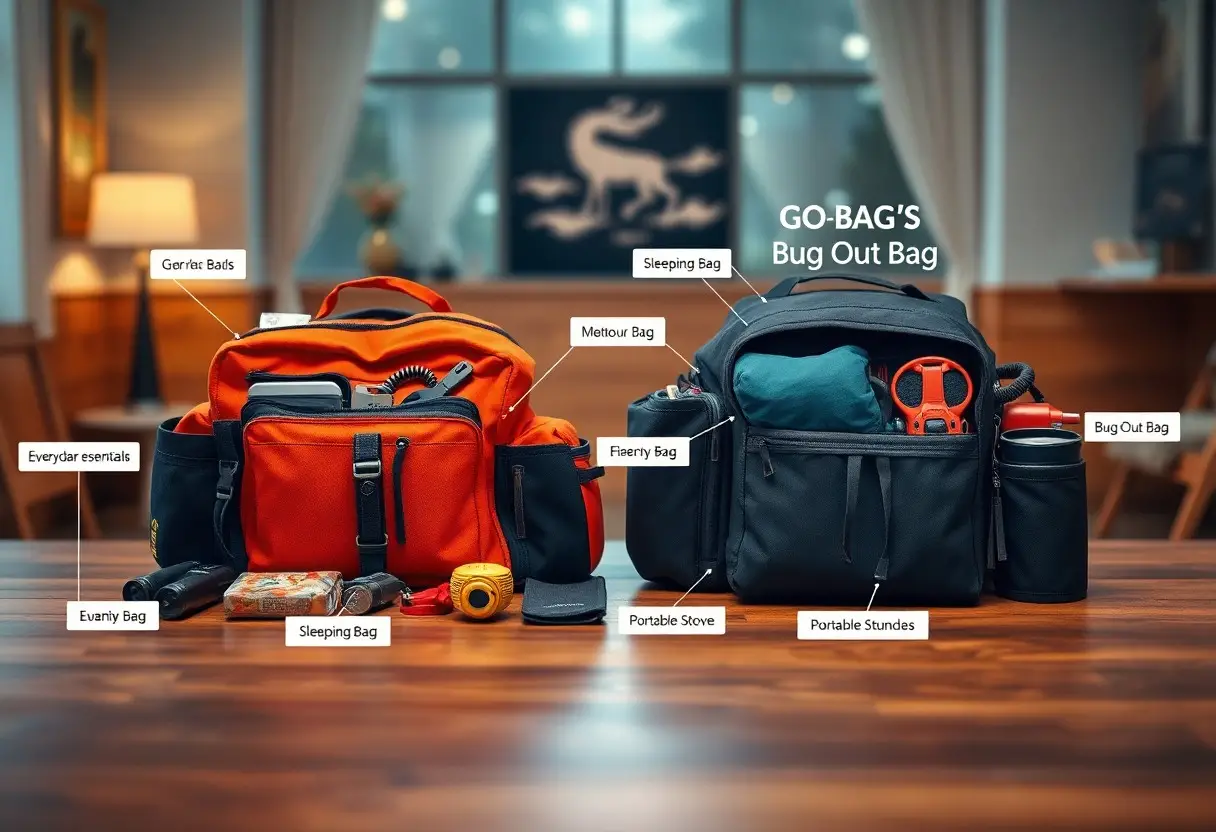
Creating an effective go bag or bug out bag involves careful planning and selection of crucial items. Prioritize multipurpose tools, food with a long shelf-life, and sufficient water supply. Consider your environment, and ensure your bag is lightweight yet durable for ease of transport. Customize your items based on specific needs and potential scenarios you may encounter. Aim for self-sufficiency for at least 72 hours.
- Choose high-quality, durable bags.
- Include first aid kits and emergency tools.
- Pack non-perishable food and water supply.
- Stay updated on local emergencies to tailor your supplies.
- Test your bag’s weight for comfort and usability.
After assembling your bag, familiarize yourself with its contents to ensure you’re prepared for any situation.
Customization and Personalization
Your go bag or bug out bag should reflect your specific needs and circumstances. Include items that cater to your lifestyle, such as medications, specialized gear, or personal identification documents. Personalizing your kit not only enhances its effectiveness but can also provide peace of mind in emergency situations. Take time to consider what truly matters to you and incorporate those elements into your bag.
Regular Maintenance and Updates
Maintaining your go bag or bug out bag is vital for preparedness. Regularly inspect your supplies for freshness, functionality, and any necessary updates. Replace expired food, check the condition of clothing, and ensure batteries in devices are charged. Your preparedness can diminish if your bag isn’t properly maintained, so set a schedule to review and refresh your kit at least every six months.
Establishing a routine for maintenance allows you to adapt to changing circumstances and personal needs. Track your supplies and make gradual updates as new products become available or as your personal situation evolves. This proactive approach ensures that your kit remains relevant and useful when you need it most. Specific items such as food expiration dates or seasonal clothing should be carefully monitored for optimal performance and reliability, reinforcing your preparedness strategy.
Summing up
So, understanding the difference between a Go Bag and a Bug Out Bag helps you make informed choices about your emergency preparedness. A Go Bag is designed for quick, short-term evacuations, whereas a Bug Out Bag is better suited for longer-term survival situations. By assessing your specific needs and situations, you can effectively decide which type of bag is right for you, ensuring you are equipped for any unexpected events that may arise.


