
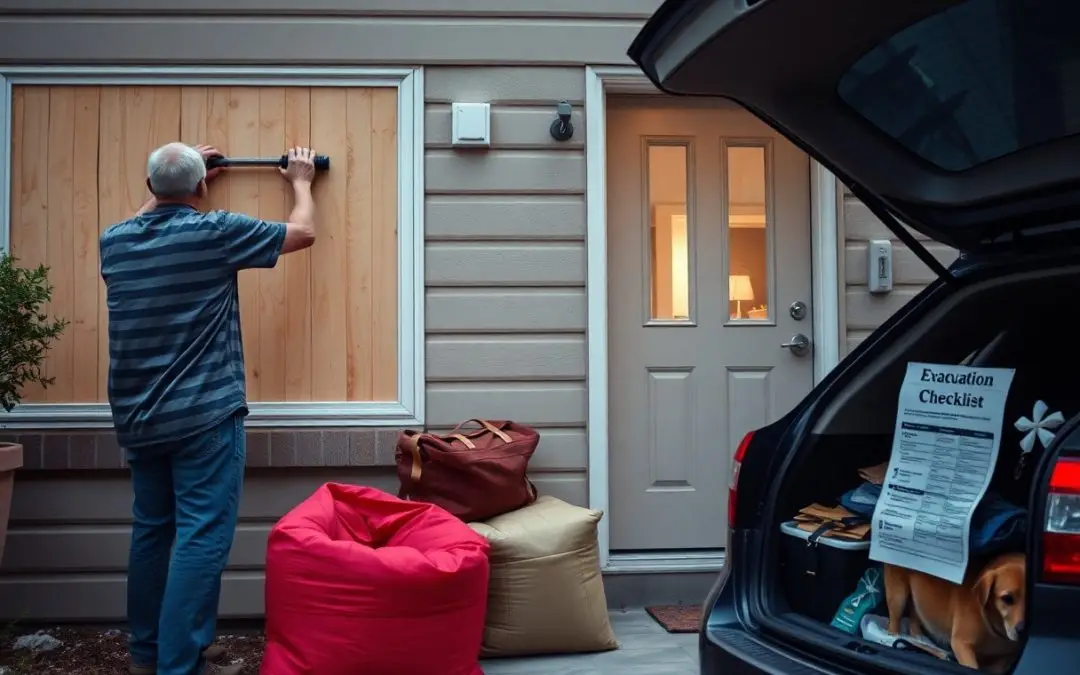
This guide shows you exactly what to do before leaving your home during an emergency. You’ll lock all entry points, shut and secure windows, turn off utilities, and take imperative items. Following these steps protects your property and gives you peace of mind when every second counts.
Assessing Risk Factors and Prioritizing Assets
- Inspect doors, windows, and garage entries for weaknesses
- Review local disaster history and seasonal threats
- Secure identification documents and financial records first
- Unplug non-necessary electronics and appliances
The safety of your family and critical belongings depends on swift, informed decisions before evacuation.
Identifying vulnerable entry points
Start by checking all exterior doors to ensure they have solid frames and functioning deadbolts. Look at ground-floor windows, sliding glass doors, and pet entries-common targets during emergencies. Reinforce weak spots with temporary boarding if time allows. The
Evaluating environmental hazards and utility risks
Wildfires, floods, or storms can escalate quickly, so note nearby vegetation, drainage, and power lines. Gas leaks or electrical shorts pose serious threats if left unattended. Shut off utilities as recommended for your risk type. The
When evaluating environmental hazards and utility risks, focus on what’s most likely to worsen during your absence. If you’re in a wildfire zone, clear dry brush within 30 feet of your home. In flood-prone areas, elevate critical systems and confirm sump pumps are operational. Turn off gas to prevent leaks and shut down electricity at the main breaker to reduce fire risk. These actions protect both your property and emergency responders. The
How-to Guide for Hardening the Home Perimeter
Take action now to strengthen your home’s outer defenses before disaster strikes. A secure perimeter reduces risks from intruders and extreme weather. Focus on entry points, outdoor hazards, and structural weaknesses to ensure your property stays protected while you’re away.
Reinforcing doors and window locks
Inspect every door and window for weak locks or worn frames. Upgrade to deadbolt locks on all exterior doors and install strike plates with longer screws for added resistance. Use security film on glass to prevent shattering and consider adding window bars where appropriate.
Securing outdoor equipment and structures
Anchor loose items like grills, patio furniture, and trash bins to prevent them from becoming hazards in high winds. Store small tools and equipment indoors or in a locked shed. Tie down propane tanks and disconnect hoses to reduce fire risks during emergencies.
Outdoor structures such as sheds, gazebos, and fences are often overlooked but can pose serious risks if not secured. Fasten shed doors with heavy-duty locks and reinforce them with braces if high winds are expected. Trim overhanging branches that could fall and damage roofs or power lines. For freestanding canopies or awnings, disassemble or firmly secure them to withstand storms. By taking these steps, you protect not only your property but also neighboring homes and emergency responders.
Essential Tips for Fire and Water Damage Prevention
- Turn off gas and electricity before leaving
- Clear gutters and test drainage systems
- Seal windows and doors against moisture
- Move valuables to higher ground if flooding is expected
Thou always secure utility connections to reduce risks during extended absences.
Managing gas and electrical supply lines
Shut off your home’s main gas valve to prevent leaks or explosions during emergencies. Locate the electrical breaker box and switch off non-vital circuits to reduce fire hazards. Know where these controls are and how to operate them quickly. This simple action protects your property and first responders.
Clearing gutters and securing drainage systems
Debris-clogged gutters can lead to water backup and structural damage during storms. Remove leaves, twigs, and dirt from all sections of your gutter system. Confirm downspouts direct water at least five feet away from your foundation. You prevent avoidable flooding with a few minutes of inspection.
Overflow from blocked gutters often damages roofing, siding, and foundation walls over time. Ensure each segment slopes correctly toward downspouts and fasteners are secure. Install mesh guards if your home sits near trees. Proper drainage maintains your home’s integrity when heavy rains hit, reducing the chance of interior water intrusion.

Protecting Valuables and Documentation
Keep your most important items safe by storing them in secure, easily accessible locations. You should always prioritize documents like passports, birth certificates, insurance policies, and financial records. Taking a few minutes to organize these items can save significant time and stress during recovery.
How-to use fireproof safes and digital backups
Place imperative paper documents in a fireproof and waterproof safe rated for both fire and flood protection. You should also scan and encrypt copies of these files, storing them in a secure cloud service with strong two-factor authentication enabled. This dual approach ensures access even if the physical safe is compromised.
Inventorying assets for insurance purposes
Create a detailed list of your belongings, including serial numbers, purchase dates, and estimated values. Use your smartphone to record video walkthroughs of each room, capturing visible items and their condition. This record supports faster claims processing after a disaster.
Start by moving systematically through each room, noting high-value electronics, jewelry, furniture, and collectibles. Attach receipts or photos where possible, and store the inventory in a cloud folder shared only with trusted family members. Insurers often require proof of ownership and value, and having this documentation ready removes guesswork during stressful times. Update the list annually or after major purchases to keep it accurate.
Strategic Factors for Deterring Intruders
- Secure all entry points with strong locks
- Install motion-sensor lighting around vulnerable areas
- Use visible security signage even if you don’t have a system
- Ask a trusted neighbor to watch your property
Recognizing that an unsecured home invites risk helps you take the right preventive steps before you leave.
Implementing smart home lighting schedules
You can program indoor lights to turn on and off at different times, mimicking your usual routine. This simple automation makes it harder for outsiders to know you’re gone. Timed lighting works best when combined with other deterrents.
Maintaining a lived-in appearance during absence
You should stop mail and newspaper delivery or have someone collect them daily. Park a car in the driveway and leave a radio playing softly indoors. These cues signal activity and reduce the chance of unwanted attention.
Leaving curtains slightly open at consistent times gives the impression someone is home. Avoid posting about your evacuation on social media, as public updates can alert opportunists. Combine timed lights, maintained outdoor spaces, and occasional vehicle movement to strengthen the illusion of occupancy. Small, consistent actions make a meaningful difference in discouraging break-ins.
Tips for a Successful Final Walkthrough
- Check all rooms to ensure no one is left behind.
- Turn off appliances and unplug non-crucial electronics.
- Secure windows and lock exterior doors.
- Verify security system connectivity.
- Confirm the evacuation checklist completion.
The peace of mind you gain from a methodical walkthrough is unmatched.
Verifying security system connectivity
Test your alarm system to confirm it’s armed and communicating with the monitoring service. Check that cameras are powered and recording. A quick glance at the app or control panel ensures everything is active. The last thing you want is a blind spot during your absence.
Confirming the evacuation checklist completion
Review your printed or digital checklist to ensure every task is marked complete. From shutting off utilities to securing pets, each item matters. The confidence of knowing you didn’t overlook a step makes all the difference.
Going beyond a simple check, take a moment to physically verify each item on your evacuation checklist. Did you lock the garage? Is the water heater off? Walk through each point as if you’re double-checking for someone else. This hands-on review catches oversights and ensures nothing slips through the cracks.
To wrap up
You secure your home before evacuating by locking all doors and windows, turning off utilities like gas and electricity, and unplugging appliances. Leave a note with your contact information inside the house. Take vital items with you and confirm your evacuation route. Your safety and preparedness make all the difference.


