
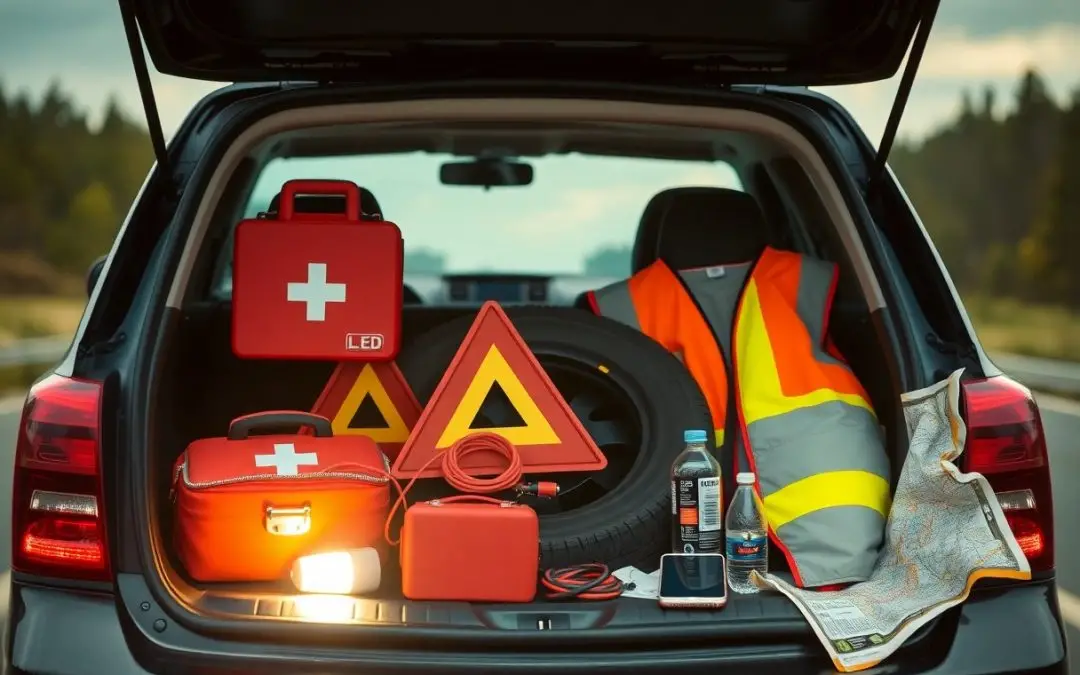
Many travelers overlook the importance of preparing for emergencies before hitting the road. You can face unexpected weather, mechanical failures, or medical issues anywhere. Being ready means you stay safe and in control. This guide shows you practical steps to prepare effectively for any journey.
The Preparation of the Machine
Vehicle Inspection
Your car carries more than just luggage-it holds your safety. Schedule a full mechanical checkup before departure, focusing on brakes, tires, battery, fluids, and lights. A trusted mechanic can spot hidden issues that might become roadside emergencies. Don’t wait for a warning light-proactive checks prevent breakdowns.
The Provisions for the Body
Water and Hydration
You need clean water more than you think, especially in extreme temperatures or after physical exertion. Carry at least one liter per person per day, and pack a portable filter or purification tablets as backup. Dehydration impairs judgment and stamina-both imperative when dealing with unexpected delays.
Food Supplies
High-calorie, non-perishable foods like nuts, energy bars, and dried fruit sustain energy without refrigeration. Choose items with minimal packaging and long shelf lives. Eating regularly helps maintain body temperature and mental clarity when stranded or rerouted.
Medications and Health Items
Your prescription medications should be packed in a clearly labeled container, with extra supply if possible. Include motion sickness tablets, pain relievers, and allergy medicine. A small personal health log with dosages and conditions aids care if you’re unable to communicate.
The Defense Against the Night
Darkness changes everything on the road-distances blur, hazards hide, and fatigue sets in faster than you expect. You need reliable lighting to stay safe when the sun goes down. Pack a high-lumen flashlight, extra batteries, and a headlamp for hands-free visibility during emergencies. Keep these items within reach, not buried in your luggage. A well-lit perimeter around your vehicle gives you control when everything else feels uncertain.
The Knowledge of the Way
You know your route shapes the safety and success of your journey. Study maps ahead of time, even if you use GPS-signals fail in remote areas. Keep physical maps in the car and mark alternate roads. Understand regional driving laws and weather patterns along your path. Knowing what lies ahead lets you adjust plans confidently when surprises arise.
The Call for Assistance
Knowing when and how to call for help can make all the difference during a roadside emergency. Your phone should be charged and stored with emergency contacts easily accessible. If you break down, pull over safely, turn on your hazard lights, and call for roadside assistance immediately. Stay with your vehicle unless it’s unsafe, and keep identification handy when help arrives.
The Discipline of the Spirit
Mental Resilience on the Road
You stay calm when unexpected delays arise because preparation includes emotional readiness. Your mindset shapes how you respond when routes change or weather turns. You accept discomfort without resistance, knowing it’s part of the journey. You breathe deeply when stress creeps in, grounding yourself in the present. This inner stability keeps decisions clear and actions effective.
Summing up
Presently, you are responsible for your safety on every journey. Emergency preparedness for traveling and road trips means packing necessarys, knowing your route, and having communication tools. You reduce risks by planning for weather, mechanical issues, and health needs. Your awareness and preparation ensure a safer, more controlled experience on the road.


