
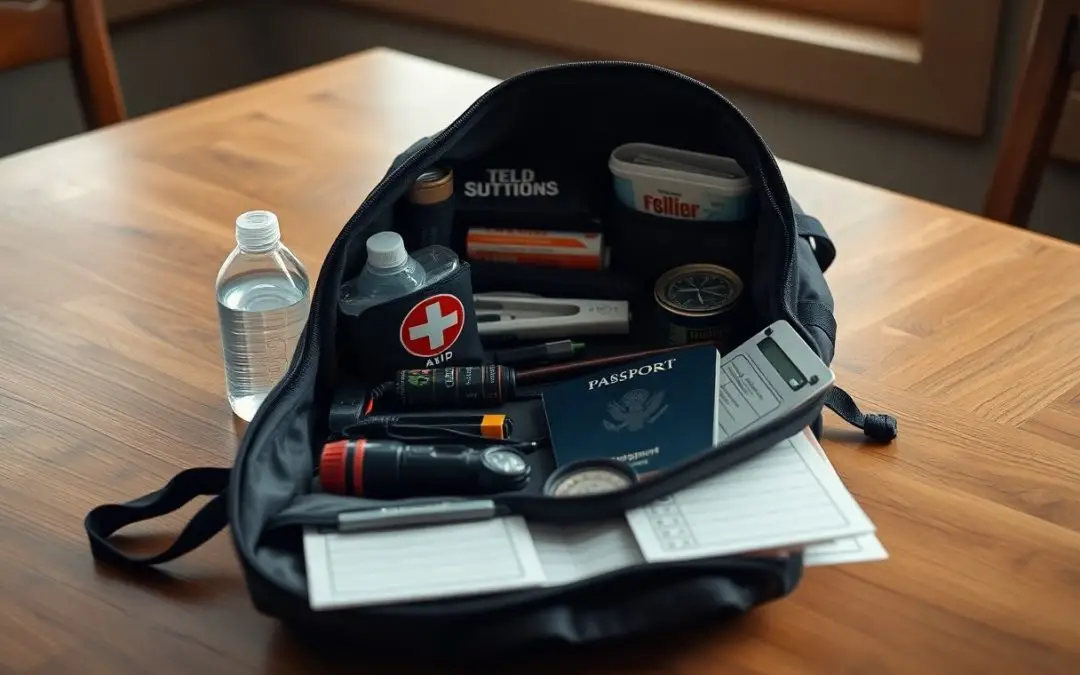
Just because emergencies are unpredictable, you should have a fully stocked go bag ready so you can act immediately without wasting time or judgment under stress. Your pre-packed kit ensures imperative supplies, documents, and medications are accessible, lets you prioritize safety and evacuation, and reduces decision fatigue so you can focus on protecting yourself and loved ones.
The Importance of Preparedness
When an emergency gives you only minutes to act, having a prepacked go bag means you can leave immediately with vitals that sustain you for the first 72 hours-FEMA’s baseline. You should include one gallon of water per person per day, medications, backup power (portable charger), cash, copies of IDs and insurance, and a compact first-aid kit. Storing the bag in an accessible place and checking it every 6-12 months keeps it ready when services like power and water are interrupted.
Understanding Emergencies
Emergencies vary from sudden events like flash floods, wildfires, or industrial accidents to slower-developing situations such as prolonged power outages; you need to plan for both rapid evacuations and short-term sheltering in place. Evacuation windows can shrink to minutes during fast-moving wildfires, so prioritize grab-and-go items, maintain local emergency alerts on your phone, and know two escape routes from home and work to reduce delay and confusion.
The Role of a Go Bag
A go bag functions as your immediate continuity kit: it keeps life-sustaining supplies together so you don’t waste time assembling them under stress. You should tailor yours to family size and special needs-include pediatric formula, extra hearing-aid batteries, or 7 days of prescription information if someone needs ongoing medication-and position it where everyone in your household can access it quickly.
Practical details matter: use a durable backpack, keep documents in waterproof sleeves, and rotate perishable items like food and meds every 6-12 months. Add multi-use tools (knife, duct tape), a lightweight tarp, local paper maps, and an emergency contact list. Test-carry the bag to confirm you can move comfortably for several blocks; that small trial reveals overpacking issues before you face a real evacuation.
Essential Items for Your Go Bag
Pack to sustain you and your household for at least 72 hours: 3 liters of water per person per day (about 9 liters for three days), three days of shelf-stable food, a 20,000 mAh power bank, a 200‑lumen flashlight with extra batteries, a multipurpose tool, and a compact first‑aid kit.
Basic Supplies
Include items that address shelter, hygiene, and tools: a Mylar emergency blanket, 10-15 feet of paracord, a lightweight tarp or poncho, water purification tablets, a small alcohol‑based hand sanitizer, a headlamp with spare batteries, waterproof fire starters, and a compact stove plus fuel if you expect to cook.
Personal Needs
Keep at least a 72‑hour supply of prescription medications in original containers, copies of your ID and insurance (physical and encrypted USB), cash in small bills (at least $100), spare eyeglasses or contacts, and specific items for infants or pets such as formula, diapers, or a leash and carrier.
Label medications with dosages and allergies and include a printed medication list you can hand to responders; you should store encrypted digital copies of passports and medical records on a USB and in the cloud, keep emergency contacts and physician numbers on paper, and rotate perishable personal items every six months to avoid expired supplies.
Tailoring Your Go Bag to Your Lifestyle
If you commute, prioritize a lightweight pack with a phone charger, transit card, portable battery (10,000 mAh), and a 72-hour water/food kit; if you work outdoors include sun protection, sturdy gloves, and an emergency poncho; if you travel frequently keep a compact first-aid kit, travel-sized toiletries, and copies of your passport; aim to keep the bag under 10 kg (22 lb) so you can move quickly when needed.
Family Considerations
For families, assemble individual kits plus a shared pack: pack three days of infant formula and at least 48 hours of diapers for babies, a week’s worth of medication lists and a 7-day supply when feasible for chronic conditions, comfort items for children, and pet food/waste supplies; store birth certificates, insurance cards, and an emergency contact list in a waterproof sleeve so you can evacuate together without hunting for documents.
Specific Scenarios
If you live near wildfire zones carry N95 masks, goggles, and a headlamp; coastal residents should add a waterproof bag, hand-crank radio, and extra batteries for storm power outages; in winter-prone areas include an ice scraper, small shovel, thermal blanket, and chemical hand warmers; always pack 2 liters of water per person per day and plan for at least 72 hours of self-sufficiency.
Drill scenario-based checklists: create separate car, home, and workplace kits, rotate food and batteries every 6-12 months, and keep a printable medication list updated every 90 days; after the 2018 Camp Fire many evacuees reported needing masks, prescription lists, and copies of IDs-use local hazard maps and emergency management advisories to prioritize which scenario items you pack first.
Regular Maintenance of Your Go Bag
Checking Expiration Dates
Do a full pass twice a year-spring and fall. Check your food (canned goods 2-5 years, dehydrated meals 1-5 years depending on packaging), water (replace every 12 months unless commercially sealed), medications and prescriptions (follow labels; EpiPen ~18 months), batteries (alkaline 5-10 years; swap every 3-5 years in frequently used gear), and first-aid supplies (sterile dressings usually expire within 3-5 years). Mark inspection dates on a log inside your bag.
Updating Contents
Update contents after life changes and season shifts: swap your heavy coat for a lighter jacket, add infant formula or diapers if you have a baby, include pet food and a leash, and replace used toiletries. Keep a digital and paper inventory with purchase dates and one photocopy of IDs and prescriptions. You should aim to keep the bag manageable-about 10-20 lb for most adults-and pack a 10,000 mAh power bank, waterproof matches, and $100 in small bills.
Every six months run your inventory: cross off used items, vacuum-seal seasonal clothes, rotate canned goods using FIFO, check the bag’s weight on a scale, store duplicate items in your car or office, use silica gel packs, refresh batteries, update your emergency contact list and add recent photos, and test your headlamp and stove. For example, after switching jobs you may need to add copies of workplace ID and extra socks-small adjustments like these prevent glaring gaps when you need the bag.
Tips for Quick and Efficient Packing
When time is limited, strip tasks to crucials: pack a 72-hour kit, spare phone charger (10,000 mAh), basic first aid, one change of clothes and important documents in a single grab-and-go pouch. Use a printed checklist taped inside the lid and place high-priority items in an outer pocket so you can see them instantly. Practice a timed drill-aim for under three minutes to assemble your go bag from staged supplies. Recognizing that rehearsal and visible organization cut panic and shave minutes when every second matters.
- Keep a laminated checklist inside the bag for fast verification.
- Prepack toiletry and medication kits in labeled zip bags.
- Store electronics and chargers in a single, waterproof pouch.
- Designate an outer pocket for ID, cash, and keys.
- Run a monthly 3-minute packing drill to maintain speed.
Organization Strategies
Use packing cubes (1-3 per bag) to separate clothing, shelter, and hygiene items so you can grab sets quickly; put medications and documents in 1‑liter clear zip bags for visibility. Rotate perishable items twice yearly and update batteries every 6-12 months, noting expiration dates on your checklist. Assign color codes-red for medical, blue for electronics-to speed decisions under stress, and keep weight concentrated near the pack’s spine to maintain balance while you move.
Choosing the Right Bag
Pick a bag sized to your needs: 20-35 liters for daily commuting, 35-50 liters for extended displacement, larger if you’re packing for family members. Prioritize water-resistant fabric, lockable zippers, a padded back, and a sternum or hip strap to distribute 15-25 lb loads comfortably. Test-fit with 10-15 lb of gear to ensure shoulder straps and hip belt align with your torso length and feel stable during a 10-15 minute walk.
Also weigh features like modular attachment (MOLLE) versus simple internal pockets-MOLLE adds customization but can increase weight. Choose materials such as 500D Cordura or TPU-coated nylon for abrasion and moisture resistance, and inspect seam seals and zipper quality: a broken zipper ruins a go bag faster than worn-out contents. Adjust harness settings and practice carrying a loaded pack so you know how it affects your center of gravity before an emergency.
Real-Life Examples of Go Bag Necessity
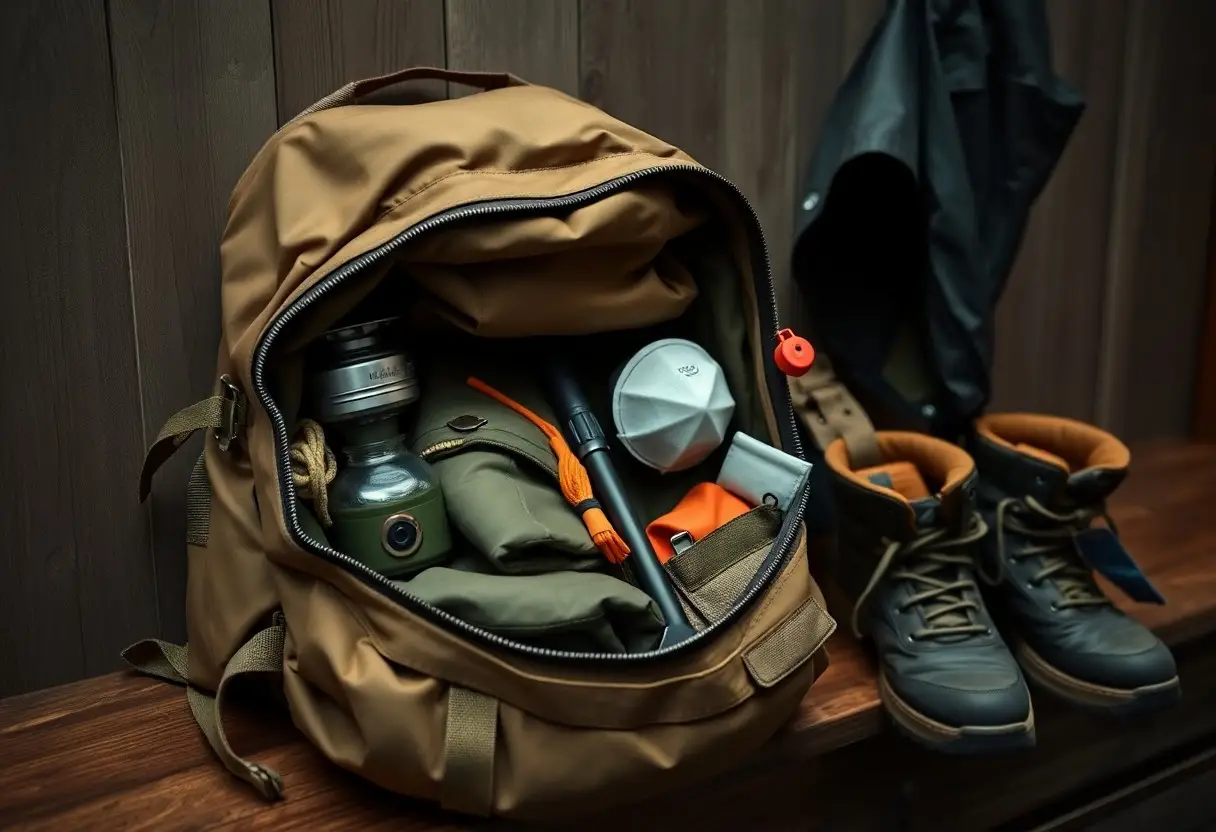
Case studies show a stocked go bag changes outcomes: during Hurricane Harvey (2017) millions faced flooding and damages exceeding $125 billion, and the 2018 Camp Fire in California forced over 50,000 people to evacuate within hours; you can avoid scrambling for imperatives and reduce stress by having a 72-hour kit, water, basic meds and copies of IDs ready to grab immediately.
Natural Disasters
Hurricanes, earthquakes and wildfires often leave you with minutes to act; Hurricane Harvey produced localized rain totals above 50 inches, and some wildfire evacuations give under an hour’s notice, so your bag should include waterproof storage, a 10,000 mAh charger, a headlamp, three days of food and 3 liters of water per person per day so you can be self-sufficient while infrastructure recovers.
Unexpected Evacuations
Industrial accidents, sudden flooding or rapidly spreading fires can force immediate exits; in many incidents people had 20-60 minutes to leave and lost time when searching for documents or pet supplies, so you should keep prescriptions, cash, a pet carrier and emergency contacts in your go bag to streamline a fast departure.
You should also prioritize practical prep: keep scanned IDs and insurance PDFs in the cloud and on a USB, maintain at least $200 in small bills, rotate medications and food with your twice-yearly checks, store a filled gas can or keep your vehicle at least half full when wildfire season peaks, and position the bag by your main exit so grabbing it costs seconds, not minutes.
Final Words
As a reminder, you need a packed go bag before an emergency so you can act quickly, reduce stress, and protect your family; having imperatives organized and accessible lets you leave immediately, maintain communications, and meet basic needs until help or stability returns, so review and update contents regularly to ensure your kit matches your risks and responsibilities.


