
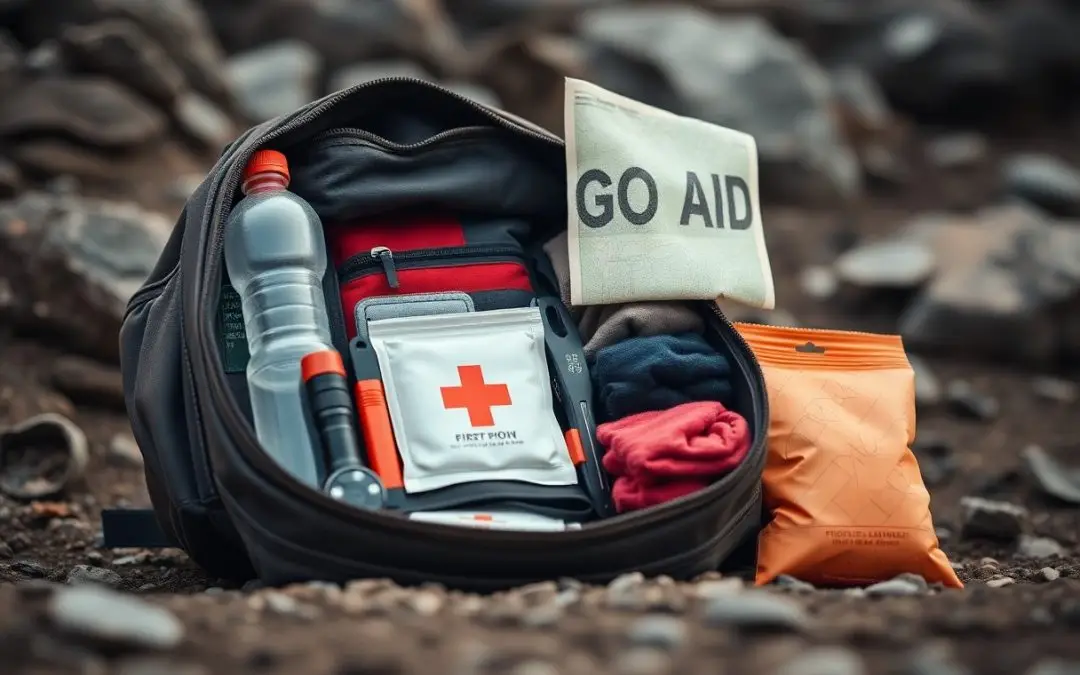
Many people underestimate the importance of a well-prepared go bag. In today’s unpredictable world, having a go bag ready can be a game-changer in emergency situations. This guide will equip you with vital items to include in your go bag, ensuring you have everything necessary for your safety and comfort. From survival gear to personal documents, you’ll learn how to tailor your go bag to your specific needs and circumstances, making your preparedness plan both effective and efficient.
Crafting the Essential Go Bag Framework
The framework of your go bag serves as the backbone for effective emergency preparedness. A well-organized structure ensures that you can access items quickly when time is of the essence. Think about categorizing supplies according to their use, such as shelter, food, first aid, and tools. This logical organization not only saves valuable minutes but also helps you mentally prepare for diverse scenarios, whether you face an evacuation or an unexpected overnight stay.
Key Factors to Consider When Packing
Take into account several key factors to optimize your go bag. Focus on weight, volume, and adaptability to various situations:
- Prioritize lightweight materials to prevent fatigue.
- Choose versatile items that serve multiple purposes.
- Incorporate imperatives tailored to your personal needs or those of your family.
Perceiving these factors allows you to create a go bag that meets your unique circumstances.
Basics of Bag Selection: Size, Durability, and Accessibility
Selecting the right bag is foundational to your go bag’s effectiveness. The size should comfortably fit all necessary items without being cumbersome. Durability matters; opt for weather-resistant materials that withstand wear and tear. Accessibility is key—choose a bag with multiple compartments for easy organization and quick retrieval. Striking the right balance between these elements ensures your go bag is not only practical but can also endure the demands of emergency situations.
A go bag needs to be compact enough to carry yet spacious enough to hold critical supplies. Aim for a backpack-style bag that provides even weight distribution, minimizing strain during transport. High-denier nylon or similar materials enhance durability, providing resistance against the elements. Incorporating external pockets promotes quick access to frequently used items, while internal compartments keep everything organized. This optimal selection process leads to a go bag that is functional and reliable when it matters the most.
Fundamental Items Every Go Bag Should Contain
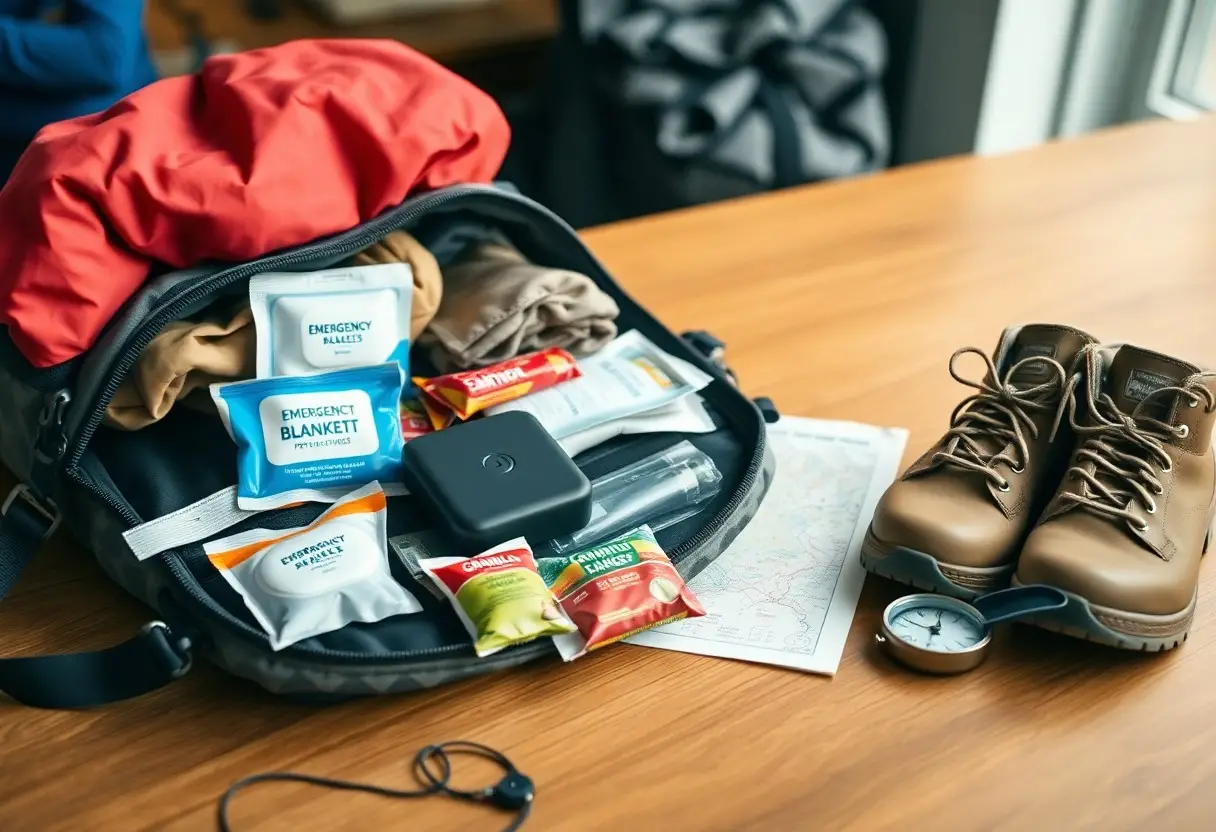
Your go bag needs to be equipped with important items that ensure your safety and survival in emergencies. Water purification methods, non-perishable food, a flashlight with extra batteries, and a whistle are foundational components. Additionally, you should include personal hygiene items and a portable phone charger. Assess the specific risks of your environment to tailor your bag to your needs, so you’re ready for any situation.
Shelter and Warmth: The Basics for Survival
When faced with unexpected challenges, adequate shelter and warmth can mean the difference between comfort and peril. A lightweight emergency blanket, tarp, or bivvy sack will provide important protection from the elements. Include a compact sleeping bag rated for low temperatures and fire-starting materials like waterproof matches or a lighter. These items will help you create a safe haven while conserving body heat in dire circumstances.
Essential Tools and Gear: From Multi-tools to First Aid Kits
Your go bag requires a variety of important tools that support a wide range of needs in an emergency. A high-quality multi-tool offers versatility for tasks such as food preparation, repairs, and medical care. Pair this with a well-stocked first aid kit that includes bandages, antiseptics, and an emergency blanket. A portable water filter or purification tablets, along with a lightweight shovel or saw, can also enhance your preparedness significantly.
Including a multi-tool in your go bag elevates your problem-solving capabilities in emergencies. Look for multi-tools with features like pliers, screwdrivers, and knife blades, which handle various tasks efficiently. A first aid kit should contain not only basic supplies but also personalized medications and any specific items tailored to your health needs. Ensure your kit is organized for quick access – prioritize life-saving items like tourniquets and hemostatic dressings. A tactical flashlight can prove invaluable, offering visibility during nighttime situations or power outages. Proper tool selection will empower you to navigate challenges effectively and increase your resilience in crises.
Food and Water: Sustenance on the Go
Your go bag should include food and water that sustain you in emergencies. Whether you’re evacuating from a natural disaster or facing an unexpected situation, having nutritious and long-lasting supplies ensures your energy is maintained. Aim for a balance of protein, carbohydrates, and fats, while keeping lightweight and compact options in mind. Don’t overlook the importance of hydration; water is necessary, so pack accordingly to stay refreshed and functional.
Choosing Non-Perishable Food Options
Select non-perishable food that requires minimal preparation and can withstand temperature fluctuations. Options include energy bars, dried fruits, nuts, vacuum-sealed meals, and canned goods. Choose items high in calories and nutrients, as these will provide the necessary energy. Always check expiration dates and rotate your stock regularly to ensure freshness, keeping your supplies ready for any situation.
Water Purification Methods and Accessories
Access to clean water is vital; equip your go bag with various purification methods. Consider a portable water filter, iodine tablets, or UV light sanitizers. Filters can remove bacteria and protozoa, while tablets are lightweight and easy to store. Do not forget, having a backup method ensures your safety, allowing you to drink freely from questionable sources.
In-depth understanding of water purification methods can significantly impact your survival. Portable water filters, such as those from reputable brands, can filter out 99.9% of bacteria and protozoa, making them a reliable option during emergencies. Iodine tablets, while effective, may require a wait time for safe consumption, so factoring in the required treatment duration is necessary. UV light sanitizers are another modern alternative, killing pathogens within minutes. Carrying multiple purification options ensures you’re prepared for varying water sources, increasing your overall resilience in the field.
Personalizing Your Go Bag: Tailoring to Specific Needs
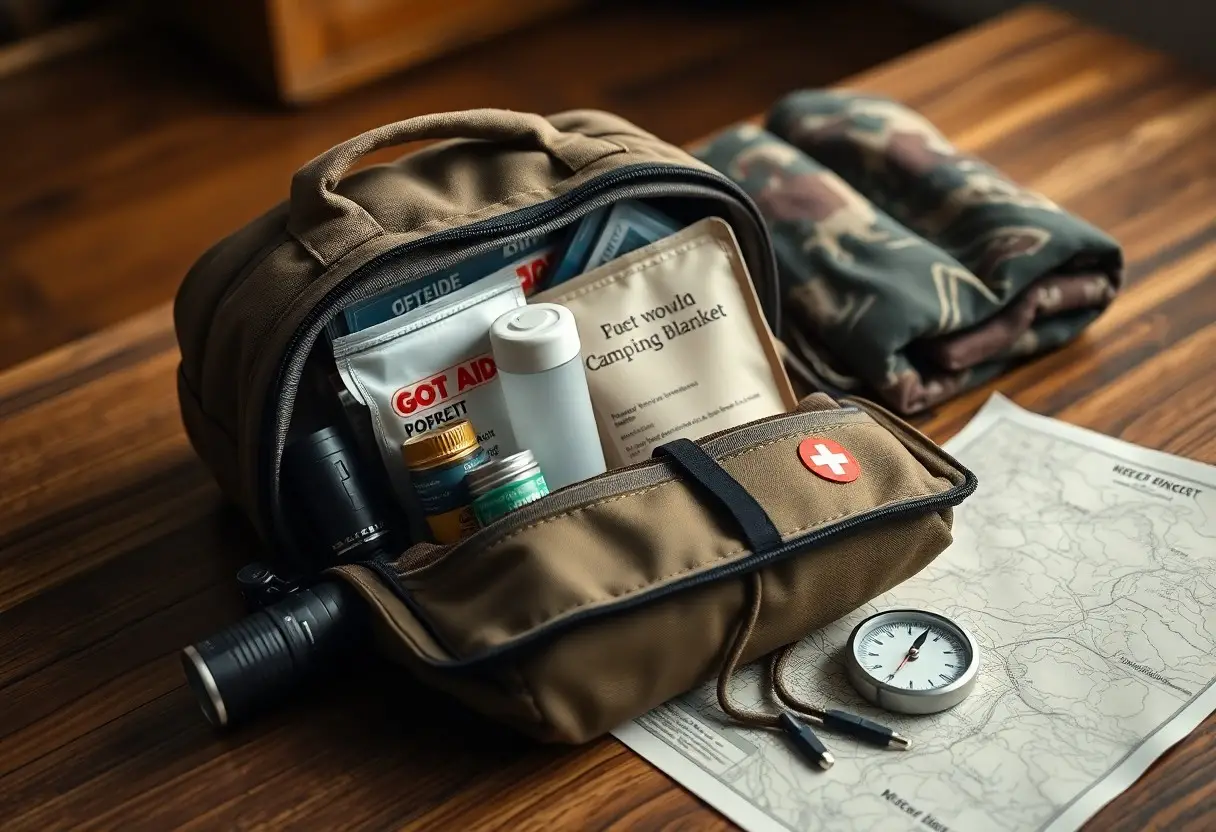
Personalization enhances the effectiveness of your go bag, ensuring it meets your unique circumstances. Consider your environment, family dynamics, and potential emergencies to curate a kit that supports you best. Tailor each item’s purpose and usefulness based on individual needs, from first aid supplies to comfort items. Integrate personal preferences and requirements to maintain motivation and morale during challenging situations.
Family Considerations: Packing for Everyone
When planning for a family, assess each member’s age and specific needs. Include items like medications, extra clothing, and special comfort items for children. Designate a section of your go bag for importants for pets, if applicable. Involving family members in the packing process creates a sense of responsibility and readiness, ensuring everyone understands what’s available and how to use it during emergencies.
Specialized Gear for Different Scenarios: Urban vs. Wilderness
Your go bag contents will vary significantly depending on whether you’re in an urban or wilderness setting. Urban environments may require more specialized gear, like personal security items and compact communication devices, while wilderness scenarios demand more robust survival tools and outdoor-specific supplies. Assess the type of emergencies likely in your area to guide your packing decisions.
Expanded Details on Specialized Gear for Different Scenarios: Urban vs. Wilderness
In urban emergencies, consider items such as tactical flashlights and portable phone chargers, which support both navigation and communication. Compact emergency blankets and multi-tools aid in comfort and versatility. Wilderness survival, however, requires gear like water purification systems, fire-starting kits, and sturdy cutting tools. Understanding your locale enhances decision-making; for instance, a city resident might prioritize urban shelter resources, while someone in a rural area should focus on tools for food procurement and personal safety against wildlife. Tailor your gear selection accordingly to absolutely prepare for the specific environment you face.
Regular Maintenance: Keeping Your Go Bag Ready
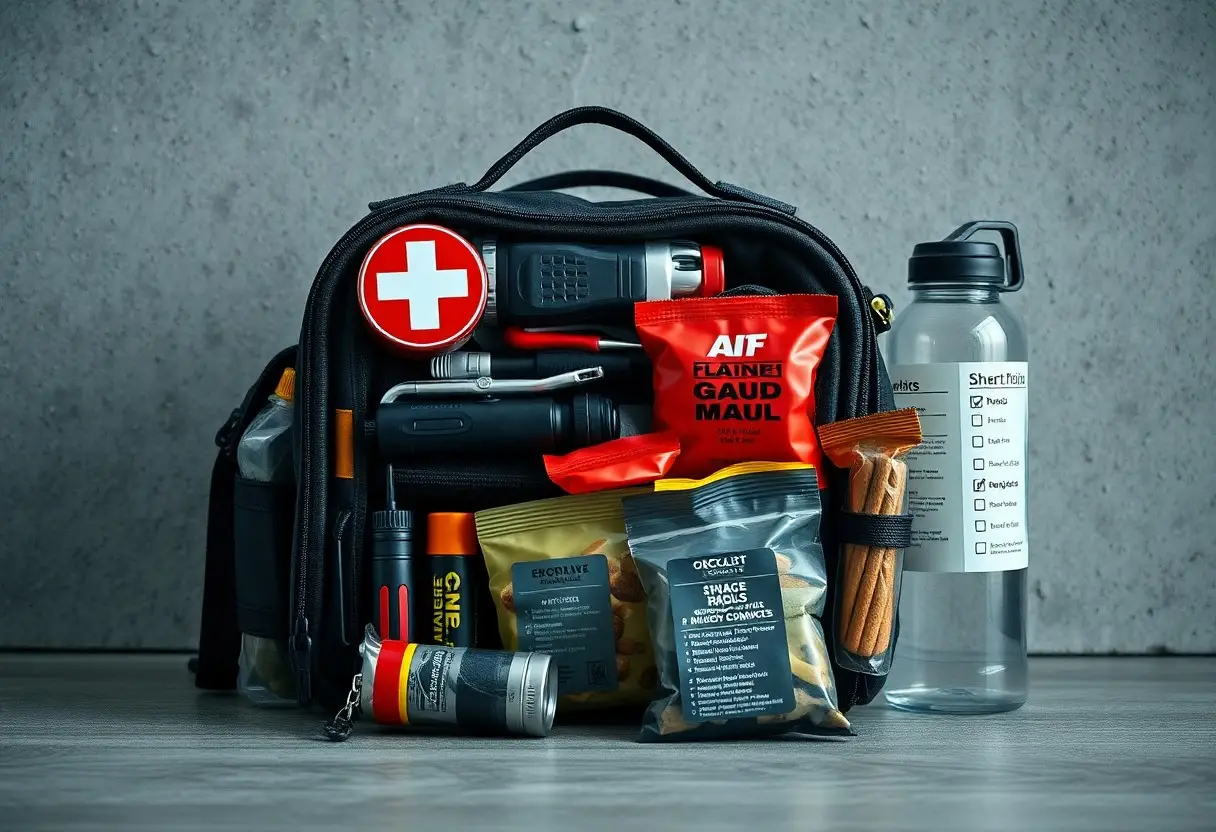
Your go bag demands regular attention to ensure it remains a reliable lifeline in emergencies. Schedule periodic checks to inspect the contents and replace any items that may have expired or been used. Routine maintenance helps you stay prepared, as a neglected bag can quickly lose its effectiveness during critical moments.
Periodic Inventory Checks and Updates
Conducting periodic inventory checks is vital for maintaining your go bag’s readiness. Every six months, review each item, ensuring food and medical supplies remain fresh and intact. Replace water every 6-12 months, depending on the container type, and update any gear based on evolving personal needs or preferences.
Adapting to Changing Conditions and Seasons
Seasons dictate specific needs in your go bag. Adjust your items based on weather patterns, adding blankets and thermal gear for winter and sunscreen or insect repellent for summer. Awareness of local natural disasters—like hurricanes, wildfires, or snowstorms—guides you in adapting the contents to suit potential emergencies you may face.
For instance, if you live in an area prone to winter storms, it’s wise to include additional items like hand warmers, a shovel, or snow gear. Conversely, in warmer months, focus on hydration options, lightweight clothing, and bug protection. Tailoring your go bag for seasonal conditions maximizes your preparedness, ensuring it meets your needs when emergencies arise.
To wrap up
With these considerations in mind, you can effectively assemble a go bag that meets your specific needs. Prioritize imperative supplies, ensure you include items for safety and comfort, and tailor the content to your unique circumstances. Regularly update your go bag to adapt to changing situations, and practice using it to ensure you’re prepared for emergencies. By following this guide, you’ll have peace of mind knowing that you’re ready for whatever may come your way.


