
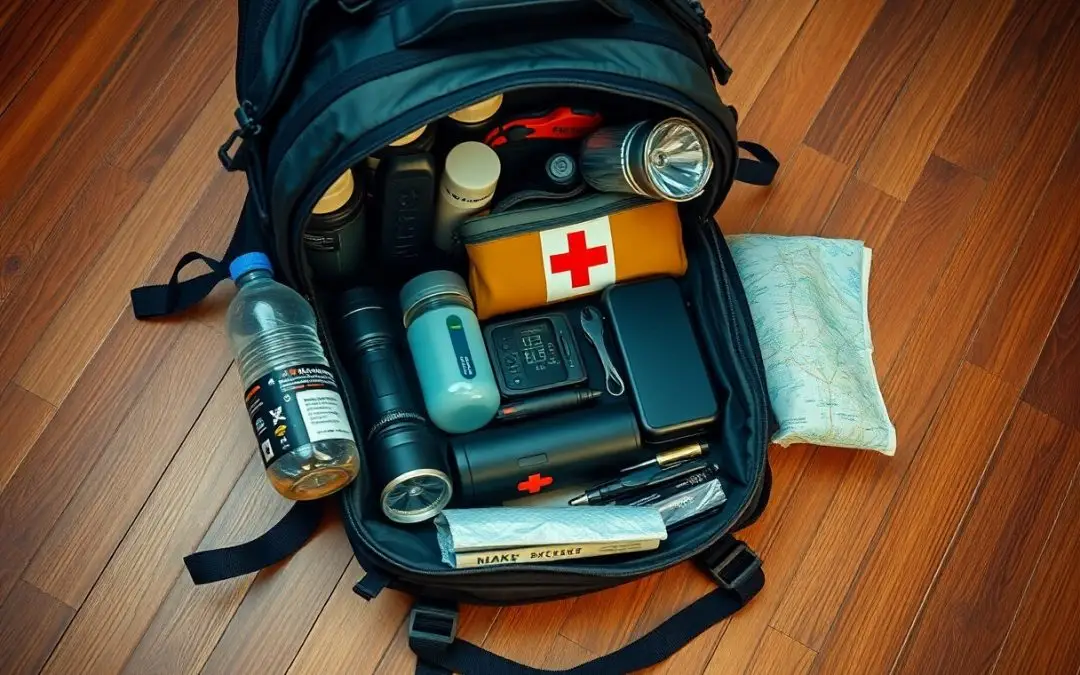
Preparation helps you build an emergency go bag with necessarys like water, first aid, tools, and copies of documents so you can evacuate quickly and sustainably when needed.
Essential Hydration and Nutrition
Pack a dependable water supply, purification tools, and high-calorie food so you can sustain yourself for at least 72 hours; include a small stove, utensils, and electrolyte packets to avoid dehydration and energy dips.
Water Purification and Filtration Systems
Use compact gravity or pump filters, iodine or chlorine tablets, and portable UV purifiers so you can treat questionable water sources safely; carry spare filters and test strips.
High-Calorie Emergency Food Rations
Choose calorie-dense bars, MREs, and dehydrated meals that require minimal water or cooking so you can preserve energy during prolonged outages.
Store three days’ worth per person, rotate stock before expiration, and select options with balanced macros and clear allergy labels so you can ration effectively; rehearse portioning and heating to avoid surprises.
Shelter and Environmental Protection
Your shelter kit should include a lightweight tarp, emergency blanket, compact tent or bivvy, and durable cordage so you can shield yourself from wind, rain, sun, and cold.
Compact Sleep Systems and Emergency Bivvies
Pack a 3-season sleeping bag or insulated emergency bivvy and a closed-cell foam pad so you can sleep with minimal bulk and retain warmth during short-term displacement.
Climate-Specific Clothing and Outerwear
Select moisture-wicking base layers, insulating mid-layers, and waterproof outerwear matched to likely conditions so you can stay dry, warm, and mobile when weather turns.
Prioritize layering: choose breathable synthetics or linen for heat, merino or fleece for cold, and a lightweight, waterproof shell for rain. Include spare socks, gloves, and a hat, and store clothing in waterproof bags so you can change into dry garments and maintain core temperature with minimal fuss.
First Aid and Medical Supplies
Pack a compact, well-stocked first aid kit with bandages, antiseptic wipes, tweezers, tape, sterile dressings, and a basic guide so you can address common injuries quickly.
Trauma Management and Basic Medical Kits
Include a compact trauma kit with pressure dressings, tourniquet, hemostatic gauze, and gloves so you can control heavy bleeding and stabilize severe wounds until help arrives.
Prescription Medications and Hygiene Essentials
Secure an extra month of prescription medications, a list of dosages and doctors, plus basic hygiene items so you can manage ongoing conditions and maintain cleanliness during displacement.
Keep medications in original labeled containers and rotate them regularly to monitor expiration dates; include a small cooler or insulated pouch for temperature-sensitive drugs. Add over-the-counter backups for pain, allergy, and stomach upset, plus hand sanitizer, soap, toothpaste, feminine supplies, and spare contact supplies so you can maintain hygiene and medication routines.
Navigation and Communication Tools
Keep compact tools that let you orient, call for help, and get updates: paper maps, a compass, a multi-band emergency radio, spare batteries, and a hand crank or solar charger for your phone.
Analog Maps and Compass Navigation
Carry waterproof paper maps and a quality compass; practice reading grid references and bearings so you can find direction when electronics fail.
Emergency Radios and Power Solutions
Pack an AM/FM/NOAA weather radio with hand-crank and battery options, plus spare batteries and a compact power bank offering solar or crank charging for your devices.
Select a radio with NOAA alerts and multiple bands so you receive official information without mains power; bring extra AA/AAA or a dedicated rechargeable pack and a high-capacity power bank (10,000-20,000 mAh) with USB-A and USB-C outputs. Include a small solar panel or hand crank, necessary cables and adapters, and consider FRS/GMRS or ham radios for local voice contact while checking licensing requirements. Store everything in a waterproof pouch and test gear periodically.
Multi-Tools and Survival Hardware
Pack a compact selection of multi-tools and survival hardware so you can tackle repairs, shelter, and utility tasks. Prioritize a quality multi-tool, spare blades, heavy-duty paracord, small carabiners, a wire saw, and duct tape strips to keep your bag versatile and ready for field repairs.
Fixed Blade Knives and Multi-Purpose Tools
Choose fixed-blade knives and multi-purpose tools with full tang construction and comfortable grips; these offer reliable cutting, batoning, and prying. Include a compact hatchet or pry bar if space allows, and keep blade oil, a sheath, and a small sharpening stone in your bag.
Fire Starting Kits and Illumination Gear
Include multiple ignition methods-waterproof matches, a lighter, ferrocerium rod, and cotton-wrapped tinder-to ensure fire options in wet conditions. Add a compact headlamp, spare batteries, and a small LED flashlight so you can signal, read maps, and work hands-free.
Stock multiple waterproof containers for tinder, include cotton balls smeared with petroleum jelly, fatwood sticks, and commercial tinder tabs; you should rotate batteries regularly, carry a USB-rechargeable headlamp plus a solar or hand-crank charger, and seal lighters in plastic to protect from moisture.
Critical Documentation and Financial Security
Documents should be duplicated, stored in encrypted digital copies and physical originals sealed in waterproof packaging, with copies of IDs, insurance cards, and records easily accessible when you evacuate.
Waterproof Storage for Identification and Records
Store original IDs, birth certificates, and signed records in a waterproof pouch or dry bag, and keep encrypted USB and offsite cloud backups you can access quickly.
Physical Currency and Emergency Contact Lists
Carry small-denomination cash in local currency, a photocopy of credit cards, and a printed emergency contact list with medical details stored separately from your digital files.
Organize cash into separate waterproof envelopes for immediate purchases and larger stashes hidden deeper in your bag. Keep a laminated emergency contact sheet with phone numbers, key account identifiers, and brief medical notes; carry backups on a USB and an encrypted cloud copy so you can retrieve information even if networks or power are down.
To wrap up
Taking this into account you should assemble a compact go bag with water, nonperishable food, shelter, a first-aid kit, flashlight, multi-tool, radio, spare clothing, copies of documents, and medications so you can evacuate quickly and sustain yourself until help arrives.


