
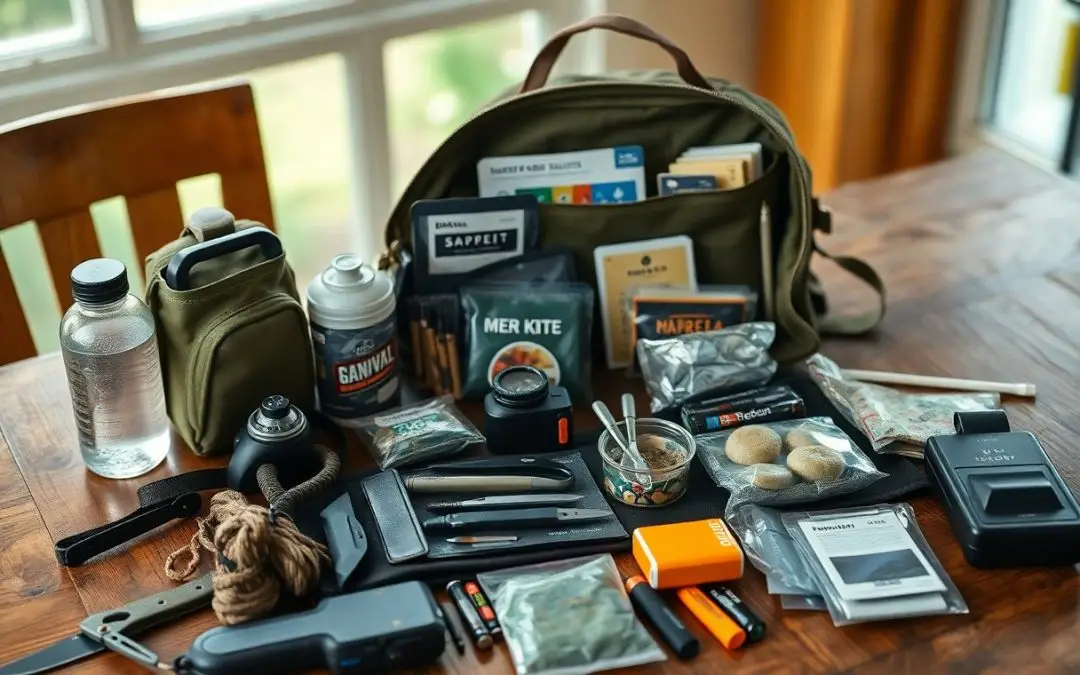
You must pack a compact, practical go bag with water, food, a first-aid kit, shelter, tools, communication gear, extra clothing, hygiene items, and copies of key documents tailored to your local risks and skills.
Key Takeaways:
- Core supplies: portable water filter and purification tablets, high-calorie nonperishable food, compact shelter (tarp or emergency blanket), and weather-appropriate clothing layers.
- Medical and hygiene kit: first-aid supplies, prescription medications, wound care and sanitation items to prevent infection.
- Essential tools: multi-tool and fixed-blade knife, fire-starting kit, reliable flashlight with spare batteries or hand-crank, cordage, and repair supplies.
- Communication and orientation: whistle, signal mirror, power bank and solar charger, paper maps and compass, plus copies of IDs and emergency cash.
- Pack strategy and upkeep: choose a comfortable, weatherproof backpack, balance weight, customize contents for local hazards, rotate supplies, and perform regular gear checks.
Hydration and Water Purification
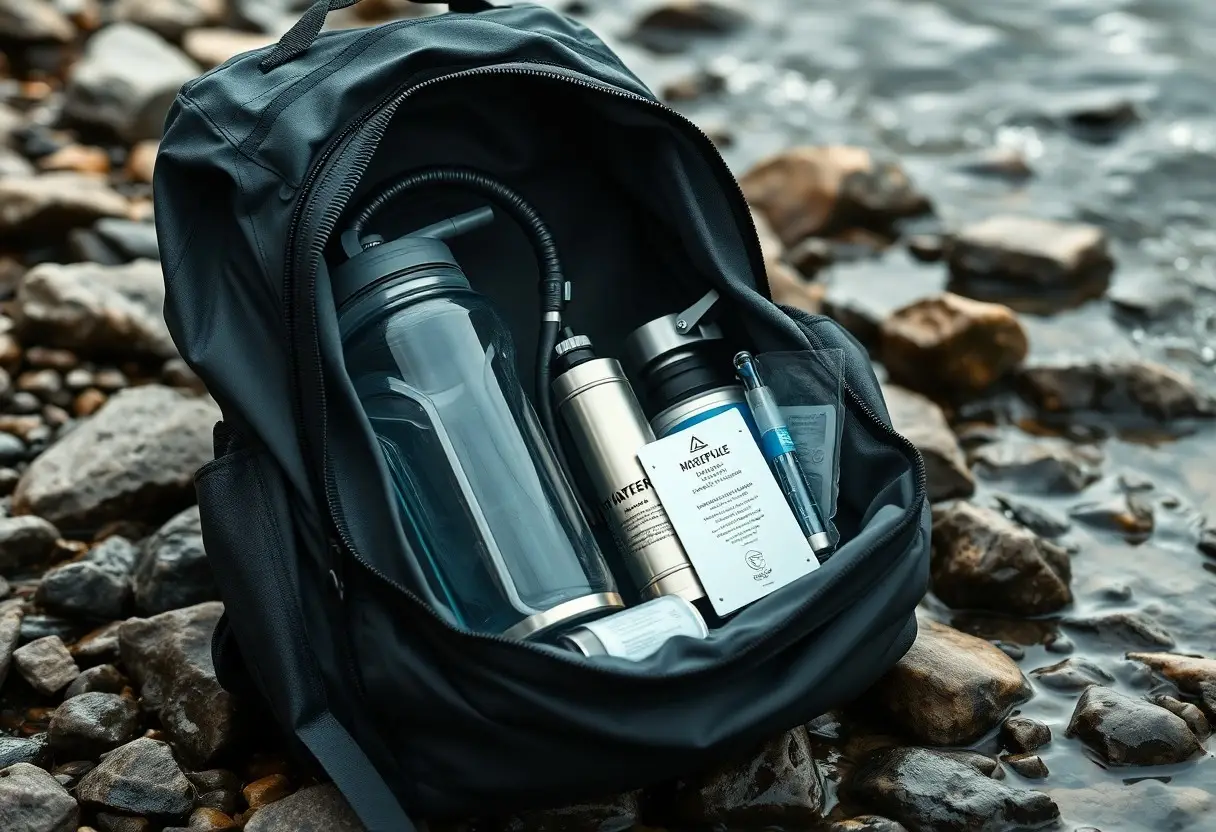
Water is your top survival priority; include a baseline supply of bottled water (one gallon per person per day) and a collapsible bladder you can stash in your pack for extra capacity.
Aim to carry at least a liter on your person and rotate stored water every six months so you always have usable reserves, and pack electrolyte sachets to address dehydration.
Portable Filtration and Chemical Treatments
Microfilters like the Sawyer Mini or LifeStraw remove bacteria and protozoa; you should pack a compact pump or inline filter that fits hydration tubes for on-the-go use.
Carry chlorine dioxide tablets or iodine packets as a backup; be aware they perform best after pre-filtering cloudy water and require proper contact time to neutralize pathogens.
Storage and Distribution Containers
Containers should be durable, BPA-free, and sized to your carry style; include one-liter bottles for daily use and a larger 5-gallon collapsible for base storage you can refill as needed.
Consider insulated bottles to prevent freezing in cold environments and a small funnel so you can refill without spilling; keep a hydration bladder with a quick-release valve for hands-free drinking while moving.
Store water containers off the ground and away from chemicals or fuel, and pack spare caps, hose fittings, and a hand pump so you can transfer and dispense water hygienically when you set up camp.
Sustenance and Emergency Nutrition
Pack high-calorie, shelf-stable items, water and basic electrolytes so you can sustain yourself through the first 72 hours, rotating stock and noting expiration dates.
Store water in durable containers, include purification tablets or a filter, and factor weight versus volume so you can carry enough without overburdening your pack.
High-Calorie, Non-Perishable Food Rations
Choose calorie-dense options like MREs, energy bars, peanut butter packets and compressed survival bricks so you get maximum energy per ounce when mobility matters.
Balance those rations with shelf-stable proteins and fats, diabetic- or allergy-friendly alternatives if you need them, and a rotation plan to keep your supplies fresh.
Compact Cooking and Preparation Tools
Carry a lightweight stove-canister, alcohol or solid fuel-plus a small pot, windscreen and a reliable ignition method so you can heat food and sterilize water in the field.
Include a multi-use pot that nests with utensils, a sturdy spork, and a compact mug so you can reduce bulk while maintaining cooking flexibility.
Optimize fuel choices by matching stove type to available fuel, pack spare fuel canisters or tabs, practice quick setups at home, and keep a small repair kit so you can cook under stress.
Shelter and Environmental Protection
Pack a lightweight tarp, cordage, and a compact folding shovel in your go bag so you can rig emergency shelters and divert water runoff; prioritize waterproof, low-bulk materials to keep weight manageable. You will rely on quick, adaptable solutions when weather and terrain change rapidly.
Keep a roll of strong repair tape, emergency patches, and a reflective space blanket for temporary fixes and heat retention after exposure; these low-volume items let you extend gear life and protect against cold until you reach better shelter. You should favor items that deploy fast under stress.
Emergency Bivvies and Tactical Tents
Choose a sealed emergency bivvy that reflects body heat and sheds rain; it should fit over clothing and compress into a small pocket so you can deploy it instantly. You can use bivvies as immediate insulation or a wet-weather barrier when a tent isn’t practical.
Opt for a compact tactical tent when you expect multi-day stays or need group shelter; focus on fast-pitch designs, durable fabrics, and a minimal weight-to-space ratio. You should include versatile stakes and guylines that handle soft and rocky ground to ensure reliable anchoring.
Core Layering and Weather-Resistant Clothing
Carry a moisture-wicking base layer, an insulating mid layer, and a breathable, water-resistant outer shell to control moisture and conserve warmth as conditions fluctuate. You should pick fabrics that dry quickly, resist odor, and compress small for efficient packing.
Layering lets you adjust for activity and temperature: add insulation during rest and vent while moving, and keep a spare pair of socks and a lightweight hat to reduce heat loss. You will avoid overheating by testing combinations before you need them.
Test your full clothing system on training hikes with load and varied weather so you know which pieces chafe, which trap sweat, and which combinations maintain comfort; this rehearsal prevents surprises when stress and exposure are real.
Essential Tools and Navigation
You should prioritize compact, durable tools that cover cutting, firecraft, shelter repair, and basic medical tasks; organize them for quick access so you can act decisively under stress.
Pack multiple navigation options: a liquid-filled compass, waterproof topographic map, and a battery-powered GPS or smartphone with offline maps, plus a small notepad and pencil for recording bearings and coordinates.
Fixed-Blade Knives and Multitools
Select a full-tang fixed-blade knife with a dependable sheath for heavy-duty tasks, and pair it with a folding multitool that offers pliers, wire cutters, and screwdrivers for fine work.
Keep blades clean, oiled, and securely stored; choose blade lengths around 3-5 inches for utility, and ensure your multitool has locking tools and replaceable components for field repairs.
Signaling, Lighting, and Orientation Hardware
Carry multiple signaling devices: a loud whistle, signal mirror, high-intensity flashlight or headlamp with red mode, and chemical glow sticks or a compact flare for long-range visibility.
Include spare batteries, a small USB power bank for electronics, and a personal locator beacon (PLB) or satellite messenger if you expect extended isolation; strobe modes and red-light settings preserve night vision while drawing attention.
Test every signaling item regularly, confirm beam distance and audible range, practice mirror and whistle signals, and keep all devices accessible and labeled so you can deploy them instinctively.
Medical Supplies and Hygiene
Pack a compact medical kit with prescription meds, OTC pain relievers, antihistamines, antidiarrheals, blister care, antiseptic wipes, adhesive bandages, sterile gauze, tape, tweezers, and a small card listing dosages and allergies you need to note.
Organize supplies in waterproof pouches, label items for quick access, rotate medications by expiration date, and keep a duplicate imperatives kit in your vehicle or bugout location so you can grab what you need fast.
Trauma Kits and Basic First Aid Essentials
Assemble a trauma kit containing a tourniquet, hemostatic gauze, pressure dressings, chest seals, trauma shears, a SAM splint, nitrile gloves, a CPR mask, and clear instructions so you can stop bleeding and stabilize injuries before evacuation.
Train regularly with practical scenarios, take Stop the Bleed and basic first aid courses, practice applying dressings and tourniquets, and inspect your kit after each use to replace used or expired items.
Sanitation and Field Hygiene Protocols
Prioritize sanitation by packing biodegradable soap, hand sanitizer, a trowel or portable toilet system, heavy-duty waste bags, toilet paper in waterproof wrap, and feminine hygiene supplies you can store or pack out.
Establish a latrine site at least 200 feet from water and food prep areas, set up a handwashing station with clear water and soap, and enforce habits for all team members to reduce infection risk.
Implement a handwashing routine-scrub with soap and water for 20 seconds and dry with a clean towel; dig cat-holes 6-8 inches deep and cover or pack out waste in sensitive areas; disinfect high-touch surfaces with a diluted bleach solution and store soiled items separately.
Conclusion
Considering all points, you should prioritize a go bag that covers water, food, first aid, shelter, light, tools, and communication, with attention to weight and durability. You must practice using items, rotate supplies, and adapt contents to your health, climate, and probable threats so your kit truly supports survival and quick response.
FAQ
Q: What is a survivalist’s go bag and why should a beginner have one?
A: A go bag is a compact, portable emergency kit designed to sustain one person for a short-term evacuation or disruption. It provides immediate supplies for shelter, water, food, first aid, tools, and communications so a person can move quickly and be functional for 24-72 hours without outside support. Building one trains planning and packing habits that reduce panic during real emergencies.
Q: What are the important items every beginner should include in a go bag?
A: Include water (one liter per person per day for at least three days) and a small water filter or purification tablets; pack three days of nonperishable, high-calorie food such as energy bars, freeze-dried meals, or MREs plus a compact stove or fuel if needed. Add shelter and warmth: emergency blanket, lightweight tarp or bivy, poncho, and an extra set of clothing including socks and layers for cold or wet weather. Add a first-aid kit with wound-care supplies, bandages, pain relief, and a supply of prescription medications in sealed containers. Add tools and light: a fixed-blade or folding knife, multi-tool, lighter and ferrocerium rod, headlamp with spare batteries, and duct tape or repair kit. Include communications and navigation: charged power bank, USB charging cable, NOAA or hand-crank radio, local paper maps, and a whistle. Add hygiene and sanitation items, copies of IDs and emergency contacts in a waterproof pouch, small amount of cash, and a compact personal-defense item if legally permissible in your area.
Q: How do I choose the right bag and how heavy should it be for a beginner?
A: Choose a durable daypack or small backpack in the 20-35 liter range for a 24-72 hour go bag, with padded straps and multiple compartments for organization. Use a 40-60 liter pack only when vehicle access, long-term carry, or extra gear is expected. Aim for a carried weight that feels comfortable on a 1-3 mile walk; many beginners find 10-20% of body weight manageable while active training can increase tolerance. Test the packed bag on local hikes and adjust contents and weight until mobility and comfort are acceptable.
Q: How often should I check and update my go bag?
A: Check perishable items such as food, water, and batteries every six months and rotate expired items. Verify prescription medications before they approach their expiration date and replace them as needed. Inspect gear for damage, reseal waterproof bags, and test important tools like radios and lights after long storage. Update documents, contact lists, and copies of IDs whenever personal information or family composition changes. Run a practice drill with your go bag at least once per year to confirm usability and identify missing items.
Q: How should I personalize a go bag for medical needs, children, pets, or local hazards?
A: Account for individual medical needs by including extra prescription doses, copies of prescriptions, medical bracelets, and specialty supplies such as epinephrine, insulin cool packs, or wound-care items specific to your condition. For children include age-appropriate food, diapers, formula, comfort items, and a lightweight blanket. For pets pack food, a leash, waste bags, vaccination records, and a small carrier if required. Tailor gear to local hazards: add N95 or P100 masks for wildfire smoke, waterproof boots and a portable pump for flooding zones, and insect repellant and long-sleeve layers for tick- or mosquito-prone areas. Label and color-code family members’ bags and keep a master list of contents to ensure each person’s needs are met during evacuation.


