
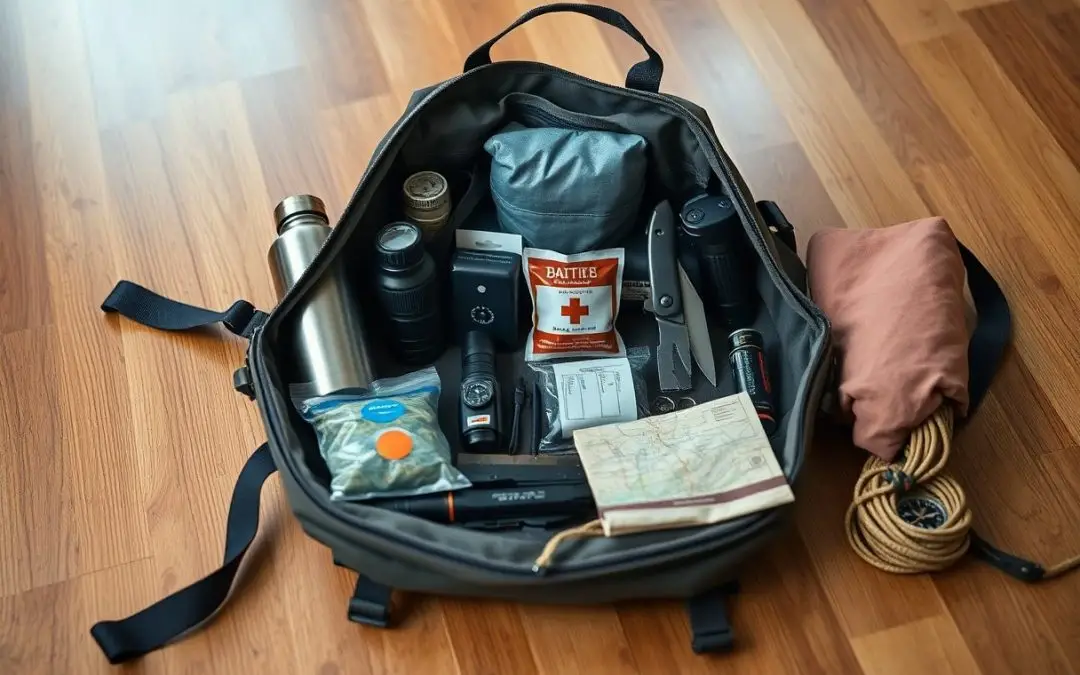
You must pack a compact go bag containing shelter, water, a fire kit, food, first aid, multitool, light, communication device, map or compass, and copies of personal documents.
Clean Water and Filtration
You prioritize water sourcing and purification in any go bag. Include a compact filter, water purification tablets and a collapsible bottle to secure safe drinking water on the move. Check filter pore size, flow rate and tablet shelf life when choosing components.
Portable water filter
You want a lightweight pump, straw or gravity filter rated to remove bacteria and protozoa. Look for filters with submicron pore size and replaceable cartridges; activated carbon stages improve taste and reduce some chemicals. Test the unit before relying on it in the field.
Water purification tablets
You carry chlorine dioxide or iodine tablets as a lightweight backup when filtering or boiling is unavailable. Follow dosage and wait times closely and keep tablets dry and within their expiration dates.
Chlorine dioxide tablets neutralize viruses, bacteria and many protozoa, while iodine can be less effective against some protozoan cysts. Avoid use by people with thyroid conditions or pregnant people, and pack a small taste-neutralizer or flavor packet if palate issues reduce your intake.
High-Calorie Food Rations
You should pack high-calorie rations to maintain energy during long treks or extended sheltering. You should choose foods that combine dense calories, long shelf life, and compact packaging so you carry maximum fuel with minimum bulk.
You should rotate supplies annually, test palatability, and note caloric density per serving to ensure meals meet your needs under stress.
Calorie-dense energy bars
You should include energy bars that provide 300-500 kcal each and a balance of fats, protein, and fiber for sustained output. You should favor bars with nuts and seeds and minimal added sugars to reduce crashes and digestive issues.
You should pack a variety of flavors to prevent palate fatigue and store bars in a cool, dry section of your go bag to prolong freshness.
Vacuum-sealed meals
You should rely on vacuum-sealed meals for complete, shelf-stable dinners that heat quickly in boiling water or with a flameless heater. You should select pouches with clear reheating instructions and a calorie count that matches your activity level.
You should check sodium and ingredient lists if you have dietary restrictions and include a compact stove or flameless heater if you prefer hot meals; you can also eat many pouches cold in emergencies.
You should expect shelf lives typically between three and seven years depending on packaging and preservatives, store pouches away from heat and sunlight, and aim for 500-800 kcal per meal pouch when planning high-exertion days.
Medical and First Aid
You should include a compact first-aid kit, tourniquet, hemostatic gauze, burn dressings, antiseptic wipes, nitrile gloves, trauma shears, and a CPR mask.
You should pack personal prescriptions and copies of medical information in a waterproof bag and train with your kit so you can perform bleeding control, wound care, and basic airway management under stress.
Trauma bandages
You need multiple trauma bandages sized for extremities and head; select ones with integrated dressings and a pressure bar for rapid application.
You should practice applying a tourniquet and trauma dressing until you can do it one-handed under time pressure and recheck distal pulses after securing dressings.
Essential medications
You should pack pain relievers (ibuprofen, acetaminophen), antihistamines, anti-diarrheals, oral rehydration salts, and any personal prescriptions with dosing notes in waterproof, labeled containers.
You should carry at least a seven-day supply of chronic meds, copies of prescriptions, allergy details, and emergency dosing instructions, and you should consult your clinician about antibiotic or epinephrine needs before an emergency.
Fixed Blade Survival Knife
A fixed‑blade survival knife gives you dependable strength for chopping, batoning, shelter work, and food prep when you need reliability. You should pick one with a comfortable handle, full tang construction, and a good sheath that stays secure on your belt or pack.
Choose a blade length between 3.5 and 6 inches and a spine thick enough for batoning. Hardened carbon or stainless steels hold an edge and resist corrosion; plan a basic sharpening kit to maintain performance in the field.
Full tang steel blade
Full tang construction means the metal runs the full length of the handle, delivering strength and balance for heavy tasks. You should select steels like 1095, 5160, or 3CR13 for a mix of toughness and edge retention, depending on maintenance willingness.
Multi-tool pliers
A compact multi‑tool with pliers expands your capability beyond the knife, giving you wire cutting, crimping, and small repairs without adding separate tools. You should favor locking tools, replaceable bits, and corrosion‑resistant finishes for longevity.
Evaluate weight and grip ergonomics before buying, and test the pliers and bit drivers for one‑handed deployment. Choose a model that fits your carry system so you can access repairs and rigging tasks quickly when situations demand fast action.
Professional Fire Starting Kit
You pack a compact fire-starting kit that performs in wet, cold, and windy conditions. Include a ferrocerium rod, striker, waterproof tinder, and a backup ignition method so you can get a flame quickly and conserve resources.
Ferrocerium striker rod
You depend on a ferrocerium rod for consistent sparks even when damp. Scrape with a metal striker or knife to create hot, high-temperature sparks that ignite char cloth, cotton balls with wax, or commercial tinder in seconds.
Stormproof matches
You carry stormproof matches in a watertight case to light fires when sparks struggle. Choose long-burning heads and a protective container that resists moisture and accidental ignition.
You store spare matches in a sealed tube inside your kit and protect heads with tape for added security. When using, cup your hand to shield the flame, transfer it quickly to prepared tinder, and fully extinguish spent matches before stowing them.
Emergency Shelter and Tarp
You should include a lightweight shelter and tarp for immediate protection from wind, rain, and cold. You can use a compact shelter to buy time while you assess options and prevent heat loss.
Pack a tarp that doubles as groundsheet, lean-to, or rainfly; pair it with cordage and stakes for quick setup. Keep your shelter choices minimal, durable, and easy to deploy under stress.
Mylar bivy sack
You can carry a Mylar bivy for extreme-light, space-saving warmth. You will find the reflective material traps radiant heat and adds minimal bulk to your bag.
Use a bivy with ventilation or pair it with a breathable layer to limit condensation; treat it as emergency heat retention rather than a long-term sleeping solution.
Reinforced waterproof tarp
You need a reinforced waterproof tarp for shelter that can handle wind and repeated use. You should look for reinforced corners, multiple tie-outs, and a waterproof coating rated in hydrostatic head or grams per square meter.
Choose a size that fits your group and allows setup as lean-to, flat-pitch, or hammock protector. Carry lightweight cord, a shock-cord ridgeline, and extra stakes to secure varied anchors.
Check materials such as silnylon, polyurethane-coated polyester, or PVC to match the weight and puncture resistance you prefer; ensure taped seams and welded corners extend service life. Pack repair tape and spare cordage so you can fix tears and reinforce tie points in the field.
LED Flashlight and Batteries
You need a dependable LED flashlight with long runtime and tough housing for everyday carry in your go bag. Choose a compact model with multiple modes, a strobe for signaling, and water resistance to handle adverse conditions.
High-lumen headlamp
You should pack a high-lumen headlamp to keep both hands free during dark tasks and extended operations. Look for adjustable beam focus, comfortable straps, and a lock to prevent accidental activation that drains power.
Extra lithium batteries
You should include extra lithium batteries to keep lights and electronics running reliably in cold or wet environments. Store batteries in a protective case and label them so you can grab the right size quickly.
Lithium AA and CR123A cells deliver higher energy density and better cold-weather performance than alkalines; pack a mix that matches your devices. Rotate stock every couple of years, keep originals sealed when possible, and avoid loose batteries that can short in your pack.
Navigation Map and Compass
You carry a detailed paper map and a reliable compass to verify direction when electronics fail. The map shows terrain, trails, water and manmade features while the compass gives magnetic bearings you can trust without batteries. Store both in a waterproof case.
You practice map-and-compass skills before you leave and check local magnetic declination. Pack a pencil and a clear plastic protractor for plotting routes, plus a small mirror or whistle to aid orientation and signaling.
Local topographic maps
You select topographic maps at scales like 1:24,000 for fine detail or 1:50,000 for broader planning. Contour lines show slope and elevation; rivers, trails and roads reveal travel options and potential hazards.
You mark planned routes, rally points and emergency exits on spare copies and keep one map readily accessible. Laminating or using a waterproof map case preserves the paper under wet conditions.
Sighting compass
You use a sighting compass to take precise bearings to distant landmarks. Line up the sight or notch with the target, rotate the housing until the needle centers, then read the bearing at the index line to set a course or orient your map.
You compensate for declination, record reciprocal bearings to fix your position, and practice steadying the compass and using the sighting mirror in low light. Familiarity with taking and plotting bearings increases accuracy when electronic aids fail.
Tactical All-Weather Clothing
You need clothing that adapts to heat, cold, rain, and abrasion. Layering with breathable base layers, insulating mid-layers, and a protective outer shell lets you regulate temperature and avoid hypothermia or overheating during long moves.
Wool socks
You should pack multiple pairs of wool socks to manage moisture and temperature. Merino wool resists odor, dries quickly, and keeps warmth when damp, reducing blisters and the need to change socks as often.
Durable rain shell
You want a lightweight waterproof shell with fully taped seams and a reliable water-repellent finish to shed driving rain without weighing you down.
Choose breathable membranes like Gore-Tex or ePTFE and a hood that fits over your helmet or hat; articulation in the shoulders and adjustable cuffs preserve mobility while sealing out weather.
Look for packability so the shell stows inside your pack, pit zips for ventilation during hard activity, and a hem drawcord to keep spray out; test the jacket with your usual layering system to ensure it fits over mid-layers without restricting movement.
Essential Hygiene and Sanitation
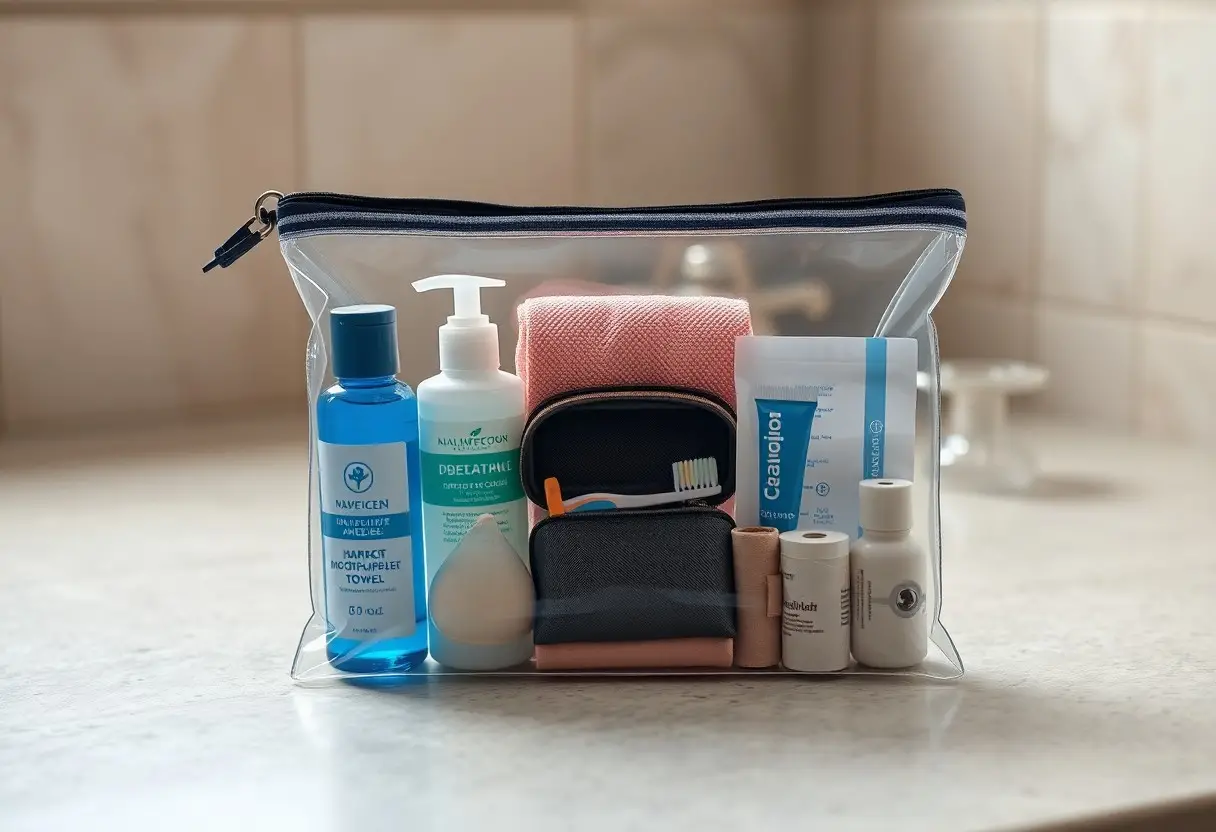
You must pack basic hygiene items to prevent infection and maintain morale when you’re displaced or on the move. Clean hands and a manageable waste plan reduce illness and make daily tasks easier.
Pack a compact kit with soap, toothbrush and paste, feminine hygiene products, toilet paper, waste bags, and a quick‑dry towel; choose lightweight, multi‑use items to save space.
Hand sanitizer
You should carry a high‑alcohol (60-70% ethanol or isopropyl) hand sanitizer in a leakproof bottle for fast decontamination when water and soap are unavailable. Gel and spray formats each have packing advantages.
Small 2-4 oz bottles fit a go bag and can be topped off from larger containers at home; include alcohol wipes for surfaces and a backup supply for extended situations.
Biodegradable body wipes
You rely on biodegradable body wipes for full‑body cleaning when showers are impossible; choose unscented, alcohol‑free wipes to protect skin and avoid irritation. Packs designed for camping hold up better in rough conditions.
Store wipes in resealable pouches to keep them dry and compress packs to save space; select products labeled biodegradable and septic‑safe for reduced environmental impact.
You can use these wipes for hands, face, intimate areas, quick wound cleaning, and surface wiping; even biodegradable wipes should be bagged and packed out with your trash to prevent wildlife attraction and localized pollution.
Summing up
Taking this into account, you should pack water, nonperishable food, shelter, first aid, a multi-tool, light source, fire starter, map and compass, communication devices, weather-appropriate clothing, and copies of ID to maintain mobility and safety.
Use each item until you can deploy it quickly, rotate supplies for freshness, and tailor the bag to local risks so you can respond confidently during an emergency.
FAQ
Q: What are the 10 must-have go bag crucials every survivalist should pack?
A: The ten crucials are: 1) Water and purification – at least 1 liter per person per 24 hours plus a compact filter and purification tablets; 2) Food – high-calorie, nonperishable rations for 72 hours and a lightweight stove or fuel source; 3) Shelter and warmth – emergency blanket, compact tarp or bivy sack, and insulating layers; 4) First-aid kit – trauma supplies, daily prescriptions, antiseptics, and bandages; 5) Fire-starting – waterproof lighter, ferrocerium rod, and reliable tinder; 6) Light and signaling – headlamp with spare batteries, whistle, and signal mirror; 7) Tools and repair items – multi-tool, fixed blade knife, duct tape, and paracord; 8) Communication and power – battery bank, hand-crank or NOAA radio, and spare charging cables; 9) Important documents and cash – copies of IDs, insurance information, emergency contacts, and small bills; 10) Hygiene and sanitation – wet wipes, hand sanitizer, feminine supplies, and a small trowel for waste management.
Q: How should I prioritize weight and pack size when assembling a go bag?
A: Select a pack sized for a 72-hour carry with comfortable straps and a supportive hip belt. Prioritize water, shelter, and first-aid supplies near the center and top for quick access. Choose lightweight, multi-function items such as a compact stove that doubles as a pot and a multi-tool instead of single-use tools. Assess pack weight by wearing it on a short hike and remove noncrucial items until the load is comfortable for intended users.
Q: How do I adapt go bag contents for different climates and hazards?
A: Assess regional hazards and seasonal conditions before packing. Hot-weather kits should include extra water, sun protection, and breathable clothing; cold-weather kits require insulated layers, a four-season shelter option, and hand warmers. Flood-prone or coastal areas need waterproof cases and flotation considerations, while wildfire zones call for N95 masks and flame-resistant fabrics. Store climate-specific items in modular pouches that can be swapped quickly when conditions change.
Q: How often should I check and rotate items in my go bag?
A: Inspect the bag every three months and after any use or emergency. Replace expired food, batteries, and medications promptly and reseal or replace compromised waterproofing. Test electronics and replace batteries at least annually or according to manufacturer guidance. Keep an internal checklist with dates of last inspection and upcoming replacement deadlines.
Q: What special considerations should families, seniors, and pet owners include in a go bag?
A: Pack individualized supplies for each family member, including children and seniors. Children benefit from comfort items, child-size safety gear, and appropriately portioned food; seniors may need extra medications, mobility aids, and hearing or vision device batteries. Pet kits should contain food, water, a leash, vaccination records, and a carrier or calming aid. Store copies of medical records, prescriptions, and emergency contact information in both physical and encrypted digital formats for quick access.


